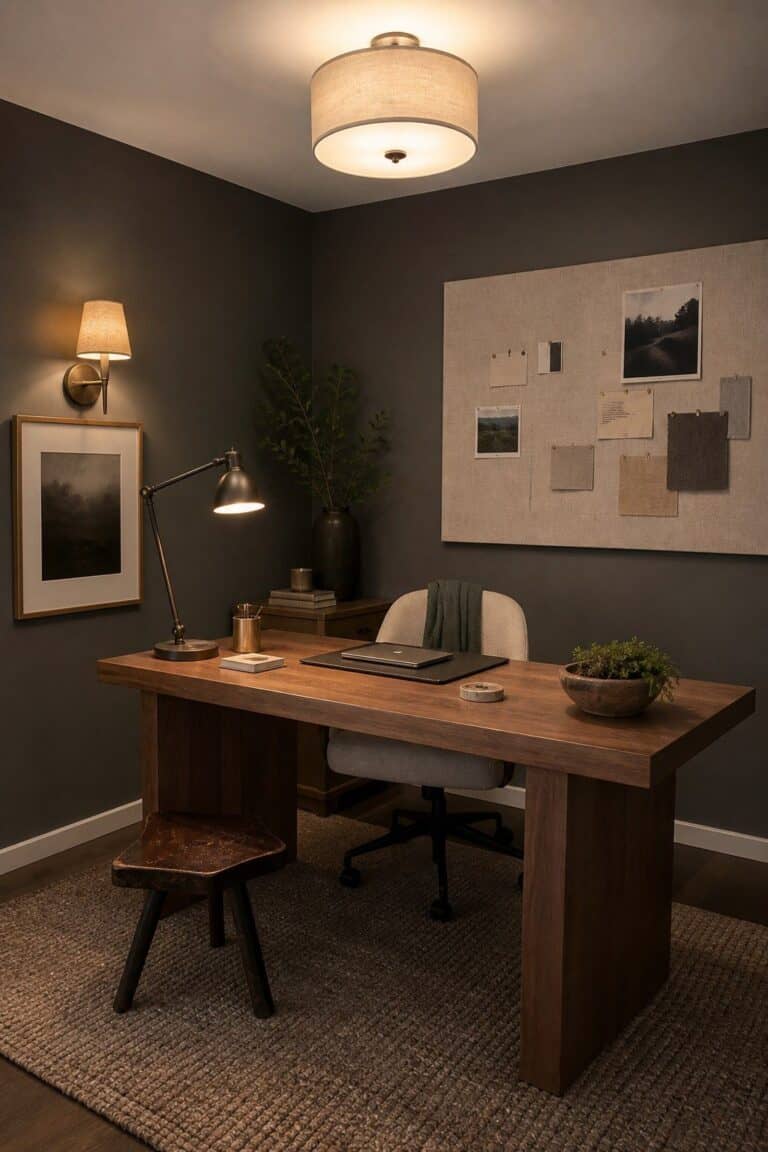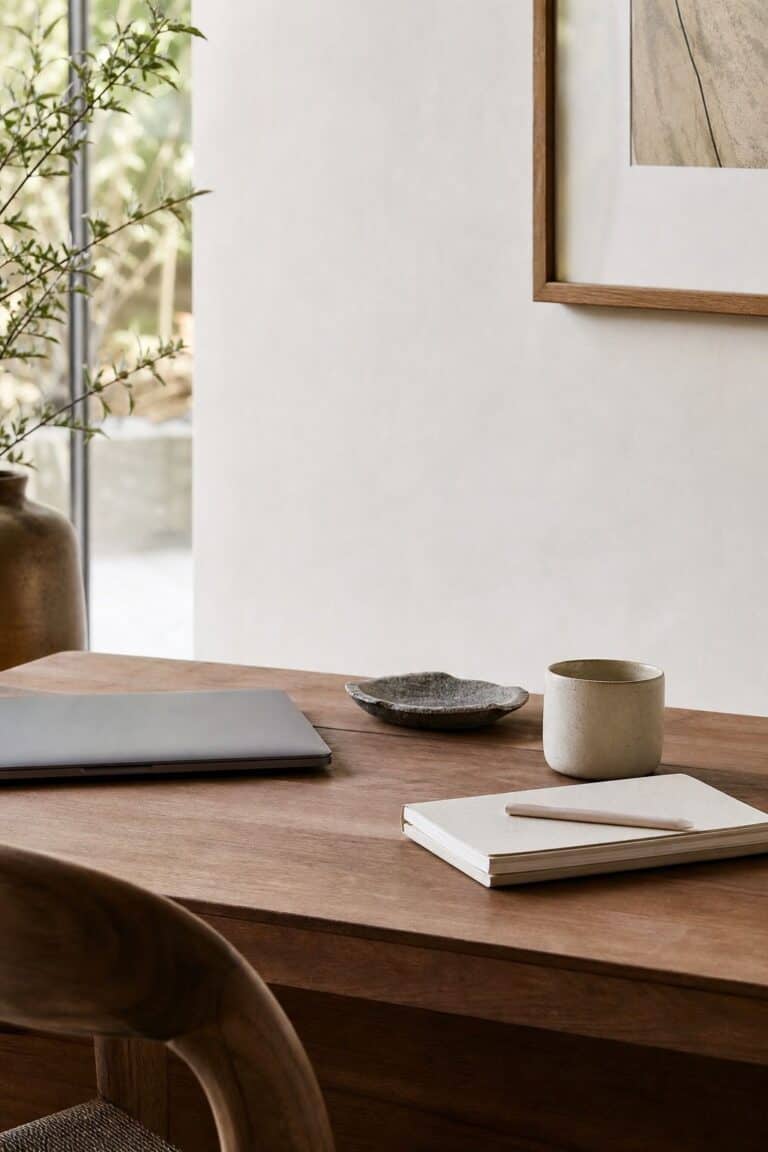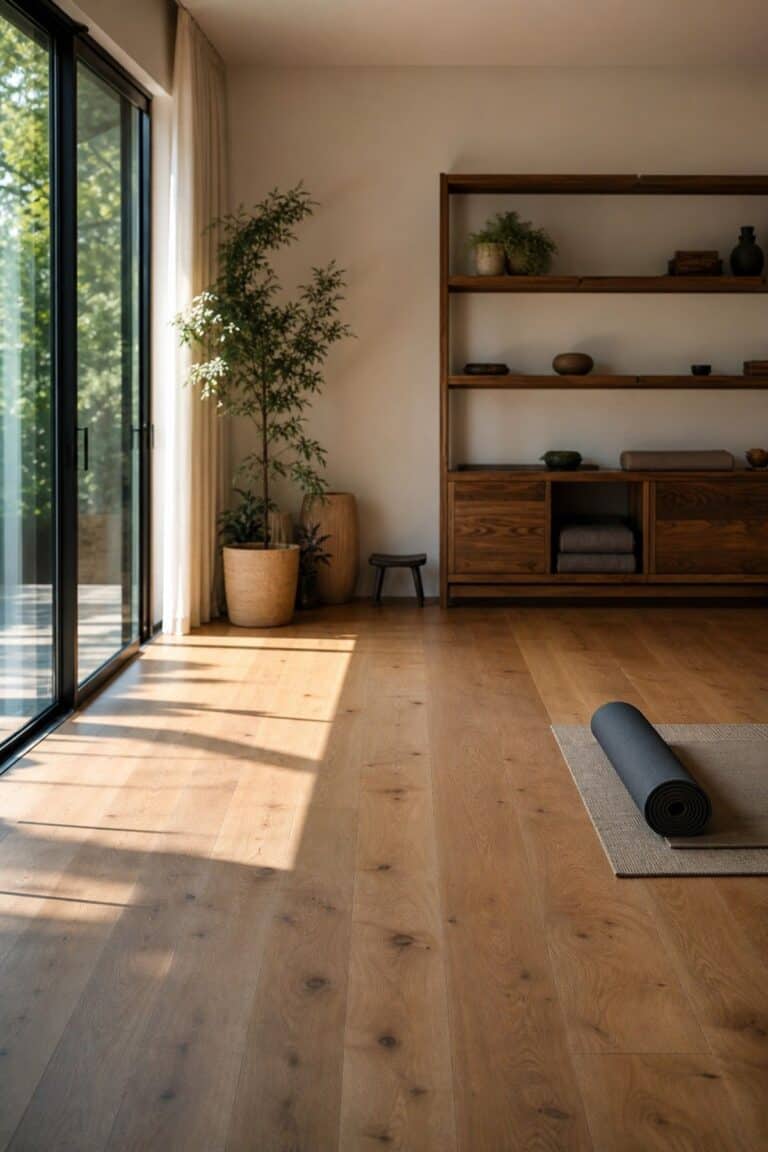

Warm wood and amber light do most of the work in 70s home office decor. Start with a walnut desk, a leather or olive task chair and a mushroom lamp, then add one geometric rug, cane or wood storage and a tight palette of rust, mustard, olive and cream. Hide the cables and keep the desk surface clear so it still works on a Tuesday.
The most common mistake with a 1970s office is going straight for the loudest pieces, the orange shag, the swirly wallpaper, the lava lamp, and ending up with a room that’s fun to look at for ten minutes and exhausting to answer emails in. The 70S look that actually works for a workspace is the quieter side of the decade: dark walnut, caramel leather, low amber light, cane and a few earthy patterns, which is the stuff you can stare at for eight hours without getting a headache.
So how do you get that feeling in a home office you really use, with a laptop, a printer and a chair you sit in all day? These 15 ideas are grouped by what they do for you, the pieces that set the tone, the details that keep the desk useful, and the comfort stuff for long workdays, and each one comes with notes on what to buy, where to put it and when to stop adding.

Recommended blogs to read:
- 70s living room furniture ideas
- 70s lighting ideas
- 70s rug ideas
- all home office decor ideas
- mid-century modern office ideas
- Zen home office decor ideas
- office without windows decor ideas
- fall office decorating ideas
- 70s color palette home decor ideas
- 70s bedroom decor ideas
If you’re starting from a plain white office, change the bulb in your desk lamp to a warm 2700K one before anything else, because the 70s look falls apart under cold, bright light.
Which Pieces Set the 70s Tone First?
The desk, the chair, the lamp, the rug and one storage piece set the decade before any accessory does. Get those five right in warm wood, leather and earth tones and the room reads 1970s even with nothing on the walls.
1. Walnut Desk


Why start with the desk? It’s the biggest piece in an office and the thing you touch all day, so a walnut desk with drawer pedestals on both sides, like this one with small brass pulls, tells everyone what decade you’re channeling before they notice anything else. Look for a warm, medium-dark wood grain, rounded edges on the top and drawers that actually slide, since vintage desks with sticky runners get annoying fast.
Vintage desks turn up at flea markets and online secondhand sites all the time, often for less than a new flat-pack one, though check the width against your monitor and keyboard first, because older desks can be shallower. For more pieces in the same wood tones, my 70s living room furniture ideas post covers the sofas and sideboards that match.
2. Mushroom Desk Lamp


Want the single most recognizable 70s object for a desk? Get a mushroom lamp, which earns its spot by giving soft, low light that’s easy on the eyes after dark. The cream one on this walnut desk glows warm against a patchwork wall hanging in rust and brown, and that glow is the whole point, so pick a frosted or opaque shade rather than clear glass. One thing it won’t do is light your keyboard well, since mushroom lamps throw light down and sideways in a soft pool, so pair it with a proper adjustable task lamp on the other side of the desk if you work late. If you want more shapes from the decade, the 70s lighting ideas post has globe pendants and smoked-glass table lamps too.
3. Warm Task Chair


Your chair is the piece you’ll feel most, so this is where comfort beats vintage purity.
A caramel or cognac leather chair with horizontal channel stitching, like the swivel chair here, has that 70s executive look, and the color gets better as the leather wears in. The catch is that real vintage office chairs often lack lumbar support and height adjustment, and your back will notice by week two.
The workaround is a new chair with a vintage shape: a five-star base, a seat that adjusts, and a cover in tan leather, rust corduroy or olive velvet. Sit in it for a few minutes before buying, and check that your elbows rest at desk height with your feet flat on the floor. Comfort is boring, I know, but a gorgeous chair you dread sitting in is just expensive storage for your coat.
4. Geometric Rug


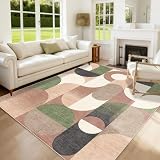
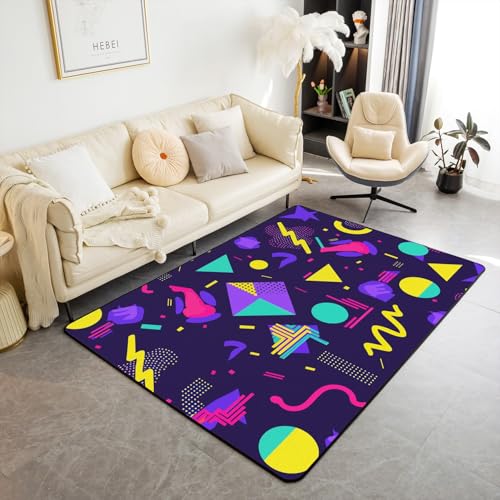
For pattern without busy walls, put it on the floor. A few things to check before you buy a rug:
- Choose a flat weave or low pile, since office chair wheels sink into thick shag and dig ruts.
- Stick to big blocky shapes in two or three earth tones, like the rust, mustard and cream patchwork under this desk.
- Size it so the chair stays on the rug when you push back, usually at least 120 cm (4 feet) behind the desk edge.
- Put a clear chair mat on top if you have a hard floor underneath and a rolling chair, and the rug lasts years longer.
More shapes and colors are collected in the 70s rug ideas post if this one isn’t your style.
5. Cane Storage Cabinet


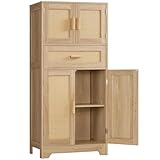
Every office needs a place to hide the ugly stuff, the printer paper, the cables, the box of receipts you swear you’ll sort, and a cabinet with cane doors does it while adding texture. The tall walnut one here has woven cane panels that let you see shadows of what’s inside without seeing the mess itself, and the plant on top softens the height.
Cane is lighter than solid doors visually, which helps in a small room, but it’s not dust-proof, so keep paper in closed boxes inside. If a full cabinet is too much, a cane-front sideboard at desk height doubles as a printer stand, and the 70s kitchen decor ideas post shows how the same rattan and cane fronts look in a cooking space if you want the style to carry through the house.
What Small Details Make It Read 1970s Without Looking Like a Costume?
Small details like brass, curtains, a pinboard, a low bookshelf and smoked glass should repeat the colors you already chose. Keep each one useful, and stop once every surface has one thing that earns its place.
6. Brass Desk Details


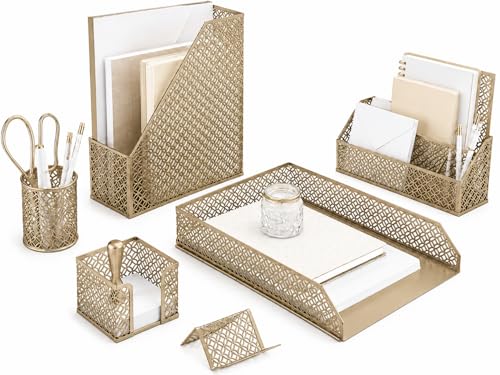
Brass is the metal of the decade, and on a desk it works best in a set that does a job: a pen cup, a tray for your notebook and phone, maybe a lamp base. Together they look planned, and a matching group of three brass pieces, like the lamp, tray and pen cup on this dark wood desk, gives you a little shine without clutter. Brushed or slightly aged brass looks more 70s than shiny gold, and it hides fingerprints better too, which matters on things you grab twenty times a day. Skip the brass stapler, the brass tape dispenser and the brass everything else, since once every object is metal it starts to look like a hotel reception desk. A soft cloth once a month keeps it warm instead of dull.
7. Earth Tone Curtains



Curtains change the color of the whole room, because sunlight passes through them. Burnt orange linen, like these floor-length panels, turns morning light warm and gives the office that golden 70s glow even when the lamps are off.
There’s a practical side too. A screen next to a bright, bare window gets glare all day, and linen softens it without blocking the light completely. If you take video calls facing the window, the warm filtered light flatters faces far more than harsh daylight.
Hang the rod a few inches below the ceiling and let the panels just touch the floor, since short curtains look like they shrank in the wash. In a rental, a tension rod or no-drill brackets work fine, and rust, mustard or olive all count as 70s colors if orange feels like a lot.
8. Vintage Pinboard

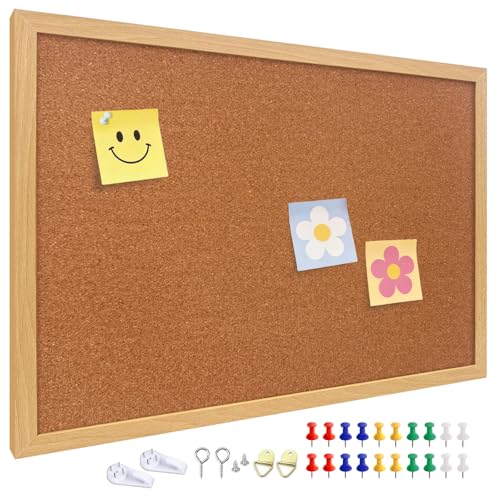
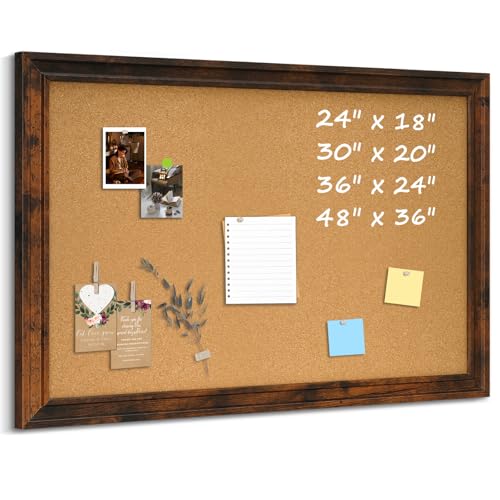
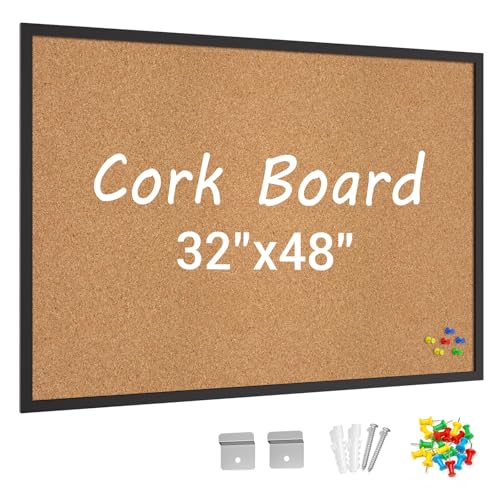
Hang a big cork board and you get the most useful decoration an office can have, plus art if you’re picky about what goes on it. A few rules that keep it pretty:
- Frame it in wood, since a bare cork square looks like a school notice board.
- Pin cards and paper in your palette, like the olive, cream and rust cards pinned above this desk, and swap out anything neon.
- Leave a third of the board empty so the pinned stuff has room to breathe.
- Clear it every Friday, or it turns into a wall of old receipts within a month.
If you’d rather go bigger, the 70s wall decor ideas post has macrame, textile hangings and framed prints in the same colors.
9. Low Bookshelf


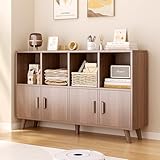

Low and long is how the 70s did shelving, and a waist-height bookshelf in an office gives you storage plus a surface on top for a plant, a lamp or a record player. The walnut one here runs along the wall at about desk height, so the room keeps its open feeling and the window stays visible.
Style it in rows: books upright on one side, a few lying flat, then one ceramic or a small plant in each section. Keep everything you use daily on the lowest shelf within reach of your chair, since the whole point of a low shelf is that you don’t have to stand up for a binder (we’re all a little lazy by 3 p.m.).
10. Smoked Glass Accessories

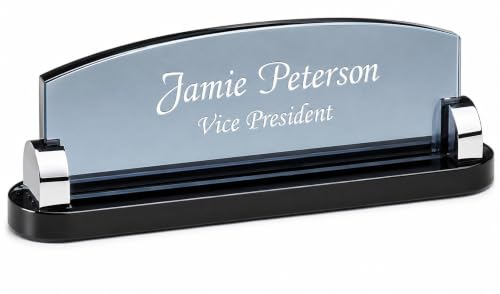

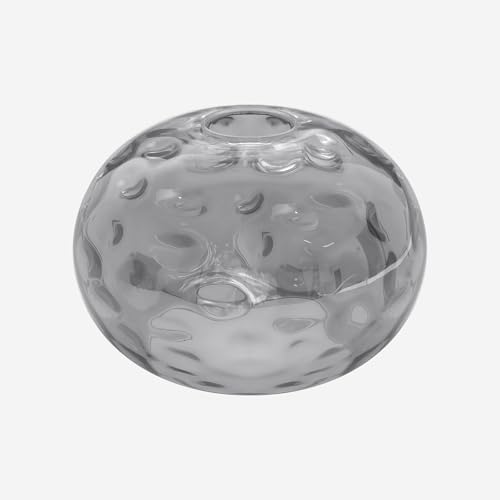
Smoked glass is the 70s detail people forget, and it’s one of the easiest to add because it comes in small, cheap pieces: pencil cups, trays, bud vases and drinking glasses. The amber and brown glass on this walnut desk catches the light from the pendant above and turns it into little warm reflections, which feels very 1975 in the best way. Thrift stores are full of it, so look there before buying new, and pick pieces in the same tint so they read as a set. Two or three pieces on a desk is plenty, and one should hold something real, pens, paper clips or a single stem, so it’s working rather than posing.
How Do You Make a 70s Office Comfortable for Long Workdays?
Comfort comes from what you touch and see for hours: a soft desk mat, a plant within sight, a calm palette, a chair away from the screen and cables you never have to look at.
11. Patterned Desk Mat


Put a desk mat down and you get a 70s pattern right under your hands, while a vintage wood top stays safe from mug rings and pen scratches. Those rust, orange and cream circles are pure supergraphic, and the matching rust notebook on top shows how one pattern can pull a whole desk together.
Felt and vegan leather mats feel nicer under the wrist than plastic, and a large size (about 80 x 40 cm) holds both the keyboard and mouse so you don’t need a separate mouse pad. If you already have a busy rug, pick a solid mat in mustard or rust instead, since two big patterns at once start fighting.
12. Plant and Ceramic Pairing


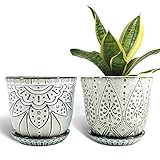

Plants were everywhere in 70s interiors, hanging in macrame, lined up on windowsills, crowding the corners, and one good plant on a desk still brings that life back.
The leafy one here sits in a glossy brown ceramic pot, and the pot matters as much as the plant. Glazed stoneware in brown, ochre or speckled cream looks period-right, while a plain plastic nursery pot looks like you forgot to finish decorating.
For a desk, pick something forgiving. Pothos, philodendron and snake plants handle office light and the odd missed watering, and they don’t drop leaves on your keyboard.
Pair the plant with one more ceramic piece, a small bowl or a vase, so it looks like a little arrangement rather than a lone survivor of a dead-plant graveyard.
13. Focused Color Palette


Choosing your colors before you buy anything else saves money and keeps the office from turning into a thrift-store explosion. How to build a focused 70s palette:
- One wood tone as the base, usually walnut or teak.
- One main color you’ll see a lot, like the olive on this chair.
- One accent, like the rust curtains and the terracotta in the print.
- Cream or warm white on the walls so the room doesn’t close in.
That’s it, four colors. Brown, rust, mustard and olive are the classic 70s shades, and keeping them earthy rather than neon is what makes the palette calm enough to work in. The 70s color palette post in the related list near the top has the hex codes if you’re matching paint.
14. Reading Corner


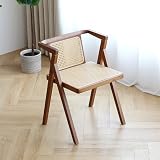

A reading corner gives you somewhere to work that isn’t the desk, and that change of seat helps on long days more than you’d think. The rust armchair here, with a wood frame and a nubby fabric, sits next to a small round table with a mini mushroom lamp, which is all a corner needs: a chair, a surface for coffee and a light.
Put it facing away from the computer if you can, so reading a report there feels like a break. In a small office, a single lounge chair and a floor lamp tucked by the window does the same job without a table at all.
15. Cable Clutter Control

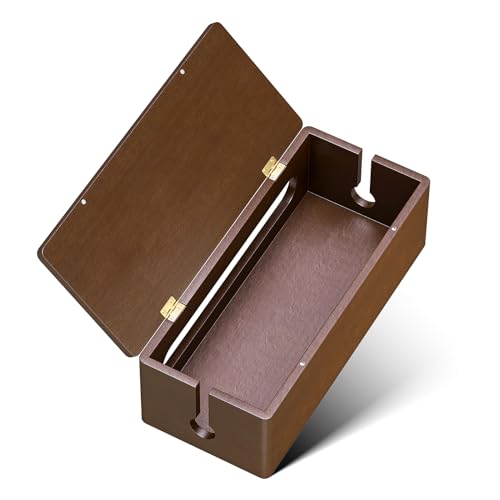

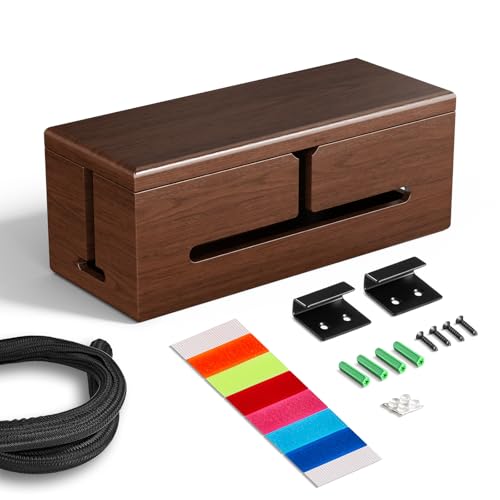
Nothing ruins a carefully warm 70s office faster than a nest of black and white cables under the desk, and fixing it takes about an hour. A cable tray screwed under the desktop catches the power strip and chargers, and a woven rattan box on the floor, like the one here, hides the router or a second power strip while matching the cane and wood elsewhere. Run the remaining cables down one desk leg with a few clips so there’s one neat line instead of five loose ones. If you can’t drill into a rental desk, adhesive cable clips and a lidded basket do most of the same job. It’s not glamorous, but it’s the step that makes every other idea on this list look intentional. Label the plugs with a bit of washi tape while you’re at it, so the next time the internet dies you’re not crawling under the desk guessing which black cable is which (ask anyone who has done that in a dress before a meeting).
What Is the Difference Between 70s and Mid-Century Office Decor?
Mid-century office decor is lighter and sleeker, with slim tapered legs, teak, clean lines and pops of color, while 70s decor is warmer, heavier and more textured, with darker walnut, chunky shapes, cane, leather, earth tones and pattern. The two blend easily because the furniture overlaps, so a mid-century desk with a 70s rug, a mushroom lamp and rust curtains lands right in between. If you’re leaning lighter and cleaner, the mid-century modern office ideas in the related list above go that way, and if you want more color and texture, stay with the ideas here.
Frequently Asked Questions
What is 70s office decor?
70s office decor uses dark walnut furniture, leather or velvet chairs, earth tones like rust, mustard and olive, soft amber lighting and textures like cane and wool. It feels warm and a little cozy, closer to a den than a corporate office.
How do I make my home office look 70s?
Start with a walnut desk and a warm 2700K lamp, then add one geometric rug, a mushroom or globe lamp and curtains in rust or mustard. Add smoked glass, brass and a plant last, and keep cables hidden.
What colors were popular in 1970s offices?
Brown, rust, burnt orange, mustard yellow, olive and avocado green were everywhere, usually paired with cream and dark wood. Pick two or three of them so the room stays calm enough to work in.
Can 70s home office decor work in a small space?
Yes. Use a compact walnut desk, one statement lamp, a flat-weave rug and wall shelves instead of floor cabinets, and keep cream on the walls so the darker wood and earth tones don’t make the room feel smaller.
Key Takeaways
- Desk, chair, lamp and rug set the 70s tone before any accessory does.
- Warm 2700K bulbs and a mushroom lamp give the decade’s glow.
- Comfort first on the chair: a vintage shape with modern adjustments.
- Stick to one wood, one main color and one accent plus cream.
- Hidden cables are what make the whole look feel deliberate.
Back to That Orange Shag Rug
Remember the shag, the swirly wallpaper and the lava lamp from the start? You can keep one of them if it makes you happy (a lava lamp on a low shelf is kind of charming, I admit), but build the rest of the office from the quiet side of the decade first: wood you can rest your arms on, light that doesn’t glare, earth tones you won’t get tired of by March. That’s the 70s office you can work in for years, and the one fun piece then looks like a wink instead of a costume.