Quick Answer: The 12 best places to see the Northern Lights in Finland in 2026 sit above latitude 66°N (the Arctic Circle) where aurora is visible on 150 to 200 clear nights per year. The top destinations: Utsjoki, Inari, Saariselka, Kakslauttanen, Ivalo, Muonio, Levi, Yllas, Pyha-Luosto, Salla, Rovaniemi (Apukka), and Posio. The 70°N latitude line that splits the country marks the transition zone above which aurora becomes essentially guaranteed on any clear winter night. Best months: late January through mid-March for the aurora-snow-shoulder-pricing combination, with Solar Cycle 25 keeping geomagnetic activity well above long-term average through 2026 and into 2027.
The 70°N latitude line splits Finland in two, and aurora viewing changes completely depending on which side you book. Above the line (Utsjoki, Inari, parts of Ivalo and Saariselka), the aurora becomes a near-nightly event during the winter darkness months; the sky has color most clear nights even at low geomagnetic activity. Below the line (Rovaniemi, Levi, Yllas), aurora is more weather-dependent and benefits more from active chase tours that drive to where the sky is clear.
The 12 destinations below cover every realistic aurora-viewing location across Finland with verified 2026 accommodation, real per-night pricing, and the latitude-light-pollution-clear-night triple-filter framework that determines how often you actually see the lights. The list ranks roughly from most northerly (highest aurora frequency) to least; trip selection turns on the trade-off between aurora odds and access infrastructure.
2026 is a particularly strong year for Finland aurora travel. Solar Cycle 25 peaked in October 2024 with much stronger activity than predicted (sunspot numbers nearly double the forecast), and NOAA forecasts geomagnetic activity well above long-term average for much of 2026 with the possibility of a second peak in the cycle’s declining phase. The compound effect is that even moderate-latitude Finnish locations (Rovaniemi, Levi) have stronger aurora odds than during typical solar-minimum years.
Booking the Finland aurora trip for 2026 and trying to align glass-igloo dates, tour bookings, and flight windows 4 to 6 months ahead?
The Ultimate Europe Trip Planner sequences the aurora trip booking windows in one editable document.
Aurora Photography Essentials
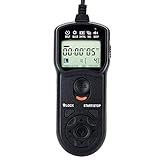
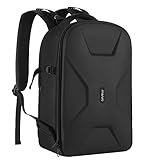
Six items worth packing for aurora photography across any of the 12 destinations; cold-rated batteries plus a sturdy tripod are the two single highest-impact purchases for capturing the lights.

![LISEN CCC Certified [Metal Alloy] 20000mAh Power Bank for 40+ Hours of Extra Power...](https://m.media-amazon.com/images/I/31lqFSVcibL._SL160_.jpg)


Recommended blogs to read:
- best time to visit Finland for northern lights
- things to do in Lapland
- things to do in Rovaniemi
- Finnish kaamos winter darkness
- Lapland holidays ideas
The 12 Best Northern Lights Destinations in Finland
The 12 destinations rank roughly from most northerly (highest base aurora odds) to least, with accommodation tier, latitude, and the specific reason each location earns its place in the list. Pick the destination that matches your budget, your tolerance for remote access logistics, and your priority between maximum aurora odds and stronger tour-operator infrastructure.
1. Utsjoki (Latitude 69.9°N)
Utsjoki is Finland’s northernmost municipality, sitting on the border with Norway at 69.9°N latitude. Aurora is visible on approximately 200 clear nights per year here, which is the highest base frequency anywhere in Finland. The trade-off is access: Utsjoki has no major airport, requires either a 5-hour drive north from Ivalo or a connecting bus, and has limited accommodation (3 small hotels and a handful of guesthouses). Stay at Utsjoki Lapland Hotel (€140 to €220 per night) for the simplest base. The remoteness means almost zero light pollution and the strongest realistic aurora odds in Finland; the trade-off is the longer travel time and fewer activity options beyond aurora itself.
2. Inari (Latitude 68.9°N)
Inari is the cultural and administrative center of Finnish Sami territory and one of the strongest aurora bases in the country. The village sits on the shore of Lake Inarijarvi (Finland’s third-largest lake) and the lake reflections during aurora events produce the iconic Finnish aurora photo. Stay at Wilderness Hotel Inari (€280 to €380 per night) or one of the smaller guesthouses around €110 to €160. Bus connection from Saariselka runs daily; rental car is optional. Inari also delivers the Sami-culture day at Siida Museum (€15 entry) that other aurora-focused destinations cannot match, which earns it the dual-purpose pick for cultural-depth travelers who want more than just the lights themselves.
3. Saariselka (Latitude 68.4°N)
Saariselka is the most-developed aurora resort destination in northern Finland with strong tour infrastructure plus the glass-roof cabins at Northern Lights Village (€420 to €650 per night) and Kakslauttanen East Village (€500 to €800 per night). The location sits well inside the Arctic Circle and delivers materially better aurora odds than Rovaniemi (170 to 190 clear-night aurora visibility per year). Saariselka is accessible via Ivalo Airport (30 km north) with direct Finnair flights from Helsinki. The combination of strong infrastructure plus high aurora odds makes Saariselka the right pick for first-time travelers who want both the tour layer and the latitude advantage.
4. Kakslauttanen Arctic Resort (Latitude 68.4°N)
Kakslauttanen Arctic Resort, between Ivalo and Saariselka, is the most famous glass-igloo resort in Finland and arguably the world. The igloos themselves are the headline draw; pricing runs €500 to €900 per night depending on igloo type (standard glass, kelo-glass with traditional wood frame, or the larger 4-person family option). The resort includes its own husky kennel, reindeer farm, and Santa Claus visit, which reduces the need to travel for activities. Aurora odds match Saariselka given the equivalent latitude. The premium pricing reflects the brand and the all-in resort model rather than fundamentally better aurora odds than Saariselka’s slightly cheaper Northern Lights Village.
5. Ivalo (Latitude 68.6°N)
Ivalo is the small town that hosts the airport gateway to far-northern Lapland. The town itself has limited tourist infrastructure but works as a budget alternative to Saariselka or the Kakslauttanen-tier glass igloo resorts. Stay at Hotel Ivalo (€110 to €170 per night) or one of the Lake Inari cabin rentals south of town (€130 to €220 per night). Aurora odds match Saariselka given the equivalent latitude. The trade-off is fewer tours running from Ivalo directly; most travelers shuttle 30 km north to Saariselka for activities. Budget travelers and independent road-trippers find Ivalo the right base for the price-vs-experience math.
6. Muonio (Latitude 67.9°N)
Muonio is the smaller-traffic alternative to Levi and Yllas, sitting just outside the Pallas-Yllastunturi National Park. The location delivers strong aurora odds (160 to 180 clear-night visibility per year) at materially lower accommodation pricing than the major resort towns. Stay at Harriniva Adventure Resort (€220 to €380 per night including some activities) or the smaller Aurora Estate guesthouses (€140 to €220 per night). The Pallas-Yllastunturi area is also Finland’s best ranked dark-sky destination outside the far north, with formal dark-sky park certification and protected light-pollution standards. The compound effect: high aurora odds plus quiet base plus dark-sky compliance makes Muonio one of the most under-rated picks on the entire list.
7. Levi (Latitude 67.8°N)
Levi is the largest ski resort in Finland and the most-traveled Lapland destination after Rovaniemi. Aurora odds run 150 to 170 clear-night visibility per year. Stay at Levi Hotel Spa (€180 to €280 per night), Hotel Levi Panorama (€220 to €340), or one of the dozens of cabin rentals on the slopes. The ski-resort infrastructure makes Levi the right pick for travelers combining aurora viewing with daytime skiing (December through April). The downside: more ambient light pollution than smaller aurora-focused destinations, which can mute weaker aurora events. Most aurora chase tours from Levi drive 30 to 60 km away from the resort core to escape the light pollution before viewing.
8. Yllas (Latitude 67.6°N)
Yllas is the quieter sister-resort to Levi (smaller, less commercial, with a stronger nature-immersion focus). The location sits inside the Pallas-Yllastunturi National Park and benefits from formal dark-sky park certification that limits light pollution around the resort. Aurora odds run 150 to 170 clear-night visibility per year. Stay at Yllas Saaga (€180 to €280 per night), L7 Luxury Lodges (€280 to €420), or self-catering cabin rentals (€140 to €240). Yllas works particularly well for travelers combining cross-country skiing (the resort has 250 km of groomed trails) with aurora viewing, where the slower-paced base earns its premium over the busier Levi alternative.
9. Pyha-Luosto (Latitude 67.1°N)
Pyha-Luosto sits between Rovaniemi and the far north, offering a quieter aurora-viewing base than Rovaniemi without the longer travel to Saariselka or Inari. The two villages of Pyha and Luosto sit 35 km apart inside the Pyha-Luosto National Park, with strong cross-country ski trails and a unique amethyst mine open for tours. Stay at Hotel Pyha (€140 to €240 per night) or Hotel Aurora (€180 to €280 per night). Aurora odds run 140 to 160 clear-night visibility per year. The destination earns its place on the list as the quietest mid-latitude option that combines aurora viewing with national park access for travelers who want hiking-and-aurora bundled rather than the resort-focused alternatives.
10. Salla (Latitude 66.8°N)
Salla is officially marketed as “The Wilderness of Nothingness,” which is meant as a compliment. The small ski resort and outdoor-activity base sits near the Russian border in eastern Lapland and offers the lowest-light-pollution aurora viewing in the inhabited mid-latitude region. Aurora odds run 140 to 160 clear-night visibility per year. Stay at Holiday Club Salla (€140 to €240 per night) or one of the smaller cabin operations (€110 to €180 per night). Salla also hosts strong reindeer farm operations (the small Sami-family farms here are particularly recommended) and a quiet ski-resort layer for travelers wanting low-traffic Lapland without the far-northern travel logistics.
11. Rovaniemi / Apukka Resort (Latitude 66.5°N)
Rovaniemi is the official capital of Lapland and the most-accessible aurora base in Finland (direct Finnair flights from Helsinki plus the Santa Claus Express sleeper train). Aurora odds run 120 to 150 clear-night visibility per year, which is meaningfully lower than the far-northern alternatives but offset by the stronger tour-operator and accommodation infrastructure. For aurora viewing specifically, stay at Apukka Resort 15 km outside the city center (€280 to €450 per night for glass-roof rooms) or at Arctic Light Hotel in the city center (€160 to €220 per night) and join chase tours. Rovaniemi is the right pick for first-time visitors who want the Santa Claus Village plus aurora combination without the deeper Lapland travel logistics.
12. Posio (Latitude 66.1°N)
Posio is the southernmost destination on this list and sits at the gateway to Riisitunturi National Park, home to the famous snow-laden tree photographs that dominate Finnish winter postcards. Aurora odds run 110 to 140 clear-night visibility per year (the lowest on this list but still meaningfully better than non-Arctic-Circle locations). Stay at Holiday Club Salla (€140 to €240 per night) or one of the smaller Riisitunturi cabin rentals (€110 to €180 per night). Posio earns its place for the photographic combination of aurora plus snow-trees in the same trip, which makes it a strong pick for travelers prioritizing landscape photography over pure aurora frequency.
The Latitude, Light Pollution, and Clear Night Triple Filter
Aurora visibility breaks into three independent factors that compound: latitude (how high above the 60°N line you are), light pollution (how dark the immediate sky is), and clear nights (how often cloud cover blocks the view). Latitude is the strongest base factor: every degree of latitude above 65°N roughly doubles your aurora-frequency base rate. Light pollution multiplies on top of latitude: a dark-sky-certified destination at 67.5°N outperforms a brightly-lit resort at 68.5°N for visible aurora event count. Clear nights are the weather variable you cannot control; February averages 14 to 18 clear nights per month across Lapland, compared to 8 to 12 in November and 16 to 20 in March.
The practical implication: pick the destination that maximizes the multi-factor product, not just the single factor. Utsjoki at 69.9°N has the highest latitude but limited accommodation; Inari at 68.9°N matches it for latitude with stronger infrastructure; Muonio at 67.9°N delivers higher light-pollution-adjusted odds than Levi at 67.8°N because of dark-sky certification. Plan for 3 to 5 viewing nights minimum across the trip to push your statistical probability above 90 percent; even Utsjoki has occasional cloudy stretches that cancel multiple consecutive nights.
Combining the Finland aurora trip with Stockholm, Norway’s Tromso, or a Baltic-coast extension and trying to align multi-country aurora-base sequencing?
The Ultimate Europe Trip Planner sequences the multi-country aurora trip in one editable document.
Frequently Asked Questions
Where is the single best place to see the Northern Lights in Finland?
Saariselka and Inari deliver the highest realistic aurora odds combined with accessible accommodation infrastructure. Utsjoki has higher pure aurora frequency but limited tour and lodging options. For first-time Finland aurora travelers, Saariselka with a glass-roof cabin at Northern Lights Village is the optimal pick. For the Sami-culture-plus-aurora combination, Inari is the right base.
When is the best month for Finland aurora viewing in 2026?
Late January through mid-March delivers the optimal aurora-snow-pricing combination. February has the strongest statistical aurora odds due to equinox geomagnetic boost. March adds noticeably longer daylight as a bonus. The 2026 solar cycle position keeps geomagnetic activity well above long-term average through the year, making even shoulder months stronger than typical. Avoid December 18 to January 7 when Christmas peak pricing triples accommodation cost.
Do I need to be above the Arctic Circle to see the lights?
Not strictly, but odds drop substantially below 66.5°N (the Arctic Circle line). Rovaniemi sits at exactly the Arctic Circle and sees aurora on 120 to 150 clear nights per year; Helsinki at 60°N sees visible aurora 10 to 15 nights per year, almost all during strong geomagnetic events. For trip-planning purposes, treat the Arctic Circle as the minimum baseline; anywhere further north dramatically improves odds.
How many nights should I budget for aurora viewing?
3 to 5 viewing nights minimum to push statistical probability above 90 percent across Finland Lapland. Even Utsjoki has occasional 2 to 3 night cloudy stretches; single-night trips carry meaningful risk of missing the aurora entirely. Most travelers book 3 nights at one base plus 2 to 3 nights at a second base, which covers weather variation and provides the redundancy needed for reliable viewing.
Are glass igloos worth the premium pricing?
Yes for the experience; partially worth it for the aurora-viewing math. Glass igloos let you watch from bed without going outside in -25C cold, which is the value proposition. The aurora odds from inside the cabin match an outdoor chase from the same location, but glass-igloo nights remove the late-night transit logistics. Budget €420 to €750 per night for the major resorts; one or two glass-igloo nights bracketed by standard hotel nights manages the budget without sacrificing the experience.
Is 2026 a good year for aurora viewing?
Yes. Solar Cycle 25 peaked in October 2024 with stronger-than-predicted activity, and NOAA forecasts geomagnetic activity well above long-term average through 2026 and into 2027. The cycle’s declining phase can produce strong flares for years after peak; 2026 sits firmly in the elevated-activity window. Book early for the high-demand February and March dates.
Key Takeaways
- The 70°N latitude line splits Finland; above it aurora is essentially nightly on clear nights, below it weather and KP-index matter more.
- Top picks: Utsjoki (highest aurora frequency, hardest access), Inari (Sami culture + aurora), Saariselka (best infrastructure + high odds), Kakslauttanen (premium glass-igloo headline).
- Triple-filter framework: latitude × light pollution × clear nights. Pick destinations that maximize the product, not just one factor.
- Budget 3 to 5 viewing nights to push statistical aurora-sighting probability above 90 percent across Lapland latitudes.
- 2026 is a strong year due to elevated post-Solar-Cycle-25 geomagnetic activity; book glass-roof cabins 6 to 9 months ahead for February and March dates.
Final Thoughts
Finland delivers some of the most reliable Northern Lights viewing on Earth, and the 12 destinations above cover every realistic aurora-trip profile from budget Ivalo to premium Kakslauttanen. Pick the destination that matches your trade-off between aurora odds and access logistics, book 3 to 5 viewing nights minimum, and treat the 2026 solar cycle position as a once-per-11-year bonus that should not be missed. The aurora is the headline, but the cumulative trip experience (Sami culture, husky sledding, sauna, glass-igloo nights) is what travelers remember years later.
For more on the Lapland trip context, the winter in Finland overview covers the climate baseline, and the 10-day Finland and Lapland itinerary covers the deeper trip structure with multiple aurora-base nights.
Visit the northern lights photography Finland guide for the camera-and-tripod setup.