
To travel Europe by train book city-to-city point-to-point tickets 30+ days ahead for 30 to 50% savings (TGV, AVE, Frecciarossa, ICE), use ÖBB Nightjet or European Sleeper for overnight cross-border trips, and book regional tickets day-of. The Eurail Global Pass starts at $231 youth/$308 adult and makes sense at 4+ international long-distance trains.
The Paris-Lyon TGV hits 320 km/h. The French countryside outside the window blurs into one long green ribbon. Three hours after leaving Gare de Lyon you’re sitting at a café terrace in Vieux Lyon eating quenelle de brochet. No airport security, no luggage limits, no rental car, just trains that arrive on time and drop you in city centers.
Traveling Europe by train in 2026 is in the best shape it’s been in years. European Sleeper just launched Paris-Berlin on March 26 and adds Brussels-Milan on September 9. ÖBB Nightjet rolled out 33 new seven-car sets with Mini Cabin single-occupant compartments. Spanish rail competition (Iryo, Ouigo) dropped Madrid-Barcelona fares to €19. The Eurail Global Pass for adults at $308 covers 4 days in a month across 33 countries.
Travelling Europe by train comes down to four moves: when to book point-to-point vs the Eurail Pass, the night-train renaissance, the 2026 booking apps that matter, and the routes worth taking just for the journey.
Saving for the train trip across Europe and want a real system?
The Ultimate Budget Planner walks you through saving for the trip with monthly targets, real cost categories, and the math that gets you there.
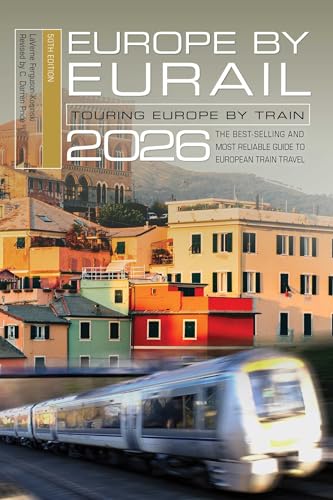
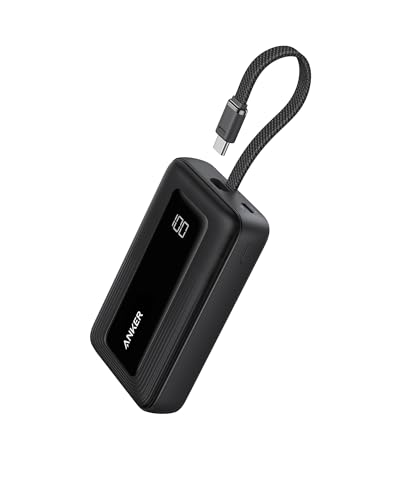
Recommended Europe Train Travel Essentials


Recommended blogs to read
- Europe Train Planner / Interrail Trip Guide
- The Complete Europe Trip Guide
- Things to Do in Paris, France
- Things to Do in Florence, Italy
- Europe Travel Tips
Which European High-Speed Trains Matter?
TGV (France)
The original high-speed train. Paris to Lyon in 2 hours, Paris to Marseille in 3:15, Paris to Bordeaux in 2 hours. TGV inOui is the standard high-speed service. Ouigo is the budget TGV with fares from €19 (less comfortable, no food, limited luggage). Book at SNCF Connect 30+ days ahead.
AVE, Iryo, and Ouigo (Spain)
Spanish high-speed rail competition dropped fares hard. Madrid to Barcelona in 2:30 on AVE (the incumbent), Iryo (Italo-backed, 21% market share), or Ouigo (SNCF, ~13%). Fares from €19 on the budget operators. AVE remains the most comfortable but Iryo is the fast-growing option with newer trains.
Frecciarossa and Italo (Italy)
Milan to Rome in 3:00, Rome to Florence in 1:30, Rome to Naples in 1:10. Frecciarossa (Trenitalia) and Italo are competitive on the same routes with similar pricing. Italo is privately operated and slightly cheaper on advance fares (€19 to €39). Frecciarossa expanded the Paris-Lyon-Milan service.
ICE (Germany)
Frankfurt to Berlin in 4 hours, Munich to Hamburg in 6 hours. Deutsche Bahn’s high-speed network connects all major German cities and crosses into Switzerland, Austria, Belgium, and the Netherlands. Book at bahn.de 6 months ahead for the Sparpreis (saver fares from €19 to €29).
Eurostar (London cross-Channel)
London St Pancras to Paris Gare du Nord in 2:20, Brussels in 2:00, Amsterdam in 3:50. Faster than the flight after airport time. Fares from €52 advance, €280+ last-minute. Book at eurostar.com 3+ months ahead for the best rates.
When Should You Use the Eurail Pass vs Point-to-Point?
The Eurail Global Pass 2026 prices: Youth (under 28) from $231, Adult from $308, Senior from $278 for 4 days within a month across 33 countries.
Eurail wins when
Your trip includes 4+ international long-distance trains in a month, especially crossing borders (Paris-Brussels-Amsterdam-Berlin). The pass also wins for flexibility, you don’t lock specific dates upfront, which matters if you’re winging the itinerary.
Point-to-point wins when
You have a fixed 3-city itinerary with just two train segments (Rome-Florence-Venice). Advance fares booked 30+ days out beat the pass on price. Italo Milan-Rome at €19 advance beats the per-day Eurail math.
The hidden cost
Many high-speed trains (TGV, AVE, Italo) require seat reservations on top of the Eurail Pass, typically €10 to €30 per segment. Some are sold out by the time you try to reserve, which can break the pass strategy on peak-season weekends.
What Night Trains Run Across Europe?
The night train renaissance is real. Three networks matter.
ÖBB Nightjet
The Austrian-led night train network covers 30+ routes across Central Europe. Vienna to Hamburg, Munich to Rome, Zurich to Amsterdam, Berlin to Vienna. Newest fleet (33 new seven-car sets rolling out through 2026) includes Mini Cabin single-occupant compartments, a first in European sleeper history. Book at nightjet.com. Couchette from €69, single cabin from €189.
European Sleeper
The newer Dutch-Belgian operator. Brussels-Amsterdam-Berlin-Prague launched. Paris-Berlin via Hamburg added March 26, 2026 (Sun/Tue/Thu eastbound, Mon/Wed/Fri westbound; Hamburg stop added July 12-13). Brussels-Milan via Liège, Zurich, and Como launches September 9, 2026 (3x weekly, sales open March 17, 2026). Couchette fares from €79.
Other regional night trains
SJ Snälltåget runs Stockholm-Hamburg-Berlin in summer. Trenitalia operates a few overnight routes within Italy (Rome-Sicily, Milan-Reggio Calabria). Caledonian Sleeper runs London-Edinburgh and London-Inverness with full sleeper cabins. Lower frequency than ÖBB Nightjet, useful for the right route.
Which Apps Should You Use to Book Trains?
Five apps cover almost every European train booking.
Trainline
The aggregator. Shows fares across multiple operators in one search. Excellent for cross-border journeys where you’d otherwise have to check two or three operator sites. Small booking fee (€1 to €2 per ticket) but the convenience usually wins.
SNCF Connect
French national operator app. Direct booking for TGV, Ouigo, and regional French trains. Best for trips inside France. Discount fares (TGV Max for under-27s, weekly pass for commuters) only available direct.
Bahn DB Navigator
Deutsche Bahn’s app. Best for German ICE and regional, plus the Deutschlandticket (€58/month unlimited local transit). Also handles cross-border to Austria, Switzerland, Belgium, and the Netherlands.
Renfe and Italo apps
Renfe for AVE, Avlo, and regional Spanish. Italo for Italian high-speed. Both have intuitive interfaces and the cheapest advance fares are operator-direct, not on Trainline.
Omio
Multi-modal aggregator covering trains, buses, and flights in one search. Useful when comparing modes. Higher booking fees than Trainline. Best when you’re not sure whether to take the train, FlixBus, or fly.
Want a real plan to save for the train trip?
The Savings Tracker’s Planner gives you monthly targets and the math to fund the trip without surprises.
Frequently Asked Questions
How do you travel Europe by train?
Book city-to-city point-to-point tickets 30+ days ahead for 30 to 50% savings (TGV, AVE, Frecciarossa, ICE). Use ÖBB Nightjet or European Sleeper for overnight cross-border trips. Book regional tickets day-of. Eurail Pass works at 4+ international long-distance trains in a month.
Is the Eurail Pass worth it?
Youth $231, Adult $308, Senior $278 for 4 days/month across 33 countries. Worth it for multi-country trips with 4+ international long-distance trains. Not worth it for 2-3 city trips where advance point-to-point fares beat the pass.
Are night trains coming back to Europe?
Yes. ÖBB Nightjet covers 30+ routes with 33 new seven-car sets rolling out through 2026 (Mini Cabin single compartments included). European Sleeper launched Paris-Berlin March 26, 2026 and Brussels-Milan September 9, 2026.
What’s the fastest European train route?
French TGV M (the newest generation) hits 320 km/h. Paris-Lyon in 2 hours. The London-Paris Eurostar in 2:20 is the fastest international route door-to-door including security. Madrid-Barcelona AVE in 2:30. Milan-Rome Frecciarossa in 3 hours.
What’s the best app for booking European trains?
Trainline for cross-border aggregation. SNCF Connect for France, Bahn DB Navigator for Germany, Renfe for Spain, Italo for Italy, all direct for cheapest advance fares. Omio for multi-modal (train vs bus vs flight) comparison.
Can you travel between any two European cities by train?
Almost. The high-speed network is densest in France, Spain, Italy, Germany, the Benelux, and Switzerland. Eastern Europe (Poland, Czech Republic, Hungary, Romania) has slower but functional rail. Scandinavia outside major cities is sparser. Iceland and most islands aren’t connected.
Key Takeaways
- High-speed trains drop European cities to 2 to 4 hours apart. Book 30+ days ahead for €19 to €29 fares.
- Eurail Global Pass 2026: Youth $231, Adult $308, Senior $278 for 4 days/month. Worth it at 4+ international long-distance trains.
- Night-train renaissance: ÖBB Nightjet 30+ routes with new Mini Cabin compartments. European Sleeper added Paris-Berlin March 2026, Brussels-Milan September 2026.
- Apps: Trainline for cross-border, SNCF Connect for France, Bahn DB Navigator for Germany, Renfe for Spain, Italo for Italy, Omio for multi-modal.
Final Thoughts
Traveling Europe by train in 2026 is the smartest single transit decision most US travelers make. Cities drop to 2 to 4 hours apart on the high-speed network. The night-train revival adds overnight options that swap a hotel for forward motion. Book advance, use the right app per country, take at least one night train per trip. The Eurail Pass works for multi-country itineraries with 4+ long-distance trains; point-to-point wins for 2-3 city trips. Either way, you’ll spend less time at airports than anyone you know.