Japandi furniture is low, warm, and pared back: light wood, woven fiber, linen, and clean lines. The 15 pieces below build a calm, warm room, plus the negative-space rule that ties the whole look together.
Japandi is what happens when Japanese minimalism meets Scandinavian warmth, calm, low, natural, and quietly beautiful. The furniture is where the look lives, and the trick is not just which pieces you choose but how few of them you use. A japandi room is defined as much by the empty space as by the furniture in it.
The 15 pieces below cover the seating, tables, storage, and surfaces that make a room japandi, with notes on what makes each one work. The section at the end covers the negative-space rule that holds the whole calm, warm look together.
Furnishing a japandi room and not sure where to start?
The Aesthetic Apartment Makeover Guide walks you through a room in the right order, so a calm, warm room comes together as one considered space.

Recommended Japandi Furniture
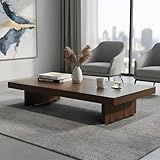
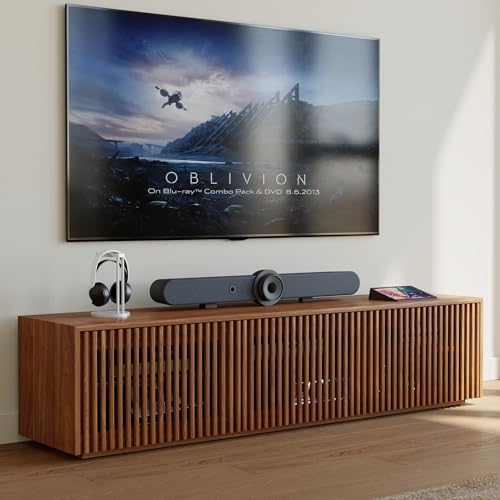
Six pieces that anchor a japandi room, from a low linen sofa to slatted wood and woven seating.





Recommended blogs to read:
What Makes Furniture Japandi
Japandi furniture is low, clean-lined, and made from warm natural materials. It sits close to the floor, the way Japanese furniture does, and it has the simple, functional shapes of Scandinavian design. The materials are warm and natural, light and mid-tone wood, rattan, cane, linen, paper, and the finishes are matte rather than glossy.
The other defining trait is restraint. Japandi furniture is chosen sparingly, every piece earns its place, and the room is never crowded. It overlaps with zen and mid-century, so our guide to zen modern decor is a useful companion, and the japandi living room guide shows the furniture working in context.
One rule before the list: warm, not cold. Japandi can tip into cold and bare if the woods go grey and the palette goes stark. Keep the wood tones warm and the textiles soft, and the minimalism reads calm and inviting rather than clinical.
15 Japandi Furniture Pieces
Choose a few of these, not all of them. The section after the list covers the negative-space rule.
1. A Low-Profile Linen Sofa



The japandi living room anchor. A low sofa with clean lines, in a soft warm-neutral linen, captures both the floor-close Japanese profile and the simple Scandinavian shape. The linen brings warmth and a relaxed, lived-in texture. If a new sofa is out of reach, a linen slipcover in oat or warm grey transforms a plain one and gets most of the way there.
2. A Light Wood Accent Chair


A chair with a visible light or mid-tone wood frame and a simple shape is core japandi seating. The exposed wood brings warmth and craft, and the clean lines keep it calm. Look for something with a low profile and a woven, cane, or linen seat, and one well-chosen wood chair beside the sofa adds a second texture without crowding the room.
3. A Low Wood Coffee Table


The coffee table sits low and simple in a japandi room, a plain wood rectangle or a soft organic shape, close to the floor. It reinforces the low, grounded feeling the look depends on. Keep it lightly styled, one ceramic, one stack of books, plenty of bare surface, so the table reads calm rather than cluttered, which is the whole point.
4. A Slatted Wood Console


A slatted wood console or sideboard brings storage and warm vertical texture in one calm piece. The slats are a recognizable japandi detail, clean and rhythmic, and the warm wood grounds a wall. A console hides the clutter a room collects behind simple doors, and styled with just one or two objects on top, it stays quiet and uncrowded.
5. A Woven Rattan Bench

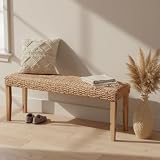

A low woven rattan or cane bench is a flexible japandi piece, extra seating, a surface, a spot for a folded throw at the end of a bed. The natural woven fiber brings warmth and texture, and the low simple shape suits the look. A bench is also lighter, visually and physically, than a chair, so it adds function without filling the room.
6. Linen Floor Cushions


Floor cushions in soft warm-neutral linen bring the Japanese habit of low, ground-level living into a japandi room. They are flexible, casual seating that tucks away easily, and they reinforce the low, grounded feeling. A couple of linen floor cushions by a low table or a window add comfort and texture without the visual weight of more furniture.
7. A Platform or Low Bed


In the bedroom, a low platform bed in warm wood is the japandi anchor. Its closeness to the floor is pure Japanese influence, and the simple wood frame is pure Scandinavian. A low bed makes the whole room feel calmer and more grounded, and it leaves the walls and the space above it open, which is central to the look.
8. A Simple Wood Dining Table

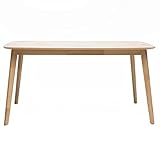

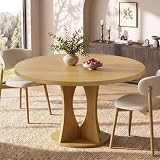
A japandi dining table is plain, warm wood with clean lines, no ornament, no heavy detail. It can sit at standard height or lower, but the shape stays simple and the wood stays warm. Paired with a few light wood or woven chairs, it makes a calm, uncluttered dining space, and a matte oiled finish suits the look better than a high gloss.
9. Woven Storage Baskets


Japandi keeps clutter out of sight, and woven storage baskets do that with warmth and texture. Seagrass, rattan, or woven fiber baskets hold the everyday things a room accumulates while reading as natural, calm objects in their own right. A few baskets are a cheap, practical way to keep a japandi room uncluttered without adding hard furniture.
10. A Low Open Shelf


A low, simple wood shelf, styled sparingly, gives a japandi room a place for a few chosen objects, a ceramic, a small plant, a stack of books. The key word is sparingly, a japandi shelf is mostly empty space with a few considered things, the opposite of a densely packed bookshelf. The restraint is what makes the shelf read calm.
11. A Paper or Rice-Paper Screen

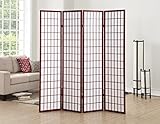


A folding paper screen, or a rice-paper panel, is a direct piece of Japanese influence in a japandi room. It softly divides a space, filters light, and adds a quiet, textural element without the weight of a solid wall. A simple wood-framed paper screen is a calm, functional piece that zones an open room while keeping it light.
12. A Pair of Nesting Tables

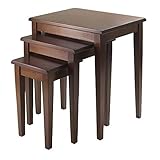
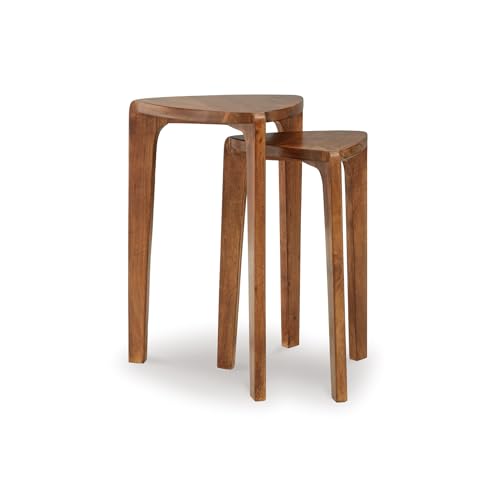
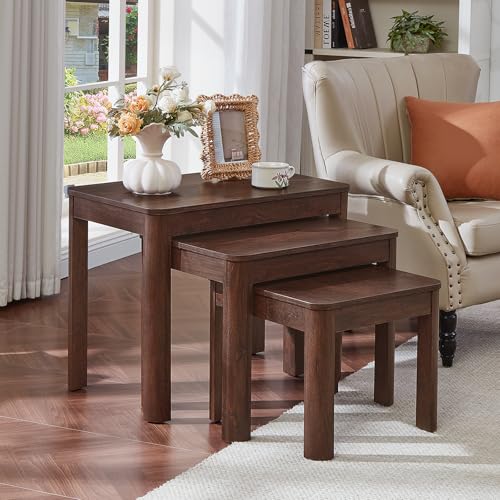
Simple wood nesting tables suit japandi because they are flexible and tuck away, two surfaces that take the space of one when not needed. The clean shapes and warm wood fit the look, and the nesting design reflects the japandi value of getting more function from less furniture. They are a quiet, practical piece for a small calm room.
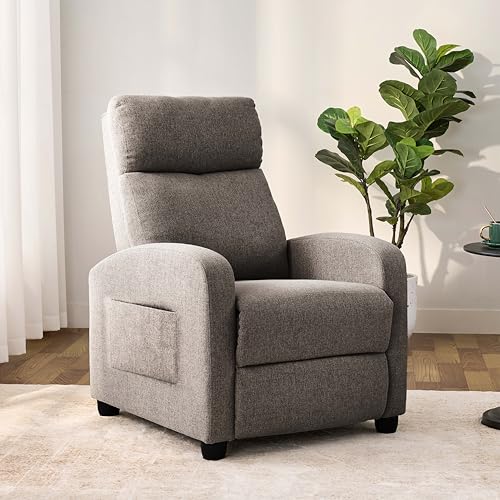
13. A Low Lounge Chair


A low, simple lounge chair, wood-framed with a linen or woven seat, gives a japandi room a comfortable spot to sit and rest without the bulk of a heavy armchair. The low profile keeps the room feeling open and grounded. Look for a shape that is comfortable but visually light, since japandi seating should never dominate the space it sits in.
14. A Simple Wood Bed Bench


A plain wood or woven bench at the foot of the bed is a quietly useful japandi piece, a place to sit, a surface for a folded blanket. The simple low shape suits the bedroom’s calm, and it adds function to the space without crowding it. Keep it plain, no ornament, no upholstery beyond a simple linen pad if any.
15. A Single Statement Wood Piece


Every japandi room can take one piece with a little more presence, a sculptural wood chair, a beautifully grained cabinet, a craftsman-made stool. It is not loud, but it is special, and in a pared-back room one quietly remarkable piece holds the eye. The restraint of the rest of the room is what lets that single piece quietly shine.
Want the room to tie into the rest of the home?
The Aesthetic Apartment Makeover Guide breaks the whole home down room by room, so every space ties into one cohesive scheme. Worth every penny at $17, and the price goes up to $27 soon.
The Negative-Space Rule
The rule that ties japandi furniture together is that empty space is part of the design. A japandi room is not a minimalist room with japandi-style furniture crammed in, it is a room where the bare floor, the clear surfaces, and the open walls are as deliberate as the pieces. Every empty stretch is doing visual work, giving the eye somewhere to rest and the few chosen pieces room to be seen.
In practice, that means choosing fewer pieces than feels normal and resisting the urge to fill. Buy the sofa, the chair, the low table, the console, and then stop, leave the corner empty, leave the wall mostly bare, leave the surfaces clear. Japandi rewards the discipline of under-furnishing. A room with a little too little reads calm and considered, while a room with a little too much loses the whole point. For the affordable path to building it this way, our guide to japandi on a budget covers it in detail.
Frequently Asked Questions
What is japandi furniture?
Japandi furniture is low, clean-lined, and made from warm natural materials, blending Japanese minimalism with Scandinavian warmth. It sits close to the floor, uses light and mid-tone wood, rattan, cane, and linen, has simple functional shapes and matte finishes, and is chosen sparingly.
Does japandi furniture have to be wood?
Wood is central, but not the whole story. Japandi furniture leans heavily on warm light and mid-tone wood, but it also uses rattan, cane, woven fiber, linen, and paper. The key is warm natural materials with matte finishes and simple shapes, not wood specifically.
How much furniture should a japandi room have?
Less than feels normal. Japandi treats empty space as part of the design, so choose fewer pieces than you would expect and resist the urge to fill. A room with a little too little reads calm and considered, while one with a little too much loses the whole point of the look.
How do I do japandi furniture on a budget?
Use a linen slipcover to transform a plain sofa, thrift simple light wood pieces and woven baskets, and choose flexible multi-use pieces like benches and nesting tables. Since japandi uses few pieces, the budget goes further, and decluttering what you already have costs nothing.
How do I mix light and dark wood in japandi?
Let one wood tone dominate and use the other as an occasional accent, rather than splitting the room evenly. Keep both tones warm rather than cold or grey, and limit the room to two wood tones at most so the mix reads calm and intentional rather than busy.
Key Takeaways
- Japandi furniture is low, clean-lined, and made from warm natural materials, blending Japanese minimalism with Scandinavian warmth.
- The 15 pieces range from a low linen sofa and light wood chairs to slatted consoles, woven benches, and floor cushions.
- Keep the wood tones warm and the textiles soft, so the minimalism reads calm and inviting rather than cold and clinical.
- The negative-space rule is central, empty floor, clear surfaces, and bare walls are as deliberate as the furniture itself.
- Choose fewer pieces than feels normal and resist the urge to fill, since japandi rewards the discipline of under-furnishing.
Final Thoughts
Japandi furniture is low, warm, natural, and chosen with restraint, the calm meeting point of Japanese minimalism and Scandinavian warmth. Anchor a room with a low linen sofa and a few light wood and woven pieces, keep the tones warm, and then stop, leaving the empty space to do its work. Under-furnish on purpose, and a japandi room reads calm and considered. When you are ready for the rest of the room, the japandi color palette guide and the japandi wall decor guide cover color and walls in full.