
Japandi wall decor is calm and minimal: one large piece of art, a woven hanging, a round wood mirror. The 15 ideas below fill a wall the japandi way, plus the less-on-the-wall principle that holds it together.
Japandi walls are the opposite of a gallery wall. Where most aesthetics fill walls with layers, japandi leaves them mostly bare and lets one or two carefully chosen pieces hold the room. The empty wall is not unfinished, it is the point, and learning to leave space is the hardest and most important part of japandi wall decor.
The 15 ideas below cover the art, the textiles, the mirrors, and the calm ways to treat a japandi wall. The section at the end covers the less-on-the-wall principle that ties the whole minimal approach together.

Recommended Japandi Wall Decor
Six pieces that suit a calm japandi wall, from a single large artwork to a round wood mirror.




Recommended blogs to read:
What Makes Wall Decor Japandi
Japandi wall decor is defined by restraint, natural materials, and calm. Where other aesthetics layer walls densely, japandi uses one large piece, or a small handful of carefully spaced ones, and lets the bare wall around them breathe. The pieces are quiet, abstract art in muted tones, woven fiber, ceramics, plain wood frames, never loud or busy.
The materials match the rest of the look, warm wood, linen, paper, woven fiber, ceramic, and the palette stays in the warm-neutral japandi range. It shares the quiet wall approach of zen styling, so our guide to zen chic decor is a useful companion, and the japandi living room guide shows calm walls in context.
One rule before the list: when in doubt, hang less. The most common japandi wall mistake is putting up too much. A wall with one well-placed piece and a lot of calm space around it reads more japandi than a wall with five.
15 Japandi Wall Decor Ideas
Use only a few of these per room. The section after the list covers the less-on-the-wall principle.
1. One Large Piece of Art




The signature japandi wall move. A single large piece of art, abstract, muted, calm, holds a whole wall on its own, no gallery arrangement needed. It should be quiet in subject and color, a soft abstract, a minimal landscape, a simple ink-style work. One large piece with bare wall around it is the most japandi way to treat a wall, and the easiest to get right.
2. A Woven Fiber Hanging


A woven fiber wall hanging brings warm, natural texture to a japandi wall without adding color or busyness. Keep it simple and undyed, natural cream, oat, or pale tones, with a calm weave rather than an elaborate one. A single woven hanging on an otherwise bare wall adds the handcrafted, tactile warmth japandi loves while staying quiet.
3. A Round Wood Mirror


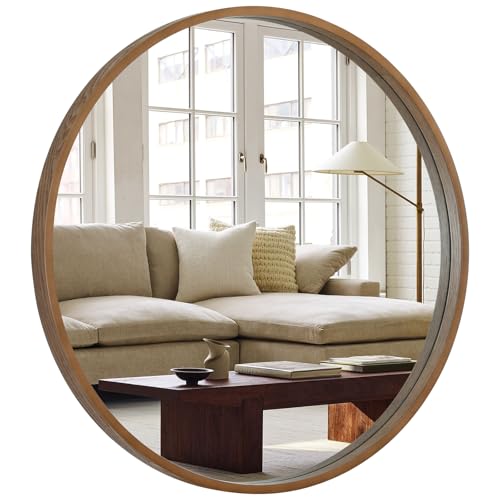
A round mirror with a simple light or mid-tone wood frame is a calm, functional japandi wall piece. The round shape softens a room of straight lines, the wood frame ties into the furniture, and the mirror bounces light and adds a sense of space. One round wood mirror is often all a japandi wall needs, doing both decorative and practical work.
4. A Small Set of Wood-Framed Prints


If you want more than one piece, a small set of two or three wood-framed prints, evenly spaced with generous gaps, keeps it calm. The prints should be quiet and related, muted abstracts, simple botanical line drawings, and the plain wood frames tie them together. The key is generous spacing, so the set still reads as restraint rather than a gallery wall.
5. A Linen or Fabric Hanging

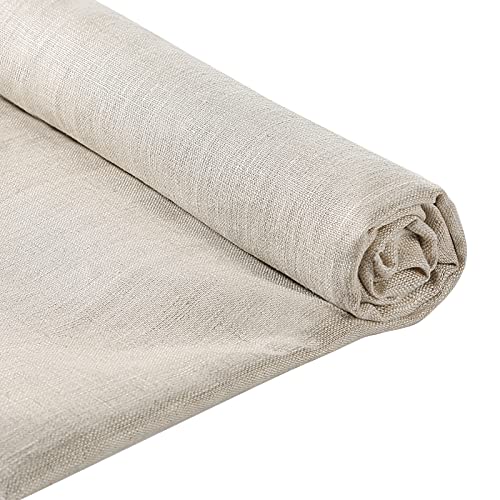

A simple panel of natural linen or undyed fabric, hung from a plain wood dowel, is a quietly japandi wall piece. It brings soft texture and a gentle, draping shape without pattern or color. A linen hanging softens a hard wall and dampens sound, and its plainness is exactly the point, it adds presence without adding visual noise.
6. Ceramic Wall Pieces


A small grouping of ceramic wall pieces, plates, discs, or simple sculptural forms in matte earthy glazes, brings craft and subtle dimension to a japandi wall. Keep them tonal and few, three at most, in the warm-neutral palette. Ceramic wall decor reads handmade and calm, and the slight three-dimensionality adds quiet interest without breaking the minimalism.
7. A Floating Wood Shelf, Barely Styled


A single floating wood shelf, styled with just one or two objects and a lot of empty space, is japandi wall decor in itself. The shelf might hold one ceramic vase and a small stack of books, no more. The discipline of leaving most of the shelf bare is what makes it read japandi rather than like ordinary open storage.
8. A Single Branch or Botanical


A single dried or fresh branch, in a simple wall-mounted vessel or laid on a ledge, brings a quiet piece of nature to a japandi wall. It is the Japanese ikebana spirit pared right back, one elegant line rather than an arrangement. A bare branch against a bare wall is one of the most japandi things you can hang.
9. A Paper Wall Lantern

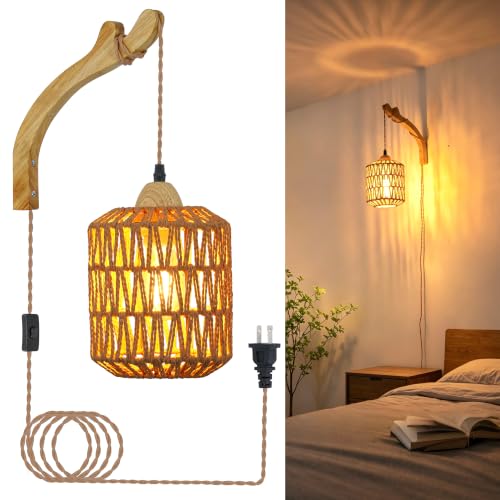

A paper wall light or a small paper lantern fixture brings soft, diffused glow and a direct piece of Japanese influence to a wall. The paper softens the light and reads warm and calm, and the fixture itself is quiet and sculptural. A paper wall lantern is wall decor and lighting in one, which suits japandi’s preference for pieces that do double duty.
10. An Empty, Considered Wall



Sometimes the most japandi choice is to leave the wall bare. A wall with nothing on it, especially behind a low piece of furniture or a sofa, gives the eye a place to rest and lets the room breathe. It is not a missing wall, it is a deliberate one, and a confident japandi room always has at least one fully empty wall.
11. A Wood Slat Accent Panel



A section of wood slat paneling brings warm vertical texture and a calm, rhythmic pattern to a japandi wall, without any art at all. The slats are quietly architectural, and the warm wood ties into the furniture. One slatted accent panel behind a bed or a sofa is enough, the texture does the work that a piece of art would otherwise do.
12. A Single Round Tray or Disc

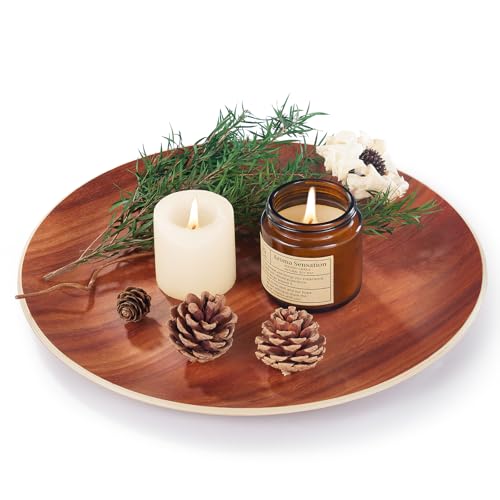
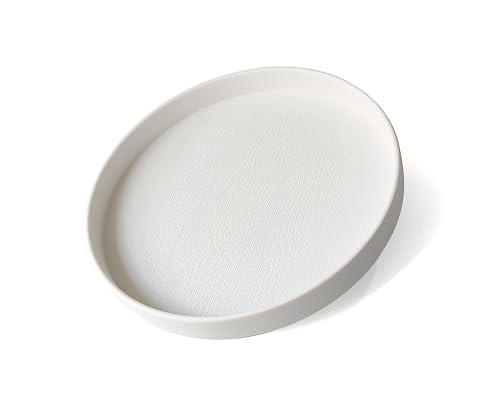

A single large round wooden tray or a flat woven disc, hung as a piece of art, brings a soft circular shape and natural material to a wall. It reads as a calm, sculptural object rather than a busy decoration. The round shape and matte natural finish are pure japandi, and one disc on a bare wall is a quiet, confident statement.
13. A Muted Abstract Diptych


Two related muted abstract panels, hung side by side as a diptych, give a wall a little more presence than a single piece while staying calm. The two pieces should share a palette and feel, and the gap between them should be small and even. A diptych in soft warm-neutral tones reads considered and quiet, the japandi way to scale up.
14. A Hanging Wood or Paper Mobile

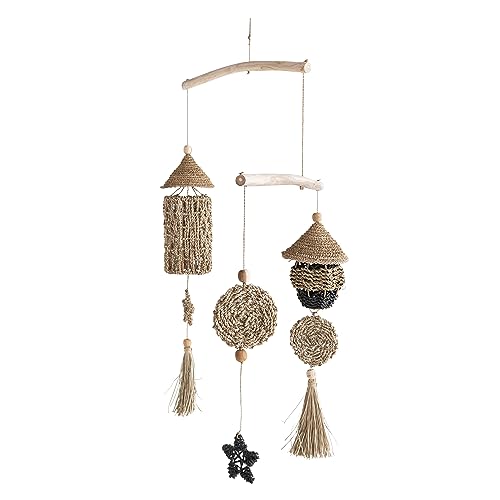


A simple wood or paper mobile, with a few quiet shapes balanced on thin lines, brings gentle movement to a japandi space. It reads calm and a little meditative, and it works in a corner or near a window where a draft sets it slowly turning. Keep it minimal, a few plain shapes, natural materials, never busy or colorful.
15. A Small Framed Textile

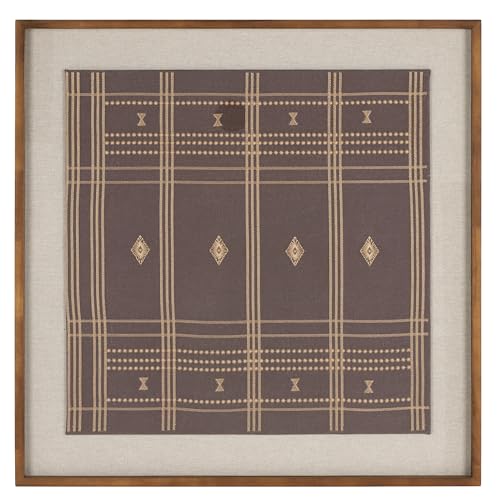
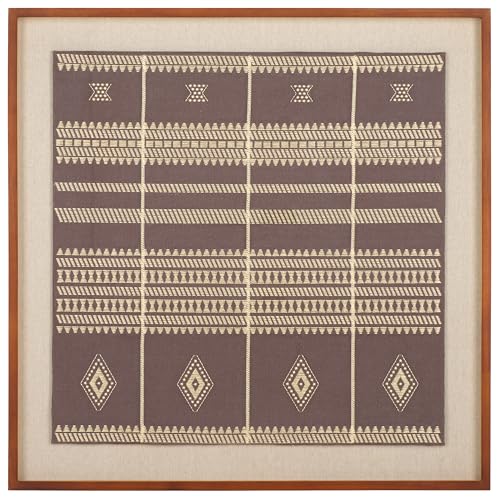

A small piece of natural textile, a square of handwoven cloth, a fragment of indigo-dyed fabric, simply framed in plain wood, brings craft and a touch of soft pattern to a japandi wall. It honors the handmade traditions both Japanese and Scandinavian design value. Kept small and quiet, one framed textile adds warmth without breaking the calm.
The Less-on-the-Wall Principle
The principle that holds japandi wall decor together is simple: less on the wall, more calm in the room. Most people instinctively fill a wall, and japandi asks you to do the opposite, to hang one considered piece and stop, to leave whole walls bare, to treat empty space as a finished, intentional choice rather than a gap to close.
In practice, give each room one wall with a single piece, maybe a second wall with a small spaced set or a mirror, and at least one wall left fully bare. Resist adding more, even when a wall feels empty, because that emptiness is what makes the room feel calm. A japandi room with restrained walls reads serene and considered, while one with busy walls loses the entire point of the look. For building the whole calm room affordably, our guide to japandi on a budget covers it in detail.
Frequently Asked Questions
What is japandi wall decor?
Japandi wall decor is calm and minimal: one large piece of art, a woven or linen hanging, a round wood mirror, or a barely-styled shelf, with a lot of bare wall around them. The pieces are quiet and made from natural materials, and the empty space is treated as part of the design.
How much wall decor should a japandi room have?
Very little. Give each room one wall with a single piece, perhaps a second with a small spaced set or a mirror, and at least one wall left fully bare. The most common japandi wall mistake is hanging too much, so when in doubt, hang less.
Can japandi walls be bare?
Yes, and they should be in places. A fully bare wall, especially behind a low piece of furniture, is a deliberate japandi choice, not a missing one. It gives the eye somewhere to rest and lets the room breathe, and a confident japandi room always has at least one empty wall.
How do I do japandi wall decor on a budget?
Japandi wall decor is naturally cheap because it uses so few pieces. One large affordable print or a single woven hanging, a thrifted round wood mirror, or simply leaving walls bare all cost little. Since the look needs minimal wall decor, the budget goes a long way.
What art is japandi?
Japandi art is quiet and muted: soft abstracts, minimal landscapes, simple ink-style works, and plain botanical line drawings, all in the warm-neutral palette. It is never loud, busy, or brightly colored, and it is usually framed in plain light or mid-tone wood.
Key Takeaways
- Japandi wall decor is calm and minimal, one large piece, a woven hanging, or a round wood mirror with bare wall around it.
- The 15 ideas range from one large artwork and woven hangings to ceramic wall pieces, a single branch, and a deliberately empty wall.
- The pieces are quiet and natural, wood, linen, paper, woven fiber, ceramic, in the warm-neutral japandi palette, never loud or busy.
- The less-on-the-wall principle is central, hang one considered piece and stop, and leave at least one wall fully bare.
- Japandi wall decor is naturally budget-friendly because it uses so few pieces, so the budget goes a long way.
Final Thoughts
Japandi wall decor is the art of restraint, one large quiet piece, a woven hanging, a round wood mirror, and a lot of calm, deliberate empty space. Resist the urge to fill, treat the bare wall as a finished choice, and let the few pieces you do hang be quiet and natural. Less on the wall really does mean more calm in the room. When you are ready for the rest of the room, the japandi furniture guide and the japandi color palette guide cover furniture and color in full.