
Japandi lighting means warm, low, sculptural fixtures: paper pendants, rice-paper floor lamps, wood-base table lamps, and woven shades. The 15 ideas below build a calm, warm glow, plus a section on layering low light the Japandi way.
There is a clear line between Japandi lighting and ordinary lighting, and it comes down to one choice. Ordinary lighting means a bright fixture in the center of the ceiling, switched on, lighting everything evenly. Japandi lighting means several soft, warm, low sources, a paper pendant, a wood-base lamp, a floor lamp in a corner, and often no overhead light at all.
That difference is most of the look. Japandi is calm, warm, and uncluttered, and the lighting has to match, soft and golden rather than bright and flat. The 15 ideas below cover the fixtures and the habits that get you there, paper and rice-paper shades, natural materials, warm bulbs, restraint. The section at the end covers how to layer low light so a Japandi room glows evenly without ever feeling dim.

Recommended Japandi Lighting
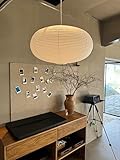
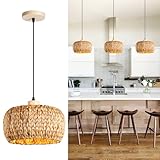
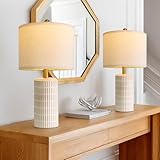
Six fixtures that bring a calm, warm glow, from a paper pendant to a wood-base table lamp.


Recommended blogs to read:
- a japandi living room
- zen modern decor
- japanese zen decorating
- a calmer zen home
- mid-century clean lines
What Makes Lighting Japandi
Japandi lighting is warm, low, and sculptural. The fixtures are made of natural materials, paper, rice paper, wood, rattan, linen, ceramic, and they have simple, quiet shapes that read as design objects without shouting. The light itself is always warm and golden, never cool or bright.
The other half of the look is restraint. A Japandi room does not have a fixture on every surface, it has a few well-chosen ones, placed low, doing specific jobs. The light pools softly rather than flooding the room. For the calm, uncluttered style the lighting sits inside, our guide to zen chic home decor shows the same quiet approach across a whole room.
One rule before the list: warm bulbs, always. Every Japandi fixture should take a warm 2700K bulb. The natural materials and simple shapes carry the calm look, and the warm light is what makes the room feel restful rather than stark.
15 Japandi Lighting Ideas
Mix a few of these at different heights. The section after the list covers layering them.
1. A Paper Pendant Light


The paper pendant is the Japandi lighting icon. A simple white or off-white paper shade, round or cylindrical, diffuses light into a soft, even glow and reads as a calm sculptural object during the day. It nods to Japanese paper lanterns while staying minimal enough for the Scandinavian side of Japandi. One paper pendant over a dining table or in a living room corner is often all the overhead a Japandi room needs.
2. A Rice-Paper Floor Lamp


A rice-paper floor lamp brings soft, low light into a corner without a ceiling fixture. The tall, slim shape takes up almost no visual space, and the paper shade glows gently when lit, like a column of warm light. It is the piece that lets you skip the overhead entirely in a living room or bedroom. Choose one with a light-wood base so the materials stay in the Japandi family.
3. A Wood-Base Table Lamp


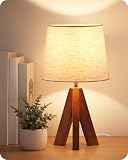
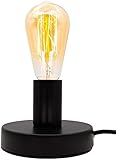
The wood-base table lamp is the workhorse of Japandi lighting. A simple turned or carved wood base with a linen or paper shade sits on a side table, a console, or a low shelf and casts a warm pool of light at eye level. The wood ties it to the room’s furniture, and the simple shape keeps it quiet. Two of these, placed low around a room, do more for the calm feeling than any single overhead.
4. The Low Warm-Wattage Rule


Japandi lighting is as much about restraint as fixtures. Keep the wattage low and the color temperature warm, 2700K or below, in every fixture. The goal is a gentle, even glow, not a brightly lit room. Lower-wattage warm bulbs across several fixtures read calmer than one bright source, and they make the natural materials, the wood, the linen, the paper, look their warmest. This single habit shifts a room toward Japandi more than any one lamp.
5. A Linen Drum Shade


A linen drum shade is the quiet, versatile Japandi shade. In oat, greige, or warm white, it diffuses light softly and adds a natural-fiber texture without any pattern or shine. It works on a table lamp, a floor lamp, or a pendant, which makes it an easy way to bring an existing light into the Japandi family. Swapping a glossy or printed shade for a linen drum is one of the cheapest Japandi lighting updates there is.
6. A Single Sculptural Pendant


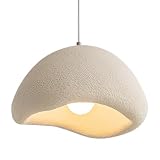
Where Japandi allows a statement, it is one quiet sculptural pendant. A simple wood, paper, or ceramic pendant with an interesting but restrained shape can be the one piece in the room that draws the eye. The key is single, one sculptural fixture, not several competing ones. Hung over a dining table or a low coffee table, it gives the room a focal point without breaking the calm. This is the Japandi version of a statement light.
7. The No-Overhead-Glare Principle


The fastest way to make a room feel un-Japandi is a bright bare overhead light. Where you do use a ceiling fixture, it should be diffused, a paper shade, a linen drum, a woven shade, never an exposed bright bulb. Better still, skip the overhead in living rooms and bedrooms and rely on lamps. A room lit by warm low sources, with no glare from above, instantly feels calmer and more intentional, which is the whole Japandi goal.
8. Dimmable Warm Bulbs


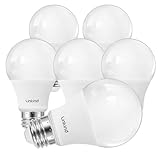
Dimmers turn good Japandi lighting into great Japandi lighting. Warm dimmable bulbs, or warm smart bulbs, let you drop the whole room to a soft evening glow and bring it up gently in the morning. The calm of a Japandi space depends on light you can tune to the time of day. Dimmers are inexpensive to add to existing lamps and fixtures, and they cost almost nothing to run on the low end.
9. A Woven Shade


A woven rattan or bamboo shade brings a warmer, more textured note to Japandi lighting. When lit, a woven shade casts a gentle dappled glow, and switched off it reads as a natural sculptural object. It leans slightly toward the warm, organic side of Japandi, so it pairs well with rooms that have a lot of light wood and linen. One woven pendant or a woven-shade floor lamp adds texture without adding pattern.
10. A Ceramic-Base Lamp



A ceramic-base lamp adds a quiet handcrafted note. A simple matte ceramic base in a warm neutral, oat, clay, greige, charcoal, topped with a linen or paper shade, reads as a small piece of craft as well as a light source. Ceramic ties into the pottery and vessels a Japandi room often uses elsewhere. The handmade quality is exactly the kind of subtle, tactile detail Japandi rewards.
11. Layered Low Light Sources


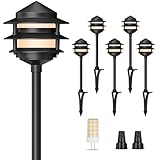
A Japandi room is lit by several low sources rather than one high one. A table lamp, a floor lamp, a small lamp on a shelf, all warm, all at or below eye level, build a soft, even glow with no harsh shadows. The layering is what keeps a low-light room from feeling dim. This is the same warm-layering habit our guide to a zen bedroom uses to keep the space calm and restful.
12. A Paper Lantern

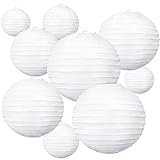
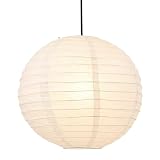
A simple paper lantern, floor-standing or hung low, is the most direct nod to the Japanese half of Japandi. The classic round or oval white paper lantern glows softly and reads as calm sculpture. It is also one of the most affordable Japandi lighting pieces, which makes it a good starting point. Keep the shape simple and the paper plain, and a paper lantern looks intentional rather than dorm-room.
13. Restraint: One Statement Fixture


The most important Japandi lighting rule is knowing when to stop. A Japandi room has, at most, one fixture that counts as a statement, and everything else is quiet and supporting. If two fixtures are competing for attention, the room loses its calm. Pick the one piece that gets to be sculptural, the pendant over the table, the floor lamp in the corner, and let every other light source simply do its job softly.
14. Candle-Warm Accent Light


Beyond lamps, a little candle-warm light deepens the calm. A small candle in a simple ceramic holder, a low warm accent light on a shelf, or a wood-and-paper tealight lantern adds a flicker of soft light at the lowest level of the room. It is the finishing touch rather than a main source. The warm, low, slightly moving light is deeply restful, and it suits the quiet evening mood Japandi rooms are built for.
15. A By-Room Lighting Guide



Tune the fixtures to the room. A living room wants the fullest layering, a floor lamp by the seating, a wood-base lamp on a console, maybe one paper pendant, all warm. A dining room can take a single sculptural pendant dropped low over the table. A bedroom keeps it lowest and softest, wood-base lamps at the bedside, a paper lantern in a corner, all dimmable. The home office wants one focused warm task lamp plus a soft ambient source.
How to Layer Warm, Low Light in a Japandi Room
The fear with low lighting is that the room will feel dim. It will not, if you layer it right. The trick is several warm sources at different low points, never relying on one. Three or four soft lights, a floor lamp, two table lamps, a small shelf lamp, fill a room with an even, gentle glow that has no dark corners and no harsh overhead glare.
Start by deciding whether the room needs an overhead at all. Many Japandi living rooms and bedrooms work better without one. Then place your warm sources around the room so the light overlaps, no single spot is doing all the work, and no corner is left dark. Keep every bulb warm and ideally dimmable, so the whole scheme drops to an evening glow together. Done that way, a low-lit Japandi room feels calm and complete, not dim. For the same calm approach in a working room, our guide to a zen home office shows how warm light supports focus.
Frequently Asked Questions
What lighting is japandi?
Japandi lighting is warm, low, and sculptural, made of natural materials: paper and rice-paper pendants, wood-base table lamps, linen and woven shades, ceramic-base lamps, and paper lanterns. The fixtures have simple quiet shapes and the light is always warm and golden, never cool or bright.
What color light is japandi?
Always warm: 2700K or below in every fixture. Cool or bright white light flattens the natural materials and undoes the calm. Warm low-wattage bulbs across several fixtures, ideally dimmable, are what give a Japandi room its soft, restful glow.
How many light sources in a japandi room?
Several low ones rather than one high one. A living room might use three or four, a floor lamp, two table lamps, maybe one paper pendant, all warm and at or below eye level. The layering of low sources is what keeps a low-lit Japandi room glowing evenly instead of feeling dim.
How do I do japandi lighting on a budget?
Swap printed or glossy shades for plain linen drums or paper shades on lamps you already own, add a simple paper lantern, and change every bulb to warm 2700K. A paper pendant and a basic wood-base lamp are both inexpensive, and dimmer switches cost very little to add.
Can japandi use overhead lighting?
It can, but the overhead should be diffused, a paper shade, a linen drum, or a woven shade, never an exposed bright bulb. In living rooms and bedrooms, many Japandi spaces work better with no overhead at all, relying instead on warm low lamps placed around the room.
Key Takeaways
- Japandi lighting is warm, low, and sculptural, paper and rice-paper pendants, wood-base lamps, linen and woven shades, ceramic bases, and paper lanterns.
- The defining choice is several soft warm low sources instead of one bright overhead, often skipping the ceiling fixture entirely.
- Warm 2700K bulbs in every fixture, ideally dimmable, the natural materials and simple shapes carry the look and warm light makes it restful.
- Restraint matters: one statement fixture at most, everything else quiet and supporting, so the room keeps its calm.
- Layer three or four low sources so the light overlaps evenly, that is what keeps a low-lit Japandi room glowing rather than dim.
Final Thoughts
Japandi lighting is one of the quiet decisions that makes or breaks the whole look. Choose warm, low, sculptural fixtures in natural materials, skip the bright overhead, layer several soft sources so the light glows evenly, and keep every bulb warm and dimmable. Done that way, a Japandi room feels calm, golden, and complete the moment the lights come on. When you are ready for the rest of the space, our guide to a japandi bedroom and the how to achieve japandi style walkthrough cover the full room and the whole approach.
For more of the calm, warm, pared-back look, japandi rug ideas follow the same quiet philosophy.