To achieve Japandi style, declutter first, lock a warm-neutral palette, mix light and dark wood, choose low furniture, leave negative space, and keep the light warm and low. The 14 steps below build a calm, warm home in order, plus the one rule that ties it all together.
If you have ever tried minimalism and ended up with a room that felt cold, empty, and a little unwelcoming, Japandi is the fix you were looking for. It keeps the calm and the clear surfaces of minimalism, but it adds warmth back in: warm wood, warm light, soft linen, a handmade ceramic. The room is still uncluttered, it just no longer feels like a waiting room.
Japandi is the meeting point of Japanese simplicity and Scandinavian warmth, and getting there is a sequence, not a shopping trip. The 14 steps below go in order, declutter, palette, wood, furniture, space, materials, light, and the rest, so each step sets up the next. The section at the end covers the single rule that holds the whole look together once the steps are done.
Want a calm, warm home without the cold, empty feeling minimalism can leave?
The Aesthetic Apartment Makeover Guide walks you through styling a room step by step, so a Japandi space lands calm and warm instead of bare.
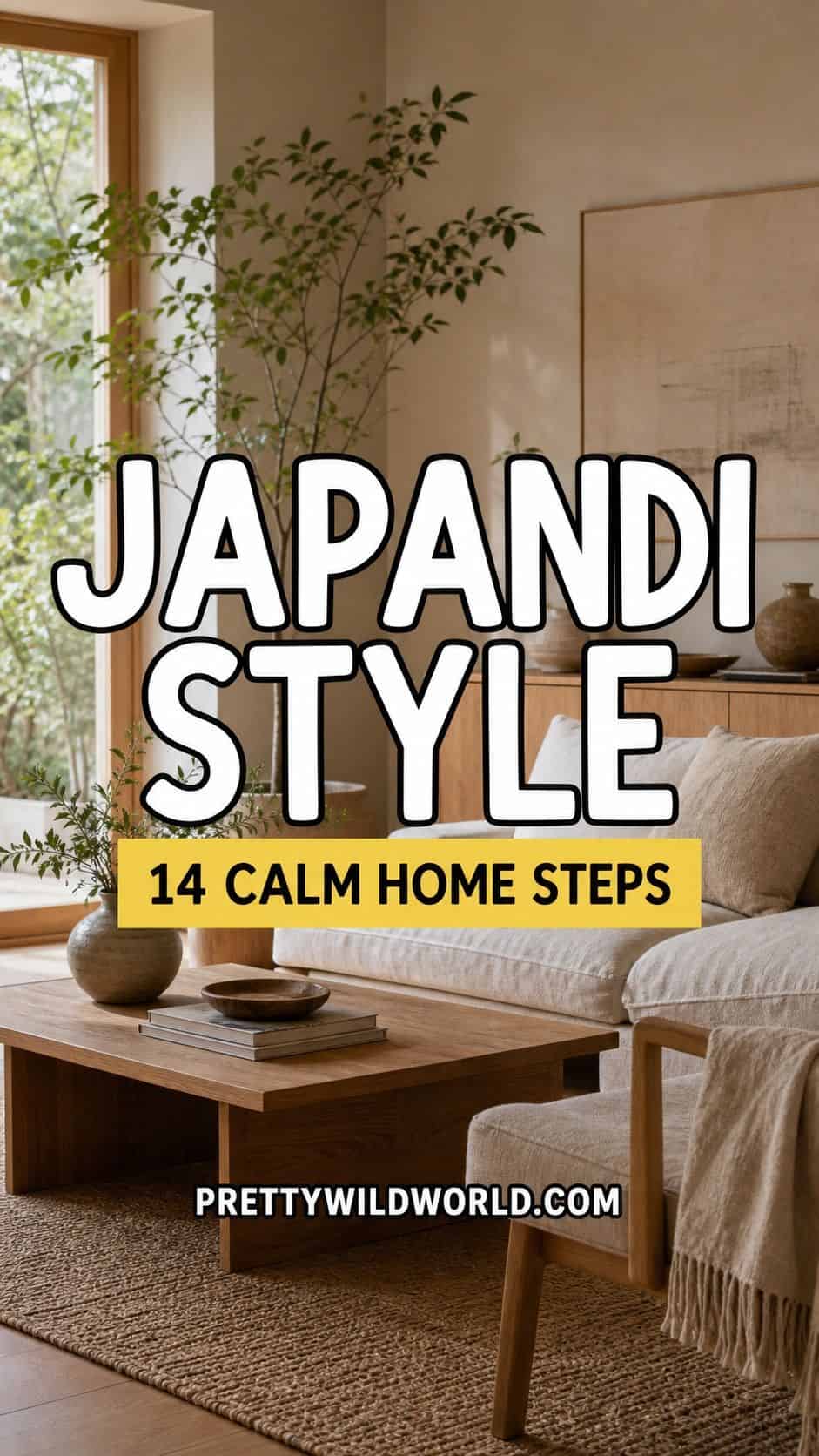
Recommended Japandi Decor
Six pieces that build the calm, warm look, from a low linen sofa to a paper pendant light.






Recommended blogs to read:
- a finished japandi living room
- zen home decor
- a chic zen look
- japanese zen styling
- clean-lined apartment design
What Japandi Style Actually Is
Japandi is the blend of Japanese and Scandinavian design. From the Japanese side it takes simplicity, natural materials, low furniture, and a respect for empty space. From the Scandinavian side it takes warmth, comfort, soft textiles, and a livable, cozy feeling. The two halves balance each other.
That balance is the whole point. Pure Japanese minimalism can read austere, pure Scandinavian style can read busy, and Japandi sits in the warm, calm middle. The palette is warm neutrals, the materials are natural, the furniture is low and simple, and there is always negative space. For a related calm-and-warm working space, our guide to a zen home office shows the same balance applied where focus matters.
One rule before the steps: go in order. Japandi is built, not bought. Decluttering before you choose a palette, choosing the palette before you buy furniture, leaving space before you add decor, each step makes the next one easier and cheaper.
14 Steps to Achieve Japandi Style
Work through these in order. The section after covers the rule that ties it together.
1. Declutter First




Japandi starts with subtraction, not addition, and this step is free. Clear the surfaces, empty out what you do not use or love, and pare each room back to the things that genuinely earn their place. The calm of a Japandi room comes from what is not there as much as what is. Doing this first also tells you what you actually have to work with, which makes every later step easier and stops you buying things you do not need.
2. Lock a Warm-Neutral Palette


Before you buy or paint anything, decide the colors. Japandi runs on warm neutrals: oat, sand, greige, warm white, clay, soft sage, and deep charcoal as the anchor. The key word is warm, these are not the cool greys of stark minimalism. Pick three or four of these and commit. Having the palette locked means every later choice, the sofa, the rug, the cushions, simply has to fit the set, which keeps the whole home cohesive.
3. Mix Light and Dark Wood


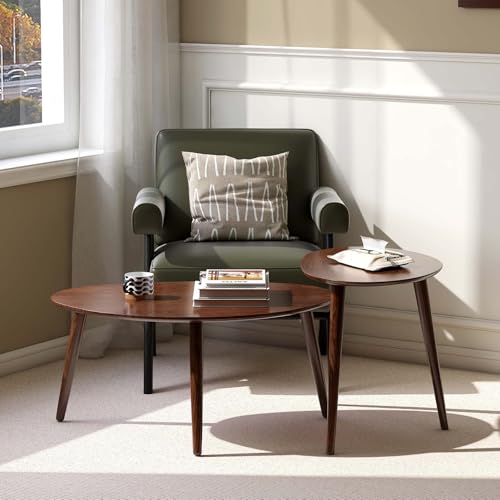
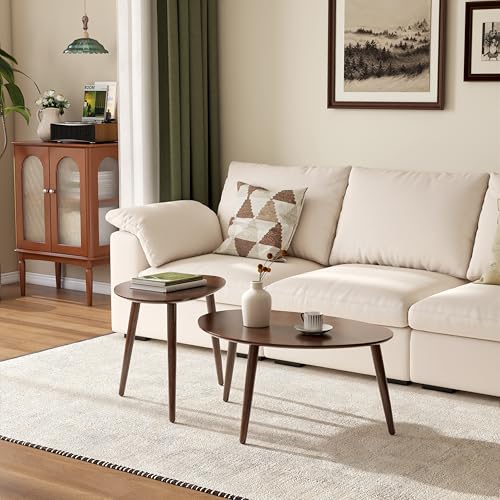
Wood is the heart of Japandi, and the look wants both tones. Light wood, oak, ash, beech, comes from the Scandinavian side, dark wood, walnut, dark-stained pieces, comes from the Japanese side. Using both, a light-wood table with a dark-wood stool, say, gives the room depth and keeps it from reading flat. Aim for a rough balance rather than all light or all dark, and let the wood grain show.
4. Choose Low Furniture


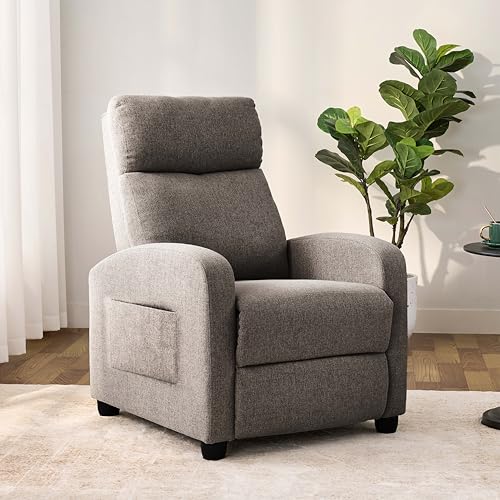

Japandi furniture sits low to the ground. A low-profile sofa, a platform or low bed, a low coffee table, a short sideboard, the lower sightlines are a core part of the calm. Low furniture makes ceilings feel taller and rooms feel more open and grounded at once. When you do replace a piece, choose the lower version. This single habit shifts a room toward Japandi more than almost any decorative choice.
5. Leave Negative Space


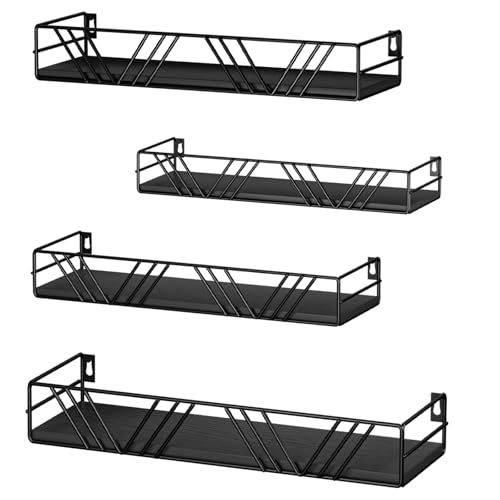
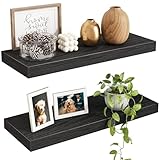
Negative space is a design element in Japandi, not an absence of one. Leave stretches of bare wall, clear surfaces, and open floor on purpose. The empty space is what lets the few pieces you do have breathe and read as intentional. The discipline here is resisting the urge to fill, every clear surface you keep clear is doing real work. This is the step that separates Japandi from cozy-but-cluttered Scandinavian.
6. Pick Natural Materials


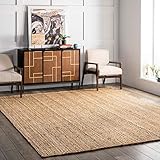

Japandi rooms are built from natural materials: wood, linen, cotton, wool, paper, ceramic, rattan, stone. These materials add warmth and quiet texture without adding pattern or shine, which is exactly what the look needs. When you choose anything, a cushion, a rug, a lampshade, default to the natural-fiber version. The materials doing the texturing means the room never needs bold pattern or color to feel rich.
7. Limit Decor to Meaningful Objects


Japandi decorates with very few objects, and each one matters. A single handmade ceramic vase, one piece of art, a sculptural wood object, a stack of two or three books, that is the density. Each object should be something you genuinely value, because there is nowhere for filler to hide. Choosing meaningful pieces over many pieces is what gives a Japandi room its considered, collected-slowly feeling.
8. Add Muted Greenery


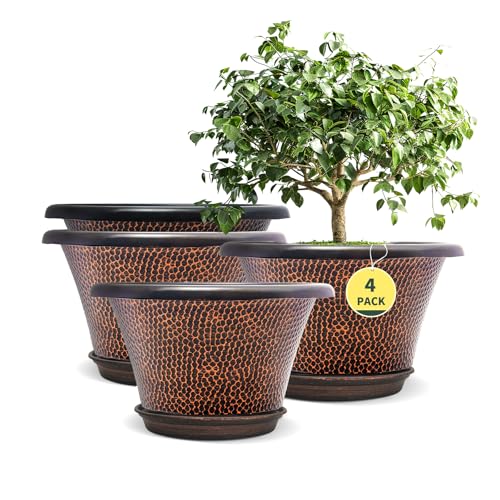
Plants bring the living element, but Japandi keeps them quiet. One sculptural plant, a few bare branches in a tall vase, a single bonsai or a simple potted tree, rather than a jungle of trailing greenery. The greenery should be muted and architectural, not lush and busy. One well-placed plant in a ceramic or wood pot adds life and a soft organic shape without breaking the calm.
9. Get the Lighting Warm and Low




Japandi lighting is warm, low, and soft, paper pendants, wood-base lamps, woven shades, all taking warm 2700K bulbs. Skip the bright overhead where you can and rely on several low sources so the room glows gently. The lighting carries a large share of the calm, a perfectly styled room under cold bright light still feels wrong. Our guide to japandi lighting ideas covers the fixtures and the layering in full.
10. Layer Linen Textiles


Linen is the Japandi textile. Linen cushions, a linen throw, linen curtains, even a linen slipcover, add the soft, slightly rumpled warmth the Scandinavian side brings, without any pattern. Keep the textiles in the warm-neutral palette and let the natural texture do the work. A few linen pieces are what stop a wood-and-ceramic room from feeling hard, they are the comfort layer of the whole look.
11. Add One Sculptural Piece




Every Japandi room gets one quiet sculptural moment. A curved wood stool, an organic-shaped ceramic, a single sculptural chair, one piece whose shape is interesting enough to hold attention on its own. It is the room’s focal point, and because there is so much negative space around it, it does not have to be loud to land. Pick one such piece per room, no more, and let the empty space frame it.
12. Keep Surfaces Clear


This is decluttering as an ongoing habit, not a one-time step. Coffee tables, consoles, counters, and nightstands stay mostly clear, holding one or two things at most. The clear surface is part of the design, and the temptation to let things pile back up is the main thing that erodes a Japandi room over time. A quick daily reset, putting things away rather than down, keeps the calm intact.
13. Balance Japanese Minimalism With Scandi Warmth


This is the step that makes it Japandi rather than just minimalist or just Scandinavian. Look at the room and ask which way it leans. Too austere and empty? Add warmth, a linen throw, a warmer wood, softer light. Too cozy and busy? Pull back, clear a surface, edit the objects down. The look lives in that balance, and getting there usually means small adjustments in both directions until the room feels both calm and warm.
14. The Renter Version


Japandi suits renters well, because so much of it is decor and habit rather than construction. You can do every step above without touching the walls: declutter, bring in low furniture and natural materials, layer linen, swap to warm low lighting, add one plant and one sculptural piece, and keep surfaces clear. If you can paint, a warm-neutral wall helps, but a Japandi room is fully achievable with movable pieces alone.
The One Rule That Ties It Together
If you remember one thing, make it this: warm and calm, together, always. Every choice in a Japandi room has to pass both tests. A piece can be calm but cold, that is just minimalism. It can be warm but cluttered, that is just cozy Scandinavian. Japandi only happens when a choice is both.
In practice that means pairing every restrained, minimal choice with a warm one. Low furniture, but in warm wood. Clear surfaces, but a soft linen throw nearby. Few objects, but a handmade ceramic among them. Warm light, kept low. When you are about to add or remove something and you are not sure, ask whether it makes the room more warm-and-calm or less. That single question keeps a Japandi home on track long after the 14 steps are done. For the calm-and-warm balance in a specific room, our guide to a japandi bedroom shows it applied where rest matters most.
Working through the steps and want a styling plan to follow?
The Aesthetic Apartment Makeover Guide gives you a room-by-room plan, so the Japandi steps come together in the right order without guesswork.
Frequently Asked Questions
How do I start japandi style?
Start by decluttering, which is free and tells you what you have to work with. Then lock a warm-neutral palette before buying anything. Those two steps set up everything else: the furniture, the materials, the lighting, and the decor all become easier once the room is cleared and the colors are decided.
What is the difference between japandi and zen?
Zen style is rooted in Japanese calm and natural materials. Japandi takes that same calm and natural-material base and adds the Scandinavian layer: warmer wood tones, soft linen textiles, and a cozier, more livable feeling. Japandi is essentially zen with Scandinavian warmth blended in.
Is japandi hard to do?
No, but it is a sequence rather than a shopping trip. The hardest parts are the free ones, decluttering and resisting the urge to fill space. Once you go in order, declutter, palette, wood, low furniture, negative space, materials, light, the rest follows naturally and most of it can be done gradually.
Can renters do japandi?
Yes, Japandi suits renters well because most of it is decor and habit, not construction. You can declutter, bring in low furniture and natural materials, layer linen, switch to warm low lighting, and keep surfaces clear without touching the walls. A warm-neutral paint color helps but is not required.
What is the most important part of japandi?
The balance of warm and calm, together. A choice that is calm but cold is just minimalism, and one that is warm but cluttered is just cozy Scandinavian. Japandi only happens when every choice is both warm and calm at once, that single test keeps the whole look on track.
Key Takeaways
- Japandi is the blend of Japanese simplicity and Scandinavian warmth, calm and uncluttered, but never cold or bare.
- The 14 steps go in order: declutter, lock a warm-neutral palette, mix light and dark wood, choose low furniture, leave negative space, then materials, light, and decor.
- The free steps, decluttering and leaving negative space, do as much work as anything you buy.
- It is fully renter-friendly, almost every step is decor and habit rather than construction.
- The one rule that ties it together: every choice has to be warm and calm at once, not one or the other.
Final Thoughts
Achieving Japandi style is less about buying the right things and more about working in the right order. Declutter, decide the warm-neutral palette, bring in low furniture and natural materials, leave space, keep the light warm and low, and add only a few meaningful objects. Hold every choice to the warm-and-calm test, and the home comes together as something genuinely restful to live in. When you are ready to apply it room by room, our guide to japandi rug ideas and our japandi furniture guide cover the floor and the key pieces in full.
For more on building a cohesive look, how to achieve the whimsigoth aesthetic extend the same approach across the home.