A Japandi rug is warm-neutral, low-pile, and natural-fiber: flatweave wool, jute, and sisal in oat and greige, with tonal pattern at most. The 15 ideas below ground a warm, calm floor, plus a section on picking and layering Japandi rugs.
The one rule that decides a Japandi rug is warm, not cold. A grey, cool-toned rug, even a minimal one, makes the whole room read clinical. A warm-neutral rug, oat, sand, greige, soft tan, does the opposite: it grounds the room and adds the Scandinavian warmth that separates Japandi from stark minimalism. Get the temperature of the rug right and the rest is detail.
From there, Japandi rugs are quiet by design, low-pile, natural-fiber, tonal at most. The 15 ideas below cover the materials, colors, and placements that work, flatweave wool, jute, sisal, the layering trick, the by-room sizing, and the section at the end covers how to pick and layer them so the rug supports the calm room rather than competing with it.
Want a rug that grounds a Japandi room instead of fighting its calm?
The Aesthetic Apartment Makeover Guide walks you through choosing a room’s foundation pieces, so the rug anchors the space warmly and quietly.

Recommended Japandi Rug Decor
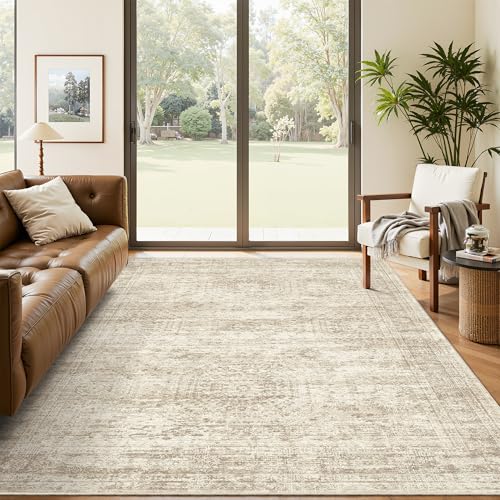
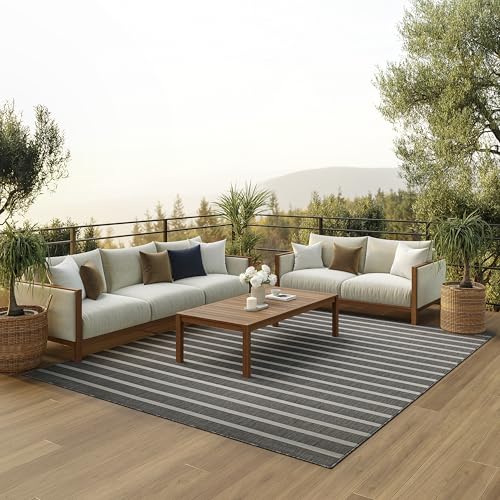
Six rugs that ground a warm, calm floor, from an oat flatweave wool rug to a charcoal flatweave.




Recommended blogs to read:
What Makes a Rug Japandi
A Japandi rug is warm-neutral, natural-fiber, and low-key. The colors run oat, sand, greige, soft tan, and warm white, with charcoal as the one deep option. The materials are natural, wool, jute, sisal, cotton, and the pile is low. Pattern, if there is any, is tonal and subtle.
The rug’s job is to ground and warm the room without drawing attention. It is the quiet foundation the low furniture and few objects sit on. A bold pattern, a high pile, or a cool grey tone all break the calm, which is why Japandi rugs stay so restrained. For the calm style the rug supports, our guide to zen modern decor shows the same quiet approach across a room.
One rule before the list: warm beats cool, every time. When you are choosing between two neutral rugs, pick the warmer one. A warm-neutral rug holds a Japandi room together, a cool-grey one quietly works against it.
15 Japandi Rug Ideas
Pick the material and color first, then the size. The section after covers picking and layering.
1. Flatweave Wool in Oat


A flatweave wool rug in oat is the safest, most versatile Japandi rug there is. The low, flat pile keeps the room feeling clean and uncluttered, the wool adds quiet warmth and softness underfoot, and the oat tone is warm without being yellow. It works in any room of a Japandi home and pairs with both light and dark wood. If you buy one Japandi rug, make it this.
2. A Jute Rug


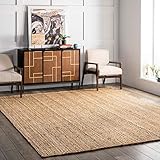

Jute brings the most natural texture of any Japandi rug. Its woven, slightly rough surface and warm tan color read organic and grounded, and it leans into the Japanese, natural-materials side of the look. Jute is also affordable, which makes it a good first Japandi rug or a good base layer. It is a little coarse underfoot, so it suits living rooms and entries better than a bedroom.
3. A Sisal Rug


Sisal is jute’s tighter, finer cousin. It has the same natural-fiber, warm-neutral quality but a smoother, more even weave, which reads slightly more refined. Sisal in a warm sand or tan tone grounds a room with quiet texture and durability. Like jute, it is firm underfoot, so it works best in living and circulation spaces. It is a good choice when you want natural fiber but jute feels too rustic.
4. A Low-Pile Neutral Rug


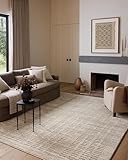
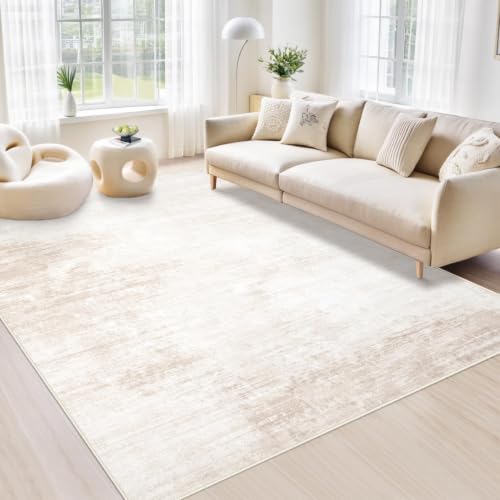
Pile height matters as much as color in Japandi. A low-pile rug in a warm neutral keeps the floor reading clean and the room feeling uncluttered, which a thick shag rug would undo. Low pile also sits better under low furniture and is easier to keep clean. Whatever material you choose, default to the low-pile version, the restraint of a flat, quiet floor is core to the look.
5. The Warm-Not-Cold Rule


This is the rule that decides the rug. Japandi neutrals are warm: oat, sand, greige, soft tan. Cool greys, even pale ones, make the room feel clinical and undo the Scandinavian warmth Japandi depends on. When you are choosing between rugs, hold them against your wood and your linen, the rug should look like it belongs to the same warm family. Warm-neutral is not a preference here, it is the requirement.
6. A Vintage Muted-Tone Rug


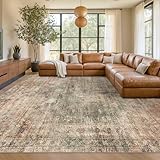

Japandi can take a quiet vintage rug, as long as it is faded and muted. A worn vintage rug in soft, washed-out neutrals, faded beige, muted tan, pale charcoal, adds a layer of age and character without bringing in pattern or color that breaks the calm. The key is muted: a bright, high-contrast vintage rug is wrong, but a soft, low-contrast one adds a collected, lived-in warmth.
7. Layering Jute and Wool


The classic Japandi layering move is a smaller wool rug over a larger jute one. The jute base adds natural texture and size, the wool layer on top adds softness and a slightly more refined surface where you actually sit or stand. Both stay warm-neutral, so the layering reads as quiet depth rather than contrast. It is also a practical way to make a small, nicer rug work in a large room.
8. By-Room Sizing


Size the rug to the room. In a living room, the rug should be large enough that at least the front legs of the seating sit on it. In a bedroom, it goes under the bed and extends past the footboard and sides. In a dining area, it should be big enough that the chairs stay on it when pulled out. A rug that is too small floats and makes the room feel unanchored, the opposite of grounded.
9. Natural-Fiber Texture as the Pattern


A Japandi rug usually has no pattern, so the weave does the work instead. The visible texture of a flatweave, the chunky grid of a jute, the fine ribbing of a sisal, all give the eye something to read without any printed design. Choosing a rug with interesting texture means you never need pattern or color to keep the floor from feeling flat. The material is the decoration.
10. A Charcoal Grounding Rug


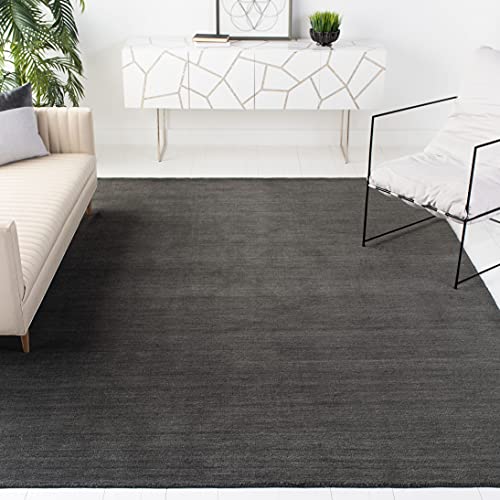
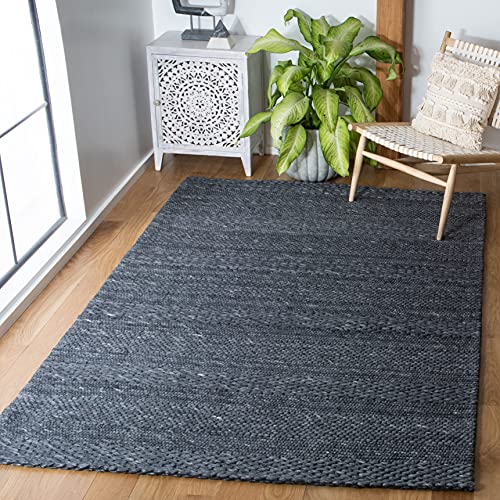
Charcoal is the one deep tone Japandi rugs allow, and it has a job. A low-pile charcoal flatweave grounds a room that is otherwise all light, light wood, oat walls, warm white linen, and gives the floor a quiet anchor. Use it where the room needs weight at the bottom. Keep it matte and low-pile so it stays calm. One charcoal rug in an otherwise pale room is a deliberate, very Japandi contrast.
11. A Handwoven Look

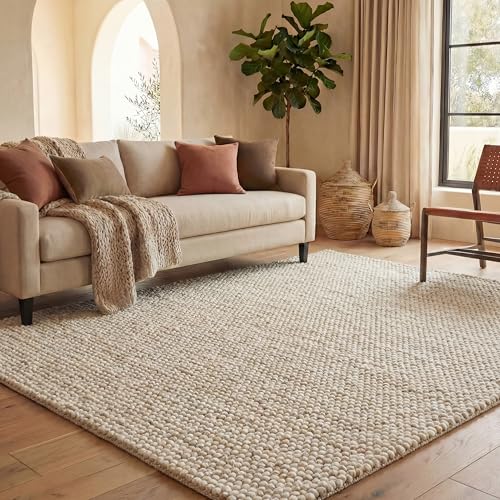
A handwoven or handwoven-look rug brings the craft quality Japandi values. Slight irregularities in the weave, a visible handmade texture, an honest natural-fiber surface, all read as considered and made rather than mass-produced. The handmade quality ties the rug to the ceramics and wood objects a Japandi room uses elsewhere. It does not have to be expensive, just genuinely textured rather than flat and machine-perfect.
12. A Runner for the Hallway


Japandi calm should carry into the in-between spaces. A natural-fiber runner in a warm neutral down a hallway extends the look beyond the main rooms and keeps the whole home feeling cohesive. A flatweave or jute runner works well here because circulation spaces want a low, durable surface. Match the runner’s tone to the rooms it connects, and the hallway reads as part of the calm rather than a gap in it.
13. The Budget Natural-Fiber Option


Japandi rugs are one of the more affordable parts of the look. A basic jute or sisal rug in the right warm tone is inexpensive and reads completely correct, because the look wants natural and quiet, not luxurious. A budget flatweave in oat or greige works the same way. You can spend more on a wool layer later, but a single natural-fiber rug on its own is a fully legitimate Japandi floor.
14. Caring for Natural-Fiber Rugs


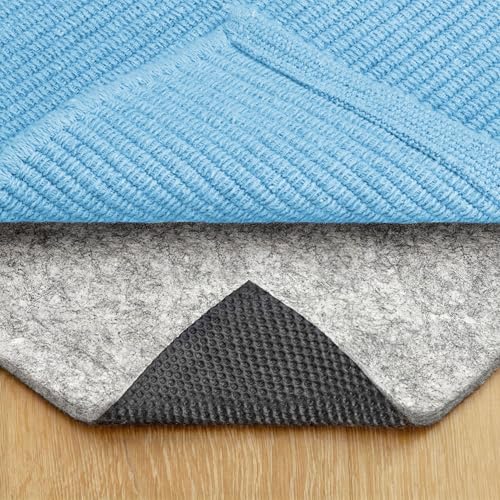
Natural-fiber rugs last well with a little care. Use a rug pad underneath for grip and to slow wear, vacuum regularly to keep grit from cutting the fibers, and blot spills quickly rather than rubbing, since jute and sisal do not love moisture. Rotate the rug every few months so it wears evenly. Treated this way, a natural-fiber Japandi rug ages gracefully and keeps its quiet, grounded look for years.
15. Mistakes to Avoid

A few things pull a rug out of the Japandi family fast: a cool grey tone, a bold or high-contrast pattern, a thick shag pile, a slick synthetic with a sheen, and a rug sized too small to anchor the furniture. Avoid those, choose warm-neutral, low-pile, natural-fiber, tonal at most, and sized generously, and the rug will quietly do its job of grounding and warming the calm room.
How to Pick and Layer Japandi Rugs
Picking a Japandi rug comes down to three checks: is it warm-neutral, is it natural-fiber and low-pile, and is it sized to anchor the furniture. If a rug passes all three, it will work. Hold it against your wood and linen first, the rug should look like it belongs to the same warm family, not stand apart from it.
Layering is optional, but it adds depth when a single rug feels flat. The reliable combination is a textured natural-fiber base, jute or sisal, with a softer wool rug on top, both warm-neutral so the layering reads as quiet depth rather than contrast. Layering also lets a smaller, nicer rug work in a bigger room. Whether you layer or not, the rug should never be the loudest thing in the room, its job is to hold everything else calmly in place. For where the rug sits in a finished space, our guide to a japandi bedroom shows it grounding the room.
Not sure what size or material rug your room needs?
The Aesthetic Apartment Makeover Guide helps you plan a room’s foundation pieces, so the rug is the right scale and grounds the space the way it should.
Frequently Asked Questions
What rug is japandi?
A Japandi rug is warm-neutral, natural-fiber, and low-pile: flatweave wool, jute, or sisal in oat, sand, greige, or soft tan, with charcoal as the one deep option. Pattern, if any, is tonal and subtle, the weave’s texture does the decorating instead of a printed design.
What color rug for a japandi room?
Warm neutrals: oat, sand, greige, soft tan, and warm white, with charcoal as the one deep grounding option. Avoid cool greys, even pale ones, which make a Japandi room feel clinical and undo the Scandinavian warmth the look depends on. When choosing, pick the warmer rug.
Is jute japandi?
Yes, jute is one of the core Japandi rug materials. Its woven, natural texture and warm tan color lean into the Japanese, natural-materials side of the look, and it is affordable. Jute is a little coarse underfoot, so it suits living rooms and entries better than bedrooms.
Should you layer rugs in japandi?
Layering is optional but works well. The reliable combination is a textured natural-fiber base, jute or sisal, with a softer wool rug on top, both warm-neutral so it reads as quiet depth. Layering also lets a smaller, nicer rug work in a larger room.
How do I do a japandi rug on a budget?
Japandi rugs are affordable because the look wants natural and quiet, not luxurious. A basic jute or sisal rug in a warm tone, or a budget flatweave in oat or greige, reads completely correct on its own. You can add a wool layer later, but one natural-fiber rug is a full Japandi floor.
Key Takeaways
- A Japandi rug is warm-neutral, natural-fiber, and low-pile: flatweave wool, jute, and sisal in oat and greige, with charcoal as the one deep option.
- The deciding rule is warm, not cold, a cool grey rug makes the room clinical, a warm-neutral one grounds it.
- Pattern is rare in Japandi rugs, the natural-fiber weave’s texture does the decorating instead of a printed design.
- Layering a softer wool rug over a textured jute or sisal base adds quiet depth and lets a smaller rug work in a bigger room.
- Size the rug to anchor the furniture, and check three things: warm-neutral, natural-fiber and low-pile, and sized generously.
Final Thoughts
A Japandi rug does quiet, foundational work, it grounds the low furniture and warms the calm room from the floor up. Choose warm-neutral over cool, natural-fiber over synthetic, low-pile over thick, and size it generously enough to anchor the space. Get those right and the rug holds the room together without ever asking for attention. To build the rest of the space around it, our how to achieve japandi style walkthrough and our japandi lighting ideas guide cover the whole approach and the glow in full.