
The whimsigoth aesthetic is a warm, witchy take on dark decor. It mixes jewel tones, celestial and occult motifs, vintage character, velvet and lace texture, and low amber lighting into a home that feels collected and a little enchanted. Think Practical Magic and Stevie Nicks, not haunted house.
Whimsigoth is what happens when goth grows up, moves into a sunlit apartment, and refuses to give up the moon motifs. It borrows the moodiness, the candle wax, the deep color. Then it warms the whole thing until a room reads cozy instead of cold.
If you have ever wanted a home that feels like it has a backstory, this is your aesthetic. Below is what whimsigoth actually is, where it came from, the seven elements that build it, how it stacks up against the styles people confuse it with, and a quick gut check on whether it is yours.

Recommended Whimsigoth Decor Products
Seven pieces, one for each core element below. None of them need a renovation or a landlord conversation, which is the whole point of starting here.


Recommended blogs to read:
- retro-leaning vintage home decor
- a 70s living room done right
- calmer minimalist decor styles
- the pared-back Japandi look
- the French country aesthetic
What Is the Whimsigoth Aesthetic?
The whimsigoth aesthetic is a home decor and fashion style that revives the witchy bohemian look of the 1990s. The name blends whimsical and gothic, and that blend is the entire idea. It takes the moodiness of goth, the deep color, the candlelight, the slight drama, and softens it with whimsy. Celestial prints. Thrifted oddities. Plants everywhere. A warmth that pure goth usually skips.
The reference points make it click. Picture the Owens house in Practical Magic, dried herbs hanging in the kitchen, worn rugs underfoot. Picture Stevie Nicks in layers of velvet and lace. Picture a 90s teen bedroom with a wall hanging pinned to the ceiling and fairy lights along the wall. Whimsigoth lives where all three overlap. It is romantic, a little mystical, and it never takes itself too seriously.
What separates it from plain dark decor is the warmth. A goth room can feel hard and cold. A whimsigoth room feels lived in. Layered. Like someone has been quietly collecting beautiful strange things for years and finally found somewhere to put them all.
It also sets itself apart from the minimalism that ran the 2010s. Where minimalism wants empty surfaces and a tight color story, whimsigoth wants the full bookshelf, the layered rug, the candle that has clearly been burned. The aesthetic assumes you have a personality and a past, and it builds a room that shows both. That is a big part of why it caught on. After a decade of beige, people wanted a home that felt like someone actually lived there.
Where Did Whimsigoth Come From?
Whimsigoth is not new. It is a revival. The look was everywhere in the 1990s, in film, in music, in the bedrooms of teenagers who taped band posters next to crystal grids. The Craft, Practical Magic, the general 90s fascination with soft witchcraft. Fleetwood Mac on repeat. That era had a whole visual language of mystical, bohemian, slightly gothic style, and whimsigoth is that language picked back up.
The name itself is recent. It was coined to describe the aesthetic when it started resurfacing on Pinterest and TikTok, and it gave a scattered look a single word to organize around. That is usually when a style goes from niche to everywhere. Once people have a name for what they have been drawn to, they start building rooms around it on purpose.
The 7 Core Elements of Whimsigoth
Every whimsigoth room is built from the same handful of ingredients. Get these seven right and the aesthetic falls into place on its own.
1. Jewel-tone and warm-dark color

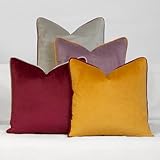


The whimsigoth palette runs deep, but warm. Emerald, plum, oxblood, midnight blue, and forest green do the heavy lifting. Warm neutrals like mushroom, bone, and antique gold keep the room from closing in. Pure black has a place as an accent, but a whole room of it tips into cold goth fast. The trick is choosing darks that feel like they have warmth living underneath them. If you want the full breakdown, the whimsigoth color palette guide covers a dozen-plus palettes with hex codes and real paint names.
2. Celestial and occult motifs


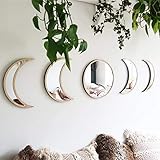
Moons, stars, suns, tarot imagery, crystals, astrological symbols. These are the signature of whimsigoth and they show up in art, on textiles, in the small objects on a shelf. The discipline here is restraint. A moon-phase print and a tarot-inspired rug feel intentional. Forty celestial things crammed into one room feels like a gift shop. Pick a few, place them well, and let them breathe.
3. Vintage and thrifted character


Whimsigoth rewards the hunt. Vintage furniture, secondhand frames, estate-sale rugs, odd little objects with a history you will never fully know. That is what gives the aesthetic its soul. New furniture absolutely works, but a room that is entirely new and matching reads like a catalog page. You want at least a few pieces that look like they had a life before they got to you.
4. Velvet, lace, and rich texture


Texture is what makes whimsigoth feel cozy instead of flat. Velvet on a sofa or cushions. Lace at a window or draped over a table. A worn wool rug. A chunky knit thrown over the arm of a chair. Layering different textures in the same color family is one of the easiest ways to make a room feel collected and deliberate without spending much at all.
5. Candlelight and amber glow


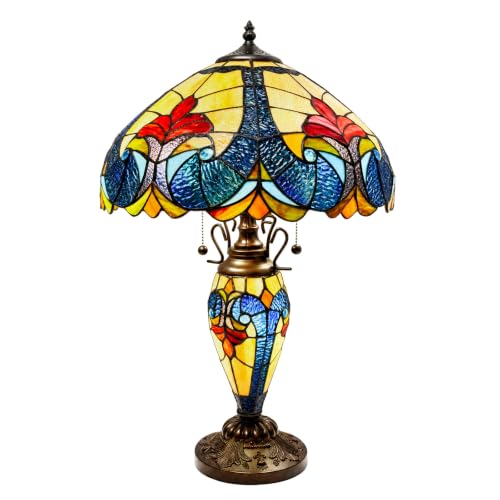
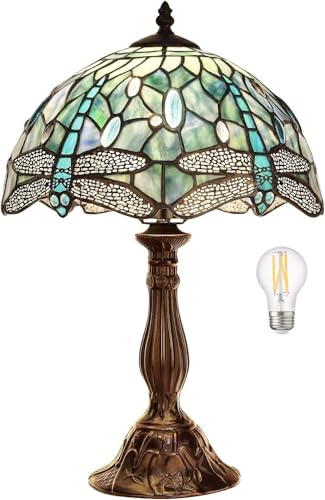
Lighting is the element people skip, and it is the one that matters most. Whimsigoth lives by warm, low, layered light. Real or battery candles, amber and stained-glass fixtures, brass lamps, dimmers on everything. The overhead “big light” is the enemy of the whole aesthetic. Warm bulbs at 2700K or below are non-negotiable. For the full setup, see the right whimsigoth lighting guide.
6. Plants, dried botanicals, and apothecary touches


The witchy side of whimsigoth shows up in greenery and apothecary styling. Trailing plants, dried flowers, pressed botanicals, herbs in jars, amber glass bottles, stacks of old books. These touches bring the look to life, and they happen to be the cheapest part of the whole aesthetic. A few dried stems in a thrifted bottle does more than most expensive decor.
7. Layered, collected, never minimal

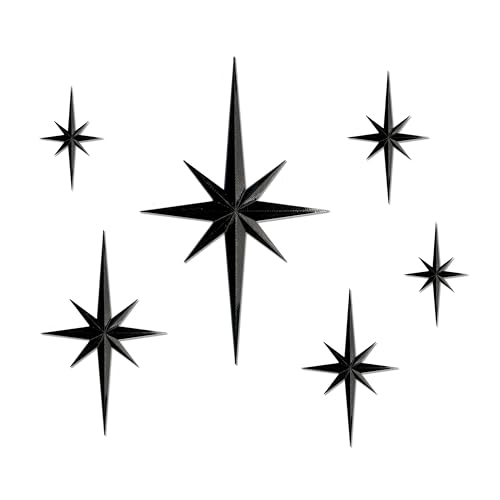

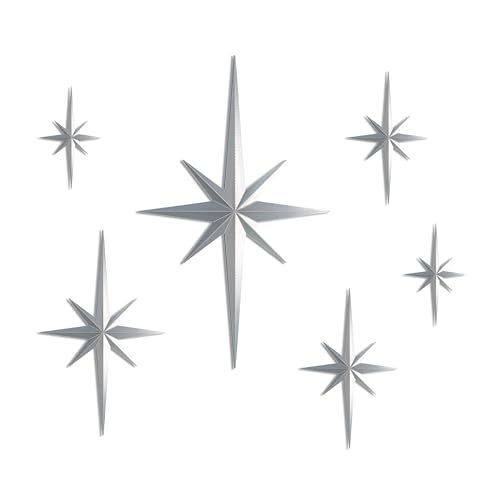
Whimsigoth leans maximalist. Surfaces are styled, walls are full, and there is always something to look at. The skill is in the editing. Collected should still feel composed, not chaotic. If a shelf looks like a jumble, pull a third of it off and try again. The goal is a room that feels gathered over time, not staged in an afternoon.
Whimsigoth vs Dark Academia vs Cottagecore
These three aesthetics get lumped together because they all lean moody and vintage. They are pulling from very different places, though.
Dark academia is scholarly. Libraries, leather, tweed, oxblood and brown, classical art, a generally serious mood. It romanticizes study and old institutions. Whimsigoth is mystical instead of academic. It swaps the library for the apothecary, the classical busts for celestial prints, and the seriousness for a wink.
Cottagecore is light, pastoral, and floral. Sunlit kitchens, gingham, wildflowers, a soft countryside fantasy. Whimsigoth shares the vintage and the plants but takes the whole thing darker and stranger. There is even a crossover zone, dark cottagecore, where the two meet in the middle. If cottagecore is a sunny meadow, whimsigoth is the same meadow at dusk. And if you want the calmer, lighter end of the moody spectrum entirely, that is closer to calmer minimalist decor styles than to whimsigoth.
Here is the quickest way to keep them straight. Dark academia is a library. Cottagecore is a cottage kitchen. Whimsigoth is the spare room where someone keeps their crystals, their tarot decks, their dried flowers, and their record collection. All three are moody and vintage-leaning, but only whimsigoth has the celestial-mystical streak running through it. If a room makes you think of a fortune teller’s parlor rather than a study or a farmhouse, that is whimsigoth.
How to Tell If Whimsigoth Is Your Style
A few quick gut checks. You are drawn to whimsigoth if you like a room to feel layered rather than spare. If jewel tones make you happier than beige ever has. If you would rather a space feel a little mysterious than crisp and bright. If the words “collected over time” sound like a compliment and not a mess.
It is also a forgiving aesthetic to commit to. Because it leans on vintage, texture, and lighting rather than expensive statement furniture, you can build it slowly and cheaply. And because warmth is baked in, a whimsigoth home stays comfortable to actually live in, which is not always true of darker styles. If that sounds right, the move is to start with color and lighting first. When you are ready to go from “I like this” to “here is my plan,” there is a full step-by-step guide to building the look.
Read also: the dark moody aesthetic explained, the dark academia aesthetic explained, moody home decor for every room.
Frequently Asked Questions
What is the whimsigoth aesthetic?
Whimsigoth is a home decor aesthetic that blends whimsical and gothic. It mixes jewel tones, celestial and occult motifs, vintage character, velvet and lace texture, and warm low lighting into a space that feels collected and enchanted rather than cold or themed.
Where did whimsigoth come from?
Whimsigoth revives the witchy bohemian style of the 1990s. Its main reference points are films like Practical Magic and The Craft, the music of Fleetwood Mac and Stevie Nicks, and 90s teen bedrooms full of tapestries and fairy lights. The name itself is recent, coined as the look resurfaced online.
What is the difference between whimsigoth and dark academia?
Dark academia is scholarly, built around libraries, leather, tweed, and classical art. Whimsigoth is mystical instead of academic, swapping the library for the apothecary, classical busts for celestial prints, and the serious mood for a sense of whimsy.
Is whimsigoth the same as witchcore?
They overlap heavily and the terms are often used interchangeably. Witchcore leans more strictly into witchy and folk-magic imagery, while whimsigoth also pulls in 90s bohemian style and a broader jewel-tone palette.
What music and movies match the whimsigoth aesthetic?
Practical Magic and The Craft are the defining films. Fleetwood Mac and Stevie Nicks are the defining sound. The general mood is 90s mystical bohemian, romantic and a little dramatic.
Key Takeaways
- Whimsigoth blends whimsical and gothic: a warm, witchy take on dark decor, not cold goth.
- It revives the 90s witchy bohemian look, with Practical Magic and Stevie Nicks as the touchstones.
- The seven core elements are jewel-tone color, celestial motifs, vintage character, rich texture, warm low lighting, plants and apothecary touches, and a layered collected feel.
- Warmth is what separates it from plain dark decor, so choose darks that feel warm and keep the lighting low and amber.
- It is budget-friendly and livable because it leans on vintage, texture, and lighting rather than expensive statement furniture.
Final Thoughts
Whimsigoth works because it is moody without being heavy and decorative without being precious. It gives you permission to collect, to layer, and to make a home that feels like it has a story. Start with the color base and the lighting, add vintage character and texture as you find it, and let the celestial touches come last. When you are ready to take it room by room, the full whimsigoth home decor guide maps out the whole house.