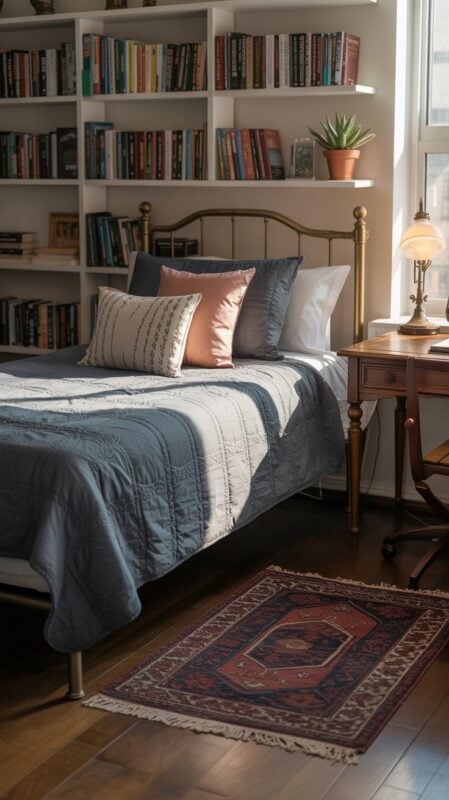
Stock your dorm room right the first time with these 100 best college dorm essentials organized by category. Get space-saving picks, budget alternatives, and a printable checklist that covers everything without the fluff.
What You’ll Learn From This Post:
- 100 actual essentials organized by function so you’re not buying random stuff Target convinced you needed
- Space-saving alternatives for tiny dorm rooms where every inch counts and creativity becomes survival
- Budget-friendly options plus what’s worth splurging on versus what works fine from the dollar store
Moving into a college dorm for the first time feels like preparing for a mission to Mars where you need to fit your entire life into approximately 100 square feet while sharing a bathroom with strangers. The stress of figuring out what you actually need versus what the Target college section insists you need is real.
Here’s what actually matters: your dorm isn’t home, it’s functional living space for sleeping, studying, and storing the approximately 47 hoodies you’ll accumulate. You need essentials that maximize limited space, survive student life’s chaos, and don’t destroy your already-stressed budget. Forget the matching desk accessories and focus on items that solve actual problems.
Below are 100 essentials organized by category so you can check off what you need without getting overwhelmed by endless generic lists. This covers everything from bedding to first aid, with notes on what’s worth spending money on versus what works fine cheap.

Sleep Essentials That Actually Help You Rest
Bedding Basics for Dorm Beds
Dorm bedding starts with understanding that most dorm beds are Twin XL (not regular Twin), which means your sheets from home probably won’t fit. I prioritize: 2 sets of Twin XL sheets (so you have one while washing the other), 1 mattress protector (dorm mattresses have seen things), 1 comforter or duvet with cover, 2-3 pillows (one for sleeping, extras for sitting up to study), and 1 mattress topper (those dorm mattresses are basically plywood with fabric).
Dorm room comforter sets marketed to students are often overpriced. Buy separates or look for complete sets at discount stores. The comforter needs to be machine washable because it will get dirty. Skip anything requiring dry cleaning—you’re not doing that in college.
Quick tip: Buy dark-colored dorm room bed sheets (navy, gray, black) that hide stains better than white or pastels. College laundry facilities aren’t kind to light colors, and you won’t always have time or energy to treat stains immediately.
Sleep Comfort Items
Beyond basics, sleep quality improves with: blackout curtains or a sleep mask (roommates have different schedules), earplugs or white noise machine (dorms are loud at unpredictable hours), fan for air circulation (dorm HVAC is unreliable), and a throw blanket for couch studying or temperature regulation.
Quick tip: A small clip-on fan attaches to your bed frame for personal cooling without taking floor space. This matters when your roommate likes it warm and you’re dying of heat. Similar space-saving thinking helps with first apartment checklist on a budget planning.
Study and Desk Organization
Essential Study Supplies
Must-have dorm items for academics include: desk lamp with adjustable brightness (overhead lighting sucks for late-night studying), laptop and charger (obviously), external hard drive or cloud storage backup, notebook or binder system that works for you, pens and pencils (buy in bulk), highlighters, sticky notes, stapler and staples, scissors, tape, and a three-hole punch if you’re using binders.
Power strip with surge protection protects expensive electronics from dorm building power fluctuations. An over-the-desk storage shelf maximizes vertical space when desk real estate is limited. A lap desk lets you study from bed when your desk becomes a laundry pile (it happens).
Quick tip: Get a desk organizer with compartments so supplies don’t migrate across your entire desk creating chaos. Clear your workspace weekly or it becomes an archaeological dig. Organization strategies from apartment move-in checklist apply to dorm setup too.
Study Comfort Items
Improve study sessions with: comfortable desk chair cushion (dorm chairs are terrible), good headphones for blocking noise during study time, blue light blocking glasses if you’re staring at screens constantly, and a planner or calendar system for tracking assignments and deadlines.
Quick tip: Use your phone camera to photograph whiteboard notes or professor’s board work instead of frantically hand-copying everything. This saves time and ensures you don’t miss details while writing.
Storage Solutions for Tiny Spaces
Under-Bed Storage
Dorm storage solutions prioritize using every inch of vertical and hidden space. Under-bed storage includes: plastic bins on wheels for easy access, vacuum storage bags for off-season clothes, and bed risers to create more clearance (check your dorm’s riser policy first—some don’t allow them for safety reasons).
I use under-bed space for: extra bedding, out-of-season clothes, shoes, snacks, cleaning supplies, and anything used occasionally but needed accessible. Label bins so you’re not pulling out everything to find one item.
Quick tip: Measure under-bed clearance before buying storage bins. Some dorm beds sit frustratingly low and only fit the shallowest containers. Don’t assume standard bins will fit without measuring first.
Vertical and Wall Storage
Small space dorm organization requires going vertical with: over-the-door hooks for bags, towels, robes, command hooks for everything else (follow dorm rules about wall damage), hanging shoe organizer for shoes or supplies, floating shelves if allowed, and wall-mounted file holders for papers and assignments.
Closet organization includes: velvet hangers (take less space than plastic), hanging closet organizer with shelves, and over-the-rod hooks for bags or accessories. Maximize closet door interior with hooks or small baskets.
Quick tip: Command strips damage walls less than tape or nails but you still need to remove them carefully at year’s end. Pull down slowly while pressing wall to avoid paint damage. Similar careful thinking helps when moving out for the first time from rental spaces.
Laundry Essentials
Laundry Basics
Dorm essentials list includes laundry items: laundry basket or bag (collapsible options save space), detergent pods (easier than measuring liquid), dryer sheets or wool dryer balls, stain stick for treating spots before washing, and mesh laundry bags for delicates.
A laundry hamper that closes keeps dirty clothes contained and reduces room smell. Quarters for machines if your dorm doesn’t use cards or apps. A small drying rack for items you can’t machine dry.
Quick tip: Do laundry mid-week rather than weekends when every machine is claimed. Set phone timers so you don’t forget loads and anger other students waiting for machines. Laundry room etiquette matters in shared spaces.
Clothing Care Items
Beyond washing, you need: iron and small ironing board or steamer for wrinkled clothes, lint roller for removing fuzz and hair, fabric refresher spray for items worn once but not dirty enough to wash, and sewing kit for emergency repairs (lost buttons happen at inconvenient times).
Quick tip: Hang clothes immediately after drying to minimize wrinkles. Leaving them wadded in the dryer overnight creates wrinkle disasters that require ironing. Your future self will thank you for this tiny effort.
Kitchen and Food Storage
Mini Kitchen Essentials
Housing essentials for eating in your room include: mini fridge (often required to rent from school), microwave if allowed (check dorm rules), reusable water bottle, coffee mug or travel tumbler, plates and bowls (2-3 of each, plastic or melamine), silverware set, can opener, and cutting board and knife for basic prep.
Food storage containers keep snacks fresh and prevent pest issues. Paper towels and napkins handle spills and quick clean-ups. Dish soap and sponge for washing items in bathroom sink (yes, this is college life).
Quick tip: Label your food in shared fridges with your name and date. Food theft happens, and older items get tossed during cleaning. Protect your stash by making ownership clear. Similar protective strategies help with apartment moving out checklist documentation.
Snack and Meal Items
Stock your space with: non-perishable snacks (granola bars, crackers, nuts, dried fruit), microwaveable meals for late-night study sessions, coffee or tea supplies if that’s your thing, and basic condiments and seasonings for adding flavor to dining hall food you bring back.
Quick tip: A kettle or coffee maker (if allowed) saves money on coffee shop runs. Calculate savings: $5 daily coffee = $1,825 annually versus $20 for a coffee maker and $30 for coffee supplies lasting months. The math speaks for itself.
Cleaning and Personal Care
Room Cleaning Supplies
College dorm checklist includes cleaning items because dorm cleaning services don’t cover your personal space: disinfectant wipes for quick surface cleaning, all-purpose cleaner spray, paper towels, small broom and dustpan, small vacuum if carpet (or contribute to a floor vacuum with hallmates), and trash bags that fit your dorm trash can.
Microfiber cloths clean surfaces without paper towel waste. Dish soap handles food-related messes. Air freshener or candles (if allowed—many dorms ban open flames, use battery-operated candles instead) combat dorm smell.
Quick tip: Clean spills immediately before they become permanent stains or attract bugs. College you might not care about cleanliness, but gross rooms affect your mental state more than you realize. A 10-minute weekly clean maintains livable conditions.
Personal Hygiene Items
Shower and bathroom essentials include: shower caddy for transporting items to communal bathrooms, flip-flops for shower (those floors are disgusting), bathrobe for hallway walks, towels (2-3 sets so one’s always clean), toiletries (shampoo, conditioner, soap, toothpaste, toothbrush, floss), and first aid kit with basics (bandaids, pain reliever, cold medicine, allergy medicine, upset stomach medicine).
Toilet paper backup for when the dorm runs out (it happens), tissues, hand sanitizer, and laundry hamper liner or bag.
Quick tip: Buy a first aid kit rather than assembling one from scratch. Pre-made kits include items you wouldn’t think to buy until you need them urgently at 2 AM. Check out more ultimate college dorm essentials list recommendations for comprehensive coverage.
Tech and Electronics
Essential Electronics
Dorm essentials for freshmen include crucial tech: laptop and charger, phone and charger, power strip with surge protection (you never have enough outlets), extension cord if power strip doesn’t reach, USB charging cables (have extras because they disappear), portable charger for phone (lifesaver during long campus days), and headphones or earbuds for studying and calls.
Optional but useful: desk lamp with USB ports (combo functionality saves space), Bluetooth speaker for music, printer (check if your dorm has free printing first), and streaming device if your TV doesn’t have smart capabilities.
Quick tip: Back up important files regularly. Hard drives fail, laptops get damaged, and losing a semester of work to technical failure is devastating. Use cloud storage (Google Drive, Dropbox, OneDrive) or external hard drive religiously.
Cable Management
Space-saving dorm ideas that work include managing cable chaos with: cable clips to route cords along desk edges, velcro cable ties to bundle similar cords, and a charging station that centralizes all devices. Label chargers with colored tape so you know what goes to what when everything’s tangled.
Quick tip: Take photos of your setup before unpacking at year’s end. This shows how to reassemble everything quickly next year and proves you didn’t damage walls if questioned. Similar documentation helps with moving tips for any relocation.
Comfort and Personal Items
Room Comfort Items
Affordable dorm essentials for students improving daily life include: photos and decorations making space feel personal (command strips for hanging), desk or floor lamp for better lighting, throw pillows for bed or chair, area rug if allowed (makes rooms warmer and less institutional), plants (real or fake—fake require zero maintenance), and string lights or LED strips for ambiance.
Calendar or whiteboard for tracking assignments and events, mirror (many dorms lack good mirrors), alarm clock backup (don’t rely solely on phone), and extension cord with flat plug for behind furniture.
Quick tip: Don’t over-decorate immediately. Live in the space a few weeks to understand what you actually need and like. Early over-decorating often leads to removing half of it by October when you realize it’s clutter.
Seasonal Comfort Items
Adjust for seasons with: fan for hot months (most dorms lack AC or have inadequate cooling), space heater for cold months if allowed (check dorm rules), extra blankets for temperature control, and humidifier for dry winter air affecting sinuses and skin.
Rain gear includes umbrella, rain jacket, and waterproof bag or backpack cover protecting electronics and books during campus walks in bad weather.
Quick tip: Weather changes affect dorm comfort significantly. Schools in variable climates require more seasonal flexibility than consistently mild locations. Ask current students what weather gear they wish they’d brought.
Safety and Security
Safety Essentials
Dorm packing list you’ll actually use includes safety items: door stop or door alarm (personal security, especially for ground floor rooms), bike lock if you’re bringing a bike, laptop lock cable (dorm theft happens), safe or lockbox for valuables, and flashlight or headlamp for power outages.
Copies of important documents (ID, insurance cards, prescriptions) stored separately from originals, list of emergency contacts, and keys on a lanyard or carabiner so you don’t lose them constantly.
Quick tip: Register your laptop serial number and take photos of valuable items for insurance purposes. If theft occurs, having documentation helps recovery and replacement. Similar protective thinking applies to moving out essentials security.
Health and Wellness
Maintain health with: reusable water bottle (hydration matters for focus and energy), basic first aid supplies, vitamins or supplements if you take them, prescription medications in sufficient supply, and health insurance card and information.
Mental health resources including campus counseling phone number, stress relief items (stress ball, fidget tools, journal), and self-care essentials making you feel human (skincare, comfortable clothes, favorite snacks).
Quick tip: Establish a basic sleep schedule despite social temptations. Chronic sleep deprivation tanks grades and health faster than anything else. Protecting sleep is protecting your entire college investment.
Organizational Tools
Daily Organization
Dorm setup tips for small rooms include organizational essentials: planner or calendar system, desk organizer for supplies, drawer dividers for small items, file folder or binder for important papers, and bulletin board or wall calendar for visual tracking.
Backpack or bag for daily class use, keychain or carabiner keeping keys accessible, and phone wallet case combining phone and ID/cards (one less thing to carry).
Quick tip: Establish homes for frequently used items (keys, ID, phone charger) so you’re not searching frantically when running late for class. Consistent placement saves time and stress daily.
Long-term Organization
Plan ahead with: storage bins for off-season items, vacuum bags compressing bulky items, labels for everything helping you and roommates know what’s where, and a moving box or two kept under bed for packing at year’s end.
Quick tip: Don’t buy everything before moving in. Start with basics, then add items as you identify actual needs. This prevents wasting money on unused stuff currently shoved in a closet at home. The same gradual approach helps with first apartment grocery list building.
Budget and Shopping Tips
What’s Worth Spending Money On
Budget dorm essentials require strategic spending. Invest in: quality mattress topper (sleep affects everything), good headphones (essential for studying with roommate present), durable backpack (cheap ones fall apart mid-semester), and decent hangers (prevent clothes from falling and getting wrinkled).
Your laptop and phone deserve protection with quality cases. A good power strip with surge protection protects expensive electronics. Comfortable desk chair cushion prevents back pain during long study sessions.
Quick tip: Buy quality basics that last multiple semesters rather than replacing cheap versions repeatedly. Calculate cost per use: $50 quality item used 4 years = $12.50/year versus $15 cheap item replaced annually = $60 over 4 years.
What Works Fine Cheap
Save money on: hangers (dollar store hangers work fine), basic dishes and silverware (plastic plates aren’t worth premium prices), cleaning supplies (generic versions clean as well as name brands), and decorative items (dollar stores and thrift shops provide decor for pennies).
Storage bins work fine from discount stores. Shower caddies all do the same job regardless of price. Command hooks are command hooks whether purchased at Target or Dollar Tree.
Quick tip: Shop after-season sales for next year. Buy winter items in spring clearance, summer fans in fall clearance. Storage builds savings over four years of school.
Sharing and Borrowing
Dorm room essentials can be shared with roommates or hallmates: floor vacuum, iron and ironing board, TV and streaming accounts, printer, and some kitchen appliances like microwave or mini fridge if coordinating with roommate.
Coordinate with roommates before move-in to avoid duplicates. One person brings the fridge, the other brings the microwave. Share costs for duplicated items.
Quick tip: Discuss shared item ownership before moving in together. Determine who keeps what when you move out separately to avoid conflicts later. Written agreements prevent misunderstandings about expensive items like mini fridges.
Final Thoughts
The best 100 best college dorm essentials balance functionality, space efficiency, and budget reality. Your dorm setup should support studying, sleeping, and basic daily life without becoming cluttered chaos or requiring a trust fund to assemble.
Focus on true essentials first, then add comfort items as budget and space allow. You can always order items after arriving and identifying actual needs. Starting minimal prevents buyer’s remorse over unused stuff you now need to store for summer.
If you’re organizing your college expenses and tracking dorm purchases, check out The Ultimate Budget Planner to manage student budget across all categories. For maintaining sanity during the college transition, grab The Self-Care & Wellness Planner. Find more lifestyle and organization content at Oraya Studios.
Now go pack smart, arrive prepared, and remember that every college student forgot something crucial. It’s a rite of passage, and there are stores near campus for emergency supply runs.
FAQs
What are the absolute must-have items for college dorms?
Essential dorm room essentials include: Twin XL bedding (sheets, mattress protector, comforter), mattress topper, desk lamp, power strips, shower caddy and flip-flops, laundry supplies, hangers, under-bed storage, and basic first aid kit. These cover sleep, study, hygiene, and organization fundamentals that affect daily life immediately.
How much should I budget for dorm essentials?
Budget $500-800 for complete dorm essentials list covering bedding, storage, kitchen, cleaning, and tech accessories. Spend more on quality mattress topper and laptop protection, less on decorative items and basics like hangers. Share costs with roommates on expensive items like mini fridge and microwave to reduce individual expense.
What dorm essentials can I skip to save money?
Skip affordable dorm essentials for students like: excessive decorations, specialized organizers (regular storage bins work fine), expensive bedding sets (buy separates cheaper), premium hangers, decorative lighting, and most “dorm-specific” gadgets marketed to students. Wait to buy items until you’re sure you actually need them rather than preemptively purchasing everything.