
The best European subway systems in 2026 are the London Tube (272 stations, 5 million daily trips, Time Out’s #1 with 86% satisfaction), Berlin U-Bahn (9 lines, 175 stations), Paris Metro (16 lines plus the new Grand Paris Express), Copenhagen Metro (24/7 fully automated), and Oslo Metro (first 100% electric system since 2023). Most accept contactless payment with no need to buy tickets.
The London Tube carries 5 million trips a day across 272 stations. Time Out’s 2025 rider survey put it #1 globally with 86% satisfaction. Compare that to the New York City Subway’s 41% satisfaction in the equivalent survey and the gap explains why European cities work the way they do: the underground is the actual circulatory system of how people move.
Getting the European subway system right on your first trip saves you something like €80 over a week (rideshares vs metro), keeps your feet from giving out by day four, and lets you actually see neighborhoods rather than just the inside of an Uber. The catch is that every city has different ticket logic, contactless rules, and zone systems. Once you know the patterns, they’re all easy.
The 2026 guide to European subways breaks into four parts: which cities have the best systems, which tickets to buy, the contactless-payment trick that works in most cities, and the safety rules for the busiest stations.
Saving for the trip and want a system that works?
The Ultimate Budget Planner walks you through saving for the Europe trip with monthly targets, real cost categories, and the math that gets you there.
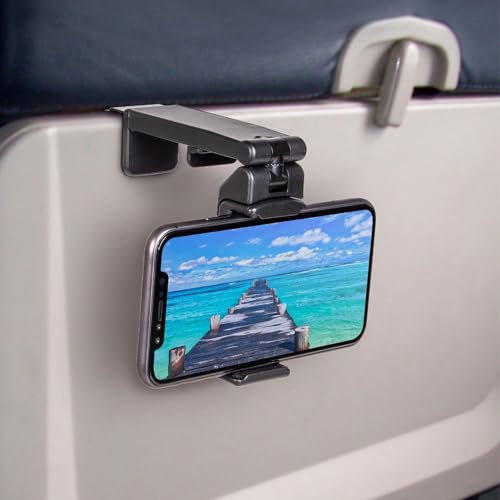
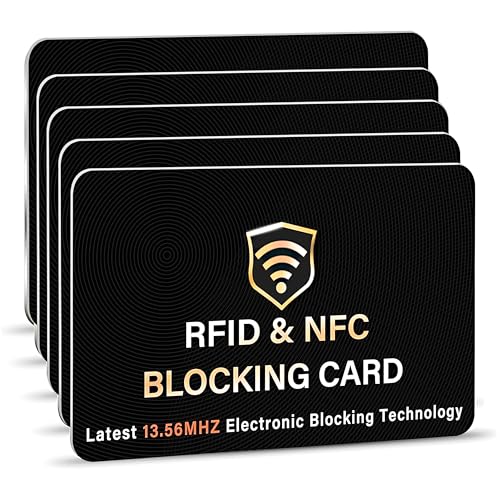
Recommended Europe Metro Travel Essentials


Recommended blogs to read
- Things to Do in Paris, France
- Things to Do in Barcelona, Spain
- How to Avoid Pickpockets in Europe
- Europe Travel Tips
- Europe Train Planner / Interrail Trip Guide
Which European Subway Systems Are the Best?
London Tube
The Tube wins on every metric. 272 stations, 5 million daily trips, 11 lines plus the Elizabeth Line (Crossrail), and Time Out’s 2025 survey ranked it #1 globally with 86% rider satisfaction. The Elizabeth Line is fully accessible. Contactless payment works at every gate (tap your card or phone). Daily caps mean you never pay more than €10 in zones 1 and 2 (€10) regardless of how many rides you take.
Berlin U-Bahn and S-Bahn
9 U-Bahn lines, 175 stations, plus the integrated S-Bahn suburban network. Time Out ranked Berlin’s transit best globally in 2023 with 97% local satisfaction. The €58/month Deutschlandticket covers all U-Bahn, S-Bahn, trams, and buses across Germany, which makes Berlin the best base for a multi-city German trip. Buy single tickets (€3.50) from machines at every station, validate before boarding, no contactless at the gate.
Paris Metro
16 lines, deep network across the city. The Grand Paris Express expansion adds lines 15, 16, 17, and 18 progressively, with Line 14 South and Line 15 east opening in 2025-26. Single tickets €2.10 (the “t+” carnet of 10 at €19.10 saves money for tourists). Navigo Easy card is the contactless option for visitors at €2 for the card plus €2.10 per trip. The week-pass Navigo Découverte at €31.60 covers all of zones 1-5 from Monday to Sunday.
Copenhagen Metro
Runs 24/7, fully automated, with 2-minute headways during daytime hours. Four lines covering the city plus the airport. The Copenhagen Card includes unlimited metro plus 80+ museum entries for 24-120 hours. Pay-per-ride via the DOT app or zone-based paper tickets. Newest stations (Cityringen 2019) feel like spaceships.
Oslo T-bane
101 stations across 6 lines. First 100% electric metro globally since 2023. Heavily reliable, on-time, and integrated with bus and tram. Single tickets via the Ruter app (NOK 42 zone 1 = €3.70) or 24-hour pass at NOK 121 (€10.70). The newest extension to the Fornebu peninsula opens through 2026.
Madrid Metro
302 stations, 12 lines, one of Europe’s largest and most modern systems. Single ticket €1.50 to €2 depending on distance. The Tarjeta Multi card (€2.50 issuance fee) plus €12.20 for 10 trips is the tourist value. Clean, frequent, and the airport line connects Barajas to Sol in 30 minutes.
How Do You Pay for European Subways?
Three payment systems dominate European metros and knowing which one your city uses saves time at the gate.
Contactless tap-and-go
London (universal), Madrid (most lines), Lisbon (Metro and Carris), Milan (ATM Milano), Amsterdam (OVpay nationwide), Brussels (STIB), Vienna (Wiener Linien testing), Helsinki (HSL). Tap your contactless credit card or phone (Apple Pay, Google Pay) at the turnstile. No ticket purchase needed. Daily and weekly caps usually apply automatically.
App-based with QR scan
Berlin (BVG Tickets app), Paris (Bonjour RATP app, Navigo on phone), Munich (MVV app), Stockholm (SL app), Copenhagen (DOT app). Buy single tickets or day passes in-app, scan QR at the gate. Useful in cities where contactless isn’t yet rolled out.
Paper ticket or reloadable card
The fallback in every European city. Buy at the machine, sometimes validate before boarding, keep until exit. Best for visitors uncomfortable with apps or contactless. Slightly more expensive in some cities (Paris) and exactly the same price in others (Berlin). Always carry one as backup if your phone dies.
What’s the Best Multi-Day Pass Strategy?
Three rules cover most European city subway visits:
Three or fewer days in one city
Use contactless tap-and-go in cities that support it (London, Madrid, Amsterdam, Lisbon, Milan). The daily cap protects against overspending. In app-based cities (Berlin, Paris, Munich), buy day passes only if you’ll take more than 4 trips per day.
Four to seven days
Week-pass usually wins. Paris Navigo Découverte (€31.60), London 7-day Travelcard (€52), Berlin AB weekly (€42), Madrid Metro Tourist Card 7-day (€36.10). The math holds at 4+ rides per day.
Multi-city Germany trip
Deutschlandticket €58/month covers all local public transit (U-Bahn, S-Bahn, tram, bus, regional trains) across all of Germany. Buy in-app, valid the full calendar month. Better than any city-specific pass if you’re visiting 2+ German cities.
Where Are European Subways Most Pickpocket-Prone?
About half of all European pickpocketing happens on public transit. The concentration is real and specific.
Barcelona Metro L3 and L4
The green line (L3) between Drassanes and Diagonal is the highest-theft transit segment in Europe. The 2025 Euro Weekly News data put Barcelona’s pickpocket rate at 2.9 times Spain’s national average. The yellow line (L4) at Jaume I and Urquinaona ranks second. Sagrada Família station at the 10 AM cruise-arrival window is third.
Paris Métro Line 1
The five named hot stations: Charles de Gaulle-Étoile, George V, Franklin D. Roosevelt, Champs-Élysées Clemenceau, and Châtelet. The RER B from Charles de Gaulle airport to Gare du Nord is the airport-arrival equivalent. Tired travelers, luggage, an hour-long ride, and the operators know exactly which carriage to work.
Rome 64 bus and Metro B
The 64 bus from Termini to St. Peter’s earned the nickname “pickpocket express” for a reason. Metro B from Termini to Colosseo is the second concentration. Termini concourse itself is the third.
The basic countermove
Bag in front of the body on busy trains. Phone in front pocket, not back. Wallet in a front zipped pocket. Stand with your back against a wall of the train when possible. Position one: hand on bag. Position two: stay alert at door-opening windows when groups board behind you.
Want a real plan for the trip including transit and gear?
The Savings Tracker’s Planner gives you monthly targets and the math to fund the trip without surprises.
Frequently Asked Questions
What’s the best subway system in Europe?
The London Tube wins Time Out’s 2025 global ranking with 86% rider satisfaction, 272 stations, and 5 million daily trips. Berlin’s U-Bahn ranks #2 globally with 97% local satisfaction. Copenhagen Metro runs 24/7 fully automated. Oslo T-bane is 100% electric.
How do you pay for the European metro?
Three options: contactless tap-and-go (London, Madrid, Lisbon, Milan, Amsterdam, Brussels), app-based QR scan (Berlin, Paris, Munich, Stockholm, Copenhagen), or paper ticket. Most cities now support tap-and-go with credit cards or Apple/Google Pay.
Is the London Tube cheaper with a card or paper ticket?
Contactless card or Oyster always beats paper. Paper single tickets cost €8 in zone 1. Contactless caps at €10/day in zones 1-2 (about €10). For 7 days, the cap is €48 (€48). No need to buy tickets, just tap.
Which European metro is safest from pickpockets?
Copenhagen, Oslo, Helsinki, Vienna, and the Swiss city metros (Zurich, Geneva) have the lowest pickpocket rates. Highest-risk lines: Barcelona Metro L3 and L4, Paris Métro Line 1, Rome Metro B and the 64 bus, Athens M1 Monastiraki.
Is a multi-day metro pass worth it?
Yes at 4+ rides per day. Week passes: Paris Navigo €31.60, London 7-day Travelcard €52, Berlin AB weekly €42, Madrid 7-day €36.10. For multi-city Germany trips, the Deutschlandticket €58/month covers all local transit across Germany.
Do European subways run 24/7?
Few do. Copenhagen Metro runs 24/7 fully automated. London Night Tube runs on five lines Friday and Saturday only. Berlin U-Bahn runs weekends until late and weeknights to 1 AM. Paris Metro closes 1:15 AM weekdays and 2:15 AM weekends. Plan night returns accordingly.
Key Takeaways
- London Tube #1 globally in Time Out 2025 (86% satisfaction). Berlin U-Bahn #2. Copenhagen runs 24/7. Oslo is 100% electric.
- Contactless tap-and-go works in London, Madrid, Lisbon, Milan, Amsterdam, Brussels. Daily caps protect against overspend.
- Multi-city Germany trip: Deutschlandticket €58/month covers all U-Bahn, S-Bahn, tram, bus, regional trains.
- Highest pickpocket risk: Barcelona Metro L3, Paris Métro Line 1, Rome Metro B plus 64 bus. Bag in front, phone front pocket.
Final Thoughts
European subways are the cheat code that makes the cities work. The London Tube at rush hour, the Berlin U-Bahn at 11 PM running every 5 minutes, the Copenhagen Metro arriving every 2 minutes around the clock, all of it adds up to a continent where you almost never need a car. Master the contactless tap-and-go cities, learn the app trick for the others, keep the bag in front on Line 3 in Barcelona and Line 1 in Paris, and the cities open up.