Quick Answer: A Northern Lights holiday means going to one of four countries during the active aurora window (late September through early April), basing yourself above or near the Arctic Circle, building at least three clear nights into the itinerary, and accepting that part of the trip is weather-luck. The strongest 2026 bases are Tromsø in Norway, Saariselkä and Levi in Finnish Lapland, Abisko in Swedish Lapland, Iceland’s Reykjanes peninsula or Westfjords, and the Lofoten Islands for travellers who want the most photogenic landscape. The current solar maximum makes 2026 the best aurora-viewing year since 2014.
Last updated: May 2026 · Prices and opening hours verified May 2026.
If you’ve been delaying a Northern Lights trip, the calendar is closing on you. The sun runs on a roughly eleven-year activity rhythm that swings between quiet years and intense ones, and we’re currently at the tail end of an unusually strong solar maximum. NASA and NOAA have both confirmed that the peak of this cycle (technically Solar Cycle 25) extends through 2026 and into the first half of 2027, after which aurora activity starts winding down toward a quieter floor that won’t recover until the mid-2030s.
That has practical consequences for trip planning. Aurora viewing has always been a probabilistic game, with cloud cover, latitude, and solar activity all combining to produce or kill any given night’s show. The solar activity part of that equation is doing the heavy lifting for you in 2026 in a way it won’t again for a long time. Trips booked in this window have measurably stronger odds of seeing strong, colourful, sky-filling displays rather than the faint green smudges that travellers in low-activity years sometimes settle for.
This guide handles the seven decisions that actually determine whether your aurora trip works: where to go, when to go, how many nights to budget, how to read the forecast, what to pack, where to stay, and what to do during daylight. The four bases the post lands on (Tromsø, Finnish Lapland, Swedish Lapland, Iceland) are the ones where the trip mechanics genuinely deliver. The Nordic regional guide handles the wider country context if you’re combining the aurora trip with other destinations.
Timing the aurora window to your actual travel dates?
The Ultimate Europe Trip Planner has the solar activity forecast windows, the moon-phase calendar (a dark moon helps), and the typical cloud-cover patterns by week for each major aurora base, so you book the week that gives you the strongest odds rather than the week that happens to be on sale.
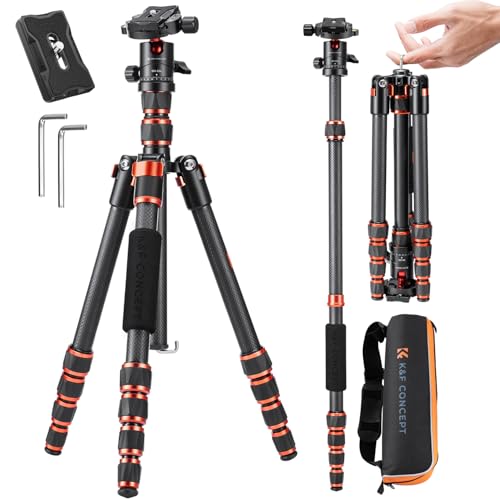
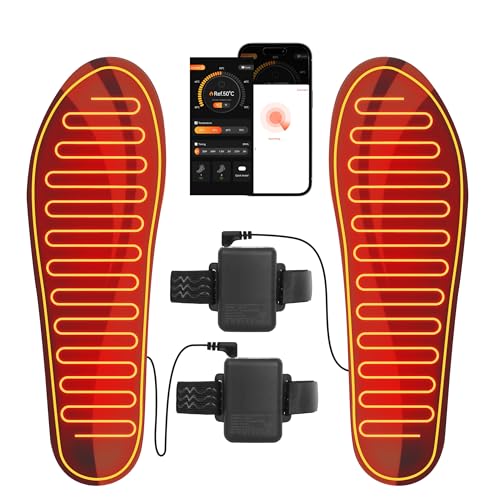
Gear That Earns Its Place in an Aurora Trip
Aurora photography rewards a specific set of equipment beyond a normal cold-weather packing list. Six items that come up over and over in successful aurora trips.




Why Is 2026 the Best Year for Northern Lights?
The northern lights are caused by solar wind (charged particles streaming from the sun) hitting the earth’s magnetic field and exciting gas molecules in the upper atmosphere. Oxygen gives you the green and red bands, nitrogen the purples and blues. Stronger solar wind means more particles, which means brighter, faster-moving, more colourful aurora that reaches further south than usual.
The sun’s output isn’t constant. It runs through an approximately eleven-year activity cycle, swinging between solar minimum (quiet, few sunspots, weak aurora) and solar maximum (active, lots of sunspots, geomagnetic storms, intense aurora that occasionally pushes the visibility line as far south as the UK or even central Europe). The previous solar maximum peaked around 2013 and 2014. The current one (Solar Cycle 25) hit its peak in 2024 and 2025 and is now in its active tail, with elevated activity expected through 2026 and into early 2027.
What this means concretely for an aurora trip: nights that would have shown a faint green arc in 2019 are now showing full overhead displays. Geomagnetic storm events (the ones that push aurora visibility south of the usual band) are happening multiple times per month rather than a few times per year. The same exact base, the same exact week of the year, will produce a dramatically different trip in 2026 than it did in 2019.
After 2027, the cycle starts winding down. By 2030 the activity floor settles back to solar minimum levels and stays there for several years. The next solar maximum window won’t open until the mid-to-late 2030s. So the trip you book now has odds you genuinely can’t replicate later in the decade.
Where Are the Best Bases for Aurora Hunting in 2026?
Aurora viewing requires three things at once: high enough latitude (ideally 65°N or above), clear skies (which means avoiding coastal precipitation belts), and minimal light pollution. Four bases sit at the intersection of those three conditions and have the visitor infrastructure to support the trip.
Tromsø, Norway (69°N)
Tromsø is the gateway to Arctic Norway and the most-booked aurora base in the entire region. It sits at 69° north latitude, well inside the aurora band, with full-city tour operator infrastructure that runs nightly chases in heated buses driving inland to whichever spot has clearest sky each night. The downside: the city sits on the coast, which means cloud cover from the Gulf Stream is more common than at inland bases. The mitigation: book a tour operator who actively chases the clear skies rather than committing to one viewing location. A 4-night stay gives you roughly two to three legitimate viewing chances after factoring weather. Combine with whale watching, dog sledding, and the cable car up Storsteinen for daytime activities. The wider Norway travel guide covers the country-wide context.
Finnish Lapland: Saariselkä, Inari, and Levi (68°-69°N)
Finnish Lapland delivers the highest-density aurora package experience. The combination of inland location (drier skies than coastal Tromsø), high latitude, dense forest landscape, and purpose-built aurora accommodation (glass igloos, snow hotels, log cabins) makes the trip more turnkey than alternatives. Saariselkä and Inari deeper north have stronger aurora odds; Levi closer to Rovaniemi has slightly weaker odds but stronger tour infrastructure. Rovaniemi itself (66°N, just on the Arctic Circle) has weaker statistical odds but easier flight access and the Santa Claus Village layer. The Finland aurora timing guide and best places for northern lights in Finland handle the specifics. The Finland winter guide covers the broader cold-season trip.
Abisko and Kiruna, Sweden (68°N)
Abisko is the aurora outlier of the region. It sits in a microclimate created by the surrounding mountains that produces unusually clear skies even when neighbouring areas are clouded over. The Aurora Sky Station above the village (reached by chairlift) is purpose-built as a dedicated viewing platform with minimal light pollution and hot drinks indoors. Statistical viewing odds at Abisko sit higher than any other base in the region. Kiruna is the larger town an hour east by train, home to the original Icehotel at Jukkasjärvi. Combine Abisko for the aurora chase with Kiruna for the snow-hotel experience. The Sweden travel guide goes wider.
Iceland: Reykjavík, Westfjords, and the Snæfellsnes Peninsula (64°-66°N)
Iceland sits at lower latitude than the other three bases (Reykjavík is at 64°N, below the Arctic Circle entirely), which means viewing odds are statistically lower for the same level of solar activity. The compensation is the country’s small size, which lets you chase clear skies efficiently. Reykjavík tour operators drive 1-3 hours each direction nightly to wherever the cloud cover is thinnest. The Westfjords and Snæfellsnes peninsula in the west of the country have darker skies than Reykjavík. The Ring Road itself extends the aurora window across multiple latitudes if you’re doing the full circuit. The Iceland travel guide handles the country-wide context. Iceland is the cheapest of the four bases to fly into from North America.
Honourable Mention: Lofoten Islands, Norway (68°N)
Lofoten doesn’t have the same level of dedicated aurora tour infrastructure as Tromsø or Abisko, but it produces the most photogenic aurora images of anywhere in the region. The mountains rising straight out of the ocean with red rorbuer cabins along the harbours give you a foreground that no other aurora base can match. The downside: logistics. Reaching Lofoten requires a flight to Bodø or Evenes plus a ferry or onward flight, and the road network inside the islands is narrow and slow in winter. Worth the extra trouble for photographers who care about the composition, less so for first-time aurora hunters who want maximum viewing odds.
When Should You Book a Northern Lights Trip?
The aurora window opens roughly when the nights get dark enough (late September) and closes when they stop being dark enough (early April). Inside that six-month window, three timing factors shape your odds.
The Best Months Statistically
The two equinox months (September and March) produce slightly higher aurora activity on average because of how the earth’s magnetic field aligns with the solar wind during those periods. Late September through October gives you the autumn-landscape combination (ruska in Finnish, the autumn colour season in Lapland). December through February gives you the maximum-darkness combination (around the polar night in the far north). March gives you milder weather, longer days for activities, and the equinox bump.
The Worst Months
Avoid late April through August entirely. The midnight sun phenomenon above the Arctic Circle means it never gets dark enough to see aurora even when activity is high. May and August both have brief windows but the activity is mostly invisible against the bright sky.
Moon Phase
A full moon dramatically washes out aurora visibility, especially the fainter displays. New moon nights and the week on either side of new moon give you the darkest skies. For peak conditions, time the trip to coincide with the dark-moon window. Check a lunar calendar for 2026 dates before booking flights.
How to Read an Aurora Forecast
The aurora forecast looks intimidating to first-time viewers but the inputs are simpler than they appear.
The Kp Index
Kp is the global geomagnetic activity index, scaled 0 to 9. Higher Kp means stronger aurora and visibility further south. At Tromsø, Abisko, or deep Finnish Lapland, you can see aurora at Kp 1 or 2 if the sky is clear. South of the Arctic Circle (Rovaniemi, Reykjavík) you typically need Kp 3 or above. In the UK or central Europe, you need Kp 6 or 7. During the 2026 solar maximum window, Kp 4-6 nights are happening multiple times per month.
Local Cloud Forecast
The Kp index tells you what the aurora is doing above the clouds. The cloud forecast tells you whether you can see it. The yr.no service (run by the Norwegian Meteorological Institute) and the Foreca service for Finland give you the most accurate hyperlocal cloud forecasts in the region. Check both 24 hours and 6 hours out from your viewing time.
Useful Apps
My Aurora Forecast and Hello Aurora are the two most widely used aurora apps. The aurora forecast apps guide breaks down which app does what best. Both notify you when activity spikes, which matters because aurora often comes in 20-40 minute bursts rather than steady displays. Sleeping through the alarm because you didn’t set one is the most common reason trips miss the show.
Maximizing Your Odds Across a Trip
A few practical rules consistently separate the trips that see the lights from the trips that don’t.
Stay at least 4 nights, ideally 5. Two-night trips fail more often than they succeed because cloud cover takes one night out of the equation and partial activity on the other doesn’t always count. Five nights gives you statistical breathing room.
Choose a base with active chase tour operators. If you commit to one spot for five nights and the cloud sits there for four of them, you lose. Tour operators who drive 1-3 hours to chase the clear sky every night dramatically improve your viewing odds even when the local weather is bad.
Don’t sleep through the first 30 minutes of true darkness. Most aurora visible to the naked eye is faint enough that your eyes need ten minutes to fully adjust. Step outside, walk 200 metres away from any light source, look north, and let your eyes settle for a full ten minutes before deciding the sky is empty.
Bring a camera even if photography isn’t the goal. Modern phone cameras (especially on long-exposure night mode) pick up aurora that the naked eye barely registers. A test shot is often the first confirmation that something is actually happening overhead.
Daytime Activities That Anchor the Trip
Aurora trips happen between roughly 8pm and 2am. The rest of the day needs filling, and the standard Arctic activities are part of what makes the trip work as a full vacation rather than just a chase.
Husky sledding is the most-booked daytime activity across all four bases. The dogs run hard, the sled requires concentration to steer, and a half-day tour gives you a properly different cold-weather experience. Snowmobile safaris work similarly. Reindeer sleigh rides (especially at Sami-owned working farms in Finnish Lapland) add cultural depth that the other activities don’t.
For the slower trip, ice fishing, sauna culture, snowshoeing, and ice swimming all fit naturally. Tromsø adds whale watching (orcas and humpbacks return to the fjords around Tromsø between November and January). Iceland adds glacier walks, ice cave tours (December through March only), and the geothermal lagoon network. The winter destinations in Europe guide covers the broader cold-season trip options.
Where to Sleep on an Aurora Trip
Accommodation falls into four categories with different cost and experience tradeoffs.
Glass igloos and aurora cabins. Purpose-built rooms with thermal glass ceilings or panoramic windows angled at the northern sky. Kakslauttanen in Finnish Lapland is the original. Aurora Village, Northern Lights Village, and Wilderness Hotel Muotka are competitors at €350-700 per night. Book one night, not five, because the novelty fades fast and the cost-per-night argument loses to regular hotel plus dedicated tour.
Snow hotels and ice hotels. Hand-carved rooms rebuilt each winter from December to April. The Icehotel at Jukkasjärvi, the SnowHotel at Kemi, and the Arctic SnowHotel near Rovaniemi all run €350-500 per night. Same one-night rule applies.
Wilderness cabins and log lodges. Off-grid cabins on lakeside or forest sites with private saunas and oil-stove heat. The most authentic version of the trip and the one Finns themselves choose. Less photogenic than glass igloos, more relaxing as a base for multiple nights. €120-280 per night.
Standard hotels with tour pickup. The pragmatic option. Base in Tromsø, Rovaniemi, or Reykjavík in a normal hotel for €150-250 per night, and book tour-operator chases that drive you to the dark-sky viewing locations. Lower cost per night, more flexibility, and easier daytime city access.
Booked the dates but unsure how to read the aurora forecast?
The Ultimate Europe Trip Planner includes a forecast-reading walkthrough, the moon-phase calendar, and a list of which apps actually work in each region, so you spend the trip looking at the sky rather than fighting your way through five different forecast services.
| Base | Country | Strength | Best month |
|---|---|---|---|
| Tromsø | Norway | Strongest activity, easiest flights | Feb-Mar |
| Rovaniemi | Finland | Reliable, family-friendly, Santa Village | Dec-Feb |
| Abisko | Sweden | Clearest skies in Europe (Aurora Sky Station) | Jan-Mar |
| Reykjavík | Iceland | Combined with Ring Road, big swings | Sep-Mar |
Practical Aurora-Trip Questions
What Kp index do I need to see the Northern Lights?
Above the Arctic Circle (Tromsø, Saariselkä, Abisko), Kp 1 or 2 is enough to see something if the sky is clear. South of the Arctic Circle (Rovaniemi, Reykjavík), you typically need Kp 3 or higher. The further south you go, the higher the Kp needs to be. During the 2026 solar maximum window, Kp 4-6 nights are happening multiple times per month.
Can I see the Northern Lights from my hotel window?
Sometimes, but light pollution from the building itself usually washes out faint displays. Glass igloos and aurora cabins are designed specifically to handle this with angled ceilings and low ambient interior lighting. Standard hotel rooms work for strong displays only. The reliable approach is to walk 200 metres from the building to a darker spot.
Do I need a tour or can I see them on my own?
You can absolutely see them on your own if you’re at a high-latitude base with clear skies. The value of a tour is the chase: a guide who drives 1-3 hours each direction to find the clear sky and a darker viewing spot, which dramatically improves your odds on cloudy local nights. First-time visitors benefit from booking at least one tour to learn what to look for, then doing self-led viewing on subsequent nights.
What if the forecast looks low for my trip?
Don’t cancel. Aurora forecasts are accurate roughly 24 hours out, sometimes 48 hours. Anything beyond that’s loose probabilistic guessing. A trip booked four months ahead can hit any kind of activity level. Show up, stay flexible, and use the daily forecast to choose viewing nights.
How many nights minimum should I budget?
Four nights is the workable minimum. Five is the comfortable target. Two or three nights makes cloud cover or low activity into a trip-killer. Booking longer lets you absorb a bad night without losing the trip.
Can young kids enjoy a Northern Lights trip?
Yes, but with realistic expectations. Aurora viewing happens late at night (typically 9pm to 1am, sometimes later) which is past most kids’ bedtime. Build the trip around the daytime activities (husky sledding, reindeer farms, Santa Claus Village if in Finland) and treat the aurora as a bonus if it appears. Finnish Lapland is the most family-friendly of the four bases.
Key Takeaways
- 2026 is the strongest aurora year since 2014 thanks to the solar maximum. The next equivalent window arrives in the mid-to-late 2030s.
- The four anchor bases are Tromsø in Norway, Rovaniemi or Levi in Finnish Lapland, Abisko or Kiruna in Swedish Lapland, and Reykjavík in Iceland.
- The Kp index measures geomagnetic activity. Kp 3 or higher usually means visible aurora at the right latitude and a clear sky.
- Glass igloos book 8-12 months ahead. Standard cabins and hotels need 4-6 months for prime aurora-season dates.
- Stay at least four nights at any aurora base to give yourself a real shot at clear skies plus active aurora overlap.
- Aurora forecast apps (My Aurora Forecast, AuroraWatch, Glendale App) plus cloud-cover data make the chase predictable rather than random.
Making the 2026 Window Count
If a Northern Lights trip has been sitting on your wishlist, the case for booking it sooner rather than later is unusually clear. The solar maximum that started building in 2023 is still active in 2026, will weaken through 2027, and won’t return at this intensity until the mid-to-late 2030s. The same trip booked in 2029 or 2030 will deliver the same destinations, the same accommodation, the same daytime activities, and roughly a tenth of the aurora intensity.
For the wider winter-trip context, the winter destinations in Europe breakdown covers the broader cold-season options. The country-specific Finland, Sweden, Norway, and Iceland guides open up the actual destination details.
One of my mom’s biggest dreams is to watch the northern lights at least once in her life. Now that I know Iceland isn’t the only country to spot them, I wish I can take her to Canada so we both can share such an unique experience!
You must!
Is it true that you can spot the northern lights too at the right timing even when you’re up in a plane? I saw a posts that says so. The one who posted it saw it in Finland, if I’m not mistaken.
Hi Mae! Yes, it is possible to see the northern lights while you’re in a plane 🙂
I want to see in denmark
I am aware of the Northern Lights as a phenomenon but the question is how do you catch it? Even the article cannot pinpoint when but for those who have seen it good for you. For those that did not like myself. I believe that I will see it soon.
Hi Shealyn! Aurora Borealis is a natural phenomenon that can be seen during the winter season (November-March) in Northern countries when the amount of sunlight is limited and skies are clearer for better viewing. Unfortunately, it is something no one can really predict when it will appear or not as it is a finicky thing and sometimes you’ll require a camera set to capture on low light for a time period 🙂
I already visited Alaska never knowing that I could see Northern Lights there. Sad :(. I should go to the other places listed ASAP!
Another reason to go back! 🙂
I totally love the Northern Lights. I want to see them very much. Finland, Alaska, Norway, or Scotland; it does not matter. I would go anywhere to see the Northern Lights.
This idea has never crossed my mind. Wow! Am starting imagining how fun it would be to visit this places.
Who knew you could choose so many places to go to watch the Northern Lights? Weird that I’ve been living in US for so long but didn’t think to go to Alaska to have a Northern Lights holiday. Mind blown!
All the great writers have written of the aurora borealis. Now we have a chance of a lifetime to witness it first hand.
My wife believes that Canada and Norway has the most beautiful, breathtaking Aurora Borealis. I would give anything to experience these magical moments just once.
Wonderful selection. Your 10 selected places is really famous in the world. There I loved island and Greenland this 2 places is one of the best places in the 10 places. That is my opinion. Thants for share this information. Don.t stop writing I will follow our blog.