Quick Answer: The top ski resorts in Europe for a winter holiday separate by criterion: heritage (Cortina d’Ampezzo, Zermatt, St Moritz), terrain caliber (Chamonix, Verbier, Engelberg), hospitality (Courchevel 1850, Lech-Zürs), and exclusivity (Klosters, Megève, Madonna di Campiglio). For 2026 the Cortina Olympics put the Italian Dolomites at the centre of the season, with surrounding villages often delivering the better trip during the February window.
Last updated: May 2026 · Prices and opening hours verified May 2026.
Cortina d’Ampezzo hosted the 1956 Winter Olympics. The town will host the 2026 Olympics seventy years later. Zermatt has functioned as a Matterhorn-anchored ski destination since the 1860s. St Moritz invented winter tourism in 1864 when a hotelier named Johannes Badrutt bet his English summer guests that they would enjoy returning in winter (they did, and the world’s first winter resort was born from the wager). Chamonix has been the world capital of mountaineering since the first ascent of Mont Blanc in 1786. Courchevel 1850 has the most Michelin-starred restaurants of any Alpine village. None of these positions were assembled quickly. They settled over a century or more of accumulation.
That layered history is the reason “top” carries different weight at European resorts than at most other ski destinations. A top European resort is rarely the newest, the largest, or the most marketed. It is more often the one with the deepest reservoir of accumulated infrastructure, hospitality knowledge, terrain access, and cultural confidence. The Olympic Games in Cortina for February 2026 sit inside this older pattern rather than disrupting it. The world’s attention turns to Italy for two weeks, and the resorts on this list (which have been at the top for decades or centuries) absorb the moment without changing their identity.
This guide approaches the top-resort question through four criteria (heritage, terrain caliber, hospitality, exclusivity), then the 2026 Olympic effect, then the Nordic top picks that don’t fit the Alpine template. For the budget-end angle, the budget ski guide handles the cost-driven decisions. For the wider decision framework, the ski destinations guide covers all tiers. For snowboard-led trips, the snowboarding resorts guide handles park and freeride scenes.
Booking the once-a-year premium ski trip and want every detail to land?
The Ultimate Europe Trip Planner pairs each top-tier resort with the booking windows, the hotel tier ranges, the restaurant reservations worth securing months out, and the city extensions that turn the ski week into a wider European holiday. The premium trip ends up at the level it was meant to be without surprises arriving with the final invoice.
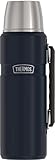
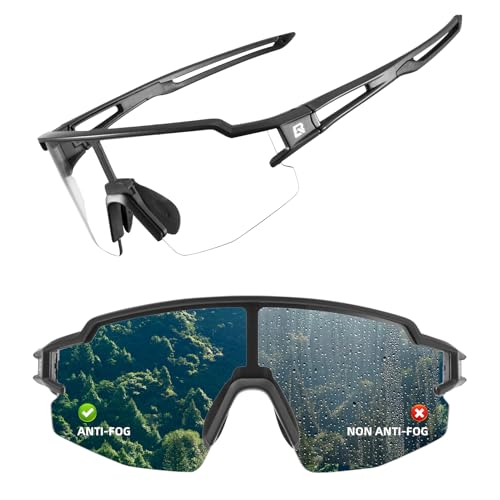
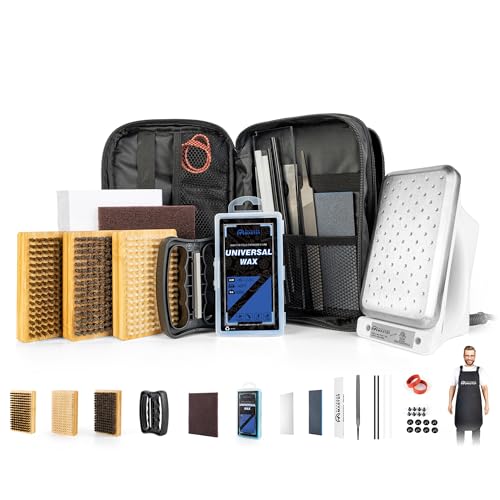
Gear That Earns Its Place at a Premium Resort
Six pieces of kit consistently distinguish a comfortable premium ski week from one that compromises on small things. None replace what the resort provides at rental, but each lifts the day-to-day experience meaningfully.



What Makes a European Ski Resort Genuinely Top?
The word gets overused. Plenty of resorts market themselves as top destinations without earning the label by any consistent measure. Four criteria separate the genuine top tier from the merely well-marketed.
Heritage. The resort has functioned as a destination for at least sixty or seventy years and accumulated the infrastructure, hospitality knowledge, and cultural confidence that come with that span. Newer resorts can be excellent, but they tend to be built around a single vision rather than layered through generations of additions and refinements.
Terrain caliber. The mountain itself offers something specific and rare. World-class off-piste lines, a famous descent, an iconic peak, or a documented combination of vertical drop, snow reliability, and lift access. Top resorts have terrain stories that get told repeatedly across decades.
Hospitality. The hotel and restaurant tier runs to genuine luxury rather than mid-tier with luxury pricing. Michelin stars, restored historical properties, third-generation family-run operations, and the breadth of staff who anticipate rather than respond. A top resort delivers the off-mountain experience at the same level as the on-mountain experience.
Exclusivity. Not the absence of other people (top resorts can be busy), but the presence of a specific crowd that frequents the destination for reasons other than the marketing. The royal family in Klosters, the European old-money in Megève, the financial elite at Davos for the World Economic Forum, the international fashion industry in Courchevel during peak season. These crowds confirm the resort’s position rather than chase it.
A resort that hits three of these criteria sits in the top tier. A resort that hits all four sits at the pinnacle. The five resorts that arguably hit all four (Zermatt, St Moritz, Verbier, Courchevel 1850, Cortina d’Ampezzo) anchor the European ski-prestige map. Others lean on one or two criteria more than the rest.
Top by Heritage and Legacy
The resorts that defined what modern European skiing looks like.
Cortina d’Ampezzo, Italy
Cortina hosted the 1956 Winter Olympics and hosts the 2026 Games seventy years later. The town sits in the heart of the Dolomites with the Tofane and Cristallo massifs as the visual backdrop. The skiing splits across multiple linked areas connected by the Dolomiti Superski lift pass, which covers 1,200 kilometres of pistes across the region. The town itself is genuinely elegant rather than purpose-built, with cobblestoned shopping streets, Italian dining culture, and hotel properties dating back to the early twentieth century. Cortina earns its top-tier position on every criterion. For 2026 specifically, the Olympic window in February makes Cortina hard to book directly, but the surrounding Dolomites villages (Selva, Corvara, San Cassiano, Madonna di Campiglio) deliver a similar trip experience with better availability. The Italy travel guide handles the wider context.
Zermatt, Switzerland
Zermatt has been a destination since the first ascent of the Matterhorn in 1865. The village is car-free (electric taxis only) and sits at the foot of the Matterhorn, which provides the most photographed mountain backdrop in skiing. The terrain extends across the Swiss-Italian border into Cervinia and runs from 1,620m up to 3,899m at the Klein Matterhorn summit, which makes Zermatt one of the highest-altitude ski areas in Europe and gives the resort exceptional snow reliability through April. The hotel scene includes restored historical properties (the Grand Hotel Zermatterhof dates to 1879) and modern luxury brands. Dining is strong, prices are predictably Swiss-premium, and the village atmosphere is refined without being austere.
St Moritz, Switzerland
St Moritz arguably invented winter tourism as a category in 1864 when Johannes Badrutt’s wager with English summer guests created the world’s first winter season. The town has hosted the Winter Olympics twice (1928 and 1948), maintains the Cresta Run (the bobsled track on natural ice), and runs the polo-on-snow tournament each February. The terrain is excellent (350km of pistes across the Engadine region) but St Moritz’s reputation rests as much on the off-mountain culture as on the skiing itself. Badrutt’s Palace Hotel anchors the hospitality tier alongside Suvretta House and Kulm Hotel. The atmosphere runs international and old-monied. Prices are the highest in European skiing.
Davos, Switzerland
Davos balances heritage with infrastructure scale that other Swiss premium resorts lack. The town hosts the World Economic Forum each January (which both lifts the international profile and complicates booking during that week), runs 300km of linked pistes across five mountain areas, and offers a substantial range of hotel tiers from boutique to grand. Less concentrated luxury than St Moritz, more practical infrastructure, and a slightly more accessible price point at the upper end. Travelers who want Swiss premium without St Moritz price levels often end up at Davos.
Which European Ski Resorts Have the Best Terrain?
The resorts that earn their position primarily through the mountain itself.
Chamonix, France
Chamonix is the world capital of mountaineering and the European reference point for big-mountain skiing. The Vallée Blanche descent from the Aiguille du Midi (3,842m) is the most famous off-piste run on the continent, and the Aiguille du Midi terrain itself requires real avalanche awareness and ideally a guide. The town sits in the shadow of Mont Blanc (4,808m, Europe’s highest peak) and runs an exceptionally strong guide-and-gear infrastructure thanks to its mountaineering heritage. The piste skiing across the Chamonix Valley (Le Brévent, La Flégère, Les Houches, Le Tour) is substantial but rarely the headline. The off-piste is the headline. The town runs international and active, with a real after-dark scene that operates independently of the ski lifts.
Verbier, Switzerland
Verbier is the Freeride World Tour finals host for a reason. The Bec des Rosses competition face is visible from the village. The Mont Fort lift reaches 3,330m and opens access to the freeride terrain that anchors the resort’s reputation. The piste system is also substantial (410km across the Four Valleys area when fully linked), so the resort works for skiers across levels rather than only experts. Verbier runs upscale internationally, with chalet rentals that hit serious price tags during peak weeks, the Farinet hotel as the village anchor, and a strong restaurant scene that mixes Swiss tradition with international polish. The clientele leans British, Scandinavian, and increasingly Russian and Middle Eastern at the top end.
Engelberg, Switzerland
Engelberg holds a top-terrain position with substantially lower luxury overhead than the other Swiss premium destinations. The Laub line is one of the most photographed big-mountain descents in Europe, the Titlis lift climbs to 3,000m, and the off-piste access across Galtiberg and Steinberg suits expert skiers. The town itself is small and unpretentious, with a Benedictine monastery as the historical centrepiece and a notably international skier crowd thanks to the resort’s strong reputation among Scandinavian and Asian freeride travelers. Less polish than St Moritz, far more terrain than Zermatt for a hard-skiing trip.
St Anton am Arlberg, Austria
St Anton is the Austrian terrain-and-après centrepiece. The Arlberg ski region links St Anton with Lech, Zürs, and Stuben for 305km of linked pistes plus extensive off-piste options across the Valluga area and Schindler Spitze. The skiing rewards strong intermediates and experts. The après-ski scene at St Anton is the loudest in the Alps, anchored at the MooserWirt and Krazy Kanguruh, and runs an atmosphere that splits opinion (people love it or want quiet). The town itself retains genuine Austrian character despite the resort scale. Prices sit notably below Swiss equivalents.
Which European Ski Resorts Have the Best Hotels?
The resorts where the hotel and dining tier is itself the reason to travel.
Courchevel 1850, France
Courchevel 1850 holds the most Michelin-starred restaurants of any Alpine village and runs the French luxury ski-resort template at its most concentrated. The village is the highest of four Courchevel altitude tiers (1300, 1550, 1650, 1850), with 1850 the dedicated luxury layer. Hotels include Cheval Blanc Courchevel (the Bernard Arnault property), Le K2 Palace, Les Airelles, and Aman Le Mélézin. Chalet rentals at the top end exceed €100,000 a week during peak season. The terrain is the Trois Vallées (600km of linked pistes, the world’s largest connected ski area), so the on-mountain experience matches the off-mountain. Courchevel 1850 in late January through February defines the international French ski luxury experience.
Lech and Zürs, Austria
Lech and Zürs operate as the discreet Austrian luxury alternative to Courchevel and St Moritz. Two adjacent villages linked by lifts, with limited bed numbers (Lech caps its accommodation to maintain the atmosphere) and a long tradition of family-run hotel properties at the top tier. The Arlberg ski area provides the terrain (linked with St Anton). The crowd skews German-speaking and discreet rather than international and loud. Restaurants run multiple Michelin-starred kitchens and the dining culture sits at the heart of the resort experience. Lech-Zürs is the right choice for travelers who want Courchevel-tier hospitality without the visibility.
Megève, France
Megève is the French old-money ski destination. The village was developed by the Rothschild family in the 1920s as the French answer to St Moritz, and the atmosphere has remained French-upper-class rather than international-luxury. The terrain is moderate (the resort suits intermediate skiers rather than experts) but the village itself is one of the most beautifully preserved Alpine settlements in France, with horse-drawn carriages still in use as a normal mode of village transport. The Four Seasons Megève anchors the modern luxury hotel scene alongside the historic Les Fermes de Marie. Smaller scale than Courchevel, more elegant village character, less international visibility.
Madonna di Campiglio, Italy
Madonna di Campiglio is the most polished Italian Dolomites destination after Cortina and arguably the better trip during the 2026 Olympic window. The village retains a traditional Italian alpine character (cobblestoned, with proper Italian dining at every level), the terrain extends across 150km of pistes including the Brenta Dolomites with their distinctive vertical rock formations, and the hospitality tier runs strong without St Moritz pricing. The Hotel Lorenzetti and DV Chalet anchor the modern luxury options. Italian Dolomites cuisine genuinely deserves the reputation, and Madonna di Campiglio’s restaurant scene is one of the great pleasures of premium European skiing.
Top by Exclusivity and Off-Mountain Culture
The resorts where who you meet at the village and what happens off the mountain matters as much as the skiing itself.
Klosters, Switzerland
Klosters sits adjacent to Davos and links to the same lift system but retains a quieter, more residential atmosphere. The British royal family has wintered in Klosters for generations, which sets the tone without dominating the village. The Walserhof hotel and Chesa Grischuna anchor the dining and hospitality scene. The terrain is identical to Davos (300km of linked pistes), so skiers get the same mountain experience with a meaningfully different village character. Klosters runs about thirty percent less expensive than St Moritz and substantially quieter than Davos during World Economic Forum week.
Gstaad, Switzerland
Gstaad runs the second tier of Swiss luxury after St Moritz. The village is small and chalet-built rather than hotel-dominated, the terrain extends across the Gstaad-Saanenland region (200km of pistes), and the international celebrity crowd that visits during the high season (mid-December through late February) creates the kind of after-dark scene that matters at this resort tier. The Gstaad Palace hotel anchors the experience and runs the famous New Year’s Eve gala. Less ski-focused than Verbier, more village-focused than St Moritz, and one of the few European destinations where horse-drawn carriages still operate as functional transport rather than tourist novelty.
Selva di Val Gardena, Italy
Selva di Val Gardena is the most internationally polished of the Italian Dolomites villages, and a strong premium pick for travelers who want Italian hospitality at the upper tier without the Olympic distortion in Cortina. The terrain links across the Sellaronda circuit (the famous four-pass ski tour around the Sella massif), which is a top-tier experience on its own. The village runs Italian, German, and Ladin (the local language) culture in parallel, with substantial high-end hotel and restaurant infrastructure. Adler Dolomites and Hotel Granbaita anchor the luxury hotel tier.
Cortina, the 2026 Olympics, and the Surrounding Choice
The Milan-Cortina Winter Olympics run from February 6 to 22, 2026. Cortina hosts the women’s Alpine skiing events, the curling competition, and several other disciplines. The town has invested substantially in infrastructure improvements (lift upgrades, expanded snow-making, improved village access) which remain after the Games conclude.
For premium travelers planning a 2026 trip, two paths exist. Path one: book Cortina directly for late March or April 2026 (after the Olympic window closes), which captures the upgraded infrastructure at substantially lower prices and with much better availability. Path two: book the surrounding Dolomites villages during February (Madonna di Campiglio, Selva di Val Gardena, Corvara, San Cassiano), which delivers a comparable terrain and luxury experience while staying close enough to visit Cortina for an Olympic day-trip if desired.
The Cortina February 2026 window itself has effectively closed to standard tourism. Hotel inventory contracted to the Olympic organizing committee more than a year out. Premium chalets in Cortina that remain on the market for the Olympic window carry pricing roughly double the normal February premium. The math rarely works for a regular trip unless the Olympic experience itself is the goal. The Cheval Blanc hotel group’s Cortina property and the historic Cristallo Resort run as the local luxury anchors during the Olympic window.
After the Olympics, Cortina becomes one of the strongest premium ski options in Europe with refreshed infrastructure and the Olympic spotlight having moved on. Late March 2026 trips to Cortina capture excellent value alongside the prestige.
Nordic Top Picks That Earn the Premium Slot
The Nordic ski destinations operate by different criteria than the Alpine ones but earn their slot in any serious top-resort discussion. The proposition is different: smaller terrain, lower prices than Swiss equivalents, and pairing with experiences (aurora, husky, ice hotels) no Alpine resort can match.
Levi, Finland
Levi is the largest Finnish ski resort and the most-developed Lapland ski destination. The terrain is genuinely substantial for the Nordic context (43 slopes, modern lift infrastructure, night-skiing for the polar-night season) and the surrounding experiences (aurora viewing, husky tours, the Santa Claus Village at Rovaniemi) make Levi the right choice for premium travelers who want to combine ski with the wider Lapland experience. The Hotel Levi Panorama runs the premium accommodation slot, with multiple glass-igloo and treetop-cabin options nearby. The Lapland Finland guide covers the wider context, and the Finland travel guide handles the country.
Åre, Sweden
Åre is Scandinavia’s most polished ski resort and the premium Nordic pick for travelers who want Alpine-quality village atmosphere with a Nordic location. The terrain is the largest in Scandinavia, the village runs proper restaurants and hotels at international tier, and the night-train connection from Stockholm makes the access uniquely civilized (overnight to the resort, no flight required). The Tott Hotel and the Copperhill Mountain Lodge anchor the premium accommodation tier. The Sweden travel guide handles the wider Swedish context.
Trysil, Norway
Trysil is the largest ski resort in Norway and the country’s premium ski destination. The terrain runs across 71 slopes and 31 lifts, the village atmosphere is genuine rather than purpose-built, and the snow conditions are highly reliable thanks to the cold Norwegian climate. Norwegian ski prices run higher than Swedish or Finnish equivalents but lower than Swiss top-tier resorts. Worth the slot for travelers who specifically want a Norwegian ski-and-fjord-extension trip. The Norway travel guide covers the country level, and the Nordic regional guide handles the wider trip-extension question.
Want the premium ski week to flow into the city extension that earns the long trip?
The Ultimate Europe Trip Planner connects each top-tier resort with its natural city pairing (Cortina to Venice, Zermatt to Lucerne or Milan, Courchevel to Lyon, Verbier to Geneva, St Moritz to Lake Como, Levi to Helsinki) so the ski week becomes part of a longer, layered European trip rather than a one-purpose vacation.
| Resort | Country | Top for | Signature feature |
|---|---|---|---|
| Zermatt | Switzerland | Heritage + scenery | Matterhorn views |
| St. Anton | Austria | Après-ski culture | Best nightlife in the Alps |
| Val Thorens | France | High altitude + snow | Highest resort in Europe (2,300m) |
| Courchevel 1850 | France | Luxury hotels + Michelin | Most premium resort in Europe |
| Cortina d’Ampezzo | Italy | 2026 Olympics + Dolomites | Hosting alpine events |
| Verbier | Switzerland | Freeride terrain | World Freeride Tour finals |
Top Resort Questions That Come Up
Which European resort is the most expensive overall?
St Moritz holds the consistent top of the price ladder across hotels, restaurants, and lift passes. Courchevel 1850 in France runs close at peak weeks and exceeds St Moritz for chalet rentals at the top end. Zermatt sits a clear tier below both but still expensive. Verbier reaches St Moritz pricing only during peak weeks. Gstaad and Klosters run slightly below the headline price tier. Outside the top three Swiss resorts and Courchevel 1850, premium European skiing rarely exceeds €4,000 per person per week including everything.
Are luxury European ski resorts worth the price premium?
The premium buys three things consistently: better hotel accommodation and dining, less crowded slopes thanks to higher chalet ratios per visitor, and the off-mountain cultural experience (Michelin restaurants, historic hotels, the village atmosphere). The skiing itself at premium resorts is often not meaningfully better than at mid-tier resorts with similar terrain. Travelers who prioritize the off-mountain experience get clear value. Travelers who only ski during daylight and eat anywhere in the evening get marginal value for the premium.
What is the single most prestigious ski resort in Europe?
The answer depends on which prestige metric matters. St Moritz holds the longest continuous winter-tourism heritage. Zermatt has the most iconic mountain backdrop. Cortina d’Ampezzo holds the Olympic legacy and the 2026 hosting. Courchevel 1850 has the densest concentration of Michelin stars. Chamonix holds the mountaineering heritage. Different criteria yield different top spots. For a single answer that hits the most criteria, St Moritz remains the consensus prestige top.
Can I visit Cortina d’Ampezzo during the 2026 Olympics as a regular tourist?
Yes, with significant caveats. Accommodation in Cortina itself for the Olympic window (February 6 to 22, 2026) is largely contracted to the organizing committee and what remains carries roughly double the normal premium. Visitors typically base in surrounding villages (Madonna di Campiglio, Selva di Val Gardena, San Cassiano, Corvara, even St Moritz across the Swiss border) and visit Cortina on day-trips with tickets to specific events. After February 22 and through April, Cortina becomes substantially more accessible with the upgraded infrastructure remaining.
What is the best non-Alpine luxury ski option?
Åre in Sweden combines the strongest village atmosphere in the Nordic region with hotel and restaurant tiers that approach international premium standards. The night-train access from Stockholm adds a uniquely civilized arrival experience. Levi in Finland is the alternative for travelers who specifically want the aurora-and-ski combination. Both run substantially below St Moritz or Courchevel pricing while still delivering a premium experience in their own register. Sierra Nevada in Spain offers a unique ski-plus-Andalusia combination but the resort itself doesn’t reach top-tier hospitality.
How far in advance should I book a top European ski resort?
For the December 26 to January 4 holiday window, ten to twelve months ahead at the top properties. For February school-holiday weeks, six to nine months ahead. For mid-January or mid-March (the value windows), three to four months ahead is usually sufficient. For 2026 specifically, the Italian Dolomites resorts need earlier booking than normal thanks to Olympic spillover. The premium chalet rentals at Courchevel 1850, Verbier, and Gstaad book a full year out for peak weeks.
Key Takeaways
- Four criteria separate genuine top resorts from well-marketed ones: heritage, terrain caliber, hospitality, and exclusivity.
- Cortina d’Ampezzo, Zermatt, and St Moritz lead on heritage. Verbier, Chamonix, and Engelberg anchor terrain caliber.
- Courchevel 1850 holds the most Michelin-starred restaurants of any Alpine village, with Lech-Zürs as the discreet alternative.
- The 2026 Cortina Olympics close the host town to standard tourism in February. Madonna di Campiglio and Selva di Val Gardena fill the gap.
- Nordic top picks (Åre, Levi, Trysil) deliver premium experiences the Alps can’t match, including aurora chasing and night-train arrival.
- Top resorts book ten to twelve months ahead for Christmas-New Year and six to nine months for February school-holiday peaks.
Final Thoughts on the Top European Ski Resort Pick
The premium European ski trip works on a different time horizon than most ski holidays. It is the trip that gets booked a year out, the trip the group has been talking about for a while, the trip that frames a specific birthday or anniversary or career milestone. The resorts in this guide hold their position not because they market hardest but because they consistently deliver the experience the booking imagined.
For 2026, the Olympic spotlight on Cortina makes the Dolomites region the season’s focal point. Travelers who can shift to late March or April capture the upgraded infrastructure at sharper value. Travelers who want the Olympic atmosphere itself can base in the surrounding villages and day-trip in for the events. The Swiss top tier (St Moritz, Zermatt, Verbier, Gstaad, Klosters) holds its place independent of the Olympic calendar. The French luxury anchor at Courchevel 1850 maintains the densest Michelin concentration in Alpine skiing. And the Nordic top picks (Åre, Levi, Trysil) offer a meaningfully different premium experience for travelers who have skied multiple Alpine top resorts and want something the Alps can’t match.
For wider context, the ski destinations guide covers the full decision framework, the budget ski guide handles the cost-end, the snowboard guide covers terrain park and freeride scenes, and the winter destinations guide opens up the non-ski versions of a premium winter Europe trip. The most beautiful countries in Europe guide handles route-level planning, and the Nordic regional guide covers the wider Nordic trip for travelers extending the Åre or Levi week.
I’ve never skied nor gone to Europe. These are all gorgeous places for skiing but looking at the photos make me shiver– everything looks extremely cold!
You don’t have to come during winter tho 😉 These places are equally stunning in summer!
Everything is beautiful. I like to see and experience winter. Create snowman and do snowball fighting but, realistically speaking, I don’t that my body is ready for that freezing cold.
Just dress properly and you’ll be fine!
I’m moving to Europe next year and since I come from a Caribbean country I’ve never skied in my life but I’m looking forward to it!!! Thanks for your recommendations. I can’t wait!
Glad you liked it!
I have always thought that Scandinavian countries were the top destinations when going for skiing. France looks like a good place to visit also.
ST. ANTON AM ARLBERG, AUSTRIA looks like a nice place for ski. From the look and your description in your post, it looks very cool to ski there.
They all look so amazing to visit and enjoy the snow. I’m in Asia so I’m really used to the warm weather and afraid of making my skin breaking out. I think I need to brave the weather to visit a cooler climate and be able to learn how to ski. Maybe one day, I’ll drop by one of the places on this list. 🙂
It seems like Finland takes the lions share of winter destination. Personally, its a favorite as well.
This review of ski resorts is excellent and I am spoiled for choice. All the wonderful facilities have been highlighted. My personal favorite is ALPE D’HUEZ, France because of its stunning scenery.
This is a very comprehensive listing. I have always dreamt of a time i can Ski or just watch other do it.The package at Verbier Hotel in Switzerland sounds like a great destination.
I don’t know how to ski! 😀 But I would really love to see these places one day.