The best tourist attractions in Iceland combine the Golden Circle (Þingvellir, Geysir, Gullfoss) with South Coast waterfalls, Jökulsárlón Glacier Lagoon, the Blue Lagoon, and Reykjavik landmarks. Plan 7 to 10 days for the highlights, longer for the Ring Road around the country.
Iceland packs more dramatic geology into a country smaller than Cuba than almost anywhere else on Earth. The island sits on the Mid-Atlantic Ridge, where the North American and Eurasian tectonic plates pull apart, and you can literally walk between two continents at Þingvellir. Glaciers, geysers, black sand beaches, lava fields, ice caves, and the Northern Lights all happen within a 4-hour drive of Reykjavik.
This guide covers the top 18 tourist attractions in Iceland organized by region (Golden Circle, South Coast, Reykjavik, north and east). For a full country guide, see our Iceland travel guide for first-time visitors.
Best Hotels in Iceland
Iceland hotels split between central Reykjavik (best base for first-timers) and dramatic regional stays (Þingvellir for Golden Circle, Hof for southeast glacier access, Westfjords for remote nature). Most travelers base 3 to 4 nights in Reykjavik then shift outward.
- The Reykjavik EDITION – luxury harbor hotel in central Reykjavik.
- Hotel Borg by Keahotels – historic 1930 art deco hotel near the Parliament.
- Hilton Reykjavik Nordica – mid-range pick on east edge of central Reykjavik.
- ION Adventure Hotel, Þingvellir – design hotel on the Golden Circle.
- Fosshotel Glacier Lagoon, Hof – southeast hotel near Jökulsárlón.
Top Tours to Book in Iceland
Iceland tours add real depth and remove the stress of self-driving in winter when roads ice over. Northern Lights chases are guided to maximize aurora odds, glacier hikes require certified gear, and many South Coast routes book up in summer.
- Golden Circle classic day tour – Þingvellir, Geysir, Gullfoss with hotel pickup.
- South Coast and Reynisfjara waterfalls tour – Seljalandsfoss, Skógafoss, black sand beach.
- Blue Lagoon day pass with shuttle – geothermal spa near Keflavik airport.
- Jökulsárlón Glacier Lagoon boat tour – iceberg-lake amphibian boat plus Diamond Beach.
- Northern Lights small group chase from Reykjavik – guided aurora hunt with thermal gear.
Recommended Iceland Travel Essentials
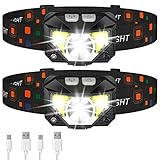
Iceland weather is extreme in any season, with rain, wind, and sudden cold even in summer. These five travel basics handle long glacier days, aurora chases, and the rapid weather changes that define an Iceland trip.



Recommended blogs to read:
- Iceland travel guide for first-time visitors
- Top places to visit in Scandinavia for a longer Nordic trip
- Best places to visit in Norway by region
- Top 20 Best Things to Do in Finland for a Nordic trip
Top 18 Tourist Attractions in Iceland
1. Þingvellir National Park (UNESCO)
Þingvellir is a UNESCO World Heritage Site where the North American and Eurasian tectonic plates pull apart visibly, with a rift valley you can walk between. The park is also where the Icelandic parliament was founded in 930 AD, the oldest continuously running parliament in the world. The Silfra fissure between the plates is the only place where you can dive between two continents.
Free entry; small parking fee. Allow 2 to 3 hours for the main paths.
Recommended read: Iceland travel guide for first-time visitors
2. Gullfoss Waterfall
Gullfoss is a two-tier waterfall on the Hvítá glacial river, dropping a total of 32 metres into a deep canyon. The path to the upper viewpoint puts you at the same level as the falls, with rainbow spray hanging in the air on sunny days. Gullfoss almost became a hydroelectric dam in the early 1900s; a local farmer’s daughter walked barefoot to Reykjavik in protest, and the falls were saved.
Free entry, paved paths. Open year-round but slippery in winter ice.
3. Geysir and Strokkur
The original geysir in Iceland is the namesake for every geyser in the world, but it now erupts only rarely. Its neighbor Strokkur is the reliable performer, erupting every 5 to 10 minutes with a 15 to 30-metre water column. The geothermal field also has bubbling mud pots and small hot springs around the active geyser area.
Free entry. Combine with Þingvellir and Gullfoss for the full Golden Circle.
4. Reynisfjara Black Sand Beach
Reynisfjara on the south coast has dramatic black volcanic sand, towering basalt columns, and the Reynisdrangar sea stacks rising from the surf. The beach is famous and dangerous: sneaker waves regularly drag tourists out to sea, with multiple deaths in recent years. New 2026 erosion safety updates restrict access during high tide.
Always stay 30+ metres back from the water line. Best at low tide on calm days.
5. Seljalandsfoss Waterfall
Seljalandsfoss is the famous waterfall on the south coast where you can walk behind the falling water through a small cave. The 60-metre cascade originates from the Eyjafjallajökull glacier above. The walk-behind path is closed in winter due to ice; spring through autumn is the best window.
Small parking fee; free entry. Bring a waterproof jacket; the spray is heavy.
Recommended read: Best time to visit Finland for Northern Lights
6. Skógafoss Waterfall
Skógafoss is the iconic 60-metre wide single-drop waterfall east of Seljalandsfoss, with a 527-step staircase to the top viewpoint. Rainbows are common on sunny days due to the dense spray. The Fimmvörðuháls hike continues from the top of the falls 25km across two glaciers to Þórsmörk.
Free entry. Best photographed in the morning when the sun hits the falls directly.
7. Vatnajökull Glacier (Largest in Europe)
Vatnajökull is the largest glacier in Europe by volume, covering 8% of Iceland and feeding several outlet glaciers visible from the Ring Road. Skaftafell (now part of Vatnajökull National Park) is the easiest access point for guided ice cave tours and glacier hikes.
Always go with a certified guide; the glacier moves and crevasses appear daily. Best September through March for ice caves.
Recommended read: Top 17 Best Things to Do in Svalbard, Norway
8. Jökulsárlón Glacier Lagoon
Jökulsárlón is the deepest lake in Iceland (200+ metres), filled with icebergs that have calved off the Breiðamerkurjökull glacier and slowly drift toward the sea. Boat tours navigate between the bergs; in winter, parts of the lagoon freeze. The lagoon was a Nat Geo cover and the filming location for several Bond films.
Open year-round; boat tours run May through October. Pair with Diamond Beach across the road.
9. Diamond Beach
Diamond Beach sits on the black sand coastline directly across the Ring Road from Jökulsárlón, where icebergs drift down the river outflow and wash up on the beach in scattered “diamonds” of glacial ice. The contrast of clear blue ice on black sand makes for some of the most photographed shots in Iceland.
Free, public, open 24 hours. Best in the morning when the icebergs are freshest.
10. Blue Lagoon Geothermal Spa
The Blue Lagoon is the iconic geothermal spa 20 minutes from Keflavik International Airport, with milky-blue mineral-rich water at 38 to 40°C year-round. The water is wastewater from the adjacent geothermal power plant; high silica and algae content give the lagoon its color. Booking is essential, often 2 to 3 weeks ahead in summer.
Most visitors stop on the airport transfer day. Allow 2 to 3 hours.
11. Sky Lagoon Reykjavik
Sky Lagoon opened in 2021 in Kópavogur (8 minutes from central Reykjavik) and is the urban alternative to the Blue Lagoon. The seven-step ritual (lagoon, cold plunge, sauna, cold mist, body scrub, steam, shower) takes about 90 minutes. The infinity edge looks out over the North Atlantic.
Quieter than the Blue Lagoon and easier to combine with a Reykjavik base. Booking essential.
12. Hallgrímskirkja Church (Reykjavik)
Hallgrímskirkja is the 74.5-metre concrete church that defines the Reykjavik skyline, designed to mimic the basalt columns of Reynisfjara and the Svartifoss waterfall. The elevator to the top observation deck has 360-degree views over the colorful Reykjavik rooftops and the surrounding mountains.
Free to enter the church; small fee for the tower. Open year-round.
13. Harpa Concert Hall
Harpa is the geometric glass concert hall on the Reykjavik harbor, designed by Olafur Eliasson and completed in 2011 after the 2008 financial crisis. The crystalline glass facade reflects the harbor and changes color through the day; the lobby is free to walk through and frequently has free chamber music in the evenings.
Free to enter the lobby. Concert calendar at the box office.
14. Lake Mývatn (Diamond Circle North)
Lake Mývatn in northern Iceland is the centerpiece of the Diamond Circle (the northern alternative to the Golden Circle). The lake area has pseudo-craters at Skútustaðir, the Dimmuborgir lava formations, and the Hverir geothermal mud pots. The Mývatn Nature Baths are the local geothermal spa.
Reachable by a 1-hour flight from Reykjavik to Akureyri plus a 90-minute drive. Best May through October.
15. Húsavík (Whale Watching Capital)
Húsavík on the north coast is the whale-watching capital of Europe, with humpback, minke, and blue whales regularly sighted in Skjálfandi Bay. Tours run April through October on traditional oak schooners. The town also hosts the Whale Museum and the Eurovision Hot Water Pots geothermal pools (named for the 2020 movie).
Best whale season is June through August. Reachable from Akureyri by car in 1.5 hours.
16. Dettifoss (Most Powerful Waterfall in Europe)
Dettifoss is the most powerful waterfall in Europe by volumetric flow rate, in Vatnajökull National Park near Lake Mývatn. The 100-metre wide, 44-metre tall falls drop from a glacial canyon, and the spray reaches the parking area on windy days. The east-bank approach has the better path; the west-bank has the iconic photo angle.
Best summer (June through August). The west road requires careful driving.
17. Westfjords and Dynjandi Waterfall
The Westfjords are the remote far-northwest of Iceland, accessible by Ring Road extension or domestic flight. The region has dramatic table-top mountains, 18 fjords, and Dynjandi (a tiered “wedding cake” waterfall, called the Jewel of the Westfjords). The Hornstrandir nature reserve is reachable only by boat in summer.
Plan 3 to 4 days minimum. Most roads close in winter.
18. Total Solar Eclipse (August 12, 2026)
On August 12, 2026, a total solar eclipse passes across the Westfjords and parts of western Iceland, with totality lasting up to 2 minutes 11 seconds. Reykjavik gets 99.5% partial; Ísafjörður and parts of Snæfellsnes Peninsula get full totality. This is the first total solar eclipse over Iceland since 1954, and the next is not until 2196.
Hotels in the Westfjords are already booked through 2026. Day-trip from Reykjavik to Snæfellsnes is the easier option.
Iceland Travel Tips and Best Time to Visit
Iceland has two seasons: summer (June through August) for midnight sun, full Ring Road access, and the most active tour schedule, and winter (October through March) for Northern Lights, ice caves, and snow activities. Shoulder seasons (May, September) have fewer crowds and decent weather. Avoid late January through February if you want a full activity calendar; some Highland roads close until May.
For seasonal road conditions and current weather, check the Visit Iceland official travel resources. The aurora forecast app from Vedur (Iceland Met Office) is essential for Northern Lights chasing.
Frequently Asked Questions
How many days do you need in Iceland?
A first trip needs 7 to 10 days to cover the Golden Circle, South Coast, Reykjavik, and one regional add-on (Snæfellsnes Peninsula or Mývatn). Two weeks lets you do the full Ring Road. Three days is the absolute minimum for a quick Reykjavik plus Golden Circle tour.
Is Iceland expensive to travel?
Yes, Iceland is one of the most expensive countries in Europe. Budget travelers manage on €130 to €170 per day, mid-range trips run €200 to €300. Restaurant meals run €25 to €40, and a single beer in Reykjavik is around €10. Self-catering and grocery stores save 30 to 40%.
What is the best month to visit Iceland?
June and July for midnight sun, full Ring Road access, and active wildlife (puffins, whales). September and February for Northern Lights with shorter days. May and October are shoulder months with fewer crowds.
Is Iceland safe for solo travelers?
Yes, Iceland consistently ranks as one of the safest countries in the world. Standard travel awareness applies, especially around dangerous waterfalls, glaciers, and the powerful Reynisfjara waves. Solo female travelers report no issues; the country is well-policed and walkable.
Can you see Northern Lights in Iceland?
Yes, especially September through March, on dark clear nights away from city light pollution. Reykjavik has visible aurora maybe 1 in 5 clear nights; outside the city the odds increase to 1 in 2 or 3. Guided chase tours move you to the best dark spot each night based on weather and KP-index forecasts.
Iceland is also a popular layover stop on transatlantic Icelandair routes. See our Helsinki Airport Guide for Nordic transit for the European-side counterpoint.
Key Takeaways
- Iceland’s top attractions cluster around the Golden Circle (Þingvellir, Geysir, Gullfoss), South Coast waterfalls, and Jökulsárlón Glacier Lagoon.
- Plan 7 to 10 days for a first trip; Reykjavik is the easiest base for first 3 to 4 nights.
- Summer (June through August) for midnight sun; September through March for Northern Lights.
- The August 12, 2026 total solar eclipse over the Westfjords is a once-in-a-generation event.
- Always stay 30+ metres back from Reynisfjara waves; sneaker waves regularly drag tourists out to sea.
Final Thoughts
Iceland delivers more dramatic geology in 7 days than most countries in 7 weeks. Plan around your season first (summer Ring Road versus winter aurora), then build out from a Reykjavik base for the first nights. Pin this guide for your trip planning, and check the safety advisories before any glacier or coastal stop.