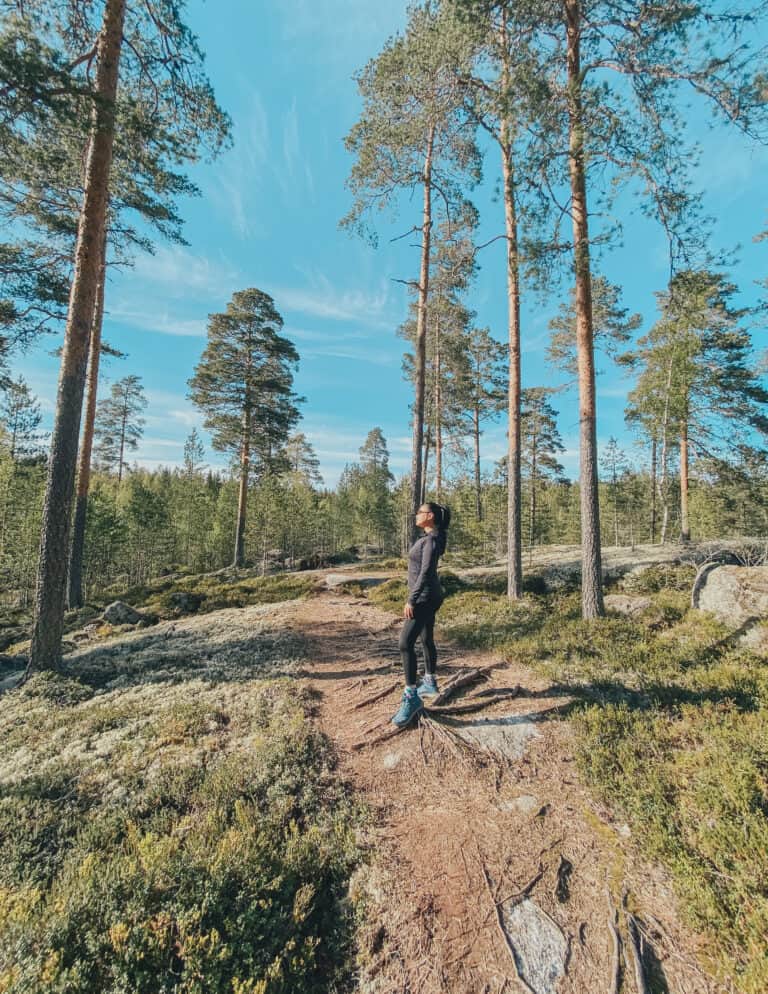
Harjumaa or Harju County is among the 15 counties of Estonia. It is located on the south coast of the Gulf of Finland in Northern Estonia and is bordered by Jarva County to the southeast, Laane-Viru County by the east, Laane County to the southwest, and Rapia County to the south. It also houses the largest city and capital of Estonia, Tallinn.
Harju County is located on the southeast coast of the Gulf of Finland. The shores of the county are covered by coastal plains of North Estonia, separated by the North-Estonian Klint from Harju plateau in southern and central Harju County. There are several protected regions in Harju County. There are several places to visit in Harjumaa.
Lahemaa National Park was the first in the Soviet Union built-in 1971. It was built for the conservation of cultural and natural beauty of the coastal regions of Northern Estonia. There are 25 landscaped regions and 21 nature reserves, which are partly located in Harju County. Here are some other things to do in Harjumaa.
Top 8 BEST Things to do in Harjumaa (Estonia)

Tallinn Town Hall
It is a complex located next to Town Hall Square in Tallinn Old Town. It is the oldest town hall in Scandinavia and the Baltic region.
It is one of the best Harjumaa landmarks. It is around 36.8m long and is located in the south of the ancient market square. The east wall is 15.2m long and the west wall is 14.5m long. It is a 2-story complex with an airy basement.
The market square built the town hall. It got its existing length in the year the 1370s. The façade of this narrow and long building is the rear wall of the arcade where you can find some of the statutory framed windows.

Alexander Nevsky Cathedral
It is an Orthodox cathedral and one of the best places for Harjumaa sightseeing. It was built to be designed in the Russian Revival style by Mikhail Preobrazhensky from 1894 to 1900 when the country was under the Russian Empire. It is the biggest and largest orthodox cupola cathedral.
It is devoted to Saint Alexander Nevsky who won the Battle of the Ice in 1242 on Lake Peipus, in territorial waters of Estonia. Alexis II, a late Russian patriarch, started his priestly ministry in the church.
It is located on the Toompea hill which is among several places where the Estonia folk legend Kslevipoeg’s father named Kalev has been buried. Officially, the USS was non-religious. Hence, a lot of churches where left to turn down, and it was one of them.

Kadriorg Palace
One Kadriorg Palace is a Petrine Baroque built by Peter the Great in Tallinn for Catherine I of Russia in Estonia. Both the German and Estonian name of palace refers to Catherine’s valley. It was built for Nicola Michetti’s designs as a tribute to Great Northern Wat by Mikhail Zemtsov and Gaetano Chiavari.
Currently, the palace houses a branch of Art Museum of Estonia, the Kadriorg Art Museum, to display foreign art dated back to 16th to 20th centuries. Presenting Estonian art dated back to the 18th century, the KUMU Branch of the museum is located around the park.

Toompea
The Cathedral Hill or Toompea is a limestone hill located in the heart of Tallinn and another excellent tourist attraction in Harjumaa.
Measuring over 400 by 250 meters, it is an oblong tableland spread over 17 hectares and around 20 to 30m higher than nearby areas. The hill is also known as tumulus mound over Kalev’s grave in folklore, and it was erected as a memorial for his grieving wife.
Toompea’s history is linked closely to the power and account of rulers in Estonia. Today, it is the official seat of the Government of Estonia and the parliament. Both of them are known as Toompea. Toompea Castle is located on the southwest of the hill. Toompea belongs to the UNESCO World Heritage Site, Tallinn Old Town.
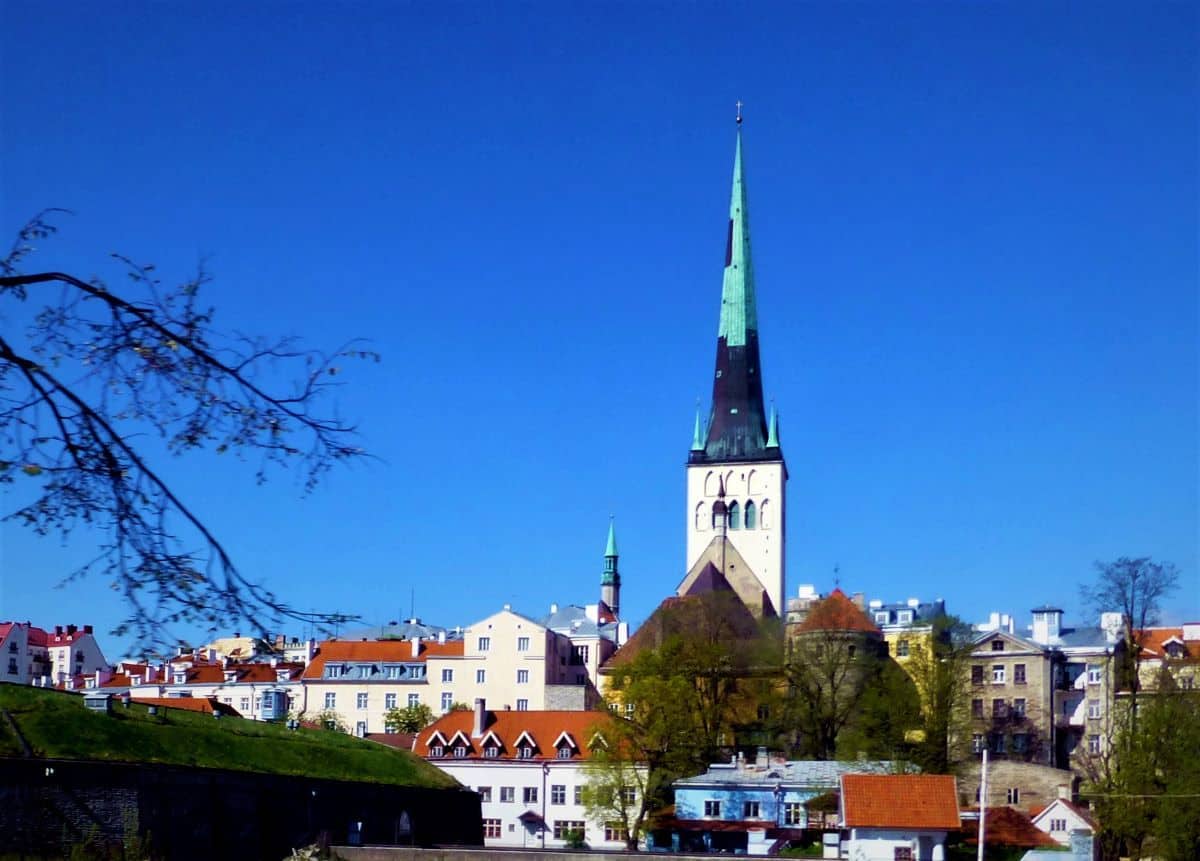
St. Olaf’s Church
St. Olaf’s church is well known to have been erected in the 12th century and the center for the Scandinavian community of old Tallinn before the invasion of Denmark in Tallinn in 1219. It is dedicated to Saint Olaf or King Olaf II of Norway.
The first known records based on the church were dated back to the year 1267, and it was completely rebuilt in the 14th century. St. Olaf’s Church has belonged to united western tradition in the origin of Christianity. Its polity keeps on going to the Roman Catholic Church. The church became part of A Lutheran tradition during the Reformation.
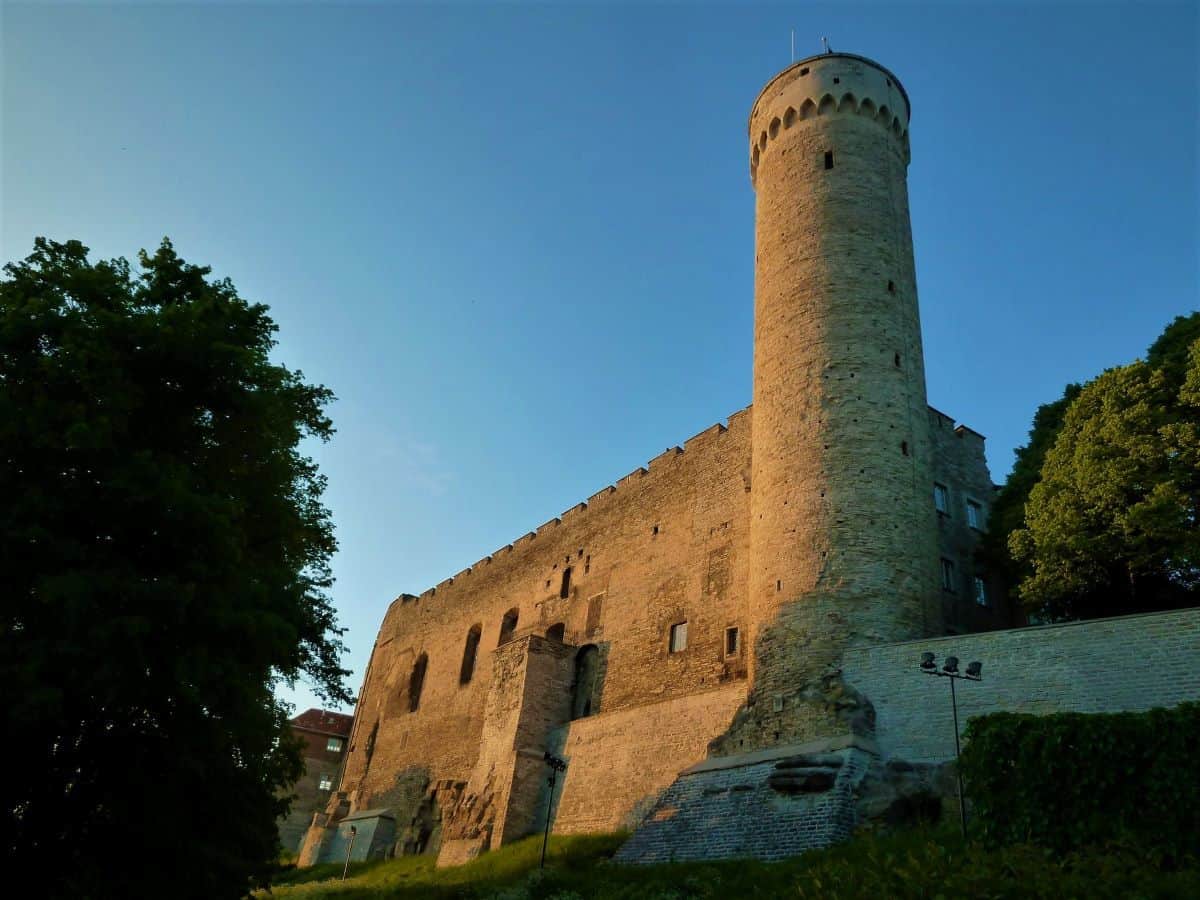
Toompea Castle
One of the best things to do in Harjumaa is by exploring this beautiful castle on Toompea hill located in the center of Tallinn, well known as the capital of Estonia. An ancient stronghold site being used since the 9th century, Toompea Castle has the Parliament of Estonia and is one of the best things to see in Harjumaa.
The whole hill of Toompea was believed to be made by Linda boulder-by-boulder using her own hands. During the period of ancient Estonia, the settlers used the natural hill as a stronghold. The place also became a commercial hub. It was one of the first inhabited regions in Harjumaa.

Estonian Open Air Museum
It is a full-sized reconstruction of a rural fishing village dated back to the 18th century. It is complemented with an inn, church, several mills, a schoolhouse, twelve farmyards, a fire station, and net sheds. It is spread over 72 hectares and has over 80 different buildings. It is located at Rocca al Mare and around 8 km from Tallinn City center.
The museum featured 68 farmhouses in 12 farmyards from South, North, and West Estonia and was established in the year 1957. Old public buildings are arranged individually along with farmyards and in groups to show the vernacular architecture over the last two centuries.
The plans were initially discussed in the year 1913 for founding the museum. Exploring and learning about history by visiting this museum is one of the best things to do in Harjumaa.

Seaplane Harbour
It is a maritime museum opened in the year 2012 under the Estonian Maritime Museum. It was built in a building built a hanger of seaplanes in Tallinn airplane harbor. It is spread over 8000 sq. m. In 2010, its renovation was started.