Traveling with the whole family in Spain is a complete delight, a chance to witness the renowned landscapes, architectural wonders, and try the best tasting food. The promise of tapas al fresco and sun-filled family vacation in Spain is within reach, plus a whole lot more experiences.
For decades, Spain remained the top destination for families in Europe. This isn’t surprising as the country has a budding culture and rich history, complemented by the affordable cost of living. The transport system is also impressive, making it easier to travel from major cities to the countryside.
To avoid being in a state of culture shock, here’s a guide on what travelers can expect when visiting Spain. These tips are helpful for big groups and families who will go to Spain for the first time. Understanding the norms and way of living of Spaniards is key to having a memorable holiday.
Family Vacation in Spain: 10 Things to Expect
Car Rental Can Be Expensive

Renting a car is the most convenient way to go around Spain with the family, but this isn’t affordable. Aside from the rental, other charges like Young Driver Fee, full car insurance, and pay-per-kilometer setup can leave travelers in deep waters.
On average, the rental car in Spain costs around €20 to €30 per day, but leasing for longer days to a week is cheaper. The driver also needs to present an International Driver’s Permit for non-EU countries and a credit card to hold the deposit for the car.
The minimum legal age for driving in Spain is 18 years old, but some car rental companies require drivers to be at least 21 years of age. Note that companies charge a ‘Young Driver Fee’ for drivers under the age of 25. So, technically, drivers must be at least 25 years old to drive without incurring extra fees.
WHERE TO STAY? Best hotels in Spain
[irp posts=”2541″ name=”Transportation in Spain: How to Easily Get Around Spain”]
Not Everyone Speaks English
A family vacation in Spain is fun and games until travelers cannot find someone who can speak English. Take note that not everyone can understand, or speak in English, so tourists need to memorize a few Spanish phrases to get by on the trip.
From greetings to asking for direction, price of goods, and looking for the toilet, it’s crucial to know important phrases. Plus, locals are glad to help those who try their best to speak their language. Always smile, start with ¡Hola!, then ask a question politely.
To make it fun for families, assign each person with common phrases. Someone can memorize the Spanish phrases for approaching locals, asking for information, and others.
[irp posts=”2670″ name=”Top 10 Basic Spanish Phrases for First Time Visitors”]
Pickpocket Is Rampant
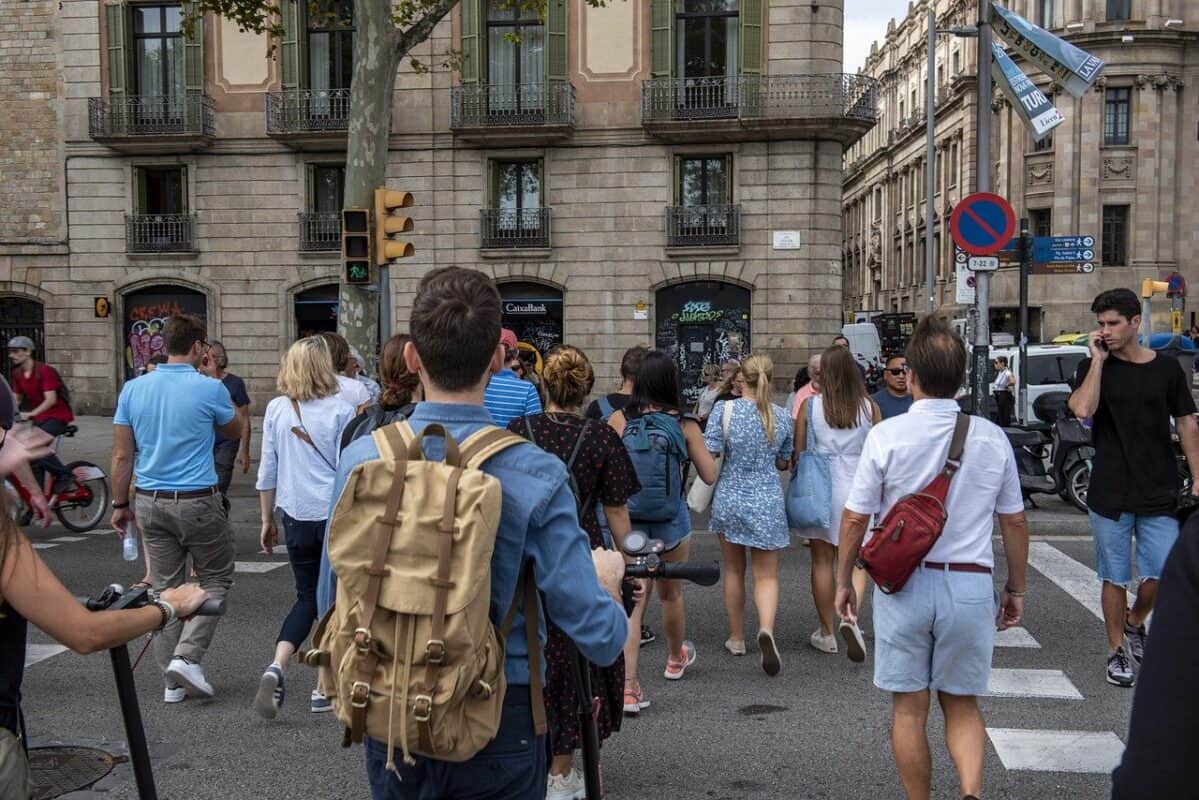
It’s easy for travelers to fall victim to scammers and snatchers in Spain, especially in tourist spots. Street pickpockets are rampant in the country, and busy areas are usually the hideouts of snatchers. Big groups need to be vigilant in public places to avoid losing valuable items like wallets, gadgets, and even jewelry.
Wearing appropriate attire is important to blend with the locals and not attract attention. It’s best to avoid wearing jewelry and flashy gadgets in public to maintain a low profile.
One of the reasons why pickpocket is rampant in Spain is because it’s considered a petty crime. Stealing something worth less than €400 is only a falta or misdemeanor, so people can get away with the crime.
WHERE TO STAY? Best hotels in Spain
[irp]
Meal Times are Later than Usual
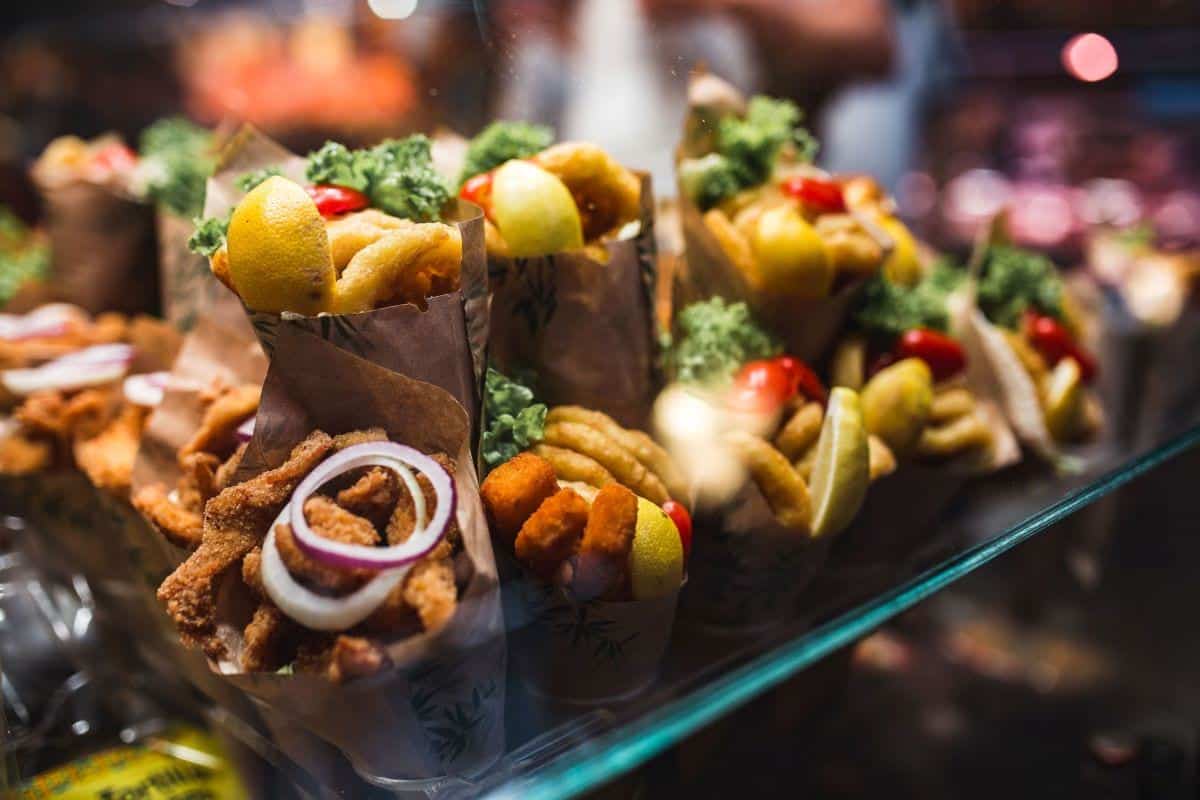
The family vacation in Spain is not complete without tasting the best dishes and tapas. However, don’t fret when meals are served later than usual—2 PM for lunch and 8 PM for dinner. Spain is notorious for super late-night dinners and lunches that tourists are warned ahead of the visit.
It’s common practice to eat lunch at around 2 PM and dinner at 10 PM at the latest. Workers take longer lunch breaks because of mid-afternoon siestas, so people are accustomed to eating late. However, there are establishments that follow the normal time for meals, usually eateries that cater to foreigners or establishments near tourist attractions.
Big groups and families are the ones to adjust and bring snacks to fill the hunger. Or, it’s also wise to simply dine at 24-hour restaurants or fast food chains to eat on time.
[irp posts=”2695″ name=”Packing List for Spain: Top 10 Practical Things To Bring for a Holiday”]
Shops Close Mid-Day
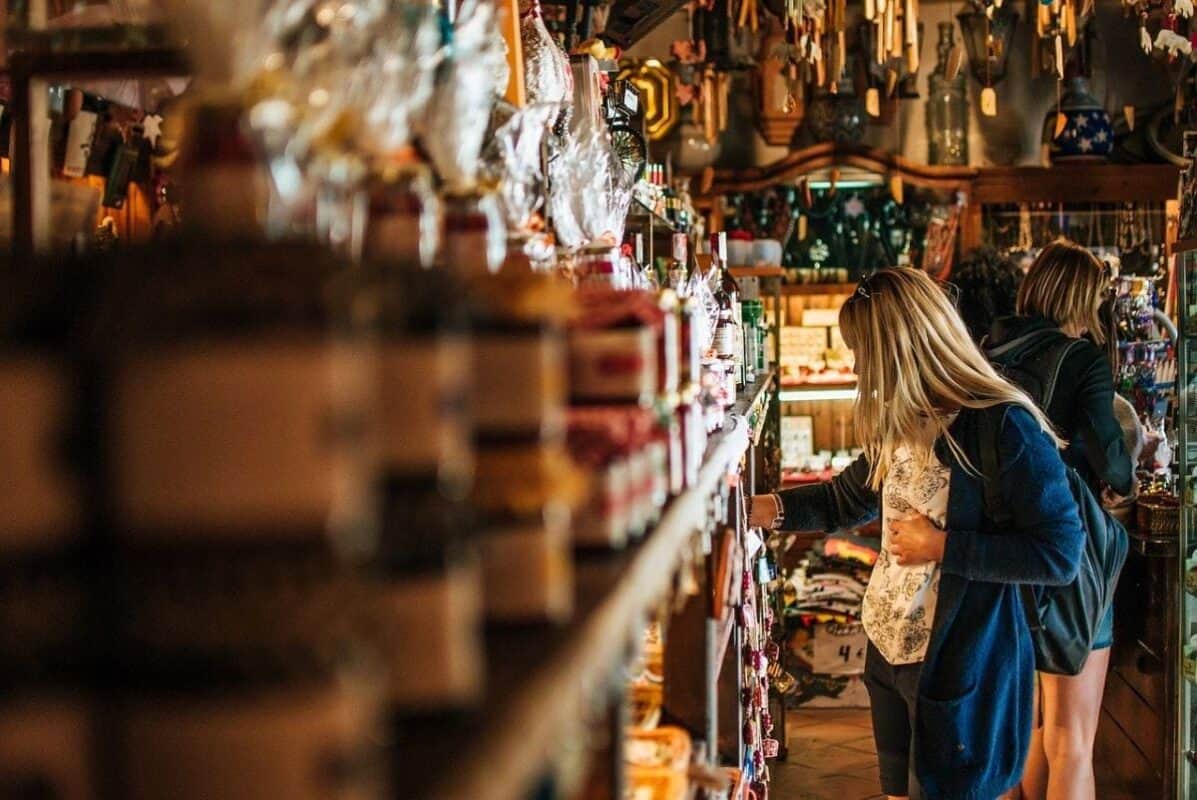
Siesta or afternoon rest is popular in Spain, even though the practice has long been phased out in some cities. Tourists can find most shops closing during midday to let workers rest and take their precious afternoon naps.
This is still happening even in major cities because there’s even a law that limits shop trading times to only 72 hours a week and only eight Sundays a year. Therefore, siestas are pretty common here, and most shops close from 2 PM to 5 PM.
To make the most of the family vacation in Spain, be sure to create a plan around the siesta period. Opt to shop in the evening or early afternoon at around 10 AM to 11 AM to
WHERE TO STAY? Best hotels in Spain
[irp posts=”2603″ name=”Souvenirs from Spain: Top 10 BEST Things You Can Only Get in Spain”]
Dinner Is More Expensive
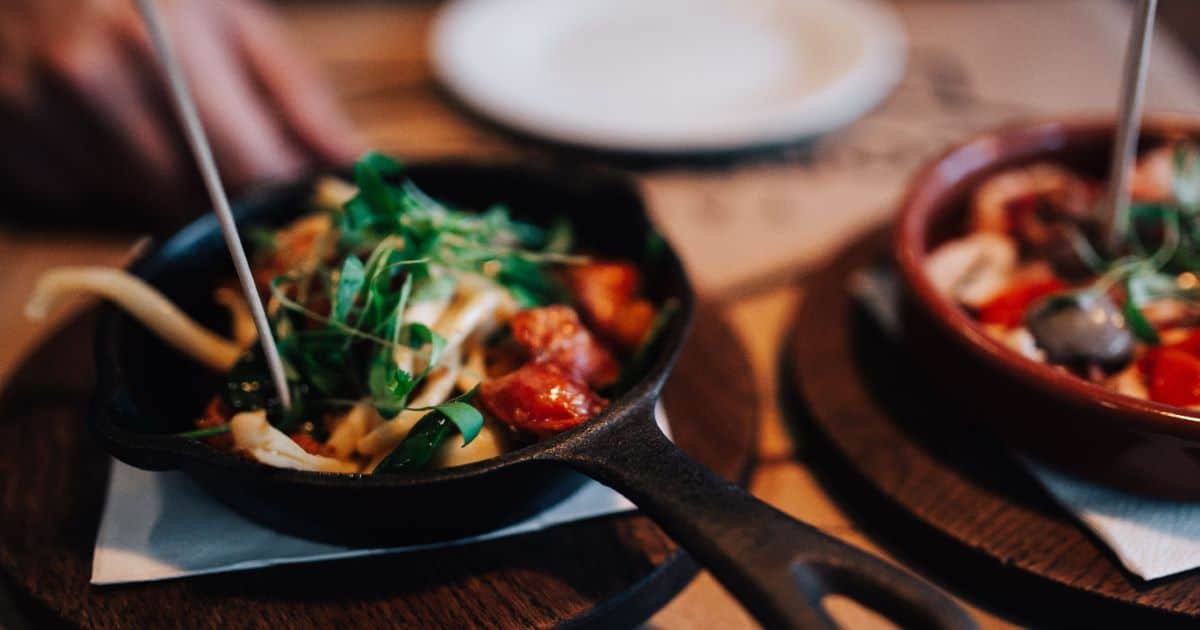
On average, the cost of a meal in Spain is not expensive, ranging from €5 to €20 per serving. Lunch is the biggest meal of the day, and restaurants have a Menu del dia or menu of the day. For less than €20, diners can get two courses, bread, drink, dessert, and a coffee.
The lunch menu set is cheaper than dinner, as the latter is considered a light meal. Restaurants serve dishes in small portions, and plates are simpler. For travelers who plan to save money, eating more during midday is more economical.
Some of the popular chains to check out are La Dolores, La Musa Latina, and Los Gatos.
[irp]
Kids’ Menu Is Rare
When in Spain, it’s unusual to come across a restaurant with a kids’ menu or kid portions. This concept isn’t popular here, and kids usually eat whatever the adults have. To make dining fun and filling for kids, simply order dishes that they like and finish with a dessert.
While kids’ menus aren’t common here, there are kid-friendly restaurants across the country. Aside from Spanish eateries, travelers can dine at Western fast food chains to order usual chicken meals or hamburgers for kids.
WHERE TO STAY? Best hotels in Spain
[irp]
Cash Is Preferred
To make the family vacation in Spain hassle-free, be sure to carry more cash instead of relying solely on credit cards for payment. Small establishments and street vendors only accept cash, so cards are of no use.
There are ATMs in Spain that travelers can use to withdraw cash, but expect convenience fees charged on the account. It’s best to carry enough cash to sustain lodging, food, tours, and other expenses on the trip.
Aside from banks, currency exchange companies are everywhere in major cities and tourist spots. If running out of euros, simply exchange the money to carry enough cash for the rest of the trip.
[irp posts=”2228″ name=”Tipping in Spain: How and When Should You Tip?”]
Baby Changing Facilities are Rare
Traveling with a baby is already a challenge by itself, but the horror of finding no changing facilities is a huge problem. In Spain, there are no legal requirements for restaurants and bars to have baby changing facilities. What travelers can do is carry a changing pad or mat to change the baby’s diaper.
Only a limited number of establishments are equipped with baby changing facilities, including malls, train stations, and high-end hotels or restaurants. If there’s no choice, start practicing the art of changing the diaper in a stroller—it saves the trouble!
Reserve Tickets Ahead
As mentioned, Spain is one of the most visited countries in the world for a lot of reasons, mainly for the interesting attractions. Tourist spots, famous landmarks, and museums are always packed even on weekdays. To save time, it’s recommended to reserve tickets ahead of the visit.
This also applies to transport tickets, especially long-distance buses, and trains. Check out websites like Reserbus, Omio, Spainrail, HappyRail, and RailEurope to buy transport tickets online. For attractions, look for the official website of museums, cathedrals, and theme parks online. Most establishments sell tickets online to limit the long lines at the admission office.
The family vacation in Spain becomes more fun if travelers don’t end up lining for hours just to secure a ticket. Remember, a lot of tourists are also visiting, so the competition is tough.
WHERE TO STAY? Best hotels in Spain
[irp posts=”2521″ name=”Planning a Trip to Spain: An Exciting 10-Day Itinerary for Travelers”]
Check out these activities in Spain