
The ultimate Europe travel essentials list for 2026 covers 25 items across documents, gear, clothing, and tech. The non-negotiables: ETIAS approval, travel insurance, universal travel adapter with USB-C, anti-theft crossbody bag, packing cubes, broken-in walking shoes, portable charger, and a Ryanair-compliant 40x20x25 cm carry-on. Skip the hairdryer, the second pair of jeans, and the bulky guidebooks.
Most Europe travel essentials lists were written for a Europe that no longer exists. A Europe of paper boarding passes, predictable summer weather, and €0.50 public toilets that took any euro coin. The 2026 reality: digital ETIAS approval, EES biometric borders, 46°C summer heat in Spain, Sanifair voucher systems, and Ryanair 40x20x25 cm bag enforcement at the gate.
The right essentials list for 2026 is shorter and more specific than the lists from five years ago. It assumes you’ll do laundry in the hotel sink. It assumes the carry-on fits Ryanair. It assumes you’ve already loaded the right apps. It cuts everything that the modern European travel experience makes unnecessary.
The 25-item Europe travel essentials list for 2026 is organized by what to actually buy before flying. Each item earns its place in the bag.
Saving for the trip and want a real system that works?
The Ultimate Budget Planner walks you through saving for the Europe trip with monthly targets, real cost categories, and the math that gets you there.
Recommended Europe Travel Essentials



Recommended blogs to read
- Europe Travel Checklist
- Europe Travel Tips
- How to Avoid Pickpockets in Europe
- The Complete Europe Trip Guide
- Best City Breaks in Europe
What Documents Are Essential for Europe?
The 2026 paperwork list is shorter than past years but more digital.
Valid US passport with 6+ months validity
Schengen requires at least 3 months validity beyond your planned departure date. Aim for 6 months to be safe. Renew at least 3 months before flying. Take a phone photo of the bio page and store it in a cloud folder.
ETIAS approval
Mandatory from Q4 2026 for US, UK, Canadian, Australian and 60 other visa-exempt nationalities. €20 fee, three-year validity. Apply at travel-europe.europa.eu at least 96 hours before first Schengen entry. Screenshot the approval email.
Travel insurance policy
Standalone two-week policy from Allianz, World Nomads, SafetyWing, Travelex, or IMG Patriot. $30 to $80. Filter for $100,000+ medical, $250,000+ evacuation, explicit theft coverage. Print or save policy and emergency assistance number.
International Driving Permit if renting cars
Mandatory in Italy, Spain, Austria, Greece as of March 2026. AAA issues for $20 to $53 in person before you leave. No expedited online option.
What Gear Should You Pack for Europe?
Ryanair-compliant 40x20x25 cm carry-on
Any carry-on that fits this dimension goes free under the seat on Ryanair, easyJet, Wizz Air, and Vueling. Avoids the €60 gate fee on Ryanair specifically. Look for “Ryanair-compliant” labeled bags. The Cabin Zero 28L, Tortuga Setout Divide, and Antler Clifton fit.
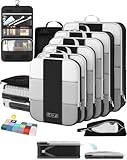
Compression packing cubes
Three cubes (small, medium, large) cut clothing volume by 30 to 40%. Critical for hitting the 40x20x25 cm bag size. Eagle Creek and Gonex are the standards. Compression styles beat regular cubes by another 20% volume reduction.
Universal travel adapter with USB-C
Europe uses Type C, F (Schuko), G (UK), and J (Switzerland) plugs. A single universal adapter with at least three USB ports (one USB-C for fast charging) covers every country. EPICKA and Anker make the standards.
Anti-theft crossbody bag
Locking zippers, cut-resistant strap, RFID-blocking interior. Worn across the chest with the bag at the front in busy areas (Barcelona Metro, Paris Métro Line 1). Defeats the metro-jostle pickpocket scenario that dominates Barcelona, Paris, Rome. Pacsafe, Travelon, and Bagsmart are the names.
20,000mAh portable charger with USB-C
Long museum days, navigation apps, photos, train tickets on phone, all drain the battery. 20,000mAh charges most phones 4 to 5 times. USB-C Power Delivery essential for fast charging. Anker and Mophie lead.
Reusable water bottle
Tap water is potable across nearly all of Europe (exceptions are limited). Public water fountains exist in Rome (the nasoni), Paris, Vienna, and most cities. A 750ml bottle saves €2 to €4 per day in plastic-bottle purchases.
What Clothes Do You Actually Need for Europe?
Five tops, three bottoms, mix and match
Three to five days of outfits, hand-washed in the hotel sink overnight as needed. Merino wool tops dry overnight, resist odor, and pack small. Linen shirts work for summer Europe. Skip the second pair of jeans.
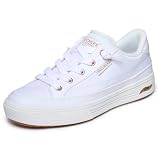
One pair of broken-in walking shoes
European city days run 8 to 12 miles. New shoes destroy feet by day three. Break in for 50 miles at home before flying. Allbirds Wool Runners, Hoka Bondi, On Cloud, and Adidas Stan Smith all hold up. Avoid white sneakers on a wet day.
One nicer outfit for dinners
European restaurants are slightly dressier than US equivalents. A button-down shirt or dress that travels well covers most situations. Skip cargo shorts and athletic wear at dinner.
Waterproof packable rain shell
UK, Ireland, the Netherlands, and Scandinavia get rain year-round. A packable rain shell (Patagonia Houdini, Marmot PreCip, Uniqlo Pocketable Parka) folds to fist-size and weighs under 200g.
Summer Europe: one cooling/UPF top
Summer 2025 broke records in Spain and Portugal at 46°C. A UPF-rated lightweight long-sleeve protects skin and cools by 5 to 10°F vs cotton. Outdoor Research, Columbia, and Coolibar make travel versions.
What Tech and Apps Should You Have?
eSIM or international roaming plan
Airalo and Holafly sell prepaid Europe eSIMs from $10 for 1GB to $40 for 20GB. Cheaper than US carrier international roaming and faster to activate. T-Mobile Magenta includes Europe roaming at 256kbps free, fast enough for maps.
Apps to download before flying
Google Maps (download offline maps per city), Google Translate (download offline language packs), Citymapper (best transit navigation for major cities), Trainline (rail booking), Booking.com or Hotels.com (reservations), HappyCow if vegetarian, Berliner Toilette if going to Berlin, currency converter app.
Cloud-stored document backups
Passport bio page photo, both sides of every credit card, driver’s license, travel insurance policy, ETIAS approval, hotel confirmations. Store in Google Drive or iCloud folder accessible from any device. Critical if anything gets lost.
What Should You Leave Behind?
The list of things to skip is as important as the list of things to pack.
Hairdryer, iron, multiple chargers
Every European hotel above hostel-tier has a hairdryer and an iron. One multi-USB-port adapter covers all charging. The bulky US voltage converter is unnecessary if you bring a multi-USB adapter.
Hardback guidebooks
Lonely Planet and Rick Steves are excellent. They’re 700+ pages and 2+ kg. A Kindle with the same books saves the weight and lets you carry multiple cities. The hard copy stays at home.
Multiple pairs of jeans
Jeans are heavy, slow to dry, and you only need one pair. Europeans dress lighter than US travelers expect. Pack linen pants for summer, dark slacks for shoulder season, one pair of jeans maximum.
US toiletries in full sizes
European pharmacies (DM in Germany, Boots in UK, Müller in Austria) carry every standard product at competitive prices. Bring travel-size of essentials only. Buy what you run out of locally.
Want a real plan to save for the trip and the gear?
The Savings Tracker’s Planner gives you monthly targets, savings tactics, and the math to fund the trip without surprises.
Frequently Asked Questions
What are the must-have Europe travel essentials?
ETIAS approval, valid passport with 6+ months, travel insurance, universal adapter with USB-C, anti-theft crossbody bag, packing cubes, broken-in walking shoes, 20,000mAh portable charger, and a Ryanair-compliant 40x20x25 cm carry-on.
What size carry-on do you need for European budget airlines?
40x20x25 cm for the free Ryanair cabin bag. easyJet allows 45x36x20 cm under-seat free. Wizz Air and Vueling are more flexible but still enforce sizes. The Ryanair-compliant bag works on all four airlines without paying gate fees.
What outlet adapter do you need for Europe?
A universal travel adapter that handles Type C, F, G, and J plugs covers every European country. Include at least one USB-C port for fast phone charging. Anker and EPICKA are the standards. Skip the voltage converter, modern electronics handle both 110V and 220V.
What shoes should you bring to Europe?
One pair of broken-in walking shoes (Allbirds, Hoka Bondi, On Cloud, Adidas Stan Smith all work), plus one nicer pair for dinners or sandals for summer. Avoid new shoes (cobblestones destroy feet by day three) and white sneakers on wet days.
Should you bring travel insurance to Europe?
Yes. A standalone two-week policy from Allianz, World Nomads, or similar runs $30 to $80 and covers foreign medical, evacuation, theft, and trip cancellation. US health insurance does not cover foreign medical. Credit card “complimentary” insurance rarely covers medical adequately.
What should you not bring to Europe?
Hairdryer (every hotel has one), iron, US voltage converter (most modern electronics are dual voltage), multiple pairs of jeans, hardback guidebooks (use Kindle), and full-size toiletries (European pharmacies carry all standards at competitive prices).
Key Takeaways
- Documents: passport (6+ months validity), ETIAS approval, travel insurance, IDP if renting cars.
- Gear: Ryanair-compliant 40x20x25 cm bag, compression packing cubes, universal adapter with USB-C, anti-theft crossbody, 20,000mAh charger.
- Clothes: five tops, three bottoms, one pair broken-in walking shoes, one nicer outfit, packable rain shell.
- Skip: hairdryer, iron, voltage converter, multiple jeans, hardback guidebooks, full-size toiletries.
Final Thoughts
The ultimate Europe travel essentials list for 2026 is shorter than the lists from five years ago because Europe got more digital and the budget airline rules got stricter. 25 items, one carry-on, one personal item. Documents in the cloud. Apps downloaded before flying. Shoes broken in for 50 miles at home. Pack to the 40x20x25 cm bag and you’ll never pay a gate fee. Pack heavy and the trip starts with a €60 surprise before you even board. Pick your side.