Quick Answer: The Midnight Sun in Finland is the period when the sun does not set below the horizon, visible only above the Arctic Circle (66.5°N). The full 24-hour daylight window runs from approximately June 6 through July 7 at Rovaniemi latitude, longer the further north you go (Utsjoki at 69.9°N has midnight sun from May 17 to July 27). The 12 best places to experience it are Utsjoki, Inari, Saariselka, Ivalo, Kakslauttanen, Levi, Yllas, Pyha-Luosto, Salla, Rovaniemi, Muonio, and Pallas-Yllastunturi National Park. Pack a silk eye mask, plan for unstructured daylight schedules, and treat the late-night sauna-and-lake ritual as the cultural moment that defines the trip.
The brief weeks when the sun does not set, anywhere in Finland, are the inverse of the kaamos winter darkness most travelers associate with Lapland. Between roughly June 6 and July 7 at the Arctic Circle, the sun simply does not dip below the horizon for over 24 continuous hours. Further north, the window extends; further south, the sun briefly skims below the horizon for a few twilight hours each night but never produces true darkness from late May through early August.
For travelers, the midnight sun delivers a categorically different kind of summer than southern Europe. Restaurants stay full at 23:00 because there is no felt-darkness cue to head home. Lakeside saunas run until 02:00 because the sun on the dock looks like late afternoon. Hiking trails are usable at any hour. Sleep is the variable to manage; the long daylight throws off circadian rhythm reliably for the first 2 to 3 days, and the eye mask plus blackout-curtain combination is the difference between energetic and exhausted travel.
The 12 destinations below cover every realistic midnight-sun-viewing location in Finland, ranked from most northerly (longest midnight-sun window) to least. Pick the destination that matches your trade-off between maximum daylight duration and the access infrastructure. The 2026 hooks include the Solar Cycle 25 elevated activity that delivers occasional rare daytime aurora during the briefest twilight windows (the only summer period this is possible), plus Oulu European Capital of Culture programming that runs strong Sami-and-summer events through June and July.
Planning the Midnight Sun trip to Finland and trying to align flights, cabin rentals, and the long-daylight activity layer 4 to 6 months ahead?
The Ultimate Europe Trip Planner sequences the Midnight Sun booking windows in one editable document.
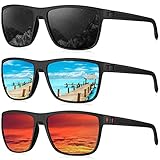
Midnight Sun Travel Essentials
Six items worth packing for the Finnish Midnight Sun trip; the eye mask plus blackout-curtain combination is the single highest-impact gear addition for sleep across the long daylight window.



Recommended blogs to read:
- summer in Finland overview
- Finland summer packing list
- best time to visit Finland
- things to do in Lapland
- Lapland holidays ideas
12 Best Places to Experience the Midnight Sun in Finland
The 12 destinations rank from most northerly (longest midnight-sun window) to least, with the latitude, the specific midnight-sun date range, and the reason each location earns its place. Pick the destination that matches your trade-off between maximum daylight duration and the strength of the surrounding activity layer.
1. Utsjoki (69.9°N, May 17 to July 27)
Utsjoki is Finland’s northernmost municipality and delivers the longest Midnight Sun window in the country at over 70 continuous days. The remote location on the Norwegian border means almost no light pollution and the most-dramatic continuous-daylight experience. The Teno River flows through the area and produces some of Finland’s finest summer salmon-fishing conditions. Stay at Utsjoki Lapland Hotel (€140 to €220 per night) for the simplest base. Access requires a 5-hour drive north from Ivalo Airport or a connecting bus; the trip rewards travelers willing to commit to the deep-Lapland logistics. Combine with a Norway day-trip across the Tana Bridge for the cross-border perspective.
2. Inari (68.9°N, May 22 to July 22)
Inari delivers a 62-day Midnight Sun window plus the Sami cultural depth that no other Finland destination matches. The village sits on the shore of Lake Inarijarvi (Finland’s third-largest lake at 1,084 square kilometers) and the lake reflections during the midnight-sun hours produce stunning photography conditions. The Siida Museum (€18, Sami history and Arctic-nature exhibits) is the cultural anchor; Pielpajarvi Wilderness Church is a 4 km hike for the deeper exploration. Stay at Wilderness Hotel Inari (€280 to €380 per night) or the smaller guesthouses around €110 to €160. Daily bus connection from Saariselka makes Inari accessible without a rental car.
3. Saariselka (68.4°N, May 26 to July 18)
Saariselka delivers a 54-day Midnight Sun window with the strongest tourism infrastructure of any far-northern Finland destination. The Urho Kekkonen National Park surrounds the resort and offers extensive midnight-sun hiking trails (the most-popular route is the day hike to Kiilopaa fell with summit views in continuous daylight). Stay at Northern Lights Village (€280 to €450 per night for summer rates, the same glass-roof cabins from winter use), Wilderness Hotel Inari at the lake (€280 to €380), or Hotel Riekonlinna (€140 to €220). Access via Ivalo Airport with daily Finnair flights from Helsinki at €100 to €250, with a 30 km shared shuttle bus connecting the airport to the Saariselka village center.
4. Ivalo (68.6°N, May 23 to July 21)
Ivalo is the airport town serving the far-northern Lapland region and delivers a 60-day Midnight Sun window at the budget tier. The town itself has limited tourist infrastructure but works as the cheaper alternative base to Saariselka or Kakslauttanen for travelers prioritizing midnight-sun viewing without the premium glass-igloo pricing. Stay at Hotel Ivalo (€110 to €170 per night) or one of the Lake Inari cabin rentals south of town (€130 to €220 per night). The lake-side cabin experience during midnight-sun hours rivals any of the more-developed destinations for atmosphere; the trade-off is fewer organized activities running from Ivalo directly without a 30-minute shuttle to Saariselka.
5. Kakslauttanen Arctic Resort (68.4°N, May 26 to July 18)
Kakslauttanen Arctic Resort runs at the premium tier for both winter (aurora) and summer (midnight sun) experiences, with the same glass-roof cabins shifting from aurora-viewing to midnight-sun-viewing mode. Summer pricing is notably similar to or higher than winter pricing (€500 to €1,000+ per night) because demand for the midnight-sun experience is strong from European and Asian travelers. The resort includes the same on-site reindeer farm and husky kennel (operating summer hike-with-husky programs instead of winter sled rides) plus the smoke sauna and the all-in dining service. The premium pricing reflects the brand and the all-in resort model; budget alternatives at Saariselka run at half the cost.
6. Pallas-Yllastunturi National Park (68.0°N, May 28 to July 16)
Pallas-Yllastunturi National Park covers 1,020 square kilometers across the Levi-Yllas-Muonio region and is Finland’s third-largest national park. The park’s altitude (fells reach 800+ meters above sea level) and formal dark-sky park certification produce the strongest midnight-sun viewing in the mid-northern Lapland region. The Pallas-Hetta hiking trail is the iconic multi-day route through the park; shorter day hikes from the Pallas Visitor Centre work for travelers wanting the experience without the multi-day commitment. The Hetta and Pallas villages have small guesthouse accommodation; most travelers base in Muonio or Yllas and day-trip into the park itself using the park’s visitor-centre shuttle system that runs every 90 minutes in summer.
7. Muonio (67.9°N, May 28 to July 16)
Muonio delivers a 49-day Midnight Sun window plus the same dark-sky park certification as the surrounding Pallas-Yllastunturi region. The smaller-traffic alternative to Levi and Yllas, Muonio offers strong midnight-sun viewing at materially lower accommodation pricing. Stay at Harriniva Adventure Resort (€220 to €380 per night including some activities) or the smaller Aurora Estate guesthouses (€140 to €220 per night). Harriniva runs summer activities (husky hiking, white-water rafting on the Muonio River, the Lapland Husky Festival in late July) that fill the long midnight-sun days. The combination of high midnight-sun frequency plus quiet base plus organized activities makes Muonio one of the most under-rated picks on the list.
8. Levi (67.8°N, May 29 to July 15)
Levi is the largest ski resort in Finland and the most-traveled Lapland destination during winter; the summer Midnight Sun season is the quieter inverse where the resort runs at 40 to 50 percent winter occupancy and hotel pricing drops accordingly. The 48-day Midnight Sun window pairs with strong summer mountain-bike trails, the Levi Summit Gondola (€18 round trip, summit observation deck with 360-degree views), and the Levi Summer Slide (€10, 600-meter alpine slide). Stay at Levi Hotel Spa (€140 to €220 per night summer rates) or one of the dozens of cabin rentals at €100 to €240 per night. The summer Levi experience is the right call for travelers wanting infrastructure without the winter-peak prices.
9. Yllas (67.6°N, May 30 to July 14)
Yllas is the quieter sister-resort to Levi and delivers a 46-day Midnight Sun window inside the Pallas-Yllastunturi National Park boundaries. The dark-sky park certification protects light pollution around the resort, which produces sharper midnight-sun atmospheric conditions and stronger photography results. Stay at Yllas Saaga (€140 to €240 per night summer rates), L7 Luxury Lodges (€240 to €380), or self-catering cabin rentals (€110 to €200). Yllas works particularly well for travelers combining cross-country trail hiking (the resort has 100+ km of marked summer trails) with the cultural depth of nearby Sami farms and the small museum in the Yllas village. The slower pace and protected sky earn its premium over the busier Levi alternative.
10. Pyhä-Luosto (67.1°N, June 1 to July 12)
Pyha-Luosto sits between Rovaniemi and the far north and delivers a 42-day Midnight Sun window inside the Pyha-Luosto National Park. The unique amethyst mine (open for tours at €18 per person, the only commercial amethyst mine in Europe) is the cultural anchor. The two villages of Pyha and Luosto sit 35 km apart with shared infrastructure and strong cross-country summer trails between them. Stay at Hotel Pyha (€120 to €200 per night summer rates) or Hotel Aurora (€140 to €240). The destination earns its place as the quietest mid-northern option that combines Midnight Sun viewing with a distinct geological-cultural attraction unavailable elsewhere in Finnish Lapland.
11. Salla (66.8°N, June 4 to July 9)
Salla, officially marketed as “The Wilderness of Nothingness,” delivers a 35-day Midnight Sun window at the lowest-traffic Lapland destination on this list. The small ski resort and outdoor-activity base sits near the Russian border in eastern Lapland and offers the quietest midnight-sun experience among the inhabited northern destinations. Stay at Holiday Club Salla (€110 to €200 per night summer rates) or one of the smaller cabin operations (€90 to €150 per night). Salla also hosts strong reindeer farm operations (the small Sami-family farms here are particularly recommended) and a unique summer-tundra hiking layer for travelers wanting low-traffic Lapland without the far-northern travel logistics.
12. Rovaniemi (66.5°N, June 6 to July 7)
Rovaniemi sits at the exact Arctic Circle line and delivers the shortest Midnight Sun window on this list at approximately 31 days. The city remains the most-accessible Lapland destination by far (direct Finnair flights from Helsinki, the Santa Claus Express sleeper train, and full city infrastructure). For Midnight Sun specifically, stay at Apukka Resort 15 km outside the city center (€220 to €380 per night summer rates for glass-roof rooms; same cabins as winter) or at Arctic Light Hotel in the city center (€140 to €200 per night) and take day trips to lake locations for the photogenic midnight-sun moments. Rovaniemi is the right pick for first-time visitors who want the Midnight Sun plus broader Lapland exposure without committing to the deeper north.
How to Sleep Through 24-Hour Daylight
The biggest practical challenge of the Midnight Sun trip is sleep. The body’s circadian rhythm relies on darkness cues to release melatonin; continuous daylight disrupts the system reliably for the first 2 to 3 nights. The fix is layered: pack a quality silk or contoured eye mask (Manta Sleep, Tempur, Ostrichpillow at €15 to €60), choose accommodation with blackout curtains rather than light-filtering ones (verify before booking; many Finnish summer hotels have curtains that leak significant light), consider melatonin supplements at 1 to 3 mg for the first 2 to 3 nights, and accept that sleep quality will drop 20 to 30 percent across the trip even with all of the above.
The cultural alternative many Finns and experienced visitors choose is to embrace the rhythm rather than fight it: a long afternoon nap from 14:00 to 17:00, an active evening from 17:00 to 23:00, a late dinner and sauna from 23:00 to 02:00, and an early morning sleep from 02:00 to 09:00 with the eye mask. The schedule trades the conventional sleep block for two shorter blocks that align with the social-and-activity rhythm of Lapland summer. Most travelers settle into this pattern by day 3 or 4 of the trip.
Best Activities Specifically for Midnight Sun
Five activities that work uniquely well in the Midnight Sun: the sauna-and-lake plunge at 23:00 (sun on the dock, the lake water at 16 to 18C, the cultural moment that defines summer Lapland), the midnight hike to a fell summit (Pyha, Kiilopaa, or Pallas all work; the summit views in continuous daylight at 02:00 are the strongest single photo opportunity of the trip), the midnight golf round (Levi and Yllas both have golf courses operating extended hours, with tee times at 22:00 and beyond), the kayaking on Lake Inarijarvi or Lake Saimaa under the midnight sun (€45 to €80 for guided sunset-into-sunrise tours), and the late-night reindeer farm visit (small Sami-family operations near Inari and Salla run unusual midnight programs during the longest-daylight weeks).
Combining the Midnight Sun trip with Norway’s Nordkapp, Sweden’s Abisko, or a wider Scandinavia midnight-sun itinerary?
The Ultimate Europe Trip Planner sequences the multi-country midnight-sun trip in one editable document.
Frequently Asked Questions
When can I see the Midnight Sun in Finland?
Only above the Arctic Circle (66.5°N) and only between mid-May and late July. The exact window depends on latitude: Rovaniemi at 66.5°N has Midnight Sun from June 6 to July 7; Saariselka at 68.4°N has it from May 26 to July 18; Utsjoki at 69.9°N has it from May 17 to July 27. Below the Arctic Circle, the sun briefly dips below the horizon but daylight remains effectively continuous from late May through early August.
What is the best place to see the Midnight Sun?
Saariselka and Inari deliver the best balance of midnight-sun frequency, accommodation infrastructure, and cultural depth. Utsjoki has the longest window but limited tourist infrastructure. For travelers wanting the Sami cultural layer alongside Midnight Sun, Inari is the strongest pick. For travelers wanting glass-igloo accommodation with the same cabin used for winter aurora, Saariselka or Kakslauttanen are the right calls.
How long is the Midnight Sun in Finland?
Varies by latitude. At Rovaniemi (66.5°N, the Arctic Circle), 31 days from June 6 to July 7. At Saariselka (68.4°N), 54 days. At Inari (68.9°N), 62 days. At Utsjoki (69.9°N), over 70 days from May 17 to July 27. The further north you travel, the longer the Midnight Sun window extends in both directions.
How do I sleep with 24-hour daylight?
Pack a quality silk or contoured eye mask, verify your accommodation has blackout curtains (not just light-filtering), consider melatonin supplements at 1 to 3 mg for the first 2 to 3 nights, and accept that sleep quality will drop 20 to 30 percent across the trip. Many travelers shift to a split-sleep pattern: 14:00 to 17:00 nap plus 02:00 to 09:00 main sleep, which aligns with the local activity rhythm.
Can I combine Midnight Sun with Northern Lights?
Not in the same trip. Northern Lights require darkness, which does not exist above the Arctic Circle from approximately May 20 to July 20 (the exact range varies by latitude). Aurora viewing requires September through April travel. If you want both, plan separate trips: late February or early March for aurora, late June for Midnight Sun.
Do mosquitoes affect Midnight Sun travel?
Yes, significantly. Mid-June through early August is the peak mosquito season across Finnish Lapland, with the Lakeland region (Saimaa) and the forested Inari area among the worst. Pack picaridin or DEET-based repellent plus a head net for outdoor evening activities. The Pallas-Yllastunturi and dark-sky park certified areas tend to have lower mosquito densities than lake-region destinations.
Key Takeaways
- Midnight Sun in Finland is visible only above the Arctic Circle (66.5°N) between mid-May and late July; the window extends with latitude.
- Top picks: Utsjoki (longest window, hardest access), Inari (Sami culture + Midnight Sun), Saariselka (best infrastructure + 54-day window), Kakslauttanen (premium glass-roof headline).
- Sleep is the main challenge; pack a quality silk eye mask, verify blackout curtains, consider melatonin for the first 2-3 nights.
- Activities that uniquely shine: midnight sauna-and-lake, midnight fell summit hikes, midnight golf, midnight kayaking on Lake Inarijarvi, late-night Sami reindeer farm visits.
- Cannot combine with Northern Lights in the same trip; plan separate aurora (Feb-Mar) and Midnight Sun (late June) trips.
Final Thoughts
The Midnight Sun delivers the inverse Finland summer experience that travelers usually associate only with winter Lapland aurora. Pick the destination that matches your trade-off between maximum daylight duration and access infrastructure, pack the eye mask and the blackout-curtain awareness, and lean into the cultural rhythm of late-night sauna sessions and 02:00 fell-summit hikes. The trip rewards travelers who embrace the unconventional schedule rather than fight it; the conventional sleep block does not survive Lapland summer regardless of preparation.
For the broader Finland summer context, the things to do in Finland guide covers the activity layer that pairs with Midnight Sun travel, and the places to visit in Finland guide covers individual destinations by region.