Quick Answer: The best places to visit in Poland include Krakow, Warsaw, Gdansk, and Wroclaw for the cities, the Tatra Mountains and Mazury Lakes for nature, plus UNESCO highlights like Wieliczka Salt Mine, Malbork Castle, and Toruń. Plan 7 to 10 days for a country loop in 2026, with at least 2 nights in Krakow as your base.
Poland is one of the most underrated countries in Europe and easily one of the best value trips on the continent. Vast historic city centers (most rebuilt brick by brick after 1945), national parks with European bison and 700-year-old oaks, the Baltic coast with its sand dunes and amber, and a food scene that goes way past pierogi. After multiple trips for Pretty Wild World, the 18 places below are the ones that consistently deliver in 2026.
This guide covers the top 18 best places to visit in Poland, with a mix of cities, mountain regions, lakes, the Baltic coast, and standout single sites like Auschwitz-Birkenau and the Wieliczka Salt Mine. For wider trip planning, start with our best cities in Europe to visit pillar and slot Poland in alongside Germany, the Czech Republic, or the Baltics.
Planning a Poland trip and unsure how to fit Krakow, Warsaw, and Gdansk into one route without burning out on long train days?
The Ultimate Europe Trip Planner walks you through the order, transit, and rest days. Currently just $17 before the price goes up to $27.
Best Hotels in Poland
These five hotels each cover a different anchor city in your Poland route, so you can pick what fits your itinerary. All five sit in walking distance of the historic cores and have strong 2026 reviews.
- Stary Hotel – 5-star boutique near Krakow’s Main Square.
- PURO Krakow Kazimierz – modern design pick in the Jewish quarter.
- Raffles Europejski Warsaw – historic luxury near the Royal Route.
- Hotel Bristol Warsaw – Belle Époque landmark on Krakowskie Przedmieście.
- Hotel Podewils Gdansk – boutique on the Motława river in the old town.
Top Tours to Book in Poland
Poland’s heaviest-context sites (Auschwitz, Wieliczka, Wawel) all benefit from a guide. These five are the consistently top-rated picks for 2026 travelers.
- Auschwitz-Birkenau Memorial small-group tour from Krakow – guided memorial visit with transport.
- Wieliczka Salt Mine guided tour with transfer – UNESCO underground tour.
- Combo Auschwitz plus Wieliczka full-day from Krakow – two top day trips in a single day.
- Zakopane and Tatra Mountains day trip from Krakow – alpine highlands with funicular ride.
- Warsaw Old Town and Royal Route walking tour – capital city introduction with local guide.
Recommended Travel Essentials for Poland
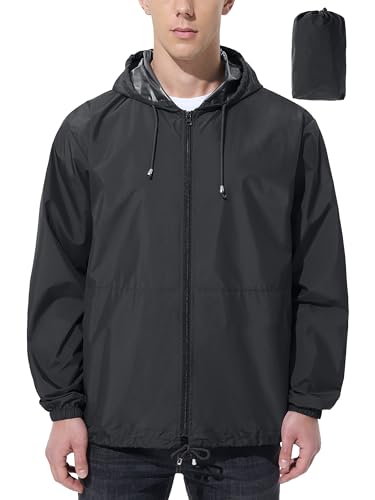
Polish weather is famously variable, especially in the mountains and along the Baltic. These five items keep coming with me on every Poland trip.





Recommended blogs to read:
- Full guide to top things to do in Krakow Poland
- Top things to do in Warsaw Poland for first-time visitors
- Best cities in Europe to visit on your next trip
- Top 18 best things to do in Berlin Germany
Top 18 Best Places to Visit in Poland
1. Krakow
Krakow is Poland’s cultural capital and the natural starting point for a first trip. The Old Town (Stare Miasto) was the first ever UNESCO World Heritage site (1978) and holds Europe’s largest medieval market square (Rynek Główny, 200 meters per side). Wawel Castle, St. Mary’s Basilica with its hourly Hejnał trumpet call, and the Kazimierz Jewish quarter give you 2 to 3 days of strong content.
Practical tip: stay inside the Planty (the green ring that replaced the old walls) for the easiest base. Day-trip to Wieliczka Salt Mine and Auschwitz-Birkenau (both UNESCO listed) from Krakow. Plan 3 nights minimum.
Recommended read: Top 17 best things to do in Krakow Poland
2. Warsaw
Warsaw is the phoenix capital, rebuilt almost entirely after World War II using prewar paintings and architectural plans. The Old Town (also UNESCO listed) feels old, but it is technically a 1950s reconstruction. Beyond the medieval core, Warsaw is the most modern Polish city, with the Vistula riverfront, the POLIN Museum of the History of Polish Jews, and a strong restaurant scene in the Praga district.
Practical tip: take the high-speed train from Krakow (2 hours 15 minutes) rather than driving. Climb the Palace of Culture and Science viewing terrace for the best skyline view. Stay 2 nights to see both the Old Town and modern Warsaw.
Recommended read: Top things to do in Warsaw Poland for first-time visitors
3. Gdansk
Gdansk is the colorful Baltic gateway, with the most photogenic medieval old town in northern Poland. The reconstructed Long Market (Długi Targ), Neptune Fountain, and the brick Mariacka Street with its amber shops are the centerpieces. Gdansk also holds heavy 20th-century history as the birthplace of Solidarity, with the European Solidarity Centre Museum at the old shipyard.
Practical tip: Gdansk pairs naturally with Sopot (the seaside resort, 20 minutes by tram) and Malbork Castle (40 minutes by train). Plan 2 to 3 nights. June to September are the best months for Baltic weather. This is also a great launching point for ferries to Helsinki and the Nordic capitals.
4. Wrocław
Wrocław in southwestern Poland is the city of bridges and hidden dwarfs. Built across 12 islands, it has more bridges than any Polish city, plus a charming central Market Square (Rynek) that rivals Krakow’s for color. The 600+ small bronze dwarf statues hidden throughout the city were originally a 1980s anti-communist symbol and are now a low-key urban scavenger hunt.
Practical tip: stay near the Rynek for the best base. Visit Ostrów Tumski (the cathedral island) at dusk when the gas lamps are still lit by hand. Wrocław is 3 hours from Krakow by train and pairs well as a final stop on a southern Poland loop.
5. Poznań
Poznań is the historic seat of Polish kings before Krakow took over and one of the country’s major university cities. The colorful Stary Rynek (Old Market Square) is one of the prettiest in Poland, and the Renaissance Town Hall has trumpeter goats that butt heads at noon, a centuries-old mechanism that still works. Poznań pairs well with the lake-strewn Wielkopolska region around it.
Practical tip: Poznań is on the Berlin to Warsaw rail line, which makes it an easy stop on a wider Central European loop. Plan 1 to 2 nights. Try the local rogale świętomarcińskie (St. Martin’s croissants), a UNESCO-protected pastry.
6. Toruń
Toruń is a UNESCO Gothic brick city in northern Poland, the birthplace of Nicolaus Copernicus, and home to Poland’s most famous gingerbread (pierniki) tradition. The Old Town survived World War II almost untouched, which means the Town Hall, leaning tower, and Teutonic Knights’ castle ruins are all original medieval structures. The Vistula riverfront views of the medieval skyline are some of the best in Europe.
Practical tip: Toruń is a 3-hour train from Warsaw or 4 hours from Gdańsk. Visit the Living Gingerbread Museum to see medieval recipes baked in real ovens. Stay one night to see the Old Town lit up after dark.
Recommended read: Top 17 medieval towns in Europe still frozen in time
7. Lublin
Lublin is the cultural capital of eastern Poland, with a beautifully preserved Old Town and a complex multi-cultural history that includes Polish, Jewish, and Ukrainian influences. The Lublin Castle and the Krakow Gate (the medieval entrance to the Old Town) anchor the historic core. The Open Air Village Museum (skansen) is one of the best in Poland for traditional rural buildings.
Practical tip: Lublin is 2.5 hours by bus or train from Warsaw. Plan 1 to 2 nights. The annual Carnaval Sztukmistrzów (Magicians’ Carnival) in late July fills the streets with circus performers and is worth timing a trip around.
8. Zakopane and the Tatra Mountains
Zakopane is Poland’s alpine playground, a mountain town of traditional wooden Highland houses (the Zakopiański style) at the foot of the Tatras. The town itself is touristy, but the Tatra National Park behind it has some of the best day hikes in Central Europe, including Morskie Oko (Eye of the Sea), the highest peak Rysy at 2,499 meters, and the Kasprowy Wierch cable car for non-hikers.
Practical tip: drive or bus from Krakow (about 2 hours 30 minutes). Stay 2 to 3 nights for proper hiking time. Summer (June to September) is the prime hiking season. Winter brings skiing and the famous oscypek smoked sheep cheese sold at street stalls. If you love Arctic mountain towns, Zakopane delivers a temperate-zone version.
9. Wieliczka Salt Mine
Wieliczka outside Krakow is a UNESCO World Heritage Site and one of the world’s oldest continuously operating salt mines, in production since the 13th century. The 3.5 kilometer tourist route winds 135 meters underground, past chapels carved entirely from rock salt (the Chapel of St. Kinga is the largest), salt sculptures, and underground lakes. The whole experience takes about 2 to 3 hours.
Practical tip: combine with Auschwitz-Birkenau on a long day trip from Krakow, or do them separately if you want a less heavy day. Book in advance in summer. Wieliczka frequently sells out by mid-day on weekends.
10. Auschwitz-Birkenau Memorial
Auschwitz-Birkenau is the most important World War II memorial site in Europe and the symbolic center of Holocaust remembrance. Located 70 km west of Krakow, the museum complex covers two former concentration camps (Auschwitz I and Auschwitz II-Birkenau). It is a difficult but deeply important visit, and the on-site guides handle context with seriousness and care.
Practical tip: book your timed entry well in advance, especially in summer. Allow 4 to 5 hours minimum. Take a guided tour rather than going independently for the historical context. Local guidance: this is not a tourist attraction. Dress respectfully and travel quietly.
11. Malbork Castle
Malbork is the largest brick castle in the world by surface area, a 13th-century Teutonic Knights stronghold on the Nogat River, and a UNESCO World Heritage Site. The fortress complex covers 21 hectares and includes three concentric castles (Low, Middle, and High), the Grand Master’s Palace, and an enormous brick chapel. It is the medieval brick architecture spectacle of Northern Europe.
Practical tip: Malbork is a 40-minute train ride from Gdańsk and works perfectly as a half-day side trip. Buy the audio guide. Visit between April and October for the best weather and full opening hours. Sunset shots from across the river are postcard material.
12. Białowieża Forest
Białowieża on the Polish-Belarusian border is the last and largest fragment of the primeval forest that once covered the European Plain. It is a UNESCO World Heritage Site and home to about 800 European bison, the heaviest land animal native to Europe. Some of the oak trees in the strict reserve are 700 years old, and the forest floor still functions like a museum of pre-agricultural Europe.
Practical tip: book a guided tour into the strict reserve in advance. Independent walking is allowed in the buffer zones but the protected core requires a licensed guide. Drive in or take the bus from Białystok. Stay overnight in the village of Białowieża for early morning walks.
13. Mazury Lake District
The Mazury (Masurian) Lake District in northeastern Poland is one of the largest lake regions in Europe, with over 2,000 lakes connected by rivers and canals, and dense forest in between. The region is a paradise for sailing, kayaking, and lakeside cottages, and Polish families flock here for traditional summer vacations. The largest lakes (Śniardwy and Mamry) feel almost like inland seas.
Practical tip: rent a car. The lake region is spread out and best explored by road. Base yourself in Mikołajki (the unofficial Mazury capital) or Giżycko. Visit between June and August for the best lake weather, but expect Polish family tourism crowds in July and August.
14. Słowiński National Park
Słowiński National Park on the Baltic coast is famous for shifting sand dunes that move up to 10 meters per year, slowly burying entire pine forests as they go. The Łącka Dune is the most spectacular, rising 42 meters above sea level. The park also protects 14 Baltic coastal lakes, including Łebsko and Gardno, and is a UNESCO Biosphere Reserve.
Practical tip: base yourself in Łeba or Rowy. Walking to the main dunes takes about 2 hours each way from the park entrance, or rent an electric cart for the longer-distance access. June to September are the best months. The dunes are protected, so stick to marked paths.
15. Kazimierz Dolny
Kazimierz Dolny on the Vistula River is one of Poland’s most charming small towns, with a Renaissance Market Square (the Rynek), tenement houses with elaborate facades, and a ruined hilltop castle. Polish artists have been coming here for the light and the riverside scenery since the 19th century, and the town keeps a strong arts and craft fair atmosphere even today.
Practical tip: visit on a weekend for the open-air arts market, or a weekday for empty streets. Kazimierz Dolny is 1.5 hours by car from Lublin or 2.5 hours from Warsaw. Stay overnight in a small guesthouse. The famous local cockerel-shaped bread is a fun souvenir.
16. Sopot
Sopot is the most stylish Baltic resort town in Poland, sitting between Gdańsk and Gdynia on the Tricity coastline. The 511-meter wooden pier (the longest in Europe) juts into the Baltic, and the Monte Cassino pedestrian street links the beach to the Crooked House (Krzywy Domek), Sopot’s most famous architectural oddity. Sopot is also the unofficial summer capital of Polish nightlife.
Practical tip: take the SKM commuter train from Gdańsk (15 minutes). Walk the pier, swim at the main beach, and stop in at the Grand Hotel for a heritage drink. Visit June to early September for swimming weather. Pair with Gdańsk and Malbork on a 4 to 5 day Tricity itinerary.
17. Karkonosze National Park
Karkonosze is Poland’s slice of the Giant Mountains (Karkonosze) on the Czech border, a UNESCO Biosphere Reserve with the highest peak in northern Poland (Śnieżka, 1,603 meters). The park has well-marked trails, glacier-carved cirques (the Wielki and Mały Staw lakes), and traditional wooden mountain shelters (schroniska) that serve hot soup and sleeping bunks. It is where Polish hikers go when they want quiet without crossing the country.
Practical tip: base yourself in Karpacz or Szklarska Poręba. Take the cable car or hike up Śnieżka in good weather (the path is exposed). May, June, September, and early October are the prime hiking months. Winter brings skiing.
18. Łódź
Łódź (pronounced Wooj) is Poland’s third-largest city and its surprise creative capital. Built up rapidly in the 19th century as a textile manufacturing hub (the Manchester of Poland), it now has the country’s strongest street art scene, an impressive industrial heritage in places like the Manufaktura complex (a former textile factory now turned into shops, museums, and hotels), and the famous Piotrkowska Street, one of the longest pedestrian shopping streets in Europe at 4.2 km.
Practical tip: Łódź is 90 minutes by train from Warsaw and pairs well as a side trip rather than a main stop. Walk the entire length of Piotrkowska. Visit the Museum of the Factory (MS2) for modern art in a historic mill. Plan 1 night.
Poland Travel Tips and Best Time to Visit
May, June, and September are the best months for a Poland trip overall. The cities are pleasant, the mountains are accessible, and the Baltic coast is warm enough by mid-June to swim. July and August are the peak summer months, which means warm weather but also Polish school holidays and packed lake regions. Winter (December to February) is cold but magical for the Christmas markets in Krakow and Warsaw, and prime ski season in Zakopane.
For trip planning, cross-reference the official Poland’s official UNESCO heritage sites page if you want to weight your route around protected places. You can also link a Poland trip with neighboring countries, like a wider best cities in Europe to visit circuit through Berlin and Prague, or a Baltic trip continuing to Tallinn in Estonia via the Gdańsk ferry.
Still juggling tabs trying to map a Poland itinerary that actually flows?
The Ultimate Europe Trip Planner has the order, the transit, and the rest days handled. Currently just $17 before the price goes up to $27.
Frequently Asked Questions
How many days do you need to visit Poland?
7 to 10 days is the right range for a first Poland trip. With 7 days, you can cover Krakow (3 nights), Warsaw (2 nights), and Gdansk (2 nights). 10 days lets you add Wrocław, Toruń, or the Tatra Mountains. Two weeks is enough for a country loop, including the Baltic coast and the Mazury Lakes.
What is the most beautiful city in Poland?
Krakow is widely considered the most beautiful city in Poland, with its UNESCO-listed Old Town, the largest medieval market square in Europe, Wawel Castle, and the historic Jewish quarter of Kazimierz. Gdańsk on the Baltic coast and Wrocław with its 12 islands and bridges are both close runners-up.
Is Poland safe to travel to in 2026?
Yes, Poland is safe to travel to in 2026 for tourists. It is a NATO and EU member, ranks well on the Global Peace Index, and has a low crime rate in the main tourist cities. The border with Ukraine is the one area where the standard advice is to avoid travel. The rest of the country, including the cities and tourist regions, is operating normally.
What is the best time of year to visit Poland?
May, June, and September are the best months overall. Daytime temperatures sit around 18 to 24 °C, the major attractions are open without summer crowds, and prices are lower than peak season. December has its own appeal for Christmas markets in Krakow and Warsaw. July and August work for the Baltic coast and lake regions but expect crowds.
Do you need a visa to travel to Poland?
Most visitors from the United States, Canada, the United Kingdom, Australia, and the EU do not need a visa for short tourist stays in Poland (up to 90 days within any 180-day period). From 2026, US and other ETIAS-affected travelers will need to register an online ETIAS authorization before traveling, similar to the US ESTA. Always check the latest official requirements before booking.
Key Takeaways
- The best places to visit in Poland mix UNESCO cities (Krakow, Warsaw, Toruń) with mountain regions (Tatras, Karkonosze) and Baltic coast (Gdańsk, Sopot).
- Plan 7 to 10 days for a first Poland trip, with at least 3 nights in Krakow as your base.
- May, June, and September give you the best balance of weather, open attractions, and lower crowd levels.
- Heavy-context sites like Auschwitz-Birkenau and Wieliczka Salt Mine are best done with guided tours and timed tickets.
- Poland is one of the best-value Western/Central European trips in 2026, especially for food, hotels, and entry fees.
Final Thoughts
Poland delivers an outsized trip for what most travelers expect. The cities have real medieval character (much of it carefully rebuilt, not faked), the food is hearty and good value, the mountains and lakes are world-class, and the country pairs well with Germany, the Czech Republic, and the Baltic states for a longer Central European trip. Pick a 7-day Krakow plus Warsaw plus Gdańsk loop for your first visit, then come back for the smaller cities and the natural side. Save this guide for your trip planning, share it with your travel partner, and check our wider best cities in Europe to visit pillar for the rest of your itinerary.