
Quick Answer: The smallest cities in Europe in 2026 sort by population bracket and trip use-case. Under 100 residents (Morterone, Castelmoron-d’Albret, Hum) are curiosity stops. 100-5,000 (Sortelha, Civita di Bagnoregio, Eguisheim) are day-trip anchors. 5,000-15,000 (Hallstatt, Bibury, Albarracín) are one-night stops. 15,000-50,000 (Cesky Krumlov, Hvar, Sintra, Visby) are use-as-a-base small cities. Trenčín at ~55,000 is the 2026 exception as European Capital of Culture.
Last updated: May 2026 · Hum’s Glagolitic alley restoration and Trenčín 2026 program verified May 2026.
Big cities are exhausting. Small ones are the opposite, you can walk one end to the other in twenty minutes, you’ll see the same baker three mornings in a row, and by day two the whole place starts to feel like yours.
I’ve rounded up my favorite small cities and tiny villages across Europe in this post, Hum in Croatia (population 30, no joke), the painted Renaissance square at Telč, the lakeside cluster of pastel houses at Hallstatt, the pink-sandstone walls of Albarracín. Some are day-trip detours. Some deserve a full night. If you like your trips slow, you’ll love this list.
Building a Europe trip around three or four small cities instead of two big capitals, with each stop sized to what the place actually delivers?
The Ultimate Europe Trip Planner pairs small-city stops by population bracket and trip use-case so the rhythm changes every two or three days. Currently just $17 before the price goes up to $27.
Small-City Europe Travel Kit
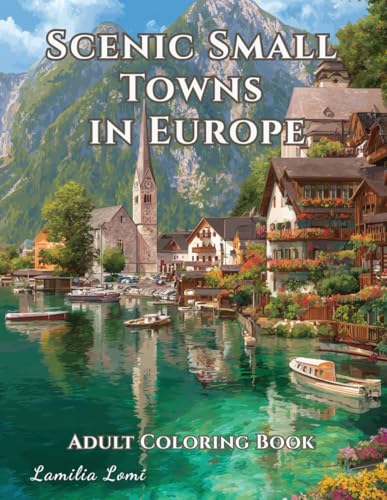
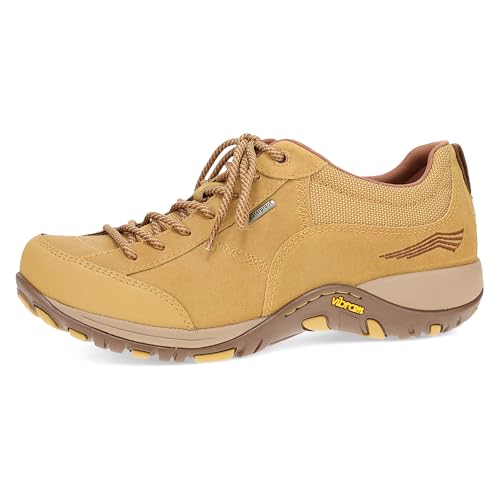
Small-city Europe wants different kit than capital-hopping. Cobblestone-compatible walking shoes for the medieval centers. Flat leather shoes for the one nice dinner where every small town has its proper restaurant. A small foldable umbrella because the storm shelters are smaller than in capitals. A travel journal because the photos won’t catch the names of streets you’ll forget. A neck phone strap because pockets get crowded with maps. A proper small-towns guidebook. Six picks below earn their place.





| Bracket | Sample places | Trip use-case |
|---|---|---|
| Under 100 residents | Morterone, Castelmoron-d’Albret, Hum | Curiosity stop, 30-minute visit |
| 100–5,000 | Sortelha, Civita di Bagnoregio, Eguisheim | Day-trip anchor, 3-5 hour visit |
| 5,000–15,000 | Hallstatt, Bibury, Albarracín, Telč | One-night stop |
| 15,000–50,000 | Cesky Krumlov, Hvar, Sintra, Visby, Porvoo | Use-as-a-base, 3-4 nights |
| Microstate capital | Vaduz, San Marino City, Andorra la Vella | Different category (capital, not city) |
| 2026 exception | Trenčín (~55k) | European Capital of Culture year |
Which Settlements Under 100 Residents Are Worth the Detour?
Three places in Europe hold the under-100-resident curiosity-stop bracket. Morterone in northern Italy (population 30), Castelmoron-d’Albret in southwest France (the smallest commune in mainland France by area at 0.0354 km²), and Hum in Istrian Croatia (population about 30, often called the smallest town in the world). These aren’t trip anchors. They are 30-minute stops on a longer drive that pay off for the photograph and the bragging rights. Each has one functioning business: usually a tavern or a cafe.
1. Hum, Croatia
An Istrian hilltop village holds the Guinness “smallest town in the world” certificate with about 30 residents. The town is one main street, two churches (Saint Jerome from the 12th century and Saint Mary from the 17th), and a single biska distillery. The Glagolitic Alley, an open-air sculpture trail of 11 monumental stone works between Roč and Hum (a 7-kilometer drive), celebrates the medieval Croatian Glagolitic script that survived in the Istrian interior longer than anywhere else. The alley was restored in 2025 with new signage and a small museum reopening at the Roč end.
Drive from Pula or Rijeka in 90 minutes. Eat at Humska Konoba for the truffle-and-pasta lunch. Buy the biska (mistletoe brandy) at the village tavern. Half an hour for Hum proper, plus the 7-kilometer Roč drive.
Read also: things to do in Croatia and hidden gems in Europe.
2. Morterone, Italy
The smallest Italian comune by registered population (about 30 residents in winter, around 70 in summer) sits at 1,070 meters elevation in the Lecco Alps north of Milan. A single switchback mountain road runs 12 kilometers up from the village of Ballabio. There’s one church (San Carlo Borromeo, built in 1610), one bar (Bar Trattoria Da Andrea), and a small dairy that produces stracchino cheese from the local cows. The Resegone mountain panorama from the village square earns the drive.
Drive from Milan in 90 minutes. Park at the lower switchback if you’re nervous about mountain roads. Eat lunch at Da Andrea (call ahead, the kitchen is small). Two hours total.
Read also: places to visit in Italy and places to visit in Western Europe.
3. Castelmoron-d’Albret, France
The smallest commune in mainland France by surface area at 0.0354 square kilometers, with about 50 residents. A fortified medieval village in the Gironde region (the Bordeaux wine area), the town sits inside a complete circuit of 11th-century walls measuring barely 200 meters across at the widest point. Two cafes, one boulangerie, one mairie that doubles as the local museum. The annual Fête de la Châtaigne (chestnut festival) in October draws about 800 people, which doubles the village’s normal population for the day.
Drive from Bordeaux in 70 minutes through the Entre-Deux-Mers vineyards. Eat at L’Esprit du Vin in the next-door village of Sauveterre-de-Guyenne. One hour for Castelmoron itself, plus the vineyard drive.
Read also: things to do in France and places to visit in Western Europe.
Which 100-5,000 Resident Villages Make Day-Trip Anchors?
Five places sit in the day-trip-anchor bracket: large enough to spend a half day or full day, small enough to walk end-to-end in under 30 minutes. Sortelha in the Portuguese Beira interior holds 320 residents. Civita di Bagnoregio in Lazio holds 11 winter residents and 100 in summer, perched on a clay pinnacle reachable only by footbridge. Monsaraz in Portugal’s Alentejo holds 800. Eguisheim in Alsace holds 1,700 with its concentric circular plan. Reine in Norway’s Lofoten holds 300 on a fjord.
4. Sortelha, Portugal
A walled medieval village in central Portugal sits at 760 meters elevation with 320 residents and a complete 13th-century circuit of granite walls. The castle keep delivers views across 70 kilometers of the Beira Interior. The village inside the walls holds about 50 houses, most still inhabited, with the kind of dark-stone-and-amber-shutter architecture that makes for very good photographs in late afternoon light. The Casa do Pátio courtyard restaurant cooks regional posta mirandesa beef on stone slabs over fire.
Drive from Coimbra in 90 minutes or from Guarda in 45. Eat at Casa do Pátio. Stay overnight at Casas do Sahúgo if you want the village at dawn. Three hours for the visit, longer with the meal.
Read also: things to do in Portugal and hidden gems in Europe.
5. Civita di Bagnoregio, Italy
A Renaissance village perched on a clay pinnacle in northern Lazio, reachable only by a 360-meter footbridge from the neighboring town of Bagnoregio. Eleven winter residents, about 100 in summer. The clay platform has been eroding since the village was founded by the Etruscans in the 5th century BC, and the “dying town” (la città che muore) is gradually shedding edges. The medieval main square holds the Romanesque San Donato church and a single bar.
Drive from Rome in 90 minutes. The footbridge crossing has a €5 entry fee. Eat at Antica Tratoria Civita inside the village. Two hours plus walking, longer with lunch.
Read also: places to visit in Italy and Europe bucket list.
6. Monsaraz, Portugal
A whitewashed Alentejo village inside a 13th-century castle on a hill above the Alqueva reservoir (the largest artificial lake in Western Europe). Population 800. The cobbled main street, Rua Direita, runs straight from one castle gate to the other in about 400 meters. The town has been a Dark Sky Reserve since 2011, with regular astronomy nights at the Igreja Matriz church plaza. The view over Alqueva at sunset is one of the cleanest in southern Portugal.
Drive from Évora in 45 minutes. Stay at Casa Pinto for the village-within-the-walls experience. Eat at Sabores de Monsaraz. Three hours for the village; full day if you add a stargazing night.
Read also: things to do in Portugal and places to visit in Southern Europe.
7. Eguisheim, France
An Alsatian wine village laid out in three concentric circular rings inside the medieval walls. Population 1,700. The village inspired the layout of Belle’s home town in the Disney “Beauty and the Beast.” The colombage half-timbered houses are painted in geranium-pink, mustard-yellow and sky-blue along the central ring of Place du Château. The town sits on the Route des Vins d’Alsace and produces Riesling, Gewürztraminer and Pinot Gris from the surrounding grand-cru terraces.
Drive from Colmar in 10 minutes. Eat at La Grangelière in the central ring. Buy wine at the Wolfberger cooperative. Three hours, longer with a tasting.
Read also: things to do in France and places to visit in Western Europe.
8. Reine, Norway (Lofoten)
A fishing village in the Lofoten archipelago of northern Norway sits at the foot of a 448-meter granite peak called Reinebringen. Population 300. The red-painted rorbu cabins (traditional fishermen’s huts on stilts above the harbor water) house most of the village’s accommodation. The Reinebringen hike (1,560 steps installed by Nepalese sherpas in 2019) climbs the peak in about 90 minutes for a panorama widely considered among Europe’s most photographed.
Fly to Bodø, ferry to Moskenes, drive 5 kilometers to Reine. Stay at Reine Rorbuer for the harbor view. Eat at Anita’s Sjømat for the fresh-caught cod. One full day for the hike and the village.
Read also: things to do in Norway, places to visit in the Nordics, and lofoten islands.
Which 5,000-15,000 Resident Towns Earn an Overnight?
Four towns in this bracket repay the overnight stay because the dawn or dusk light catches them at a quality the day-tripper never sees. Hallstatt in the Austrian Salzkammergut. Bibury in the English Cotswolds. Albarracín in the Spanish Aragón. Telč in Czech Moravia. All four are UNESCO inscribed or shortlisted, all four sit a comfortable distance from a regional capital, and all four hold the kind of late-afternoon light show that makes the overnight worth booking.
9. Hallstatt, Austria
A cluster of pastel houses clings to the wedge of land between a Salzkammergut lake and a mountain wall. Population 800. The town is so famous that a Chinese company built a full-scale replica of it in Guangdong province in 2012. The original is now visitor-managed: a 2026 quota system limits parking and bus arrivals between June and October. Visit on the shoulder-season weeks (May, October) for the photographs without the queues. Stay one night to catch the early light on the boathouses.
The Salzwelten salt mine is 7,000 years old and runs guided tours that include a wooden slide down through the seams. Lunch at Bräugasthof on the lakefront. The connecting train from Salzburg is two hours via Attnang-Puchheim.
Read also: things to do in Austria and places to visit in Central Europe.
10. Bibury, England (Cotswolds)
William Morris called Bibury “the most beautiful village in England” in 1894, and the line has been the village’s signature ever since. Population 620. Arlington Row, the cluster of 17th-century weavers’ cottages along a path beside the Coln River, is one of the most photographed streets in the UK. Visitors are asked not to walk on Arlington Row itself (the cottages are still private homes) but the riverside path delivers the angle. The Swan Hotel and the village trout farm round out the visit.
Drive from Oxford in 90 minutes. Stay at The Swan Hotel for the riverside room. Eat lunch at the Catherine Wheel pub. Half a day on its own; one night with the Cotswolds tour.
Read also: things to do in England and Europe bucket list.
11. Albarracín, Spain
An Aragonese walled town built in pink sandstone on a horseshoe meander of the Guadalaviar River, with population 1,100. The medieval streets cling to the contours of the cliff, and the cathedral and castle dominate the highest points. The old city walls climb the cliffs above the town and offer the panoramic view from the watchtowers. The 19th-century street paving uses river stones laid in geometric patterns. The local lamb shoulder dish (cordero asado) is the regional specialty.
Drive from Teruel in 45 minutes. Stay at La Casona del Ajimez for the medieval atmosphere. Eat at El Bodegón for the lamb. One overnight catches the dawn light on the pink sandstone.
Read also: things to do in Spain and hidden gems in Europe.
12. Telč, Czech Republic
A long medieval square painted in pastel sgraffito sits behind a Renaissance chateau in Moravia. Population 5,200. The town has a UNESCO inscription since 1992 and survives mostly on tourism that barely arrives because the railway connection is awkward. The chateau itself runs guided tours through the painted ballrooms, which feel like walking through someone’s private dream of a 16th-century life. Stay overnight at Pension Steidler for the sunrise on the painted facades.
Train from Brno takes about two hours via Jihlava. Eat lunch at Roštěnka behind the square. The chateau tour runs in three Czech-only loops; the English audio guide costs 50 CZK. One night.
Read also: things to do in Czech Republic and places to visit in Central Europe.
Which 15,000-50,000 Resident Cities Work As a Base?
Five small cities in this bracket function as a base for three or four days because they hold proper hotel infrastructure, a working food scene, and a day-trip radius of 30-60 kilometers that supplies variety without requiring you to move accommodation. Český Krumlov in Bohemia. Hvar Town in Croatia. Sintra in Portugal. Visby in Sweden. Porvoo in Finland.
13. Český Krumlov, Czech Republic
The Vltava River loops around an outcrop in a tight horseshoe, and the medieval town inside the loop is built around a castle complex on the cliff above. Population 13,000. The setting is so absurdly photogenic that the day-trip crowds out of Prague have made it the most over-visited small town in Czech Republic. The trick is to sleep over: between 6 p.m. and 9 a.m. the place empties out, the cobbles ring underfoot, and the castle terrace holds two or three people instead of two hundred.
Stay at the Old Inn on the main square. Climb the castle tower at first light. Eat dinner at Krčma v Šatlavské, a candlelit medieval-style cellar. Two nights catches the place properly. The train from Prague is three hours via České Budějovice.
Read also: most beautiful countries in Europe and places to visit in Czech Republic.
14. Hvar Town, Croatia
The main town of Hvar Island holds 4,200 winter residents and triples in summer. The marble-paved central square sits at the head of a U-shaped harbor with the Spanish-built fortress on the hill behind. The old Venetian arsenal (with the world’s oldest public theater, 1612, on its upper floor) sits on the square. The Pakleni Islands archipelago, an arc of 21 small islands stretching west, supplies the day-trip swimming. Hvar Town’s nightlife reputation is somewhat overblown; the off-season town is quiet and the food is excellent.
Ferry from Split runs 1-2 hours. Stay at the Palace Elisabeth on the main square. Eat at Junior for the modern Dalmatian. Three nights with the Pakleni day-trip.
Read also: things to do in Croatia and best beach cities in Europe.
15. Sintra, Portugal
The hilltop summer-palace town 25 kilometers west of Lisbon holds 29,000 residents and the densest concentration of fantastical 19th-century estates in southern Europe. UNESCO World Heritage since 1995. The Pena Palace (yellow, red and tiled in absurd color combinations) crowns the highest hill. The Quinta da Regaleira mansion below it has the famous Initiation Well, a 27-meter spiral staircase descending into the gardens. The Moorish Castle ruins offer the panoramic walking circuit. Use Sintra as a base for three days to escape the day-trip crowds.
Train from Lisbon runs 40 minutes. Stay at Tivoli Palácio de Seteais for the historic palace experience or at Lawrence’s Hotel in the town center. Eat at Tascantiga in the historic center. Three nights catches Pena, Regaleira, the Moorish Castle, and a day at Cabo da Roca.
Read also: things to do in Portugal and Lisbon itinerary.
16. Visby, Sweden
The medieval Hanseatic city on the Swedish island of Gotland holds 25,000 residents and one of Europe’s best-preserved 13th-century town walls (3.4 kilometers, 27 surviving towers). UNESCO World Heritage since 1995. The town’s nickname is “The City of Roses and Ruins” for the climbing roses in the medieval lanes and the dozen church ruins from when Visby was the wealthiest Hanseatic port in the Baltic. The annual Medieval Week in early August transforms the town into a working medieval re-enactment.
Ferry from Nynäshamn runs 3 hours; fly from Stockholm in 35 minutes. Stay at Hotel Stenugnen in the medieval center. Eat at Bakfickan for the seasonal Swedish. Three nights for the island; one week for the Medieval Week visit.
Read also: things to do in Sweden and places to visit in the Nordics.
17. Porvoo, Finland
The second-oldest city in Finland sits 50 kilometers east of Helsinki on the Porvoo River. Population 52,000 (just over the ceiling, so the historic center of 8,000 is what counts for this bracket). The Old Town’s red-painted wooden warehouses lining the river bank are the country’s most-photographed cityscape. The Porvoo Cathedral (Gothic, 14th-century, reconstructed after a 2006 arson) crowns the hill. The Albert Edelfelt’s studio in the Haikko Manor area, where the painter spent his summers, is a museum now.
Bus from Helsinki runs 60 minutes. Stay at Hotel Haikko Manor for the historic riverfront. Eat at Bistro Sinne in the Old Town. One overnight with a Helsinki side-trip.
Read also: things to do in Finland, places to visit in the Nordics, and things to do in porvoo.
Where Do the Microstate Capitals Fit In?
Three microstate capitals sit in a separate category because they are technically country capitals, not regular small cities. Vaduz (Liechtenstein, population 5,800), San Marino City (San Marino, population 4,100), and Andorra la Vella (Andorra, population 22,800). They share the small-city scale but carry different functions: a parliament, a head-of-state residence, and visa/currency rules that ordinary small European towns don’t have to think about.
18. Vaduz, Liechtenstein
The capital of Liechtenstein holds 5,800 residents and one of the smallest national parliaments in Europe (25 seats). Vaduz Castle on the hill (the residence of the Prince of Liechtenstein) overlooks the town. The Kunstmuseum Liechtenstein has a surprisingly strong modern collection for a country of 38,000. The Rhine River forms the western border with Switzerland; you can walk to the Swiss side in 15 minutes.
Read also: smallest countries in Europe and places to visit in Western Europe.
19. San Marino City
The capital of the world’s oldest sovereign republic, founded 301 AD, sits on Monte Titano with 4,100 residents. Three medieval towers (Guaita, Cesta, Montale) form the famous skyline visible from the autostrada miles before you arrive. UNESCO World Heritage since 2008. The Palazzo Pubblico holds the parliament. The whole city is walkable in two hours including the towers.
Read also: smallest countries in Europe and places to visit in Italy.
Why Does Trenčín, Slovakia Matter in 2026?
Trenčín holds ~55,000 residents, just over the 50,000 ceiling this post uses, and earns its place as the 2026 exception because of the European Capital of Culture year. Castle-as-contemporary-art-venue with three exhibitions in 2026, the Light Art Festival in April, Splanekor on the Váh River in July, Fiesta Bridge Festival in September. Also ranked the fifth-cheapest European city break for 2026 at €314. Three days in mid-2026 catches every major event.
20. Trenčín, Slovakia
The medieval castle above the town predates the Reformation, and the Roman inscription carved into the rock at its base (dating to 179 AD, from a passing Roman legion) is the northernmost piece of Roman writing in continental Europe. That inscription was the genesis of the Capital of Culture bid: a town curious about itself. Add a half day for the Trenčianske Teplice spa town (15 minutes by train). Eat at Fatima for the fusion-Slovak menu.
Read also: places to visit in Central Europe and things to do in Slovakia.
Want a small-city Europe trip pre-built across all four brackets plus the Trenčín 2026 anchor?
The Ultimate Europe Trip Planner does the bracket-by-bracket pairing, the working overnight calculations, and the Trenčín timing so the trip catches the program weeks. Currently just $17 before the price goes up to $27.
Small-City Europe FAQ
What is the smallest town in Europe?
Hum in Istrian Croatia holds the Guinness “smallest town in the world” certificate with about 30 residents. Morterone in northern Italy is the smallest by registered Italian comune population (30 winter, 70 summer). Castelmoron-d’Albret in France is the smallest by surface area (0.0354 km²) with about 50 residents.
Is Trenčín worth visiting in 2026?
Yes, this is the single best year to go. European Capital of Culture program runs February through November and includes The Well of Love light-and-sound piece in the castle wells, the Light Art Festival in April, Splanekor floats on the Váh River in July, and the Fiesta Bridge Festival in September. Trenčín is also the fifth-cheapest European city break for 2026 at €314.
What is the smallest city in Switzerland?
Werdenberg, a tiny medieval town and former independent county in the canton of St. Gallen, has about 60 residents in the historic walled core (the broader municipality of Buchs that includes it holds 41,000). The town is one of the smallest with formal “city” status in Europe; the castle on the hill was the seat of the medieval Counts of Werdenberg.
Which small European town is best for a weekend trip?
For two nights: Hallstatt (Austria), Český Krumlov (Czech Republic), Albarracín (Spain), Sintra (Portugal), Telč (Czech Republic). Each holds a working hotel scene, a proper food culture, and a day-trip radius that fills a weekend without exhausting it. Avoid Civita di Bagnoregio for a weekend; one afternoon is enough.
How small does a town need to be to count as the smallest?
This post uses two ceilings: town (under 5,000 residents) and small city (5,000-50,000). Anything under 100 residents lives in a separate curiosity bracket. Anything over 50,000 belongs in the biggest-cities post. The microstate capitals (Vaduz, San Marino, Andorra la Vella) sit in their own category because they’re country capitals first.
What is the smallest European capital city?
Vatican City as a sovereign state (under 900 residents, the smallest country in the world). Among independent countries with normal capital functions: San Marino City (4,100), Vaduz (5,800), Valletta (Malta, about 5,800 in the city proper), Andorra la Vella (22,800), Reykjavik (135,000). All Nordic capitals (Reykjavik, Tallinn 460k, Vilnius 590k, Riga 615k) sit well above the 50k threshold.
Key Takeaways
- Working ceilings: under 5,000 = town, 5,000-50,000 = small city, under 100 = curiosity bracket.
- Under 100 residents: Hum (Croatia), Morterone (Italy), Castelmoron-d’Albret (France).
- 100-5,000 day-trip anchors: Sortelha (Portugal), Civita di Bagnoregio (Italy), Monsaraz (Portugal), Eguisheim (France), Reine (Norway).
- 5,000-15,000 overnight stops: Hallstatt (Austria), Bibury (England), Albarracín (Spain), Telč (Czech).
- 15,000-50,000 use-as-a-base: Český Krumlov (Czech), Hvar Town (Croatia), Sintra (Portugal), Visby (Sweden), Porvoo (Finland).
- Trenčín, Slovakia (~55,000) earns the 2026 exception as European Capital of Culture year with the castle exhibitions and festival calendar.
Sizing the Stop So the Small-City Trip Has the Room It Needs
Small-city Europe rewards the trip that matches the bracket to the right use-case. Under 100 residents is a 30-minute curiosity stop on a longer drive. 100-5,000 fills a day-trip from a nearby anchor. 5,000-15,000 wants an overnight to catch the dawn or dusk light. 15,000-50,000 holds three or four nights as a regional base. Microstate capitals sit in their own category because they’re sovereign states first. And Trenčín, Slovakia at ~55,000 earns the 2026 exception because the Capital of Culture year delivers a program nobody else has this calendar. Pick three or four small-city stops sized to their right use-case and the trip will hold together better than a two-capital city break.