Quick Answer: The best places to visit in Romania in 2026 are Bucharest, Brașov, Sibiu, Sighișoara, Bran Castle, Peleș Castle, the painted Bukovina monasteries (UNESCO), Cluj-Napoca, the Transfăgărășan Highway, and the Danube Delta. Romania went full-Schengen on January 1, 2025, with no land-border checks. 2026 marks the 150th anniversary of sculptor Constantin Brâncuși’s birth, with major programming across his Gorj County home region. Tourism is up 15%+ since Schengen.
Last updated: May 2026 · Brâncuși 150th birth anniversary 2026; Romania full-Schengen since January 1, 2025; tourism up 15%+.
Driving the Transfăgărășan in early September 2024, the road climbed from green Carpathian pasture into bare granite in under an hour, looped through one tunnel cut straight through the mountain wall, and dropped me at the Bâlea Lake parking lot at 2,034m, where a single woman was selling sheep cheese from a small wooden table and a brown bear was very visible across the valley about 800 meters away, eating berries. I bought the cheese (€4), ate it with bread from Sibiu, and stood there for maybe ten minutes watching a country I had been told my whole life was difficult casually deliver an afternoon I’ll remember for the rest of my life.
That’s most of what Romania does. The country went full-Schengen on January 1, 2025, which means the land borders with Hungary and Bulgaria stopped requiring passport checks, and tourist numbers jumped 15%+ in the first year alone. 2026 marks the 150th anniversary of sculptor Constantin Brâncuși’s birth, with the Brâncuși Year programming centered on his home county of Gorj where the original Endless Column, Table of Silence, and Gate of the Kiss still stand exactly where he placed them in 1937-1938. The country’s hotel prices remain among the lowest in the European Union, which makes the value-per-trip math unbeatable.
Seven regions structure the trip: why Romania in 2026, the Bucharest Belle Époque, Transylvania’s castle trail, the Saxon cities, the Bukovina painted monasteries, the Brâncuși trail in Gorj, and the Carpathian-plus-Transfăgărășan road-trip plus Danube Delta plus Salina Turda extras.
Planning a Romania trip during the Brâncuși Year?
The Ultimate Europe Trip Planner has Romania 7-day and 14-day itineraries with the Bukovina monasteries loop, Transylvania castle trail, Brâncuși Gorj County route, and Transfăgărășan driving window. $17 currently.
Romania Travel Kit
Romania travel runs across cobblestone Saxon old towns, Carpathian hiking trails, Bukovina painted monasteries, and the Danube Delta wetlands. Six items make most trips work. A solid Romania guidebook with the regional drives mapped. A Romanian phrasebook for menu-reading outside Bucharest and Cluj. Waterproof hiking boots for the Carpathians and the painted monastery courtyards. An Eastern Europe travel plug adapter (Type F, same as most of the EU). A 25L compact daypack for the city days. A lightweight wool travel scarf for the cool monastery interiors and Carpathian mornings.
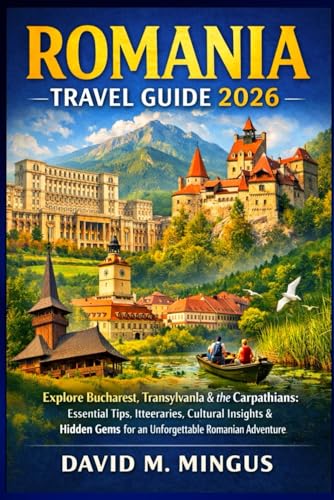

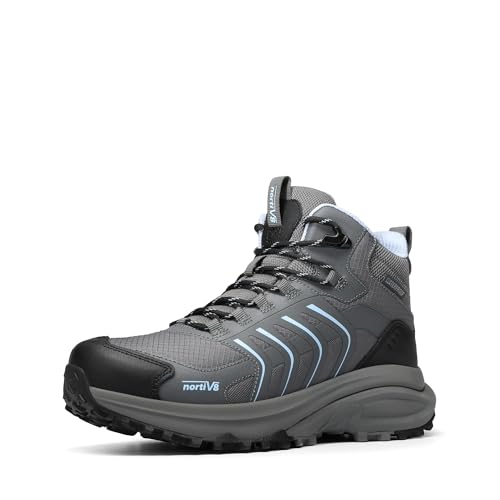



Recommended blogs to read:
- Places to visit in east Europe
- Cheap countries in Europe
- Eastern Europe on a budget
- Beautiful castles in Europe
- 37 Europe travel tips
Why Should You Visit Romania in 2026?
Three 2026 tailwinds make Romania the sleeper European trip of the year. Each one shifts the math for travelers debating between Romania and the more-obvious Eastern European picks.
1. Full Schengen Since January 1, 2025
Romania joined the Schengen Area on January 1, 2025, ending passport checks at land borders with Hungary and Bulgaria. Tourist arrivals jumped 15%+ in the first year. Practical effect: a Budapest-Cluj-Brașov train trip now runs without the 2-hour border stop that used to mean a 6 AM Hungarian wake-up. Air arrivals had already been Schengen-friendly since March 2024 at Henri Coandă (Bucharest) and Cluj-Napoca International.
Read also: places to visit in east Europe and 37 Europe travel tips.
2. The Brâncuși 150th Anniversary
Constantin Brâncuși, born February 19, 1876, in Hobița (Gorj County), is one of the 20th century’s most-influential sculptors. 2026 marks the 150th anniversary of his birth, with the official Brâncuși Year programming centered on Târgu Jiu, where his Endless Column, Table of Silence, and Gate of the Kiss still stand on the original 1937-1938 axis. Bucharest’s National Museum of Art runs the headline retrospective at Sala Brâncuși. International loans of Brâncuși sculptures from MoMA, Centre Pompidou, and the Guggenheim are confirmed for the Bucharest show.
Read also: unique places to visit in Europe and hidden gems in Europe.
3. Romania Remains the Cheapest Major EU Country
Hotel rooms in Bucharest run €60-€120 mid-range, €40-€70 in Cluj or Brașov, €30-€50 in smaller cities. Restaurant dinner mains €8-€18. Local beer €2-€3. Petrol €1.50/L. Daily budget €60-€90 per person for mid-range travel, €30-€50 backpacker. Romania entered the euro corridor pending final fixing but currently uses the Romanian leu (RON 5 = €1 approximately).
Read also: cheap countries in Europe and Eastern Europe on a budget.
What Should You See in Bucharest?
Bucharest deserves 2-3 days minimum. The city earned the “Little Paris” tag in the Belle Époque era and the architectural evidence remains. Four anchors define the city.
4. The Palace of Parliament
The second-largest administrative building in the world (after the Pentagon), Ceaușescu’s communist-era megalomania project. 1,100 rooms, 365,000 square meters. Entry RON 60 (€12) for the standard 90-minute tour, RON 90 (€18) for the longer version that includes the underground bunker. Book online ahead with passport scan required. The interior decoration uses 700,000 tons of marble, 3,500 tons of crystal, and 1.5 million cubic meters of wood, all sourced from within Romania.
Read also: places to visit in east Europe and unique places to visit in Europe.
5. The Historic Center (Lipscani)
The cobblestone Old Town with 17th-19th century townhouses, courtyards, and the institutional Cărturești Carusel bookshop (one of Europe’s most beautiful, set in a restored Belle Époque department store). Caru’ cu Bere (since 1879) is the Belle Époque tavern with the original frescoes and the city’s most theatrical traditional-Romanian dinner. The Stavropoleos Monastery is the 1724 small Brâncovenesc-style church a block away.
Read also: beautiful cities in Europe and things to do in Bucharest.
6. The Village Museum (Muzeul Satului)
An open-air museum on the shores of Lake Herăstrău in northern Bucharest with 272 traditional Romanian peasant houses, churches, and workshops moved here brick by brick from across the country since 1936. Entry RON 30 (€6). 2-3 hours easily. The wooden churches of Maramureș and the Bukovina-style fortified farms are the headline structures.
Read also: hidden gems in Europe and unique places to visit in Europe.
7. The National Museum of Art and the 2026 Brâncuși Retrospective
The former royal palace on Calea Victoriei holds the country’s main art collection. The European Art wing has Rembrandt, El Greco, Rubens, Monet, Renoir. The Romanian Art wing holds Brâncuși, Grigorescu, Andreescu. The 2026 Brâncuși Year retrospective in Sala Brâncuși runs through October 2026 with international loans confirmed from MoMA, the Pompidou, and the Guggenheim. Entry RON 35 (€7).
Read also: UNESCO sites in Europe and most beautiful countries in Europe.
What Castles Should You Visit in Transylvania?
Transylvania’s castle trail runs through four headline buildings and roughly six lesser-known ones. The Dracula association is mostly marketing; the architecture and the mountain backdrops do the actual work.
8. Bran Castle
The Transylvanian castle marketed as Dracula’s home, though Bram Stoker never visited and Vlad the Impaler probably never lived here. Built in 1377 on a 60-meter rocky outcrop in the Carpathians, served as a royal residence under Queen Marie of Romania in the early 20th century. Entry RON 70 (€14). The interior is small and the audio guide takes 40 minutes; the queue takes longer. Pair with Râșnov Citadel (12km away) and Peles Castle (50km north in Sinaia) for the full Transylvanian-castle trip.
Read also: beautiful castles in Europe and things to do in Bucharest.
9. Peleș Castle
The Neo-Renaissance summer residence of King Carol I, built 1873-1914 in the Carpathian foothills near Sinaia, 130km north of Bucharest. The most spectacular castle interior in Romania, with the German Renaissance Music Room, the Florentine ballroom, the Moorish smoking room, and the Honor Hall central staircase. Entry RON 70 (€14) for the standard tour. Closed Mondays, Tuesdays in low season. Pair with Pelișor Castle (the smaller summer residence of Queen Marie, 100m away) for the full visit.
Read also: beautiful castles in Europe and fairytale towns in Europe.
10. Corvin (Hunyadi) Castle
The 15th-century Gothic-Renaissance castle in Hunedoara, built by the Hungarian Corvin family (also known as the Hunyadi family). The Knights’ Hall, the Council Hall, and the Bear Pit are the interior highlights. Entry RON 40 (€8). 40km from Sibiu, easy to combine with a Saxon Cities loop. Often used as a film location for medieval-period films; the polygonal Don Tower and the slate-roof bridge across the Zlaști river ravine give the postcard photograph.
Read also: beautiful castles in Europe and hidden gems in Europe.
Which Saxon Cities Should You Visit in Transylvania?
Four cities in central Transylvania preserve the medieval Saxon (Transylvanian German) architecture from the 12th-15th century settlement era. Each one is small enough to walk in a half-day and rewards an overnight stay.
11. Sibiu
European Capital of Culture 2007 and continuing European Region of Gastronomy programming into 2026. The Large Square (Piața Mare), the Small Square (Piața Mică), and the connecting Bridge of Lies form the historic heart. The Brukenthal National Museum holds one of Romania’s finest art collections in the former Habsburg governor’s palace. The “eyes of Sibiu” (the oval attic windows on the painted Saxon houses) are the iconic photographic detail. ASTRA open-air museum 5km south of the center is the largest open-air ethnographic museum in southeastern Europe.
Read also: fairytale towns in Europe and places to visit in central Europe.
12. Brașov
The Transylvanian Saxon city with the Brașov Hollywood-style hilltop sign visible from the Council Square. The 14th-century Black Church (Biserica Neagră) is the largest Gothic church in southeastern Europe; entry RON 15 (€3). Rope Street (Strada Sforii) is one of the narrowest streets in Europe at 1.32m wide. The Mount Tâmpa cable car runs to the summit panoramic viewpoint. Base for Bran Castle and Râșnov day-trips, plus Poiana Brașov ski resort 12km west in winter.
Read also: beautiful cities in Europe and things to do in Bucharest.
13. Sighișoara
UNESCO-listed since 1999. The best-preserved inhabited medieval Saxon citadel in Europe. The 14-tower defensive wall, the 13th-century Clock Tower, the Covered Stairs (175 steps up to the Church on the Hill), and the alleged birthplace of Vlad Țepeș Dracula (now a touristy restaurant) form the core. Stay overnight at one of the citadel guesthouses; the day-trippers leave at 5 PM and the citadel cobbles become genuinely yours.
Read also: UNESCO sites in Europe and fairytale towns in Europe.
14. Cluj-Napoca
Romania’s second city and tech-and-festival capital. The Hungarian-Romanian-Saxon multicultural layer runs deeper here than in Bucharest. Untold Festival every August (2026 dates: August 6-9, one of Europe’s biggest electronic music festivals, 350,000+ attendees). St. Michael’s Church on Unirii Square is the 14th-century Gothic anchor. The Cluj-Napoca Pharmacy History Museum in the former 1573 Hintz House is the unexpected highlight. Bonțida Bánffy Castle, 35 minutes northeast, is the Transylvanian Versailles undergoing slow restoration.
Read also: places to visit in east Europe and summer in Europe.
Which Painted Monasteries of Bukovina Should You Visit?
Eight Orthodox monasteries in northeastern Romania (Bukovina region), built between 1487 and 1583, with exterior frescoes covering every visible wall. UNESCO World Heritage since 1993. Four anchor the visiting circuit; the others reward an extended week.
15. Voroneț Monastery
Called the Sistine Chapel of the East. The exterior west wall holds the Last Judgment fresco, considered the most-photographed Romanian artwork. The specific shade of blue (now known internationally as Voroneț blue) was created from an unknown 15th-century pigment that has not been replicated. Built 1488. Entry RON 10 (€2). Closed during the midday liturgy; check Sunday service times before visiting.
Read also: UNESCO sites in Europe and unique places to visit in Europe.
16. Sucevița, Moldovița, and Humor
The three other UNESCO-listed Bukovina painted monasteries, all within a 50km drive of Voroneț. Sucevița’s exterior frescoes are the most-complete preservation (almost no weathering on the protected sides). Moldovița has the Siege of Constantinople fresco on the south wall. Humor is the smallest and most-intimate. RON 10 (€2) entry each. Plan a full day or two with a rental car from Suceava (1 hour east).
Read also: hidden gems in Europe and UNESCO sites in Europe.
What Is the Brâncuși Trail in Gorj County?
Constantin Brâncuși created the three-sculpture ensemble at Târgu Jiu in 1937-1938 as a memorial to the WWI Romanian soldiers who held the Jiu line in 1916. The three sculptures sit on a single 1.5km east-west axis through the city. 2026 sees major restoration and centennial-grade visitor infrastructure for the 150th anniversary.
17. The Endless Column (Coloana fără Sfârșit)
29.33m of stacked cast-iron rhomboid modules on a central spine, completed 1938. Free to view (it stands in a public park). Considered Brâncuși’s signature mature work, a meditation on infinity and the spirit ascending. The 17 rhomboids represent the 17 days of the Jiu battle. 2026 Brâncuși Year programming includes a centennial-light installation at sunset through the summer months.
Read also: unique places to visit in Europe and hidden gems in Europe.
18. The Table of Silence and the Gate of the Kiss
The Table of Silence (Masa Tăcerii) is a circular stone table with 12 hourglass-shaped seats around it, designed for the 12 disciples or the 12 hours of the soldiers’ silent vigil before battle. The Gate of the Kiss (Poarta Sărutului) is the limestone arch with the embracing-couple motif carved in the column joints, considered Brâncuși’s most accessible work. Both are free to view in Târgu Jiu’s central public park. The Brâncuși Memorial House in Hobița (his birth village, 20km west) is the third stop for the deep-dive day.
Read also: hidden gems in Europe and most beautiful countries in Europe.
What Else Should You See in Romania?
Four more sites that should anchor a Romania trip. Each is its own day-trip or weekend.
19. The Transfăgărășan Highway
The 90km mountain road through the Făgăraș range from Curtea de Argeș to Cârțișoara. Built 1970-1974 under Ceaușescu as a strategic military route, declared by Top Gear as “the best road in the world.” Open July through October (closed for snow the rest of the year). The Bâlea Lake at the highest point (2,034m) and the Vidraru Dam on the south side are the photograph spots. Drive south to north to finish at lower altitude.
Read also: European destinations for nature lovers and unique places to visit in Europe.
20. The Danube Delta
UNESCO World Heritage. Europe’s second-largest river delta after the Volga, covering 3,446 square kilometers across 23 ecosystems. Reach via Tulcea, then small-boat trips into the reedbeds, water lily channels, and the small fishing villages of Mila 23 and Sfântu Gheorghe. 300+ bird species pass through, including pelican colonies, herons, and white-tailed eagles. Best months May-October; summer mosquitoes can be substantial.
Read also: European destinations for nature lovers and UNESCO sites in Europe.
21. Salina Turda
The medieval salt mine in northern Transylvania, repurposed in 1992 into one of Europe’s strangest tourist attractions: a 112m-deep underground theme park with a Ferris wheel, mini-golf, a rowboat lake, and an underground amphitheater inside the cavernous excavated chambers. Entry RON 60 (€12). Year-round 11-12°C temperature. 30 minutes by car from Cluj-Napoca.
Read also: unique places to visit in Europe and hidden gems in Europe.
22. The Maramureș Wooden Churches
Eight UNESCO-listed wooden Orthodox churches in northern Romania, built between the 17th and 19th centuries by villagers using only wood and traditional joinery (no nails). The Bârsana Monastery complex is the easy-to-reach showpiece. Surdești has the tallest wooden church in Europe at 72m. The Merry Cemetery (Cimitirul Vesel) in Săpânța features carved wooden grave markers with brightly painted scenes from each person’s life, sometimes funny, sometimes touching, never solemn.
Read also: unique places to visit in Europe and UNESCO sites in Europe.
Building a Romania road-trip with Schengen ease?
The Ultimate Europe Trip Planner has Romania 7-day and 14-day itineraries including Bukovina monasteries, Saxon Cities, the Brâncuși Gorj loop, and the Transfăgărășan road-trip windows. $17 currently.
Places to Visit in Romania FAQ
What is the most beautiful place in Romania?
Subjective, but the Bukovina painted monasteries (Voroneț in particular), Sighișoara citadel, Peleș Castle interior, and the Transfăgărășan highway are the four most-cited. Sibiu and Brașov lead the Saxon-city beauty rankings. The Danube Delta is the country’s natural-beauty headline.
Is Romania safe for tourists in 2026?
Yes. Romania ranks in the European mid-pack on the Global Peace Index, lower violent-crime rate than Spain or Italy. Bucharest, Cluj-Napoca, Brașov, and Sibiu are all walkable late at night in central districts. Petty theft on overnight trains and at Bucharest’s Henri Coandă airport requires standard travel awareness. Roma-community begging happens in tourist zones and is occasionally aggressive but is not crime.
Is Romania part of Schengen now?
Yes, since January 1, 2025 for land borders (air borders since March 2024). EU citizens enter with ID card. Non-EU citizens from visa-exempt countries enter for 90 days within any 180-day period under standard Schengen rules. ETIAS launches Q4 2026 (€20 fee, 3-year validity) for non-EU travelers.
How many days do you need in Romania?
Minimum 7 days for Bucharest + Transylvania highlights (Brașov, Bran, Sibiu, Sighișoara). 10 days adds the Bukovina monasteries loop. 14 days adds Maramureș, Cluj-Napoca, the Transfăgărășan road trip, and the Danube Delta. Most travelers under-book Romania by 2-3 days because they don’t appreciate the country’s size.
Is Bran Castle really Dracula’s castle?
No. Bram Stoker never visited Romania and based his 1897 novel on a vague description from a travel book. Vlad Țepeș (the historical Dracula) may have passed through Bran but never lived there. The castle’s Dracula marketing is a 20th-century tourism construct. The actual Vlad Țepeș residences were at Poenari Fortress (a ruin on a cliff above the Argeș River) and the Old Court (Curtea Veche) ruins in central Bucharest. Bran is worth visiting; it just isn’t Dracula’s.
When is the best month to visit Romania?
May-June and September-October. Spring brings wildflowers in the Carpathians and the painted monastery exteriors at peak light. Autumn brings the Bukovina forest color and the wine-harvest festivals. July-August are the warmest but also the most-crowded; the Transfăgărășan is only open July-October. December for the Sibiu and Brașov Christmas markets.
Key Takeaways
- Romania went full Schengen on January 1, 2025; tourism up 15%+ in the first year.
- 2026 is the Brâncuși Year (150th anniversary of his birth); Gorj County trail at Târgu Jiu.
- Bucharest’s Palace of Parliament is the world’s second-largest administrative building.
- Transylvania castle trail: Bran, Peleș, Corvin, Râșnov.
- Saxon Cities trio: Sibiu, Brașov, Sighișoara (UNESCO citadel).
- The Bukovina painted monasteries (UNESCO) with Voroneț Blue are unique anywhere on earth.
- Transfăgărășan Highway open July-October; the Top Gear “best road in the world” pick.
- Romania remains the cheapest major EU country: €60-120/night mid-range hotels.
Final Thoughts on Places to Visit in Romania
Romania is the European country where almost every traveler I know came home pleasantly stunned. The Schengen-since-2025 entry ease and the 2026 Brâncuși Year programming make 2026 the right time to go, before the country’s tourism math catches up with its quality. The painted Bukovina monasteries belong on the UNESCO short list of “saw it, can’t unsee it.” The Carpathians hold Europe’s largest brown bear, wolf, and lynx populations. The Saxon cities of Sibiu, Brașov, and Sighișoara have the medieval Transylvanian look that nothing else in Europe quite matches.
For 2026, build the trip around Bucharest + Transylvania for a first visit, then add Bukovina + Maramureș for a second. The country rewards travelers who don’t rush. Drive the Transfăgărășan once. Stay at a Bukovina monastery guesthouse. Eat the sarmale with mămăligă and the kürtőskalács chimney cakes. And accept the brown bears as part of the Carpathian package.
Great piece of information! I think the only place missing here is Maramures. Without it a Romanian trip will not be complete.