Quick Answer: Spain’s 12 most famous artists span four centuries: El Greco (Mannerism), Diego Velázquez (Baroque), Francisco Goya (Romanticism), Joaquín Sorolla (Impressionism), Pablo Picasso (Cubism), Salvador Dalí (Surrealism), Joan Miró (abstract), and the architect Antoni Gaudí (Modernisme). See their work at the Prado and Reina Sofía in Madrid, the Picasso Museum and Miró Foundation in Barcelona, and the Dalí Theatre-Museum in Figueres. Pair with our guide to culture in Spain for the wider context.
Spanish art has produced more pivotal figures than almost any other Western tradition. Velázquez defined court Baroque painting in the 17th century; Goya bridged Old Masters and Modernism; Picasso, Dalí, and Miró shaped 20th-century Cubism, Surrealism, and abstract art respectively; and Gaudí built a city out of Catalan Modernisme. Six artists in this list have their own dedicated museum in Spain, and the country’s two flagship art museums (the Prado and the Reina Sofía in Madrid) hold the canonical works of every major Spanish painter from El Greco to Tàpies.
Our broader cities in Spain to visit guide covers the city-by-city travel framework; this guide pairs each artist to a specific museum plus a bookable experience.
Two practical rules for museum-heavy Spain trips. First, book Prado plus Reina Sofía plus Picasso Barcelona tickets online 1 to 2 weeks ahead in peak season; walk-up lines run 60 plus minutes. Madrid’s Paseo del Arte combo ticket (Prado plus Reina Sofía plus Thyssen for €33) saves around €10. Second, free entry hours fill fast: Prado last 2 hours daily (Mon-Sat 6 to 8pm, Sun 5 to 7pm), Reina Sofía 7 to 9pm weekdays plus Sunday afternoons, Picasso Barcelona free first Sunday of every month.
Arrive 30 minutes before the window opens. For the Madrid-side context, see our case for whether Madrid is worth visiting.
Exploring Spain’s art scene?
The Ultimate Europe Trip Planner maps the must-see museums (Prado, Reina Sofía, Picasso Barcelona, Dalí Figueres, Miró Foundation) with skip-the-line booking timing, hotel comparisons, and a Madrid Paseo del Arte day plan. Limited time, save $10 today (originally $27).
Best Hotels for Spain Art Trips
Five hotels within walking distance of the country’s top art museums, from our wider guide to the best hotels in Spain.
- Hotel URSO (Madrid), doubles from €180, 10 minutes walk to the Prado.
- Hotel Wellington (Madrid), doubles from €350, walking distance to all three Paseo del Arte museums.
- Hotel Casa Camper (Barcelona), doubles from €250, 10 minutes walk to the Picasso Museum.
- Hotel Duquesa de Cardona (Barcelona), doubles from €200, near the Picasso Museum plus MNAC on Montjuïc.
- Hotel Empordà (Figueres), doubles from €150, base for the Dalí Theatre-Museum and the Dalí Triangle.
Top Spain Art Museum Tours
Five tours covering Spain’s top art experiences, from our 10 days in Spain itinerary.
- Madrid Prado Skip-the-Line plus Royal Palace Combo, half-day with priority entry to both.
- Madrid Reina Sofía Plus Guernica Guided Tour, 2 hours focused on Picasso’s most famous work.
- Barcelona Picasso Museum Plus Gothic Quarter Walking Tour, combines the museum with the artist’s early-career neighborhood.
- Figueres Dalí Theatre-Museum Day Trip from Barcelona, includes the train plus skip-the-line entry.
- Toledo El Greco Plus Cathedral Walking Tour, includes Santo Tomé and the El Greco Museum.
Recommended Travel Essentials for Spain Art Trips
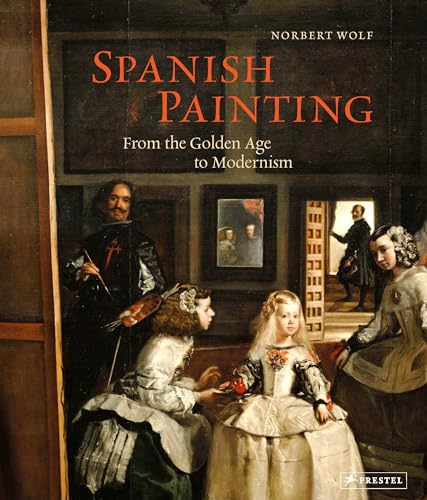
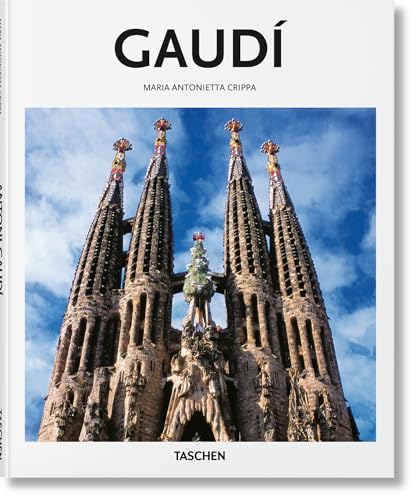
These five essentials prep you for museum-heavy Spain trips: a Spanish art history book, a Picasso coffee table book, a Dalí biography, the Prado museum guide, and the Gaudí Barcelona book.



Plan your full Spain trip:
- Cities to plan around, cities in Spain to visit.
- Madrid context, is Madrid worth visiting.
- Barcelona must-sees, things to do in Barcelona.
- Wider Spanish culture, culture in Spain.
1. El Greco (1541 to 1614)
Greek-born, Toledo-based Mannerist painter. His elongated figures and spiritual intensity made him one of the most singular voices in Spanish art history. Masterpiece: The Burial of the Count of Orgaz, displayed in Santo Tomé in Toledo. Additional works at the Prado in Madrid.
El Greco never set foot in Madrid; his entire mature career happened in Toledo, where his house plus the El Greco Museum trace the legacy. For the wider Toledo context, see our guide to the best castles in Spain.
2. Diego Velázquez (1599 to 1660)
Spanish Golden Age Baroque painter. Court painter to King Philip IV for over 30 years. Masterpiece: Las Meninas (1656), displayed in the Prado, Madrid. The painting is one of the most-analyzed works in Western art history (Picasso created 58 variations of it in 1957).
Born in Seville. Other Velázquez works at the Prado include The Surrender of Breda and Mars Resting. For the Madrid art context in full, see our case for whether Madrid is worth visiting.
3. Bartolomé Esteban Murillo (1617 to 1682)
Sevillian Baroque painter, known for religious scenes plus tender street-child portraits. Masterpiece: Immaculate Conception of El Escorial (1660), displayed in the Prado. Murillo’s works dominated the European art market for two centuries after his death.
Born and died in Seville. Other works at the Hospital de la Caridad in Sevilla, where Murillo painted 11 canvases on the walls. For the Sevilla context, see our case for whether Seville is worth visiting.
4. Francisco de Zurbarán (1598 to 1664)
Spanish Caravaggesque painter known for monastic still lifes plus saints. Masterpiece: Saint Francis (1640s), displayed in the Prado. Zurbarán worked in Sevilla alongside Velázquez and Murillo; his style is more austere, with stark light-and-shadow contrasts. Best collection: the Cádiz Museum, which holds 22 Zurbarán canvases plus the painter’s family chapel in Llerena (Extremadura). For the broader Andalusia art route, see our Andalusia itinerary guide.
5. Francisco Goya (1746 to 1828)
The artist who bridged Old Masters and Modernism. Court painter to four Spanish kings, later turned dark with the “Black Paintings” series. Masterpieces: The Third of May 1808 (1814, the canonical Napoleonic war painting) and Saturn Devouring His Son (1819 to 1823, one of the Black Paintings), both at the Prado in Madrid.
Goya’s grave is at the Real Ermita de San Antonio de la Florida in Madrid. The Prado holds the world’s largest Goya collection. For the wider Madrid context, see our whether Madrid is worth visiting guide.
6. Joaquín Sorolla (1863 to 1923)
The “painter of light.” Spanish Impressionist who painted Mediterranean beach plus family scenes. Masterpiece: Walk on the Beach (1909), displayed at the Sorolla Museum in Madrid. Born in Valencia, lived in Madrid. The Sorolla Museum is the artist’s former house plus studio (€3 entry, free Sat 2pm onwards plus all day Sun), one of the most-affordable art experiences in Madrid.
Sorolla’s beach paintings established the modern Spanish beach aesthetic. For the Valencia context, see our case for whether Valencia is worth visiting.
7. Pablo Picasso (1881 to 1973)
The most internationally famous Spanish artist. Born in Málaga, formative years in Barcelona, mature career in France. Co-founder of Cubism. Masterpieces: Guernica (1937, displayed at the Reina Sofía in Madrid, the most-visited single artwork in Spain), early Blue Period works at the Picasso Museum Barcelona (3,500 plus pieces, the world’s most-complete early-Picasso collection), birth-home at the Museo Picasso Málaga.
The three Picasso museums plus Guernica at the Reina Sofía cover his full arc. For the Málaga case, see our deep dive on whether Málaga is worth visiting.
8. Joan Miró (1893 to 1983)
Catalan abstract painter known for biomorphic shapes plus primary-color compositions. Masterpiece: the Constellations series (1940s). Museums: Fundació Joan Miró in Barcelona (on Montjuïc, holding 14,000 plus works including paintings, sculptures, ceramics) and Fundació Pilar i Joan Miró in Palma, Mallorca (the artist’s studio plus archive).
Miró spent his final 25 years on Mallorca; the Palma foundation preserves his studio exactly as he left it. For the island context, see our guide to the best islands in Spain.
9. Salvador Dalí (1904 to 1989)
The most famous Surrealist. Born and buried in Figueres (Costa Brava). Masterpiece: The Persistence of Memory (1931, the melting clocks, displayed at NYC’s MoMA). In Spain, the Dalí Theatre-Museum in Figueres (admission €17 to €21, the world’s largest Dalí collection) holds the painter’s wildest works plus his crypt.
The “Dalí Triangle” pairs Figueres (museum) plus Cadaqués (Casa-Museu Salvador Dalí in Portlligat, the artist’s home plus studio) plus Púbol (Castell Gala Dalí, his wife Gala’s castle). Needs 2 days plus a rental car. For the broader Costa Brava context, see our guide to Spain off the beaten path.
10. Juan Gris (1887 to 1927)
Synthetic Cubist often overshadowed by Picasso. Born in Madrid, mature career in France. Masterpiece: Portrait of Pablo Picasso (1912, displayed at the Art Institute of Chicago). The Reina Sofía in Madrid holds the most-complete Spanish Gris collection.
Gris died at 40, leaving a small but pivotal Cubist legacy that influenced both Picasso and the later 20th-century geometric abstractionists. For the Madrid art route, see our whether Madrid is worth visiting guide.
11. Antoni Tàpies (1923 to 2012)
Catalan abstract-informalist. Spain’s most-celebrated post-war painter. His “matter paintings” used sand, marble dust, and found objects to create textured, almost sculptural surfaces. Museums: Fundació Antoni Tàpies in Barcelona (the artist’s foundation, also one of the best architectural buildings on Passeig de Gràcia by Domènech i Montaner) plus key works at the Reina Sofía in Madrid.
Tàpies bridged Picasso’s generation to contemporary Spanish art. For the wider Barcelona Modernisme context, see our things to do in Barcelona guide.
12. Antoni Gaudí (1852 to 1926)
Catalan Modernisme architect rather than painter. The defining figure in Barcelona’s built environment. Masterpieces: Sagrada Família (begun 1882, completion delayed past 2026), Park Güell, Casa Batlló, Casa Milà (La Pedrera), Palau Güell, Casa Vicens, Colònia Güell crypt. All seven are UNESCO World Heritage sites.
Gaudí died in 1926 after being hit by a Barcelona tram; he is buried in the Sagrada Família crypt. For the dedicated Gaudí trail in Barcelona, see our guide to Gaudí buildings in Barcelona.
Where to See Spain’s Masterpieces (Museum Guide)
Museo del Prado (Madrid): Velázquez’s Las Meninas, Goya’s Third of May, Bosch’s Garden of Earthly Delights. Hours: Mon-Sat 10am to 8pm; Sun 10am to 7pm. Admission: €15 (free last 2 hours daily). Museo Reina Sofía (Madrid): Picasso’s Guernica, Dalí plus Miró works. Hours: Mon plus Wed-Sat 10am to 9pm; Sun 10am to 2:30pm. Admission: €12 (free 7 to 9pm weekdays plus Sunday afternoons). Museu Picasso Barcelona: 3,500 plus early Picasso works. Hours: Tue-Sun 10am to 7pm (Apr-Oct extended). Admission: €14 (free first Sunday of every month). Dalí Theatre-Museum (Figueres): largest Dalí collection. Admission: €17 to €21. Fundació Joan Miró (Barcelona): on Montjuïc. Admission: ~€14. Museo Sorolla (Madrid): Sorolla’s house plus studio. Admission: €3 (free Sat 2pm onwards plus Sun). Paseo del Arte combo ticket: Prado plus Reina Sofía plus Thyssen for €33, saves around €10. For the wider Madrid context, see our whether Madrid is worth visiting guide.
Spanish Art Movements 101
Spanish art runs through five major movements. Spanish Golden Age (1500s to 1600s): El Greco, Velázquez, Murillo, Zurbarán, Ribera. Religious plus court Baroque. Romanticism (late 1700s to early 1800s): Goya’s Black Paintings and the Third of May bridge into Modernism. Catalan Modernisme plus Cubism (early 1900s): Gaudí builds Barcelona; Picasso plus Gris co-found Cubism.
Surrealism (1920s to 1930s): Dalí plus Miró push Spanish art into the international avant-garde. Contemporary Catalan abstract (1950s to present): Tàpies plus the post-war Spanish informalists. For the historical context that produced these movements, see our guide to the history of Spain.
Pack and prep for museum Spain.
The Ultimate Europe Trip Planner includes a Spain museum-ticket booking timeline (Prado books out fast), a Paseo del Arte combo-pass calculator, and a packing module for art-heavy itineraries. Limited time, save $10 today (originally $27).
Spain Art Museum Travel Tips
- Book Prado plus Reina Sofía plus Picasso Barcelona tickets online 1 to 2 weeks ahead in peak season. Walk-up lines run 60 plus minutes. Pre-trip framework in our complete Spain planning guide.
- Use Madrid’s Paseo del Arte combo ticket (Prado plus Reina Sofía plus Thyssen for €33) if doing all three big museums. Saves around €10. Cost math in our complete Spain budget guide.
- Free entry slots fill fast. Prado last 2 hours daily, Reina Sofía 7 to 9pm weekdays plus Sunday afternoons, Picasso Barcelona free first Sunday of every month. Arrive 30 minutes early. Cultural codes in our Spain travel tips guide.
- The Dalí Triangle (Figueres plus Portlligat plus Púbol) needs 2 days plus a rental car. The art route works best paired with a Costa Brava extension. Road-trip context in our guide to the best road trips in Spain.
- Toledo’s El Greco trail (Santo Tomé plus the El Greco Museum plus the Cathedral) works as a half-day from Madrid (33-minute AVE). For the wider Toledo plus castle context, see our guide to the best castles in Spain.
For the Prado’s official site including the full collection plus opening hours plus ticket booking, check the Museo del Prado official site.

Frequently Asked Questions
Who is the most famous Spanish artist?
Pablo Picasso by global recognition. Born in Málaga in 1881, formed in Barcelona, mature career in France. Co-founder of Cubism. His Guernica (1937) at the Reina Sofía Madrid is the most-visited single artwork in Spain.
Velázquez is the most-respected among art scholars; his Las Meninas (1656) is one of the most-analyzed works in Western art history. For the broader Madrid art context, see our whether Madrid is worth visiting guide.
Where is Picasso’s Guernica?
Museo Reina Sofía, Madrid. The painting moved to its current home in 1992 (after years at the Museo del Prado), and the Reina Sofía dedicates an entire room plus the surrounding context galleries to it. Admission €12 (free 7 to 9pm weekdays plus Sunday afternoons). For the Madrid art-day plan, see our 10 days in Spain itinerary.
Where can I see Salvador Dalí’s work in Spain?
The Dalí Theatre-Museum in Figueres (Costa Brava). The largest Dalí collection in the world, plus the artist’s crypt. Admission €17 to €21. The “Dalí Triangle” pairs Figueres with the Casa-Museu in Portlligat (Cadaqués) plus Castell Gala in Púbol. Needs 2 days plus a rental car. For the wider Costa Brava route, see our guide to Spain off the beaten path.
Is Gaudí a painter or architect?
Architect. Antoni Gaudí (1852 to 1926) was the defining figure in Catalan Modernisme architecture. His masterpieces (Sagrada Família, Park Güell, Casa Batlló, Casa Milà, Casa Vicens, Palau Güell, Colònia Güell crypt) are all in or near Barcelona and all UNESCO World Heritage sites. The full dedicated Gaudí trail is in our guide to Gaudí buildings in Barcelona.
What is Spain’s best art museum?
The Museo del Prado in Madrid is widely considered Spain’s top art museum. It holds the world’s largest collections of Velázquez, Goya, El Greco, plus Bosch, Titian, and the Italian and Flemish masters. Admission €15 (free last 2 hours daily).
Pair with the Reina Sofía (modern art including Guernica) and the Thyssen via the Paseo del Arte combo ticket (€33). For the Madrid context, see our whether Madrid is worth visiting guide.

Key Takeaways
- Spain’s 12 great artists span four centuries from the Spanish Golden Age to contemporary Catalan abstract. See Velázquez and Goya at the Prado, Picasso’s Guernica at the Reina Sofía, Dalí at Figueres, and Gaudí across Barcelona. For the wider city framework, see our cities in Spain to visit guide.
- Use Madrid’s Paseo del Arte combo ticket (€33 for Prado plus Reina Sofía plus Thyssen) for the three-museum day. Saves around €10. Madrid context in our whether Madrid is worth visiting guide.
- Free entry hours fill fast: Prado last 2 hours daily, Reina Sofía 7 to 9pm weekdays plus Sunday afternoons, Picasso Barcelona free first Sunday of every month. Arrive 30 minutes early. Cost math in our complete Spain budget guide.
- The Dalí Triangle (Figueres plus Portlligat plus Púbol) needs 2 days plus a rental car. Pair with a Costa Brava extension. Road-trip context in our guide to the best road trips in Spain.
- For the historical context that produced Spain’s art movements (Golden Age, Romanticism, Modernisme, Surrealism), pair this with our guide to the history of Spain. For the Gaudí deep dive, see our guide to Gaudí buildings in Barcelona.
Final Thoughts
Spain’s 12 great artists span the Spanish Golden Age to surrealism plus contemporary Catalan abstract. See Velázquez and Goya at the Prado, Picasso’s Guernica at the Reina Sofía, Dalí’s wildest work at the Figueres Theatre-Museum, and Gaudí’s living architecture across Barcelona. Book the three Madrid museums via the Paseo del Arte combo ticket.
The Dalí Triangle needs 2 days plus a rental car. For the historical and cultural context that shaped these movements, our guide to the history of Spain covers everything from Al-Andalus to modern democracy.