The best places to visit in Bulgaria include Sofia for its mix of Ottoman, Soviet, and modern culture, Plovdiv as Europe’s oldest continuously inhabited city, the cliff-top fortress town of Veliko Tarnovo, the UNESCO-listed Rila Monastery tucked into mountain forests, and the Black Sea coast towns of Varna and Sozopol. Bulgaria is one of Europe’s most affordable countries to travel and works well as a 10-14 day trip.
Bulgaria does not make most people’s shortlist for Europe. It sits there on the eastern edge of the continent, quietly doing its thing while everybody flies over it to get to Greece or Turkey. That is their loss.
This is a country with Roman ruins older than most of Western Europe’s most famous landmarks, mountains that could hold their own against anything in the Alps, a Black Sea coastline that the rest of the continent is only starting to notice, and food that will make you wonder why Bulgarian restaurants are not on every corner back home.
I have narrowed it down to nine places that cover the full range of what makes Bulgaria worth the trip. Cities, mountains, monasteries, coast, and a couple of small towns that punch well above their weight. Here is where to go.
Traveling Bulgaria on a budget? It is already one of the cheapest countries in Europe, but a good plan makes it even better. Grab the Ultimate Budget Planner to track your spending before you go.
Travel Essentials for Bulgaria
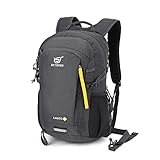
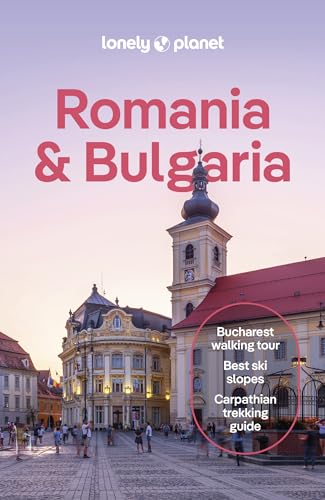
Bulgaria covers a lot of ground, from mountain trails to beach towns to city streets. Having the right gear makes a real difference, especially if you plan to move between regions.



Sofia: A Capital That Keeps Surprising You
Sofia is not a love-at-first-sight city. It takes a day or two to click. But once it does, you realize you are standing in one of the most layered capitals in Europe. Roman walls sit underneath Orthodox churches, which sit next to Soviet-era apartment blocks, which sit across the street from craft cocktail bars that would not be out of place in Berlin.
The Alexander Nevski Cathedral is the obvious starting point, and it earns its reputation. The interior is dark, gold, and heavy with incense. The crypt below it holds one of the best collections of Orthodox icons in the Balkans. From there, walk down Vitosha Boulevard for coffee, then lose an afternoon in the old Serdica ruins visible through glass panels right in the middle of the metro station.
Budget two to three days for Sofia. The city has enough restaurants, bars, and museums to fill a week, but the real magic is in the wandering.
Plovdiv: The Oldest Living City in Europe
Plovdiv has been continuously inhabited for roughly 8,000 years. Let that settle for a moment. People have been living here since before the pyramids, before Stonehenge, before almost everything. And it shows. The Old Town is a layer cake of Thracian walls, Roman theaters, Ottoman mosques, and Bulgarian Revival houses painted in blues and oranges.
The Roman amphitheater is still in use. You can catch concerts there in summer, sitting in the same stone seats that audiences used 2,000 years ago, with the city spread out below and the Rhodope Mountains on the horizon. Named European Capital of Culture in 2019, Plovdiv has only gotten better since.
Kapana, the creative quarter, is where to eat and drink. Small streets packed with restaurants, galleries, and bars that spill out onto the cobblestones on warm nights. Two days minimum here, three if you like to take your time.
Veliko Tarnovo: The Fortress on the Hill
If Bulgaria had a single postcard image, it would be Veliko Tarnovo. The town is built along a gorge carved by the Yantra River, with colorful houses stacked up the hillsides and the ruins of Tsarevets Fortress commanding the skyline. It was the capital of the Second Bulgarian Empire, and you can feel that weight of history as you walk the fortress walls.
Tsarevets itself is worth a full morning. The climb to the top gives you views over the entire valley, and on summer evenings they run a sound and light show against the fortress walls that is unexpectedly moving. The old craft street, Samovodska Charshia, is good for picking up handmade pottery and leather goods.
Veliko Tarnovo also makes a good base for day trips to nearby villages like Arbanasi, where the wooden churches hide interiors covered floor to ceiling in frescoes.
Rila Monastery: Bulgaria’s Spiritual Heart
Tucked into a forested valley in the Rila Mountains, about 120 km south of Sofia, Rila Monastery is the most important religious site in Bulgaria and a UNESCO World Heritage Site. Founded in the 10th century, the current buildings date mostly from the 1800s and are covered in some of the most vivid frescoes you will see anywhere in the Orthodox world.
The striped arches and the main church, covered in scenes of heaven and hell painted in intense blues, reds, and golds, are genuinely stop-you-in-your-tracks beautiful. You can visit as a day trip from Sofia or stay overnight in the monastery guesthouse for a quieter experience.
Need a reset after all that sightseeing? Bulgaria is a great place to slow down and recharge. Use the Self-Care & Wellness Planner to build rest days into your itinerary.
Varna: The Black Sea Capital
Varna is Bulgaria’s summer city. Stretched along the Black Sea coast with a long sandy beach, a sprawling seaside garden, and a nightlife scene that heats up considerably from June through September. But there is substance underneath the sun and sand.
The Archaeological Museum holds the oldest processed gold in the world, a collection of jewelry and ornaments dating back over 6,000 years found in the Varna Necropolis. The Roman Baths are the largest in the Balkans. And the Sea Garden, a huge coastal park with walking trails, cafes, and an open-air theater, is one of the most pleasant public spaces in all of Bulgaria.
Sozopol: The Black Sea Town That Time Forgot
If Varna is Bulgaria’s party coast, Sozopol is where you go to slow down. Founded by the Greeks in 610 BC, this little peninsula town has narrow cobblestone streets, wooden houses leaning over the water, and a fishing harbor that still looks like something from a century ago. Two sandy beaches sit on either side of the old town.
Sozopol hosts an arts festival every September that draws musicians and writers from across the region. Outside of peak summer it is blissfully quiet, and the safety of Bulgaria as a whole makes it easy to explore at your own pace.
Bansko: Mountains, Skiing, and Tavern Culture
Bansko sits at the foot of the Pirin Mountains and is best known as Bulgaria’s premier ski resort. But it is worth visiting outside of winter too. The old town center is full of stone houses and traditional mehanas (taverns) serving enormous portions of grilled meats, beans, and shopska salad for prices that will make your eyes water.
In summer, the Pirin National Park opens up for hiking, with trails running through old-growth forests to glacial lakes and mountain peaks. The gondola lift runs year-round and gives you access to high-altitude trails without the hard slog of getting up there on foot.
Melnik and Koprivshtitsa: Small Towns with Big Stories
Melnik holds the title of Bulgaria’s smallest town, with a permanent population of roughly 200. But it sits in a valley of otherworldly sandstone pyramids, produces some of the country’s best wine, and has more charm per square meter than most European capitals. The Kordopulov House, a wealthy merchant’s home from the 1700s, has a hidden wine cellar and painted ceilings worth the short walk up the hill.
Koprivshtitsa, a couple of hours north in the Sredna Gora mountains, is where the April Uprising of 1876 began. The town is preserved almost entirely in its Bulgarian Revival-era state, with colorful wooden houses, stone bridges, and a museum trail that walks you through the history. Both towns work well as day trips from Sofia.
Frequently Asked Questions About Visiting Bulgaria
How many days do you need in Bulgaria?
Ten to fourteen days gives you a solid overview covering Sofia, Plovdiv, Veliko Tarnovo, the coast, and a monastery or mountain stop. A week works if you pick three or four destinations and move quickly.
Is Bulgaria safe for tourists?
Yes. Bulgaria is one of the safest countries in Europe for travelers. Petty crime exists in tourist areas (as it does everywhere), but violent crime against visitors is extremely rare.
What is the best time to visit Bulgaria?
May through September for general sightseeing and coast. December through March for skiing in Bansko or Borovets. Spring and early autumn offer the best combination of good weather, fewer crowds, and lower prices.
How expensive is Bulgaria?
Bulgaria is one of the cheapest countries in the EU. Budget travelers can get by on 40-50 EUR per day. Mid-range travel with good hotels and restaurant meals runs about 70-100 EUR per day. That is roughly half of what you would spend in Western Europe.
Key Takeaways
- Sofia needs 2-3 days to reveal its layered Roman, Ottoman, and modern character
- Plovdiv is Europe’s oldest continuously inhabited city with a still-functioning Roman amphitheater
- Veliko Tarnovo’s Tsarevets Fortress is one of the most dramatic historic sites in the Balkans
- Rila Monastery is a must-see for its UNESCO-listed frescoes and mountain setting
- The Black Sea coast offers beach culture in Varna and old-world charm in Sozopol
- Budget 40-100 EUR per day depending on travel style, making Bulgaria one of Europe’s best-value destinations
Final Thoughts
Bulgaria is the kind of destination that makes you wonder why you did not come sooner. It has the history, the food, the mountains, the coast, and the prices. What it does not have is the crowds, at least not yet. Go now, while the rest of the world is still overlooking it.
If you are planning a broader trip through Europe, Bulgaria slots in perfectly between Romania to the north and Greece or Turkey to the south. It is the kind of country that turns a two-day stopover into a two-week stay.