Quick Answer: The best places to visit in Turkey in 2026 are Istanbul (Hagia Sophia, Blue Mosque, Topkapı, the Moda district), Cappadocia (fairy chimneys + hot-air balloon sunrise), Ephesus, Pamukkale travertines, Antalya, Fethiye/Ölüdeniz, Bodrum, and Mount Nemrut. Turkey hit 9.2 million arrivals in Q1 2026 alone. The UEFA Europa League Final lands in Istanbul on May 20, 2026. Most Western passport holders enter visa-free for 90 days.
Last updated: May 2026 · Q1 2026 9.2M visitors record; UEFA Europa League Final Istanbul May 20, 2026.
The first balloon basket I climbed into in Cappadocia was at 4:45 AM in late September, the desert air below freezing and a thermos of Turkish tea passing around twelve of us strangers in down jackets and wool hats. The pilot was a Turk in his late forties named Mehmet who had been flying balloons over Göreme for fifteen years, knew every limestone valley by its local name, and kept up a quiet running commentary in three languages during the climb. By 6:15 we were 800 meters up, the sun coming over the eastern ridge of the Erciyes volcano, 150 other balloons hanging at different altitudes around us in the cold pink light. I had taken many photographs by then, but the moment that stayed with me was when Mehmet cut the burner for thirty seconds and the silence over the valley was the loudest thing I had heard all year.
Turkey isn’t one country in 2026. It’s three. The Istanbul of skyline minarets and Galata Bridge fishermen and Moda district third-wave coffee shops. The Cappadocia of fairy chimneys, underground cities, and the balloon dawn that has somehow become the most-photographed sunrise on earth. The Aegean-and-Mediterranean coast of Ephesus ruins, Pamukkale travertines, and Fethiye-Ölüdeniz blue lagoons. The country hit 9.2 million arrivals in Q1 2026 alone, on pace for a record year. The UEFA Europa League Final lands in Istanbul on May 20, 2026, the third European football final the city has hosted in the last decade.
Six regions cover the trip: Istanbul itself, the Cappadocia interior, the Aegean coast (Ephesus, Pamukkale, Bodrum), the Mediterranean Riviera (Antalya, Fethiye, Ölüdeniz), the Eastern Anatolian story, and the lesser-known picks worth a detour.
Planning a Turkey trip across multiple regions?
The Ultimate Europe Trip Planner has Turkey 10-day and 14-day itineraries covering Istanbul + Cappadocia + Aegean coast, the Mediterranean Riviera loop, plus Cappadocia balloon-booking deadlines and the UEFA Final week logistics. $17 currently.
Turkey Travel Kit
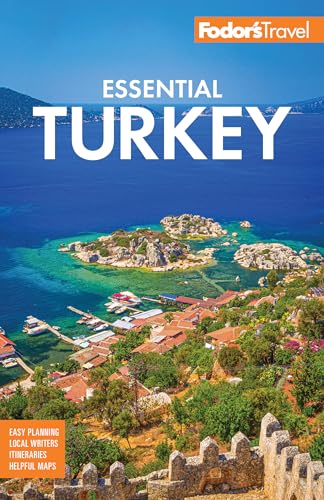
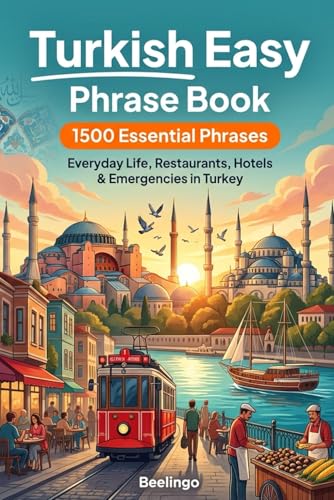
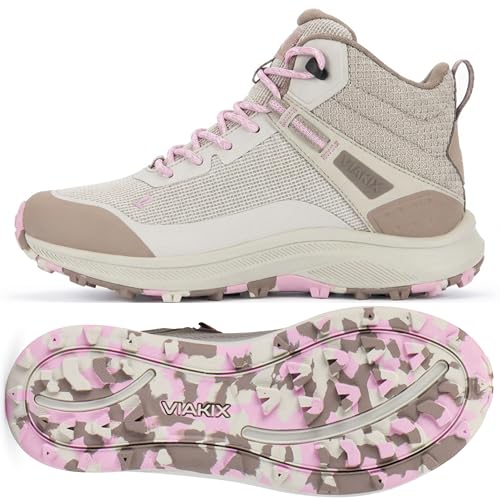
Turkey runs across mosque visits, archaeological sites, balloon-dawn cold, and Mediterranean swim days. Six items cover most trips. A solid Turkey guidebook with the regional drives mapped. Modest travel dress or trousers for mosque visits (knees and shoulders covered, headscarf for women). A Turkish phrasebook for menu-reading and bargaining at the Grand Bazaar. A lightweight scarf women travelers can use as a mosque headscarf. Comfortable hiking shoes for Cappadocia trail walking and Ephesus marble. A portable water bottle filter for the road days.




Recommended blogs to read:
- Most visited countries in Europe
- Places to visit in the Mediterranean
- UNESCO sites in Europe
- Europe in October
- 37 Europe travel tips
What Should You See in Istanbul (Europe-and-Asia Combined)?
Istanbul is the world’s only city straddling two continents. April 2026 alone drew 1.47 million international visitors. Five anchors define the headline trip, and one rising district defines what’s new.
1. Hagia Sophia
Built 537 AD as the Byzantine cathedral, converted to a mosque in 1453, museum from 1934 to 2020, mosque again since 2020. Entry TRY 850 (around €23) for the upper-gallery tourist tour, free for ground-floor prayer area. Visit outside the five daily prayer times (closed during) and avoid Friday midday. The mosaics on the upper gallery rival anything in Ravenna or Constantinople. Combine with the Blue Mosque opposite (free, also requires modest dress) and the Basilica Cistern around the corner (€20).
Read also: places to visit in the Mediterranean and most visited countries in Europe.
2. Topkapı Palace
The Ottoman sultans’ primary residence from 1465 to 1856. Entry TRY 1,500 (around €40), plus TRY 400 for the Harem (don’t skip, it’s the architectural highlight). The Imperial Treasury holds the 86-carat Spoonmaker’s Diamond and the Topkapı Dagger. The Fourth Courtyard overlooks the Bosphorus and the Golden Horn. Closed Tuesdays.
Read also: UNESCO sites in Europe and beautiful castles in Europe.
3. The Grand Bazaar and Spice Bazaar
The Grand Bazaar (Kapalı Çarşı): 4,000 shops across 61 covered streets, dating to 1461. The Spice Bazaar (Mısır Çarşısı) is smaller, food-focused, and runs along the Galata Bridge end of Eminönü. Bargaining is standard at both. Real prices on rugs and gold run 50-70% of the first-offer asking price. The covered passages of Eminönü (Tahtakale, Mahmutpaşa) around the bazaars are the locals’ shopping districts where prices are fixed and considerably cheaper.
Read also: culinary destinations in Europe and places to visit in southern Europe.
4. The Galata Tower and the Beyoğlu District
The 67m Genoese stone tower (1348) holds the city’s most-photographed panoramic terrace. Entry TRY 750 (€20). Climbed-and-photo crowd peaks 5-6 PM at sunset. The surrounding Beyoğlu district holds Istiklal Avenue (the 1.4km pedestrian shopping street with the iconic red tram), the 19th-century Çiçek Pasajı (Flower Passage), and the Pera Museum. The Karaköy fish-restaurant strip on the Golden Horn waterfront is the post-Galata dinner.
Read also: beautiful cities in Europe and places to visit in the Mediterranean.
5. The Moda District (Asian Side, 2026’s Most-Searched Istanbul Neighborhood)
The Kadıköy district’s Moda neighborhood on the Asian side of the Bosphorus has become Istanbul’s third-wave coffee and Michelin-mention street-food capital in 2026. Take the 20-minute ferry from Eminönü (TRY 18) and walk down Moda Caddesi. Coffee at Yer Café, balık ekmek (fish sandwich) at Kadıköy Pazarı, Çiya Sofrası (Anatolian regional food, the chef Musa Dağdeviren is the central figure of the Netflix Chef’s Table episode). The Moda seafront promenade gives the European-side skyline at sunset.
Read also: hidden gems in Europe and culinary destinations in Europe.
Why Is Cappadocia Worth Visiting in 2026?
Cappadocia’s fairy chimneys, underground cities, and rock-cut churches have been a UNESCO World Heritage site since 1985. The hot-air balloon sunrise is the most-photographed travel moment in Turkey. Four anchors define the trip.
6. The Hot-Air Balloon Sunrise
Roughly 150 balloons launch from Göreme, Uçhisar, and Çat valleys every clear morning at first light (April-October peak season; reduced flights November-March). One-hour standard flight €170-€220 per person; book through a registered operator like Royal Balloon, Voyager, or Butterfly. Cancellations happen 25-30% of mornings due to wind, so plan a 2-night minimum in Cappadocia to have a second-chance morning. Pickup is 4:30-5:00 AM; bring layers because pre-dawn temperatures drop below 5°C even in May.
Read also: unique places to visit in Europe and European destinations for nature lovers.
7. Göreme Open-Air Museum
The UNESCO-listed monastic settlement carved into the Göreme valley’s tufa rock, 11th-13th centuries. Entry TRY 700 (€19). The Dark Church (Karanlık Kilise) holds the best-preserved frescoes; €5 extra for the protective lighting. Plan 2-3 hours. The Tokalı Church across the road is free with the main ticket and equally stunning.
Read also: UNESCO sites in Europe and hidden gems in Europe.
8. The Underground Cities of Derinkuyu and Kaymaklı
Multi-level underground refuges carved into the volcanic rock, used by early Christian populations to hide from Roman, Byzantine, and later Arab raids. Derinkuyu reaches 85m deep and once housed 20,000 people with ventilation shafts, wineries, churches, and stables. Kaymaklı is smaller and easier to navigate (less claustrophobic). Entry €15 each. Allow 1-2 hours per city. Combine with the Ihlara Valley hike for a full Cappadocia day-trip away from Göreme.
Read also: unique places to visit in Europe and hidden gems in Europe.
9. Uçhisar and the Pigeon Valley
Uçhisar, the highest village in Cappadocia, with the Uçhisar Castle (a single enormous tufa-rock outcrop honeycombed with rooms) at the top. Free to climb to the base; €5 to enter the castle interior. The Pigeon Valley (Güvercinlik Vadisi) hike connects Uçhisar to Göreme in 90 minutes through pigeon-house-carved cliffs (locals raised pigeons for fertilizer for the valley vineyards). Sunset from the Uçhisar Castle ridge is the alternative to the busy Sunset Point in Göreme.
Read also: European destinations for nature lovers and hidden gems in Europe.
What Should You See on the Turkish Aegean Coast?
The Aegean coast holds Turkey’s greatest archaeological concentration plus the country’s most-celebrated beach towns. Four anchors define the run.
10. Ephesus
The best-preserved ancient Greek-Roman city in the eastern Mediterranean. Entry €25 standard plus €15 for the Terrace Houses (the mosaic-and-fresco-decorated villas, well worth the add-on). The Library of Celsus facade and the 25,000-seat Great Theatre are the iconic images. 2026 infrastructure upgrades include better accessibility on the marble streets and a new digital-immersion exhibit at the Selçuk museum. Fly into Izmir (1 hour), then 70 minutes by car to Selçuk village (the convenient overnight base).
Read also: UNESCO sites in Europe and places to visit in the Mediterranean.
11. Pamukkale and Hierapolis
The white travertine terraces formed by mineral hot springs over millennia, with the ancient Roman spa city of Hierapolis built on the top. UNESCO World Heritage. Entry €20 covers both sites. Walk barefoot up the travertines (shoes required to remove to protect the surface). Cleopatra’s Pool (€10 extra) lets you swim among submerged Roman columns. Best photographed at sunrise or sunset for the white-against-pink-sky effect. Three-hour bus from Antalya or Izmir.
Read also: unique places to visit in Europe and European destinations for nature lovers.
12. Bodrum
Turkey’s premier Aegean beach town and yacht harbor. The Bodrum Castle of the Knights of Saint John (built 1402, now the Museum of Underwater Archaeology) anchors the old town. The Mausoleum at Halicarnassus (one of the Seven Wonders of the Ancient World) was here, though only the foundations and a few column drums remain. The Bodrum Peninsula coastline (Gümüşlük, Yalıkavak, Türkbükü) is where the yacht set spends August. The Blue Cruise (gulet sailing) from Bodrum to Fethiye over 4-7 days is the iconic Turkish coastal trip.
Read also: best beach cities in Europe and beautiful islands in Europe.
13. Çeşme and Alaçatı
The Çeşme peninsula 80km west of Izmir. Alaçatı village is the windsurfing capital of the eastern Mediterranean, with cobblestone streets of restored Aegean stone houses and the highest concentration of design hotels per capita in Turkey. Çeşme town has the Genoese castle and the Sunday flea market. Ilıca Beach is the long sandy bay nearby. Direct flights from Istanbul to Izmir 60 minutes, then 75 minutes by car.
Read also: best beaches in Europe and hidden gems in Europe.
Which Mediterranean Riviera Spots Should You Visit?
The Turkish Riviera runs from Antalya east to Alanya and west to Fethiye-Ölüdeniz. Three anchors define the run for travelers who want beach, history, and Lycian coast geology in one trip.
14. Antalya and the Old Town (Kaleiçi)
Turkey’s largest Mediterranean city. The Kaleiçi (Old Town) is the Ottoman-era walled quarter with the harbor below and Hadrian’s Gate at the inland entrance. Konyaaltı Beach and Lara Beach run the city coast either side. The Antalya Museum holds one of Turkey’s finest archaeological collections, including the Sarcophagus of Hercules and the Hadrian statues from Perge. The Düden Falls inside the city (the upper falls 11km north, the lower falls right at the coast where the river drops into the Mediterranean) are the easy half-day excursions.
Read also: best beach destinations in Europe and summer in Europe.
15. Fethiye and Ölüdeniz Blue Lagoon
The Ölüdeniz Blue Lagoon (Belcekız Bay) is the iconic Turkish-postcard beach: a sheltered turquoise bay framed by pine-covered mountains, with the Babadağ peak rising directly behind for paragliding launches. Tandem paraglider flights €130-€180 per person, landing on the beach. Fethiye town is the working harbor base. The Saklıkent Gorge (Hidden City Gorge) 50km southeast is the half-day day-trip with the gorge wade and tea-house lunch.
Read also: best beaches in Europe and unique places to visit in Europe.
16. Kaş and the Lycian Coast Ruins
Kaş is the quieter, design-driven Lycian Coast village 200km east of Fethiye. The Lycian Way 540km hiking trail runs through the region from Fethiye to Antalya. The Antiphellos Theater overlooks the bay; the Lycian rock-cut tombs are scattered across the surrounding cliffs. Kaş is also the diving capital of Turkey for clear-water Mediterranean diving. Day-trip to Kekova for the underwater Roman ruins visible through glass-bottom boats.
Read also: hidden gems in Europe and European destinations for nature lovers.
17. Patara Beach
An 18km golden-sand beach on the Lycian coast between Kaş and Fethiye, designated a sea-turtle nesting reserve (no beach umbrellas or sun-loungers in the southern half). The ancient Lycian city of Patara is at the inland end (free entry); Patara was the birthplace of St. Nicholas (Santa Claus) and the seat of the Lycian League’s parliament. Visit early or late to avoid the midday heat that hits 38°C in summer.
Read also: best beaches in Europe and UNESCO sites in Europe.
What’s Worth Seeing in Eastern Anatolia?
The eastern half of Turkey gets a fraction of the western tourist traffic and rewards travelers with stamina for the longer drives. Three sites anchor the trip.
18. Mount Nemrut
The 2,134m summit east of Adıyaman, topped with 8m-tall stone statues of Greek, Persian, and Armenian gods built by King Antiochus I of Commagene around 62 BC. UNESCO World Heritage. The summit visit happens at sunrise or sunset (the statues align with the rising or setting sun). Entry €10, plus a guided tour (€40-€60) from Kahta village at the base. The closest airport is Adıyaman (1 hour) or Şanlıurfa (2 hours).
Read also: UNESCO sites in Europe and unique places to visit in Europe.
19. Lake Van
Turkey’s largest lake, set in eastern Anatolia at 1,640m altitude. The Akdamar Island church (10th-century Armenian Holy Cross Cathedral with the exterior carved relief panels) is the headline visit; reach by 20-minute boat from Akdamar pier. Van Castle on the western shore overlooks the lake and the ancient Urartian rock-cut tombs. Lake Van’s blue color comes from its high alkalinity (the world’s largest soda lake).
Read also: hidden gems in Europe and less-visited destinations in Europe.
20. Mardin
The honey-stone Old Town overlooking the Mesopotamian plain in southeastern Turkey. The Deyrulzafaran Monastery (Saffron Monastery) 5km east is the ancient Syriac Orthodox seat. The Mardin bazaar runs on copper-smithing, silver filigree, and almond-orchard production. The Old Town’s stone houses cascade down the hillside in a way that looks Italian-or-Andalusian until you spot the minarets. Reach via Mardin Airport (1 hour from Istanbul by direct flight).
Read also: fairytale towns in Europe and hidden gems in Europe.
Which Lesser-Known Turkish Destinations Are Worth a Detour?
Two more sites worth adding to a Turkey trip, particularly for second-visit travelers.
21. Safranbolu (UNESCO Ottoman Town)
UNESCO-listed since 1994. The best-preserved Ottoman town in Turkey, with the 17th-18th century konak (mansion) houses arranged on a hillside above a small stream. Safranbolu is the Turkish saffron-producing capital (the name); the saffron market runs through October-November. 3-hour drive from Ankara. Stay overnight in a restored Ottoman mansion guesthouse (€40-€80/night) for the full effect.
Read also: UNESCO sites in Europe and fairytale towns in Europe.
22. Göbekli Tepe (The World’s Oldest Temple)
UNESCO-inscribed 2018. The 12,000-year-old megalithic temple complex outside Şanlıurfa, predating Stonehenge by 6,000 years and the pyramids by 7,000. The site rewrote archaeology’s understanding of when religious-monumental architecture began. Entry €15. The covered visitor walkways now let you walk right up to the T-shaped megaliths. Combine with the Şanlıurfa Mosaic Museum (the Roman mosaic collection from the surrounding Edessa) and the Şanlıurfa Archaeological Museum for the full prehistoric Anatolian story.
Read also: UNESCO sites in Europe and unique places to visit in Europe.
Stacking Istanbul + Cappadocia + the coast in two weeks?
The Ultimate Europe Trip Planner has Turkey 10-day and 14-day templates with Istanbul + Cappadocia + Aegean coast loops, Mediterranean Riviera routes, and the Cappadocia balloon-booking weather-window math. $17 currently.
Places to Visit in Turkey FAQ
What is the most beautiful place in Turkey?
Cappadocia at sunrise (especially the balloon view) is the most-photographed Turkish landscape and tops most rankings. Pamukkale’s white travertines, the Ölüdeniz Blue Lagoon, Mount Nemrut summit at sunrise, and Mardin’s honey-stone old town are the four close-runner pieces. For city beauty: Istanbul’s Bosphorus from the Galata Tower at sunset, then the Hagia Sophia interior.
Is Turkey safe for tourists in 2026?
Yes for the tourist-route Western Turkey (Istanbul, Cappadocia, Aegean and Mediterranean coasts). The 9.2 million Q1 2026 visitor count confirms the safe-travel reality. The southeast border with Syria has US State Department travel advisories; the standard tourist circuit does not approach that zone. Petty crime in Istanbul tourist districts (Sultanahmet, Taksim) requires standard travel awareness.
How many days do you need in Turkey?
Minimum 7 days for Istanbul + Cappadocia. 10 days adds the Aegean coast (Ephesus, Pamukkale, Bodrum). 14 days adds the Mediterranean Riviera (Antalya, Fethiye, Ölüdeniz) or the Eastern Anatolia anchor sites (Mount Nemrut, Mardin, Göbekli Tepe). Most travelers underbook Turkey because they don’t appreciate how spread out the headline sites are.
Is Cappadocia worth visiting in 2026?
Yes, with planning. The hot-air balloon sunrise is one of the most-photographed travel moments anywhere on earth and the rock-cut churches plus underground cities give the region historical depth beyond the balloon Instagram. Book the balloon flight with a registered operator 2+ weeks ahead in peak season, plan 2 nights minimum to allow for one weather-cancellation backup morning, and stay in Göreme or Uçhisar for the cave-hotel experience.
Do you need a visa for Turkey in 2026?
Most EU and UK passport holders enter visa-free for 90 days within any 180-day period. US, Canadian, and Australian passport holders need an e-Visa (apply online at evisa.gov.tr, $50 fee for US citizens). The visa is processed in roughly 60 seconds and arrives by email. Turkey is not in Schengen and does not use the ETIAS system. Bring a passport with at least 6 months’ validity beyond your planned departure date.
When is the best month to visit Turkey?
April-May and September-October are the all-around best months. Pleasant temperatures (18-25°C), reduced crowds, ruins comfortable in daylight, sea swimmable in May and September on the south and west coasts. June-August get oppressively hot (35-40°C+ in interior and southeast). November-March are quieter and cheaper; Cappadocia particularly photogenic with snow on the fairy chimneys but balloon-flight cancellations are common.
Key Takeaways
- Turkey hit 9.2M arrivals in Q1 2026 alone; on pace for a record 68B+ tourism revenue year.
- UEFA Europa League Final in Istanbul, May 20, 2026.
- Istanbul Moda district (Asian side) is 2026’s most-searched neighborhood: third-wave coffee + Michelin street food.
- Cappadocia balloon sunrise is the most-photographed travel moment in Turkey; plan 2 nights minimum.
- Aegean coast: Ephesus + Pamukkale + Bodrum + Çeşme/Alaçatı.
- Mediterranean Riviera: Antalya + Fethiye/Ölüdeniz + Kaş + Patara.
- Eastern Anatolia: Mount Nemrut, Lake Van, Mardin, Göbekli Tepe (world’s oldest temple, 12,000 years).
- Most EU/UK travelers enter visa-free 90 days; US needs e-Visa $50 (60-second online).
Final Thoughts on Places to Visit in Turkey
Turkey is the European country (or the Europe-adjacent country, depending on how you draw the lines) that delivers the broadest variety per trip. Istanbul’s two-continent skyline, Cappadocia’s lunar geology, the Aegean coast’s Greek-Roman ruin density, the Mediterranean Riviera’s beach-and-paragliding combination, and the Eastern Anatolian Mount Nemrut sunrise. The 2026 visitor surge (9.2M in Q1 alone) and the UEFA Europa Final week in May make the country particularly active this year.
For 2026, the right approach is to pick two regions per trip rather than four. Istanbul plus Cappadocia in 7 days. Istanbul plus the Aegean coast in 10 days. Cappadocia plus the Eastern Anatolian Mount Nemrut sunrise in a second trip. Save the southern coast for a beach week of its own. Turkey rewards travelers who slow down enough to actually drink the tea at the small stands along the road.