Quick Answer: Modern Mediterranean home decor keeps the region’s warmth, arches, and natural materials but strips out the heavy, themed elements, so the result reads fresh rather than like a recreation. The 18 ideas below cover it room by room, plus the modern-not-themey rule that keeps the look current.
The fear with Mediterranean decor is that it tips into theme. Heavy carved furniture, faux-grape-vine accents, ochre sponge-painted walls, the version that reads less like a home and more like a chain restaurant trying to evoke Tuscany. That worry stops a lot of people from trying the look at all, which is a shame, because the actual problem is easy to avoid.
Modern Mediterranean is the answer: the warmth, the arches, the natural materials, the sun-washed palette, but edited down and lightened up so it reads as a fresh, current home rather than a costume. The 18 ideas below walk through it room by room, living room to outdoor space, with cross-cutting principles woven in. The section at the end is the modern-not-themey rule itself, the single test that keeps the whole look on the right side of the line.
Want the Mediterranean warmth without the theme-restaurant version of it?
The Aesthetic Apartment Makeover Guide walks you through styling a whole home room by room, so a modern Mediterranean look lands fresh and current instead of heavy and themed.
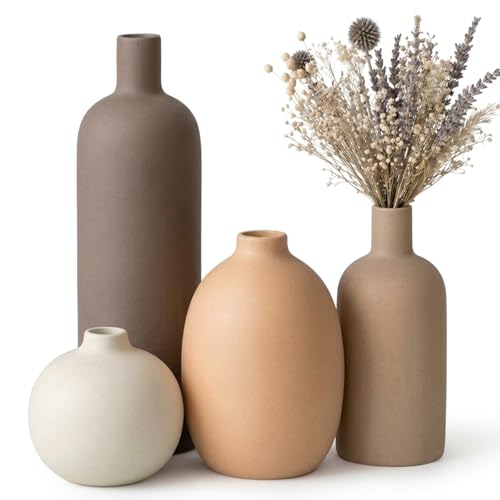
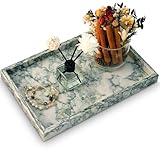
Recommended Modern Mediterranean Decor
Six pieces that bring warm neutrals, arches, and natural materials into a fresh, modern home.




Recommended blogs to read:
- a coastal home
- a coastal living room
- the french country aesthetic
- a calm, natural home
- a coastal bedroom
What Makes a Home Modern Mediterranean
Modern Mediterranean keeps the essentials of the region’s style and edits out the rest. The essentials are a warm neutral base, arches and soft curves, natural materials, handcrafted objects, plaster texture, restrained color, and an indoor-outdoor flow. Those are the load-bearing parts of the look, and they all stay.
What gets edited out is the heaviness: the dark, ornately carved furniture, the cluttered surfaces, the over-saturated sponge-painted color, the literal grape-and-olive theme decor. The modern version is lighter in scale, calmer in color, and more spare. Match the palette to the look with our guide to the modern Mediterranean palette, which covers the warm bases and restrained accents that suit it.
One rule before the list: keep what is structural, lighten what is decorative. The arches, the materials, the warm palette, those stay at full strength. The furniture scale, the amount of stuff, the intensity of the color, those all get dialed back. That single edit is the whole difference between modern Mediterranean and theme Mediterranean.
18 Modern Mediterranean Decor Ideas
These move room by room, with cross-cutting principles folded in. The section after the list covers the modern-not-themey rule.
1. A Living Room Built on a Warm Neutral Base


The modern Mediterranean living room starts with a warm neutral envelope, plaster or lime-wash walls in warm white, cream, or sand, rather than saturated color. The warmth lives in the base itself, so the room glows without needing bold paint. Furniture stays lighter in scale than traditional Mediterranean: a slipcovered linen sofa, one or two rattan or rush chairs, a simple wood coffee table. The color comes in small, deliberate doses, a terracotta cushion, an olive throw, a stack of glazed ceramics, against that calm base. The result reads warm and current, with the region’s feeling intact but none of the heavy, themed weight.
2. Arches and Soft Curves Throughout
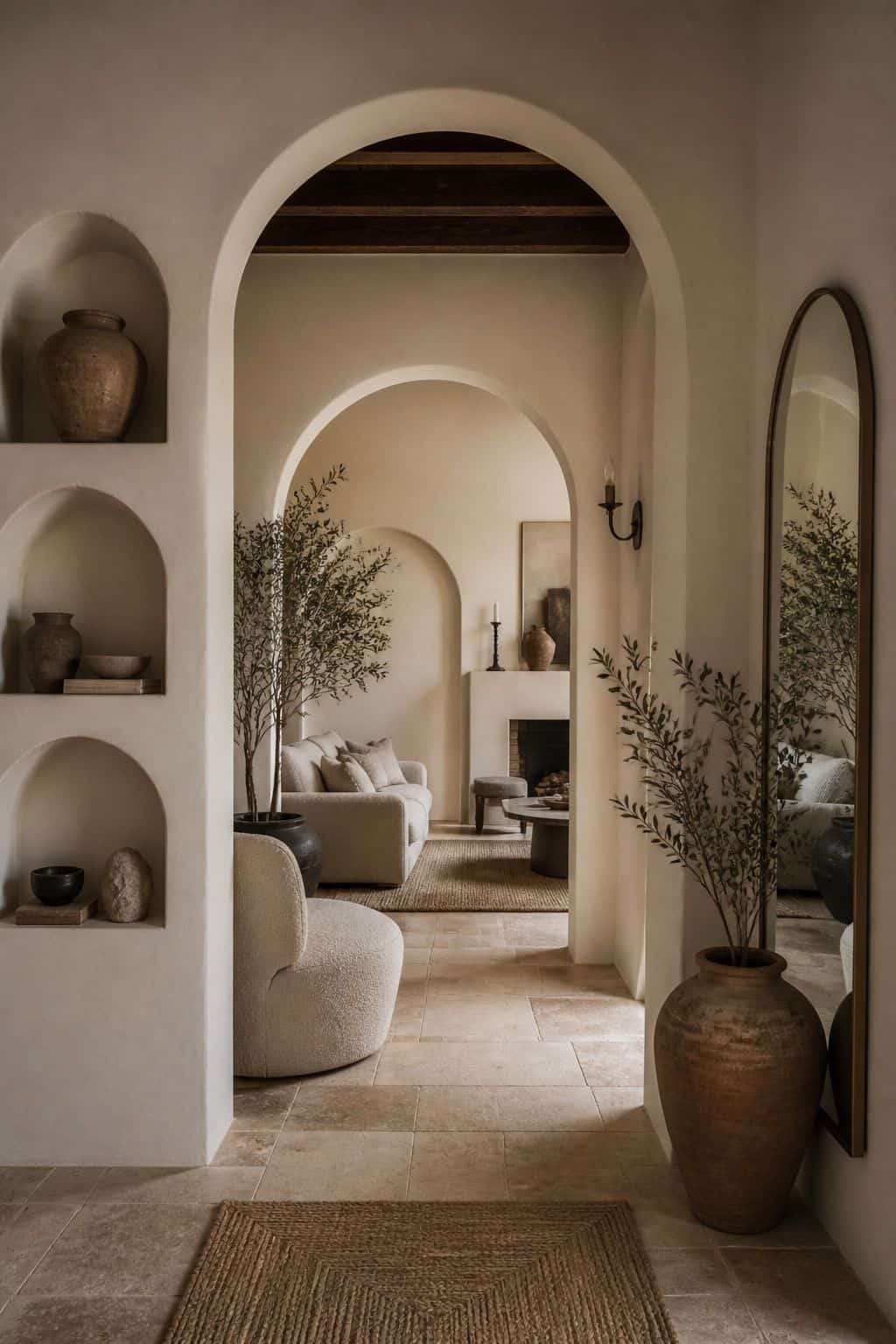


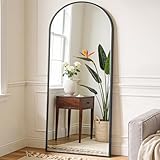
The arch is the single most Mediterranean architectural shape, and the modern version uses it freely but cleanly. Real arched doorways and niches are ideal, but you can bring the curve in through arched mirrors, arched-back furniture, curved sofas, rounded coffee tables, and arched shelf cutouts. The key is that modern arches are simple and unornamented, a clean curve rather than a heavily molded one. Soft curves throughout a home, repeated quietly across rooms, give it the Mediterranean flow without a single piece of themed decor. This is a structural element, so it stays at full strength in the modern version.
3. A Bedroom That Stays Spare
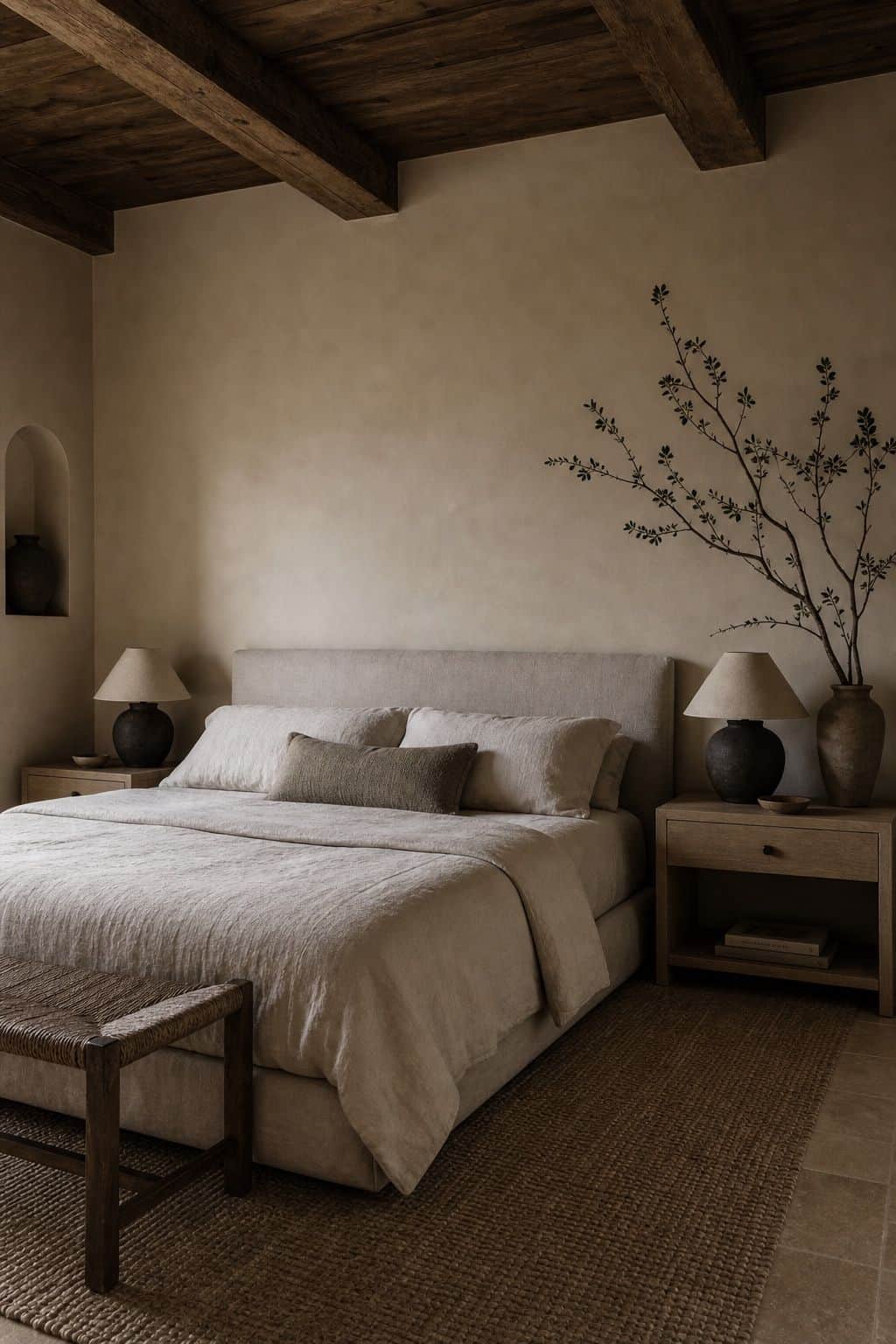


The modern Mediterranean bedroom is the most pared-back room in the home. A low or simple wood bed, ideally with a gently carved or arched headboard, sits against a warm plaster wall. Linen bedding in warm neutrals does most of the work, layered for texture rather than color. One piece of art, a handmade ceramic on the nightstand, a natural-fiber rug underfoot, and that is close to the whole room. The restraint is the modern part: traditional Mediterranean bedrooms could be heavy and ornate, while the modern version trusts the warm base, the natural materials, and the negative space to carry it.
4. A Kitchen With Warm Wood and Tile
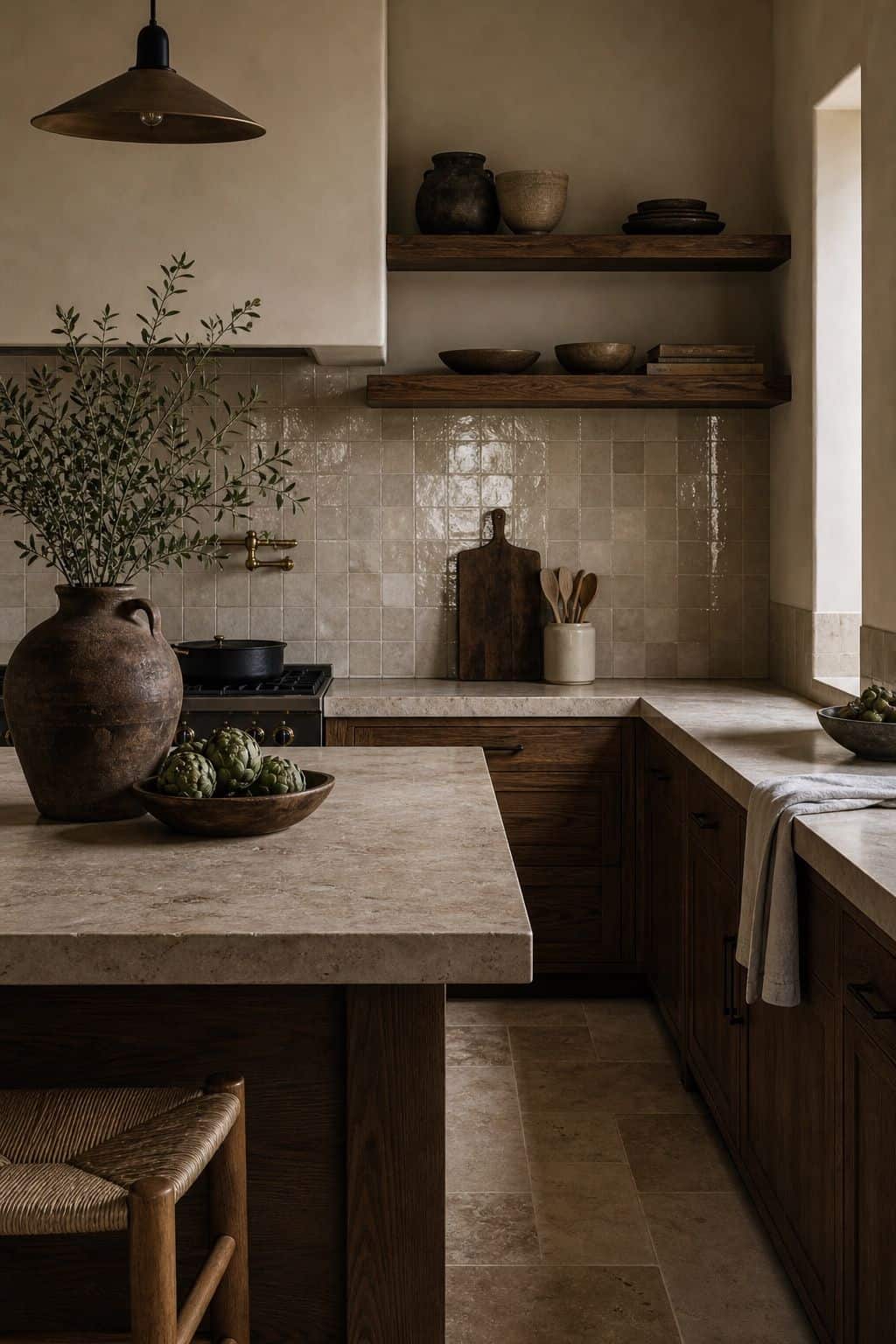


The modern Mediterranean kitchen pairs warm wood cabinetry, or warm-painted cabinets, with a single hit of hand-painted or zellige-style tile, usually on the backsplash. Open shelving holds glazed ceramics and everyday pottery, so the dishware doubles as decor. Aged brass hardware and a woven pendant or two complete it. The modern edit keeps the tile contained to one surface rather than covering the whole kitchen, and keeps the wood tones warm but not heavy. The result is a working kitchen with real Mediterranean character that still reads fresh, not like a themed trattoria set. Skip the overhead fluorescent strip most kitchens default to, and the warm wood and tile immediately read more Mediterranean and less builder-grade.
5. Natural Materials in Every Room
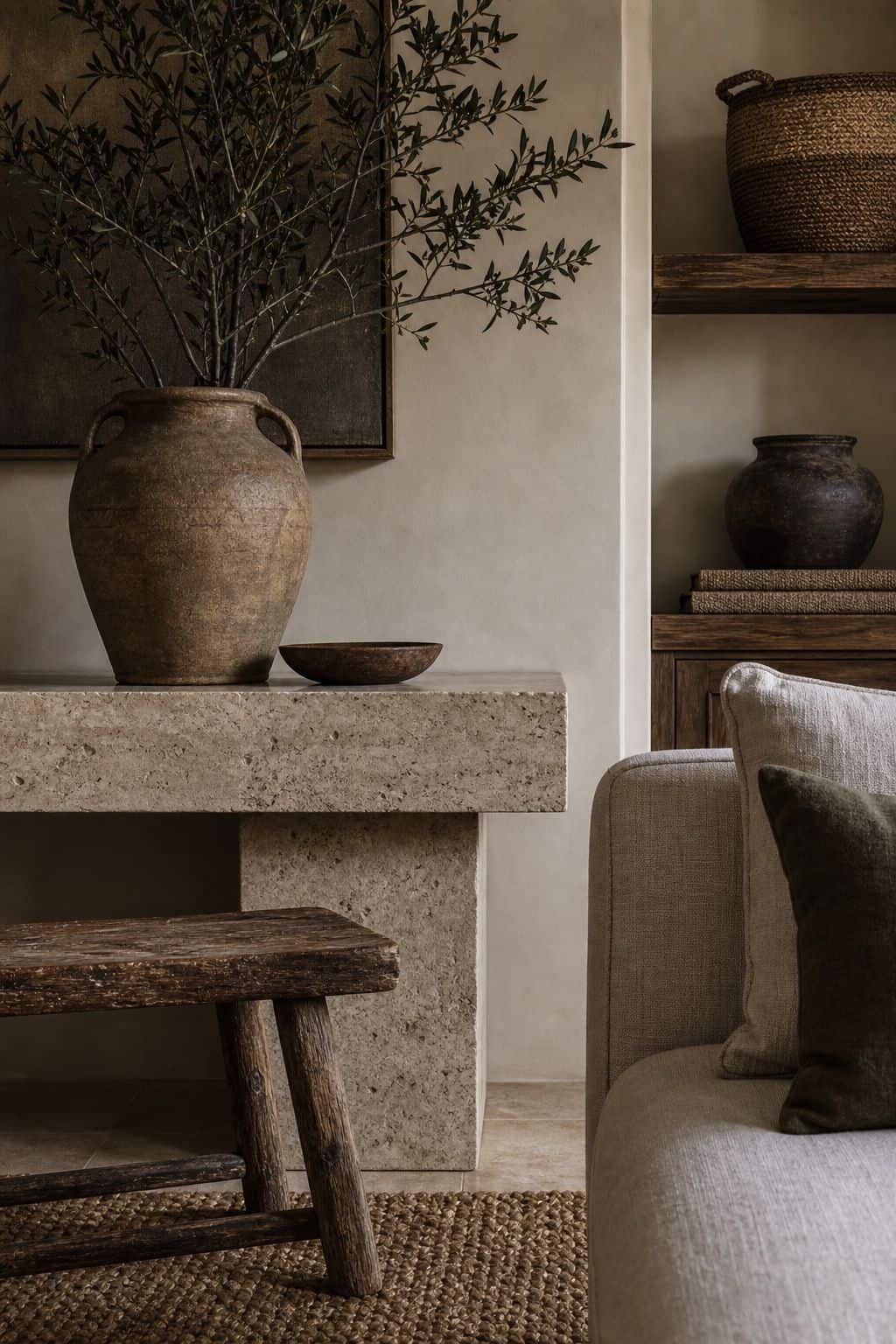


The thread that ties a modern Mediterranean home together is natural material, used consistently from room to room. Honest wood, wrought iron, rush and rattan, linen and cotton, ceramic and terracotta, stone and tile, jute and seagrass. Every room should draw from this same material family, which is what makes the home feel cohesive even as the rooms differ. The modern version simply uses these materials in lighter, cleaner forms. When you are choosing anything for any room, defaulting to the natural-material version keeps the whole home in the Mediterranean family without conscious effort. The consistency is what reads as intentional design rather than a collection of unrelated rooms that happen to share a house.
6. A Bathroom With Plaster and Stone
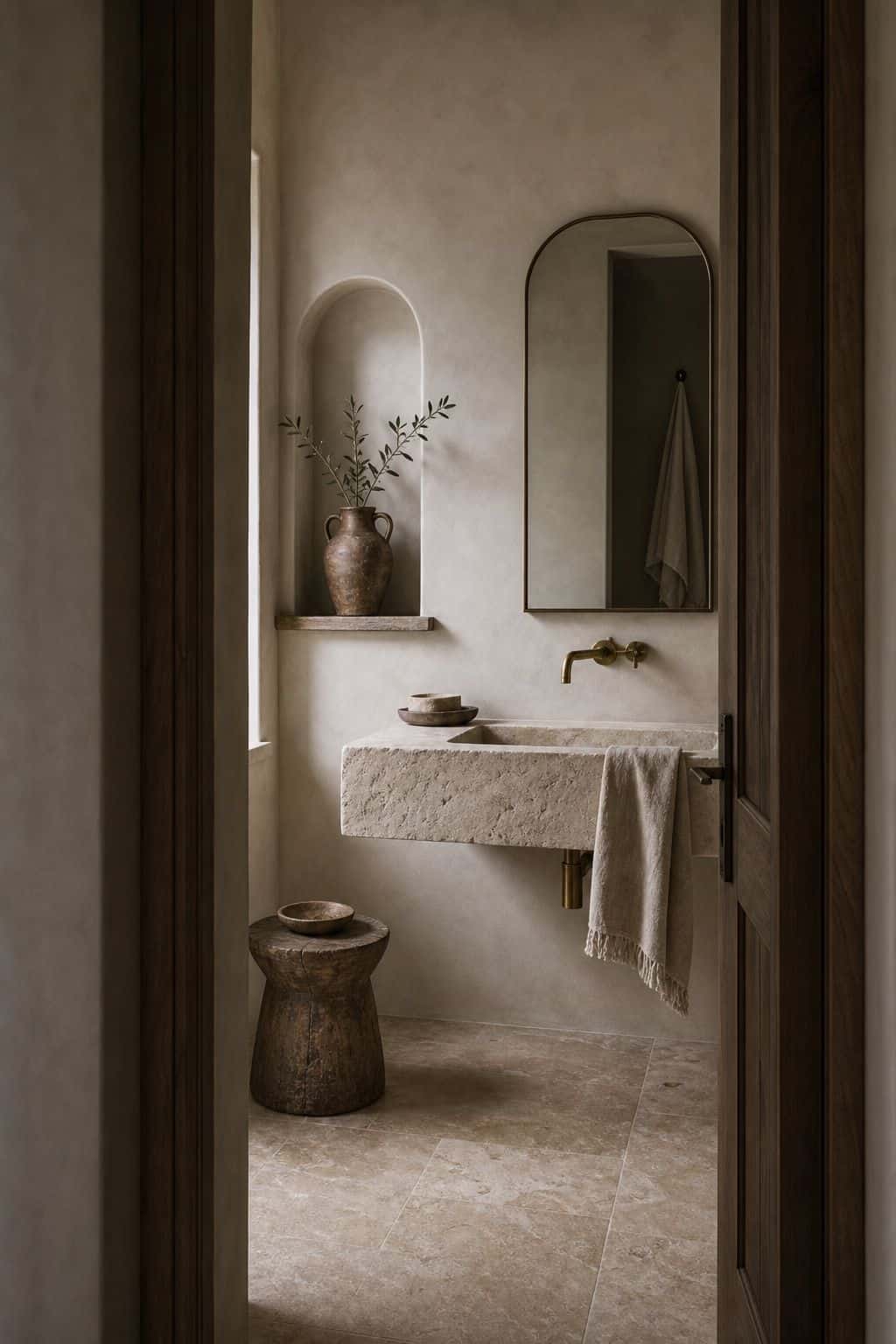


The modern Mediterranean bathroom leans on plaster walls, stone or terrazzo surfaces, and a single run of tile, often in a niche or around the vanity. An arched mirror is almost obligatory, and aged brass fixtures warm the room. The palette stays in warm neutrals with maybe one earthy accent. The modern edit keeps the surfaces calm and the tile restrained, rather than the busy, fully tiled traditional version. A modern Mediterranean bathroom feels like a small, warm, sun-washed room rather than a themed one, and plaster plus stone does most of that work on its own. Keep the grout warm-toned rather than stark white, since even the small choices add up to the sun-washed feeling the room is after.
7. An Entry That Sets the Tone
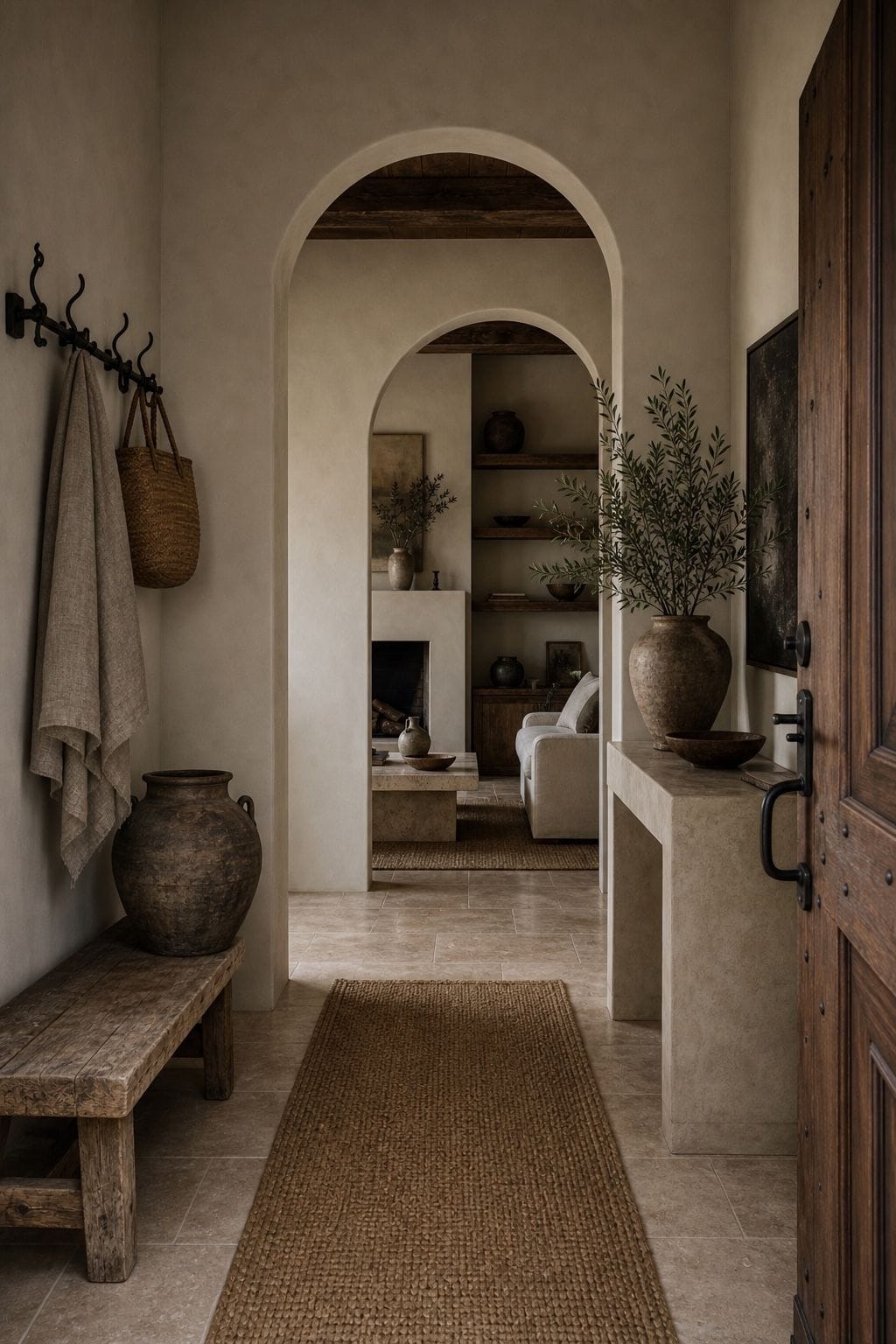


The entry is where a modern Mediterranean home introduces itself, so it carries a concentrated dose of the look. A plaster wall, an arched mirror, a wrought-iron console or a simple wood bench, a terracotta pot with an olive tree or branches, and a woven basket or two. It is a small space, so a few strong, material-rich pieces do the job. The modern edit keeps it uncluttered, the entry should feel welcoming and warm, not crowded. Done right, the entry tells anyone walking in exactly what the rest of the home will feel like. Resist the urge to add a second console or a third basket, the entry’s job is a clear first impression, not a full styling exercise.
8. Handcrafted Objects Over Mass-Produced
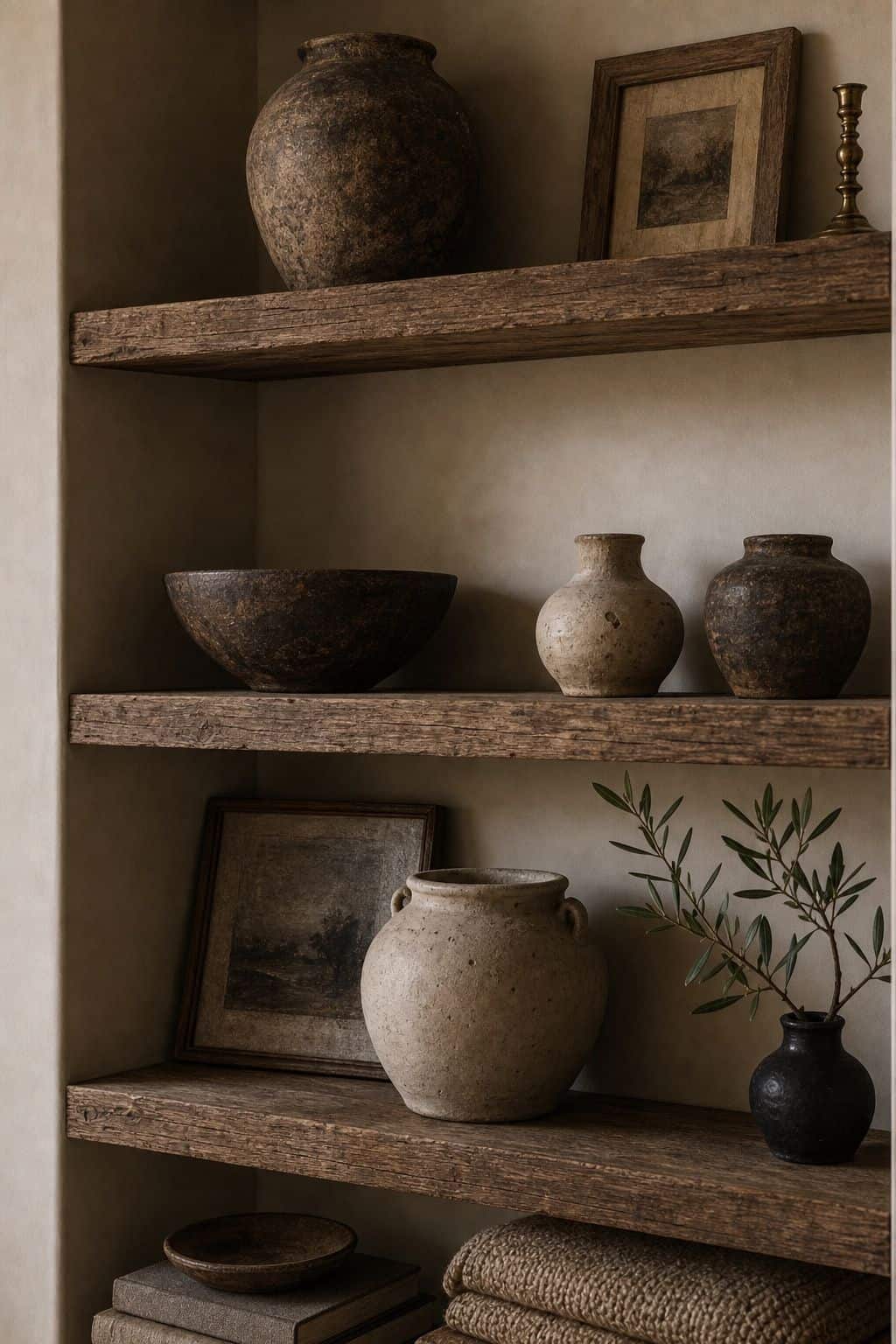


A modern Mediterranean home is furnished and styled with objects that look made by hand. Hand-thrown ceramics, handwoven baskets and rugs, hand-painted tile, forged iron, carved wood. The handmade quality is what gives the home its soul and its warmth, and it is also what separates it from a mass-produced theme version, where everything is uniform and machine-perfect. You do not need everything to be artisan-made, but the key objects, the vases, the rugs, the lighting, should carry genuine handwork. One real handmade piece per room anchors the space and lifts the simpler pieces around it. A piece with honest, visible handwork also tends to age well, gaining character over years rather than looking tired the way mass-produced decor does.
9. Plaster Texture as a Through-Line
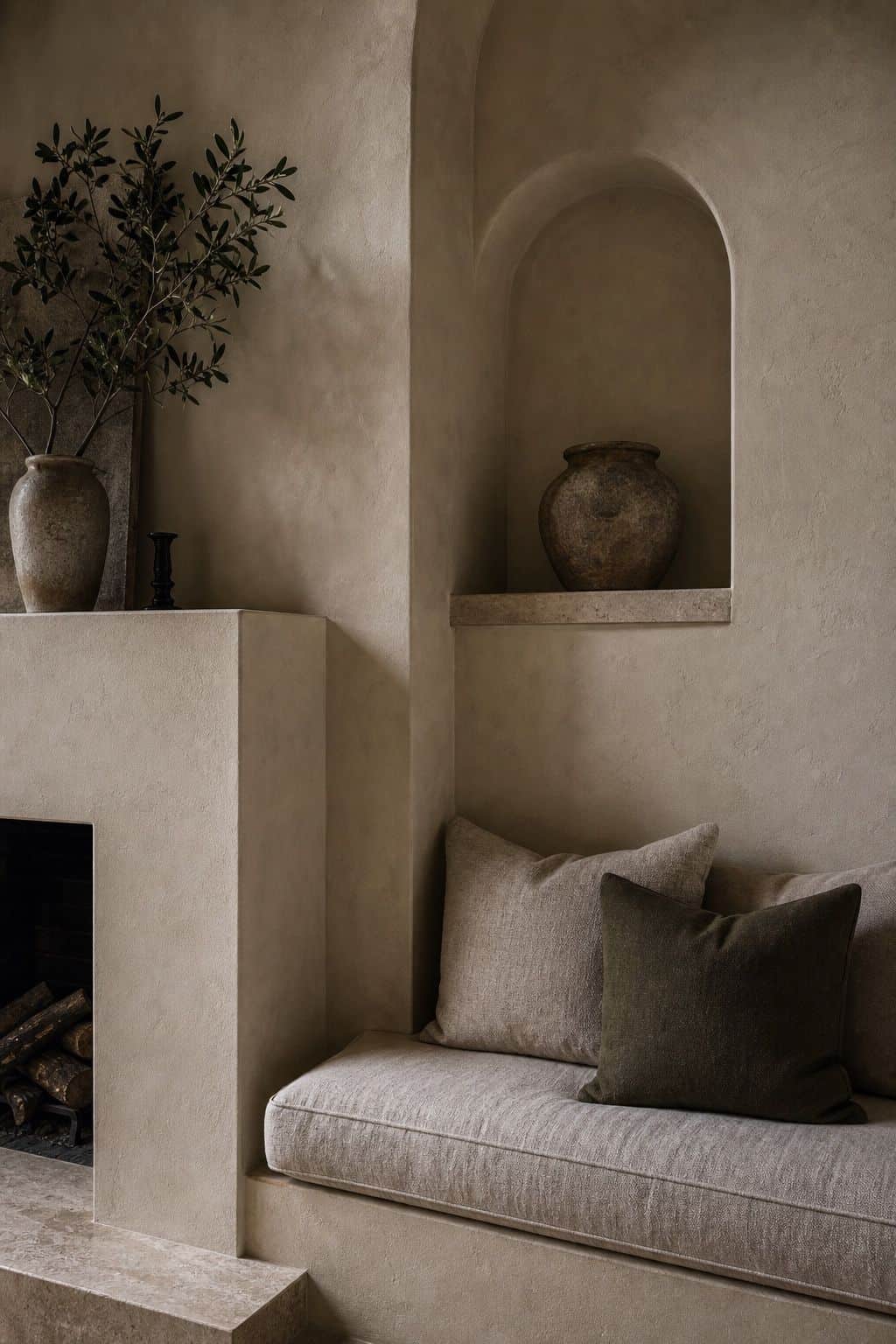


Plaster or lime-wash texture on the walls is one of the strongest unifying elements of a modern Mediterranean home, and it carries from room to room. The soft, cloudy, hand-troweled surface catches light and gives every wall depth that flat paint cannot. You do not have to plaster every wall, but using the finish consistently, even on just one accent wall per room, threads the look through the whole home. The modern version keeps the plaster in warm neutrals rather than saturated color. It is a structural-feeling element, so it stays at full strength, doing quiet, continuous work across the house.
10. A Dining Space Built Around a Wood Table
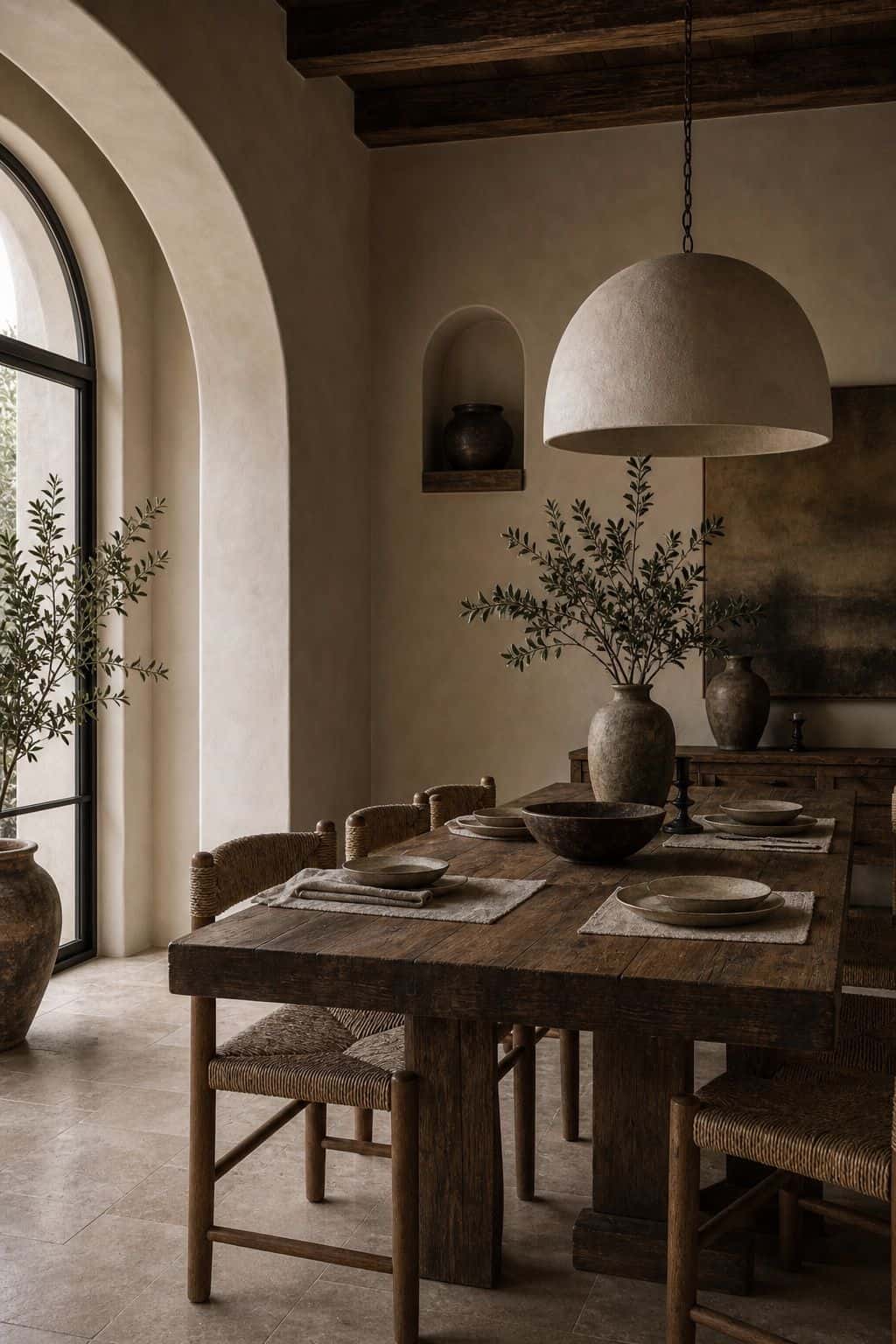


The modern Mediterranean dining space centers on a solid wood table, simple and a little rustic, surrounded by deliberately mismatched seating, rush chairs on one side, a bench on the other. A woven or iron pendant drops low over the table. The styling is restrained: a linen runner, a few ceramic pieces, a vase of branches. The modern edit keeps the table lighter and the room less formal than traditional Mediterranean dining rooms, which could be dark and heavy. It is a space built for long, easy meals, and the warmth comes from the materials and the gathered, unmatched furniture rather than from ornate decor.
11. Restrained, Deliberate Color
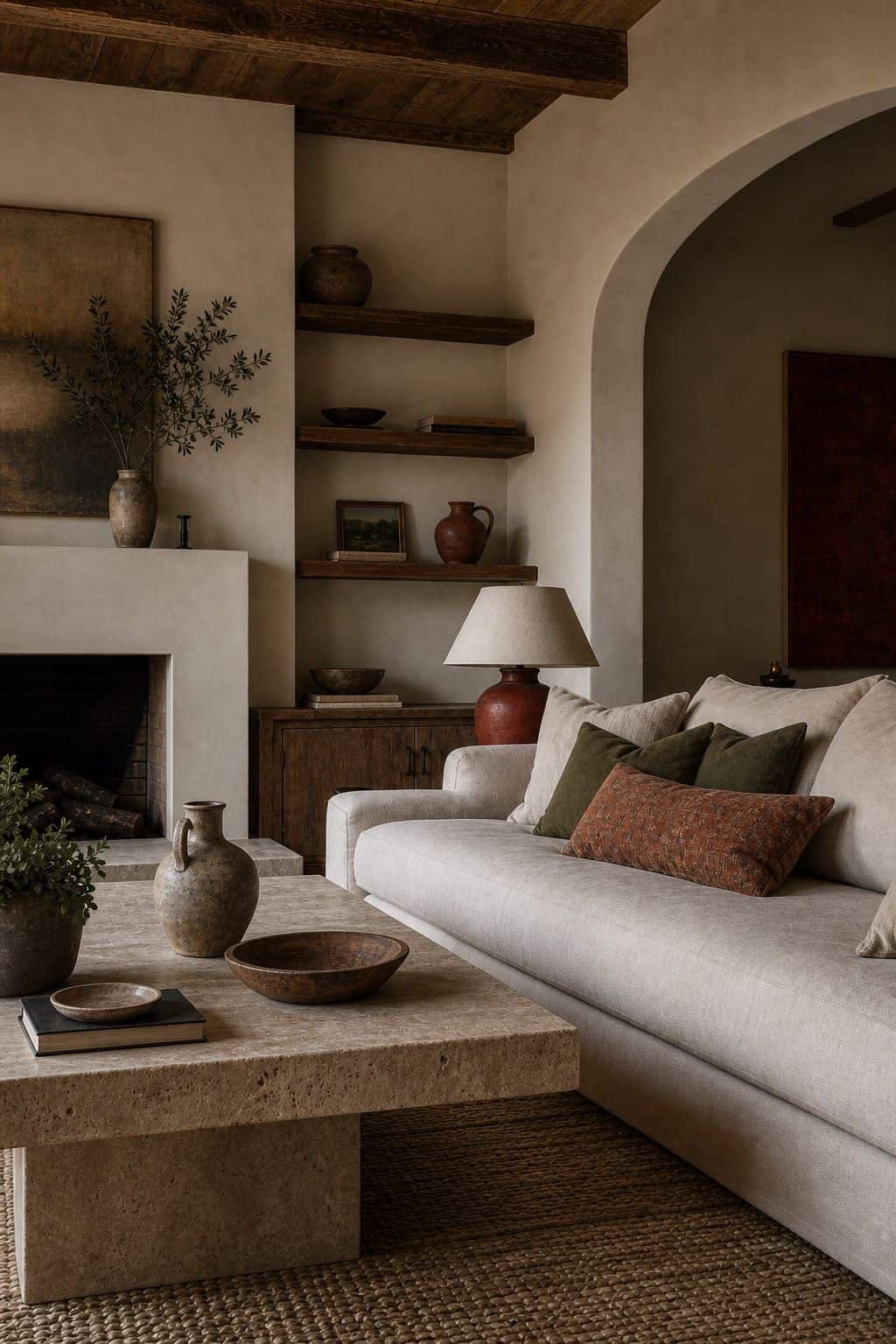

Modern Mediterranean uses the region’s color, terracotta, olive, ochre, Greek blue, but in small, deliberate doses against a warm neutral base, never as the dominant note. A single terracotta cushion, an olive throw, a stack of blue-and-white ceramics, one ochre painted piece. The restraint is the modern part: the theme version saturates whole rooms in earth tone, while the modern version treats color as a careful accent. This is a cross-cutting principle that applies in every room. Done this way, the color reads as a considered choice rather than an all-over wash, and the home stays light and current. When in doubt, use less color than feels right, the room can always take one more accent later, but pulling saturated color back is much harder.
12. An Indoor-Outdoor Flow
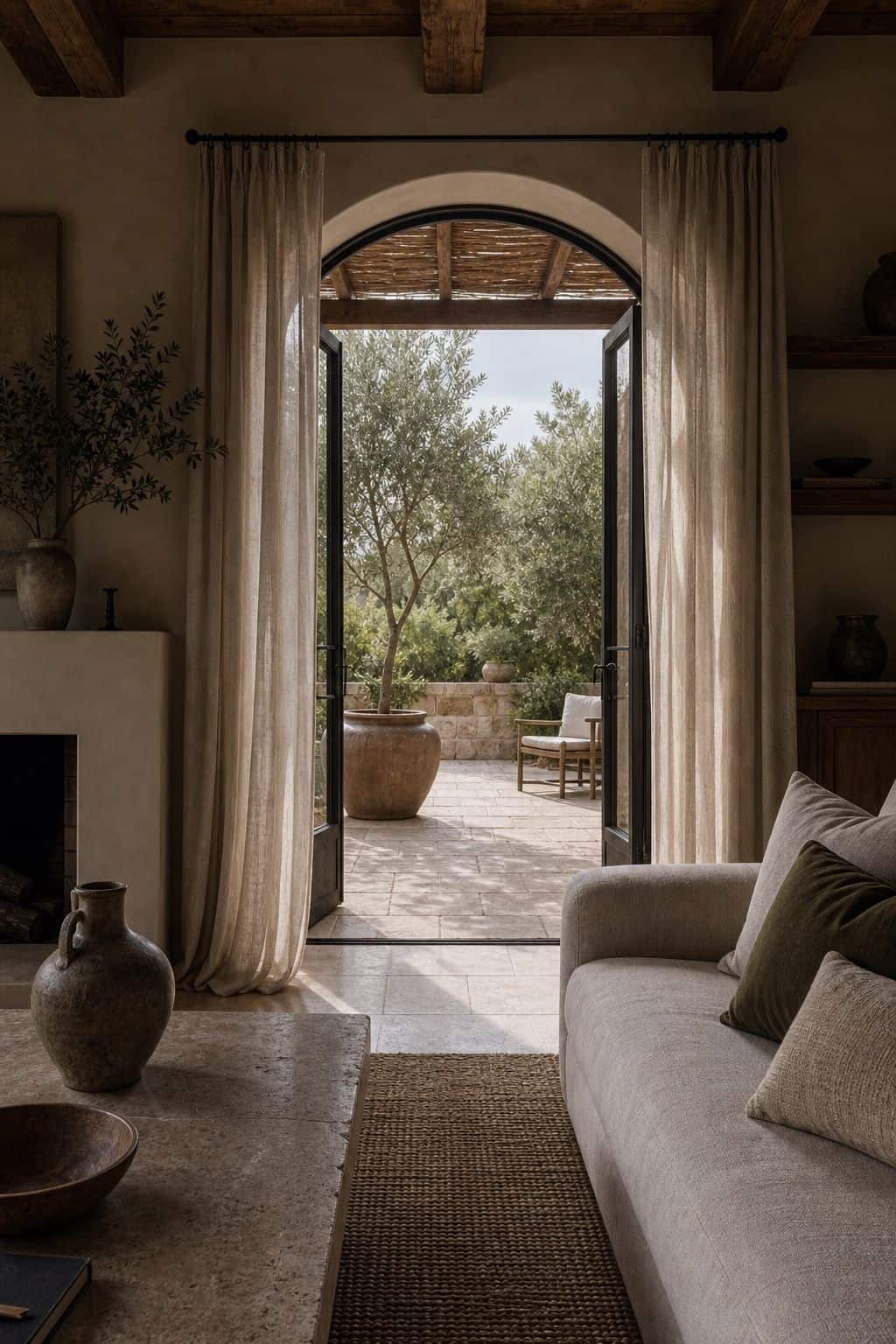


The Mediterranean home lives as much outdoors as in, and the modern version keeps that flow strong. The materials, palette, and lighting carry from the interior out onto a terrace, balcony, or patio, so the boundary between inside and outside feels soft. The same warm neutrals, the same woven and iron and terracotta pieces, the same warm string lights and lanterns. Even a small balcony treated this way extends the home. The modern edit keeps the outdoor space as uncluttered and considered as the interior, rather than a separate, lesser zone. This flow is structural to the style, so it stays at full strength.
13. A Home Office With Warm Calm
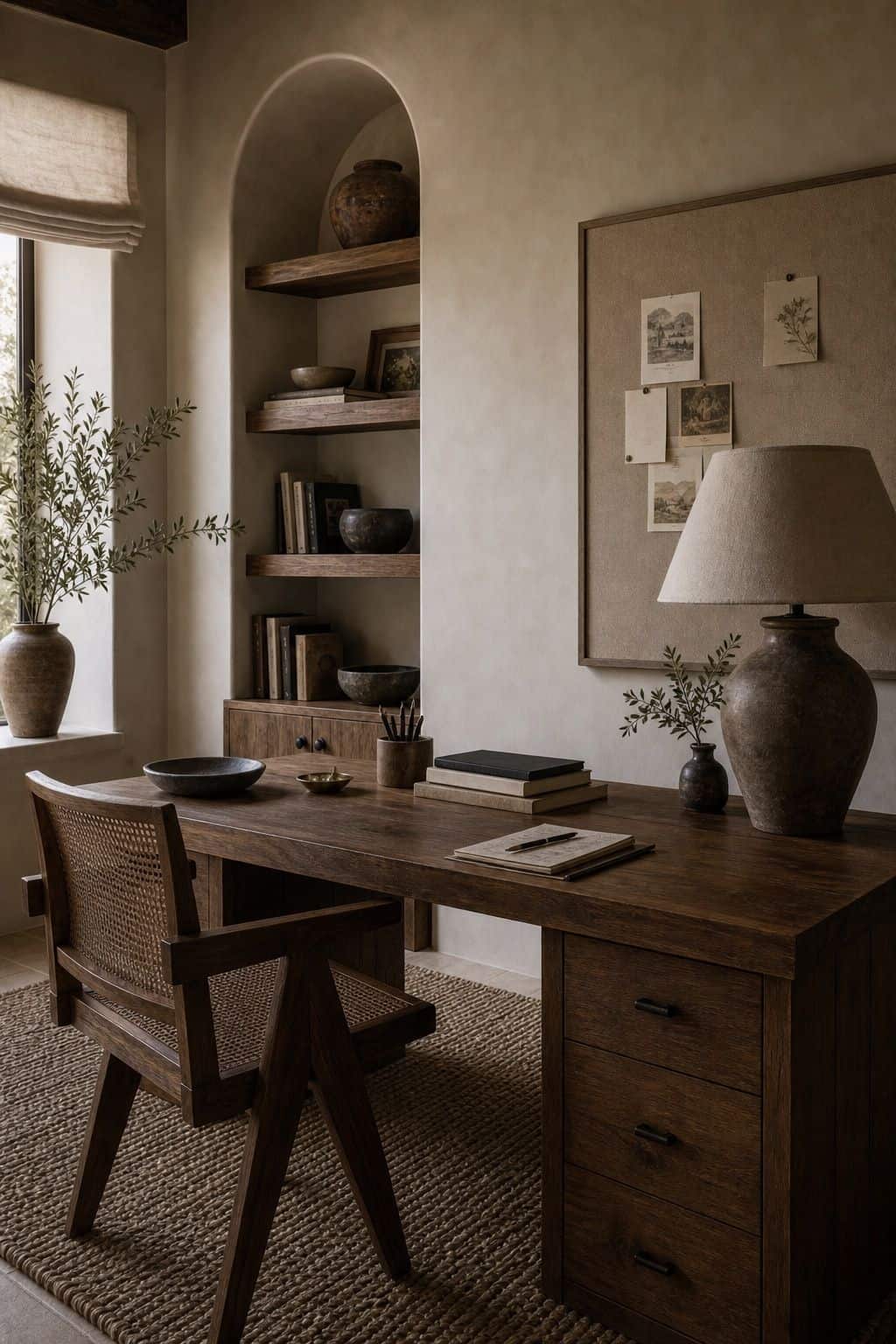


A modern Mediterranean home office is warm, calm, and uncluttered, the opposite of a sterile workspace. A simple wood desk, a rush or rattan chair, a plaster wall, a warm task lamp, and one or two handmade objects, a ceramic pot of pens, a small piece of art. The natural materials and warm light make the room feel like a place you actually want to sit, while the restraint keeps it focused. The modern edit keeps it spare rather than layering in heavy furniture. A modern Mediterranean office proves the look works in a functional room, not just the decorative ones.
14. Layered Warm Lighting Everywhere
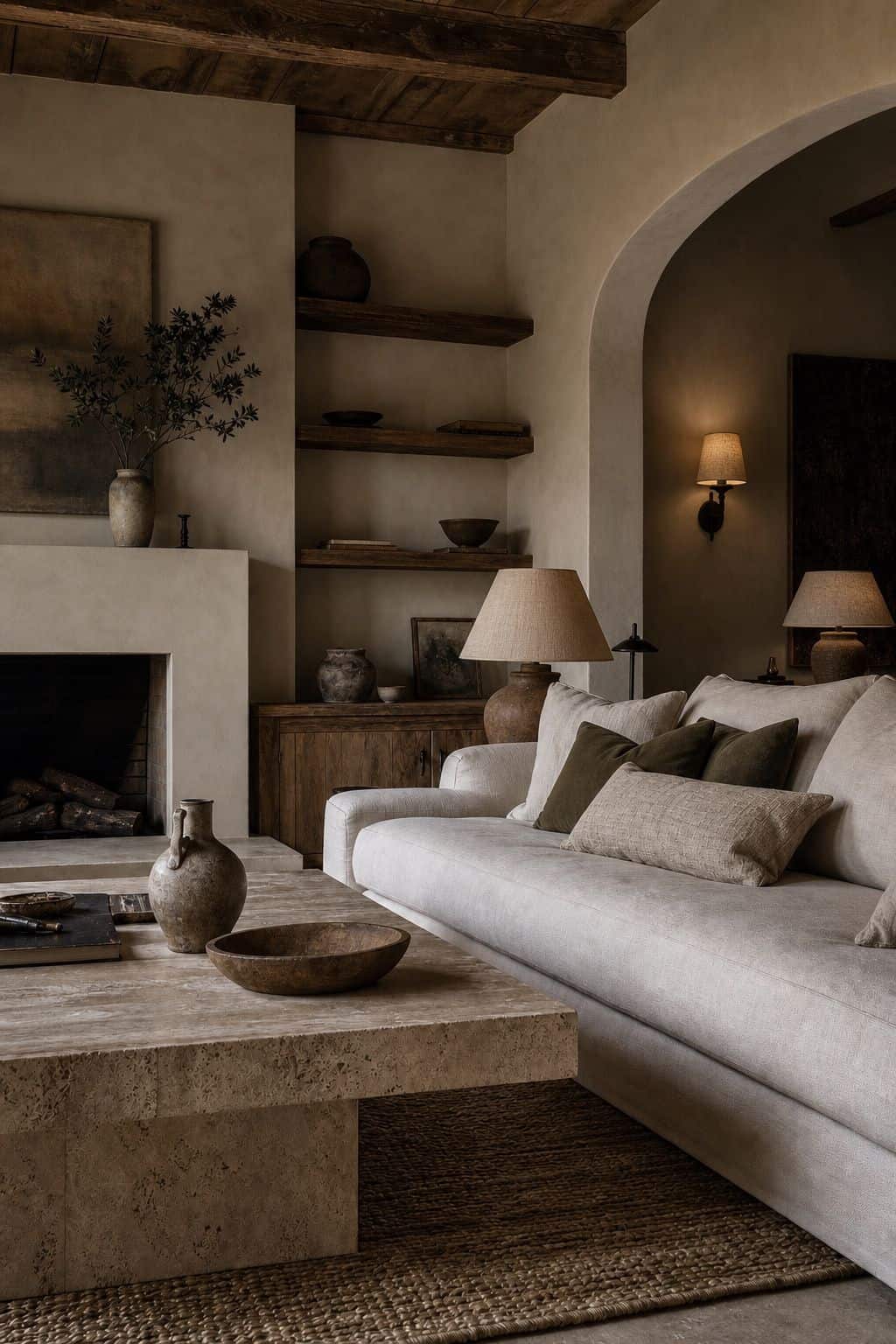


Every room in a modern Mediterranean home is lit warm and layered, never with one cool overhead. Woven pendants, ceramic and terracotta lamps, plaster sconces, candlelight, all in warm 2700K, build a glow from several low points in each room. The layering carries the sun-washed feeling through the whole house and out onto the terrace. The modern version keeps the fixtures simple and the scheme uncluttered, one statement fixture per room at most, but the warm, layered approach itself stays at full strength. It is one of the cheapest through-lines to get right, since it mostly comes down to bulbs and placement.
15. Negative Space in Every Room
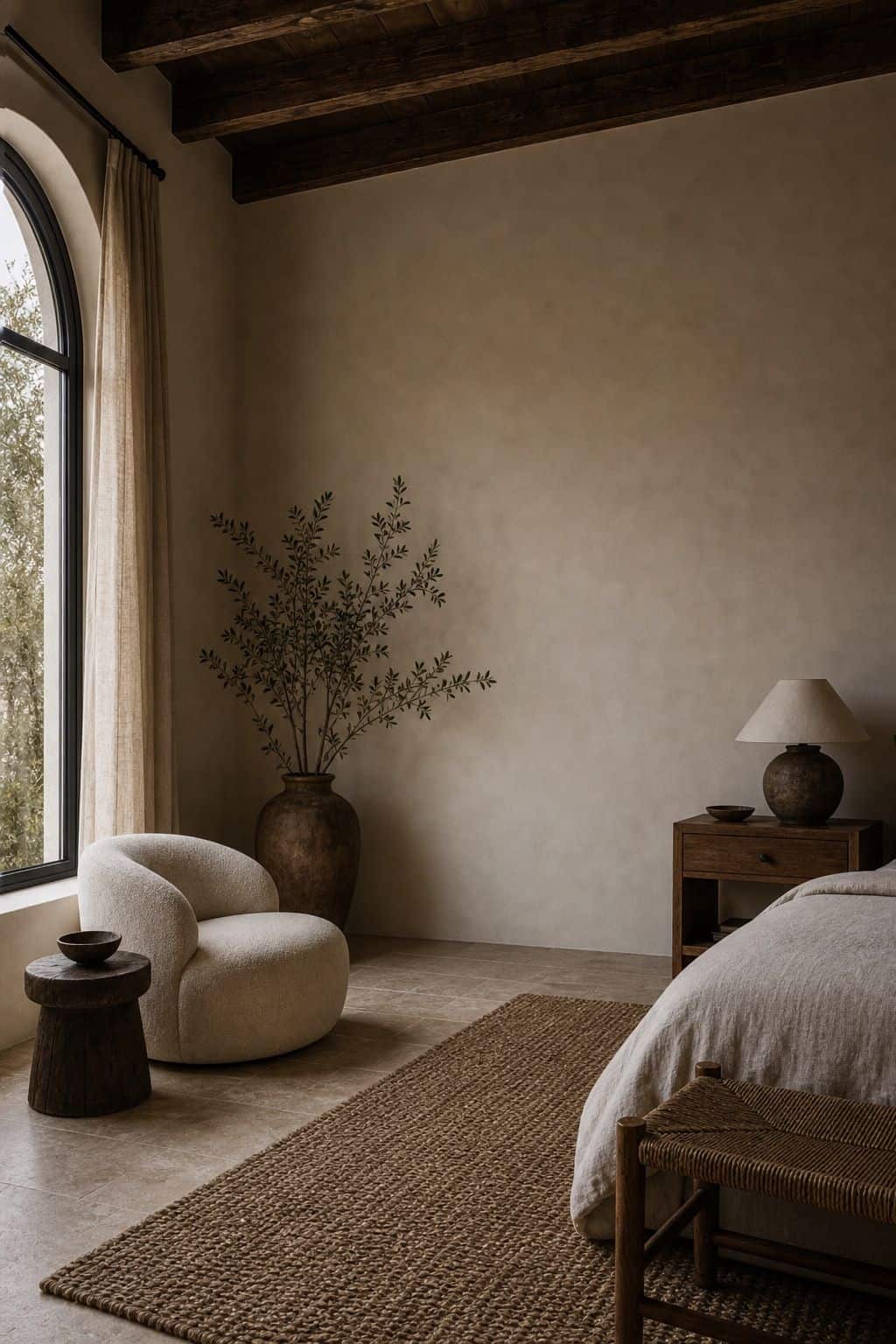
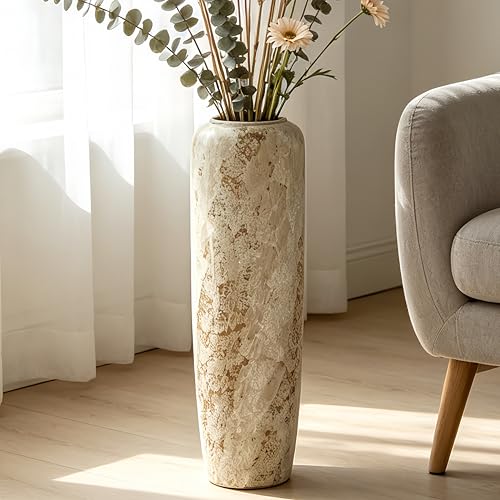


The clearest marker of modern Mediterranean over theme Mediterranean is negative space. The modern version leaves walls partly bare, surfaces partly clear, and floors open, so the warm materials and few good objects can breathe. The theme version crowds every surface with grape vines, faux greenery, and ornate clutter. Treating negative space as a deliberate design element, in every room, is what keeps the modern look current and calm. It is also free, and it is mostly a matter of restraint: choosing not to fill a wall or a shelf is as much a decision as choosing what to put there.
16. Greenery, Kept Architectural
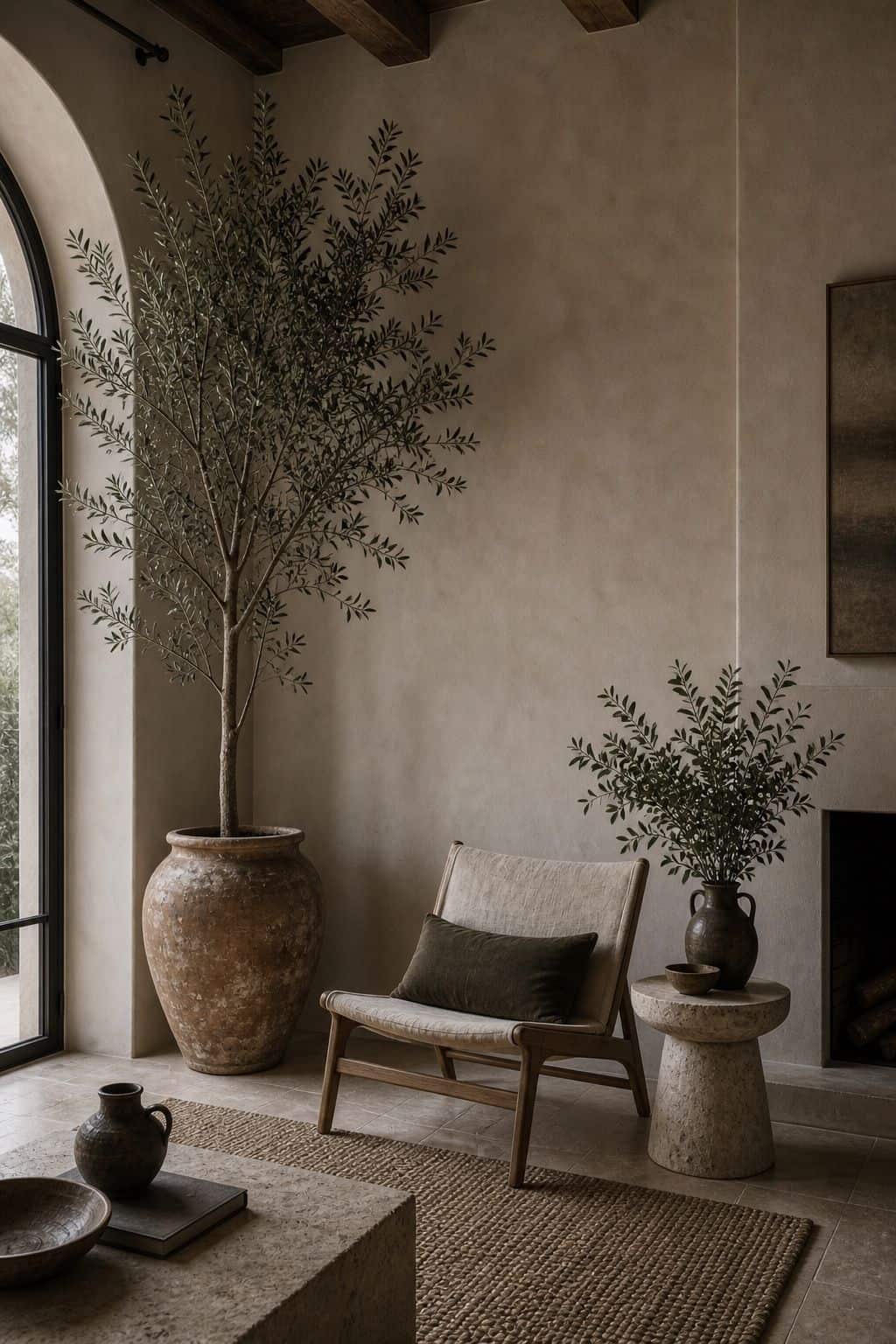


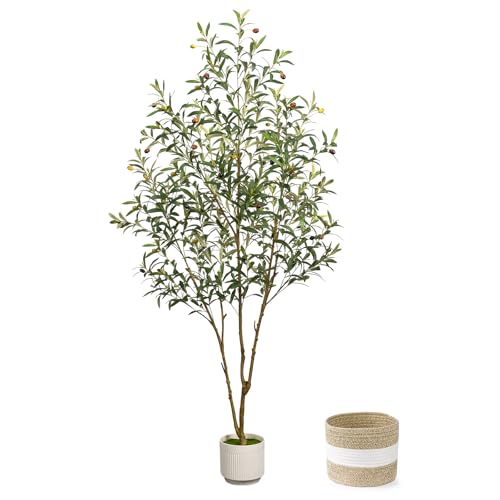
Modern Mediterranean uses plants, but architectural ones rather than lush, trailing greenery. An olive tree in a terracotta pot, a sculptural fig, a few cut or dried branches in a vase, a single potted citrus. The plants are chosen for their shape and their tie to the region, and they are used sparingly, one strong plant per room rather than a jungle. The modern edit avoids the faux grape vines and plastic greenery of the theme version entirely. Real, architectural greenery brings the Mediterranean garden indoors in a way that reads fresh and intentional rather than kitsch. Group the plant with a couple of terracotta pots of different heights, and even one tree reads as a considered corner rather than a lonely object.
17. A Terrace Treated as a Room
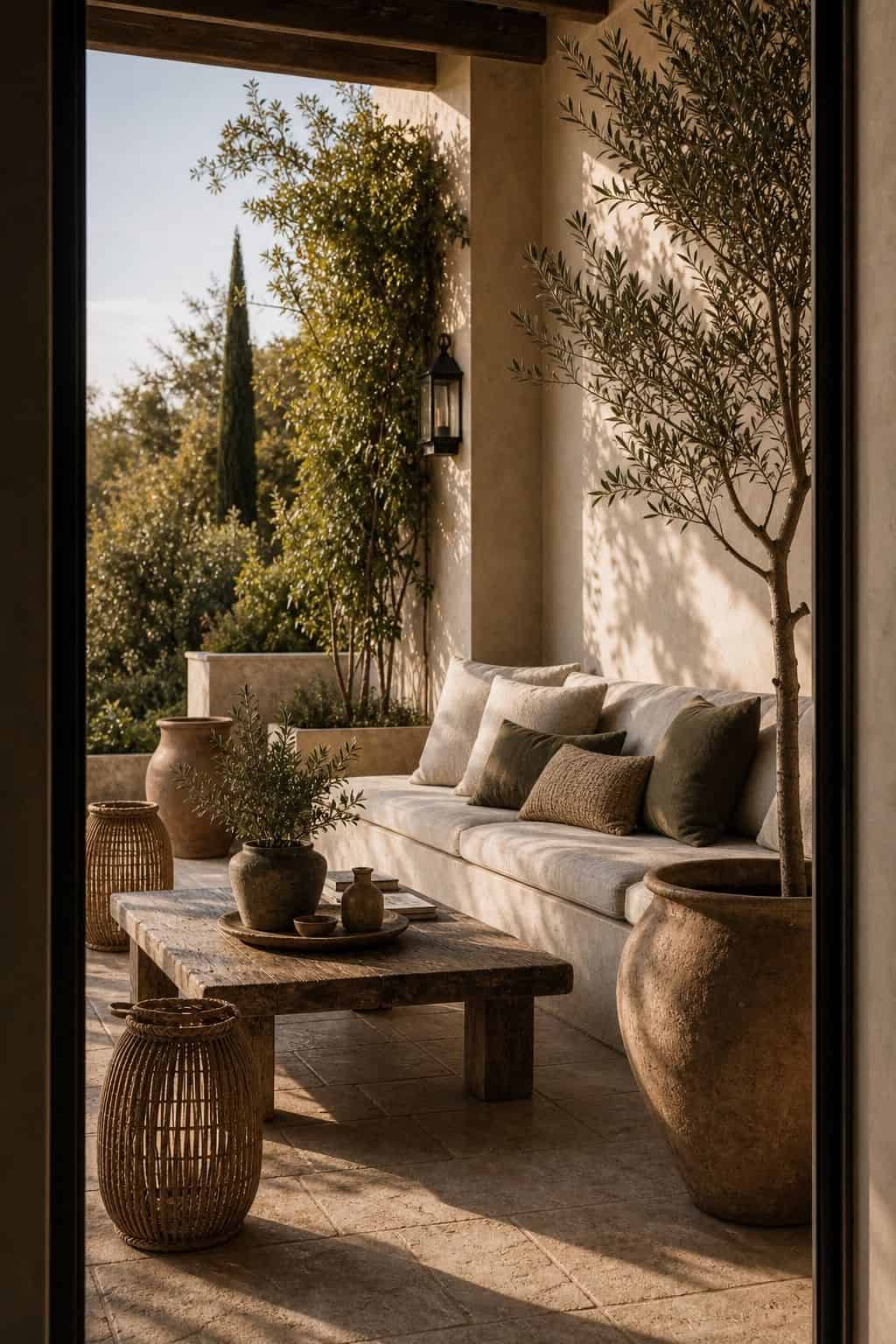


The outdoor space in a modern Mediterranean home is furnished and styled as a genuine room, not an afterthought. A wood or iron table, woven or rush seating, terracotta pots, an outdoor rug, warm string lights and lanterns, cushions in warm neutrals. The same material and color vocabulary as the interior carries straight out, so the terrace feels like an extension of the home rather than a separate zone. The modern edit keeps it uncluttered and considered. Even a small balcony, treated with this care, becomes one of the most-used rooms in the home, which is exactly how the region intends it.
18. The Whole-Home Material Palette
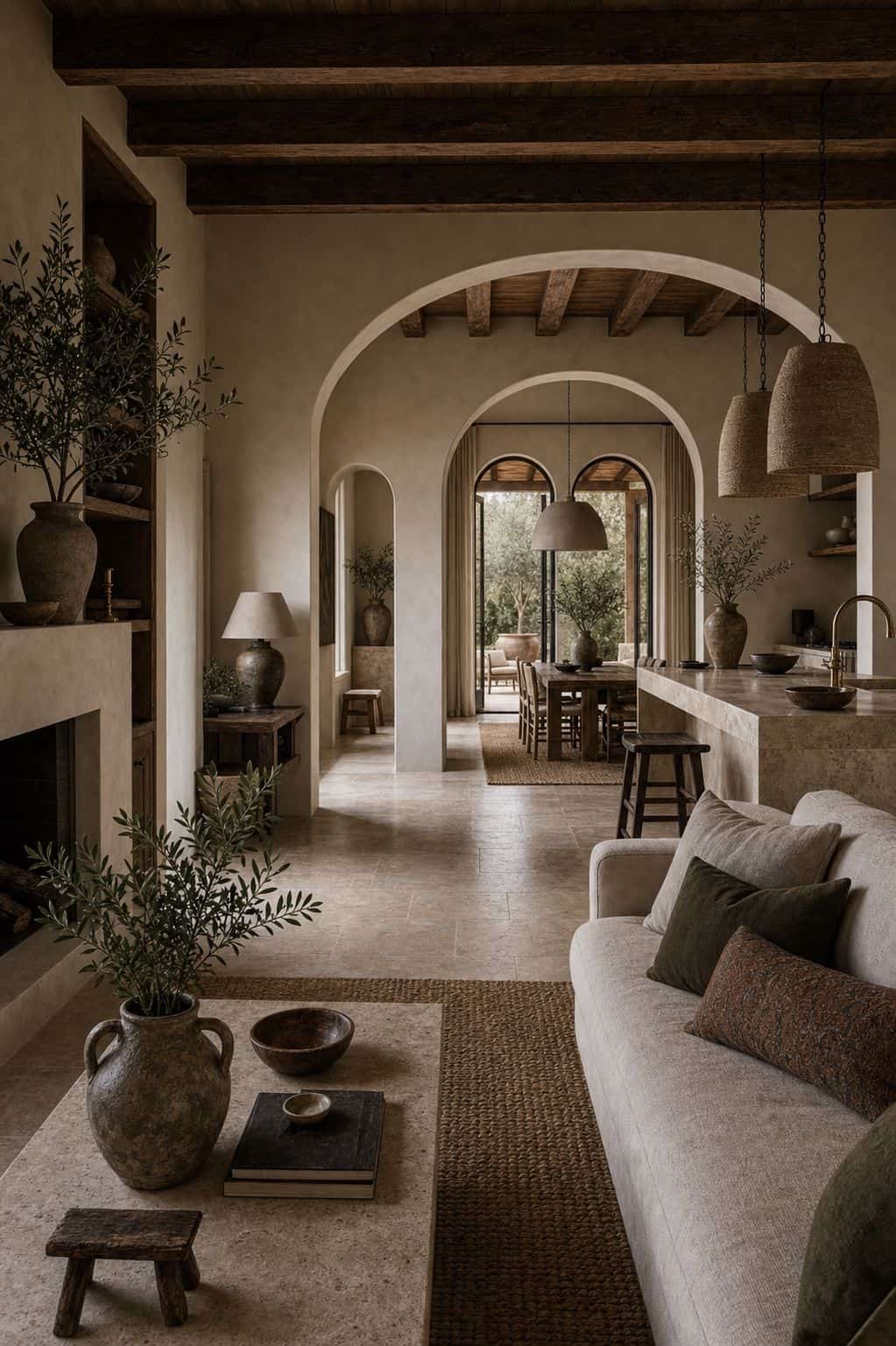


The final idea is the one that holds the other seventeen together: decide a tight whole-home material palette and stick to it. Pick your woods, your metal, your fibers, your ceramics, your stone, and let every room draw from that same set. The rooms can differ in function and even in mood, but the shared material palette makes the whole home read as one cohesive modern Mediterranean space. This is also what makes the look easy to build slowly, since every new piece simply gets checked against the established palette before it comes in. Write the palette down if it helps, having it fixed makes every future shopping decision faster and keeps the whole home from drifting over time.
The Modern-Not-Themey Rule
The modern-not-themey rule is the single test that keeps the whole look on the right side of the line. It is this: keep what is structural, lighten what is decorative. The structural parts of Mediterranean style, the arches and curves, the natural materials, the warm palette, the plaster texture, the indoor-outdoor flow, those all stay at full strength, because they are what the look genuinely is. The decorative excesses, heavy carved furniture, saturated all-over color, cluttered surfaces, literal grape-and-olive motifs, those get edited out or dialed way down.
So when you are deciding whether something belongs in a modern Mediterranean home, ask which category it falls into. Is it structural, a material, a shape, a finish, the warm base? Then keep it. Is it decorative theming, an ornate flourish, a saturated wash, a literal motif, a crowded surface? Then cut it or lighten it. That one question, applied consistently across every room, is what separates a fresh, current modern Mediterranean home from a recreation that reads like a costume. For the cheapest route into the whole look, our guide to Mediterranean decor on a budget shows how to do it for less.
Want a whole-home modern Mediterranean look that holds together room to room?
The Aesthetic Apartment Makeover Guide gives you a room-by-room plan, so the warm materials, arches, and palette read as one cohesive home rather than a set of separate rooms.
Frequently Asked Questions
What is modern Mediterranean style?
Modern Mediterranean keeps the structural essentials of the region’s style, arches and soft curves, natural materials, a warm neutral palette, plaster texture, and an indoor-outdoor flow, but edits out the heavy, themed elements like dark carved furniture, saturated all-over color, and literal grape-and-olive motifs. The result reads fresh and current rather than like a recreation.
How do I make Mediterranean feel modern?
Keep what is structural, lighten what is decorative. The arches, materials, warm palette, and plaster texture stay at full strength. The furniture scale, the amount of stuff on surfaces, and the intensity of the color all get dialed back. Add negative space in every room. That single edit is the whole difference.
What rooms suit Mediterranean decor?
All of them, plus the outdoor space. The look works in living rooms, bedrooms, kitchens, bathrooms, entries, dining spaces, and home offices, and it extends onto terraces and balconies. The shared material palette and warm neutral base are what make every room read as one cohesive modern Mediterranean home.
How do I do modern Mediterranean on a budget?
Spend on paint and texture, thrift everything else. A warm-white or lime-wash wall is the cheapest high-impact change, then bring in thrifted wood and iron, terracotta pots, linen, and secondhand ceramics. The modern version’s restraint actually helps the budget, since it needs fewer objects per room.
Is Mediterranean decor out of style?
No, the modern Mediterranean look is a current, growing direction for 2026, precisely because the modern edit keeps it fresh. The heavy, themed version of the 1990s and 2000s did fall out of favor, but the lightened, material-driven modern version reads as warm and contemporary rather than dated.
Key Takeaways
- Modern Mediterranean keeps the region’s warmth, arches, and natural materials but edits out the heavy, themed elements, so it reads fresh rather than like a recreation.
- The 18 ideas move room by room, living room to terrace, with cross-cutting principles, natural materials, plaster texture, restrained color, layered warm lighting, negative space, woven through.
- A tight whole-home material palette is what makes the rooms read as one cohesive home rather than a set of separate spaces.
- The modern-not-themey rule: keep what is structural (arches, materials, warm palette, plaster), lighten what is decorative (heavy furniture, saturated color, clutter, literal motifs).
- The look is a current 2026 direction, the lightened, material-driven modern version reads contemporary, not dated like the heavy 1990s theme version.
Final Thoughts
Modern Mediterranean is the version of the look worth doing, because it keeps everything that makes the region’s style warm and inviting while shedding the weight that once made it feel themed. Hold every choice to one test, keep what is structural, lighten what is decorative, build a tight whole-home material palette, and let negative space breathe in every room. The result is a home that feels sun-washed and current at once. To build it out, our guide to Mediterranean furniture and our guide to textured Mediterranean wall decor cover the pieces and the walls in full.