A maximalist rug is a bold pattern block that grounds and ties together a layered room. The 15 ideas below cover vintage Persians, color-block, kilim, and florals, plus how to layer rugs for depth without chaos.
The rug is the most overlooked tool in a maximalist room, and the most powerful. It is the single largest pattern surface most rooms have, it sits at the bottom holding everything else together, and it is the one piece that can either anchor a bold scheme or quietly undo it.
The 15 ideas below cover the rug styles that read maximalist, from worn vintage Persians to graphic color-block, and the layering section at the end covers how to stack rugs for depth without the floor turning chaotic.
Choosing a maximalist rug and not sure where to start?
The Aesthetic Apartment Makeover Guide walks you through a room in the right order, so the rug is chosen to anchor the scheme rather than fight it.
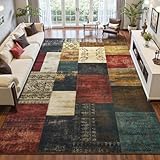
Recommended Maximalist Rugs
Six rugs that bring bold pattern and color to a maximalist room, from vintage Persians to graphic geometrics.




Recommended blogs to read:
- building a maximalist color palette
- choosing maximalist furniture
- retro rug styles in a 70s room
- mid-century living room styling
- an eclectic boho mix
- a witchier whimsigoth rug
What Makes a Rug Maximalist
A maximalist rug is defined by pattern and color presence. A minimalist rug recedes, a neutral texture under the furniture. A maximalist rug steps forward, a bold floral, a graphic geometric, a saturated vintage Persian, and it works as one of the main pattern elements in the room rather than a quiet base.
The other half is that a maximalist rug has to connect to the room rather than just sit in it. The rug should pull at least one or two colors from the walls, the sofa, or the art, so the floor reads as part of the scheme. Set the palette first and choose the rug to echo it, and our guide to a maximalist color palette covers how to lock that down.
One rule before the list: size up. An undersized rug is one of the most common decorating mistakes, and it is worse in a maximalist room where the rug needs to be big enough to ground a fully layered space. Go large enough that the front legs of the furniture sit on it.
15 Maximalist Rug Ideas
Choose one bold rug as the anchor, or layer a few. The section after the list covers how to layer them well.
1. A Vintage Persian Rug
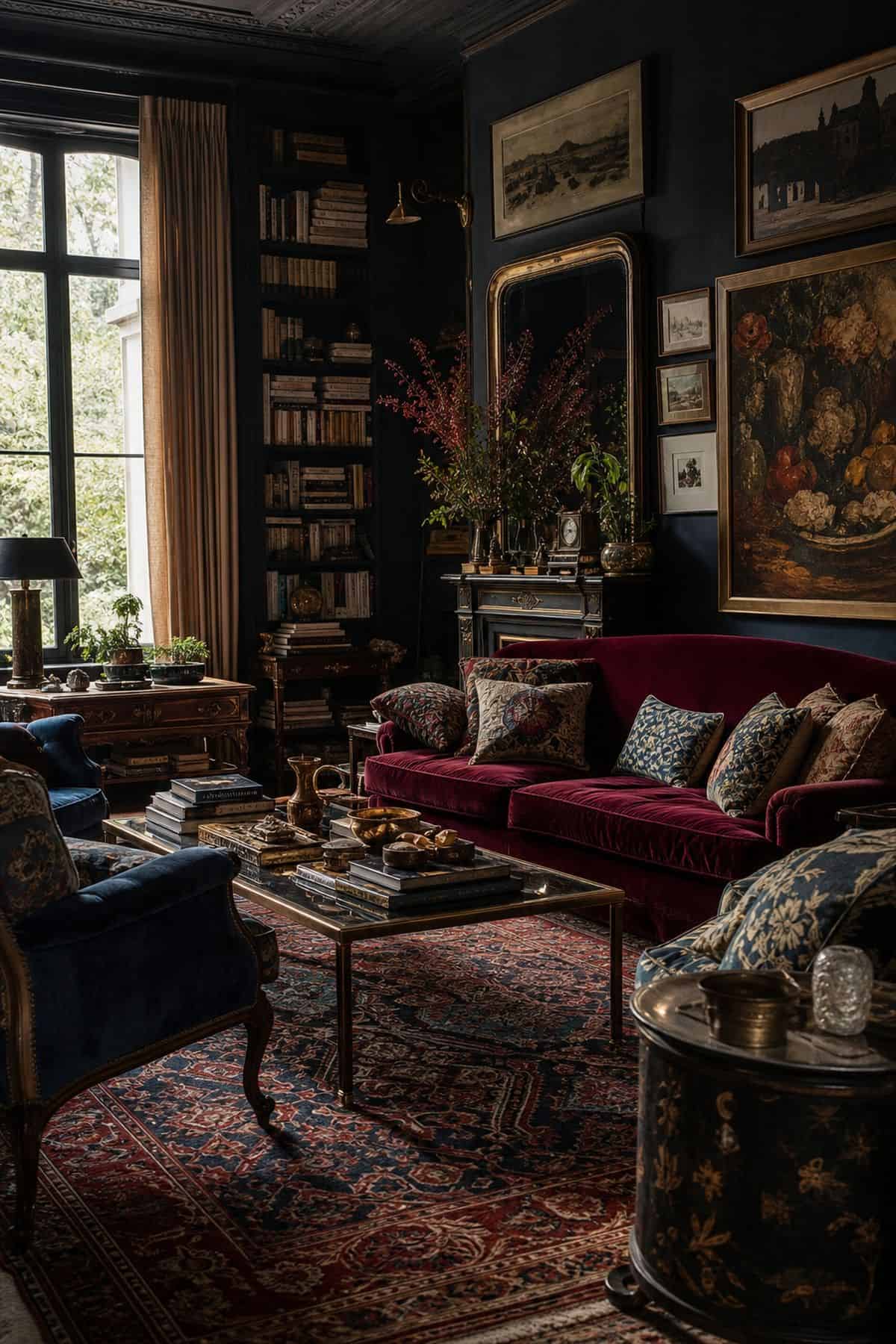


The maximalist rug classic, and the one most worth hunting for. A worn Persian or oriental rug brings deep color, intricate pattern, and instant age to a room in a single piece. The faded, slightly uneven, lived-in quality is exactly what maximalism wants, since it tells the eye the room was gathered rather than ordered. A real vintage piece gives a room a story a brand-new rug cannot, and the wear is a feature, not a flaw, so do not be put off by a little patina.
2. A Bold Floral Rug
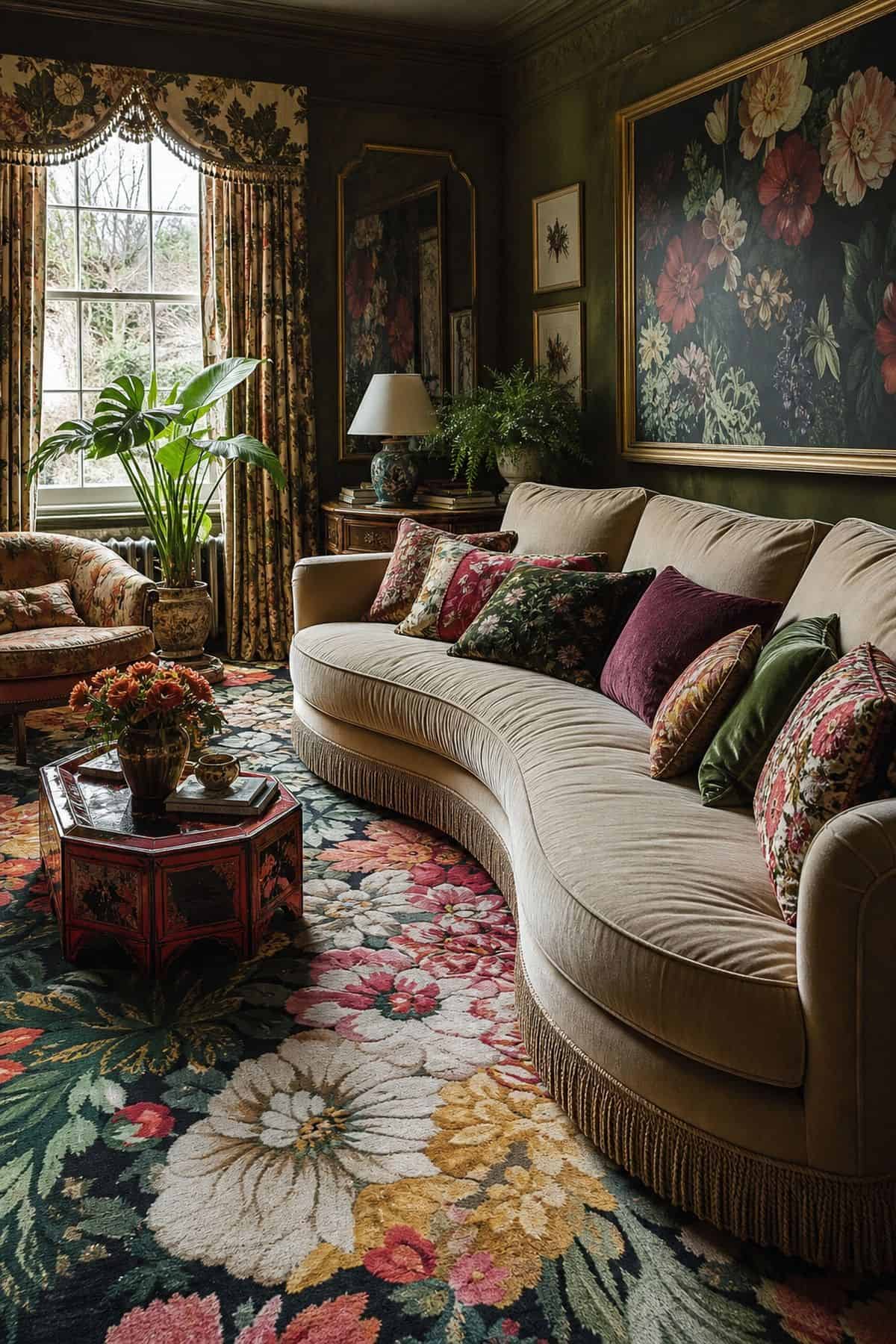


A large-scale floral rug is pure maximalist pattern, the kind that announces itself the moment you walk in. It reads romantic and rich, anchors a room with one big pattern block on the floor, and pairs beautifully with other florals at different scales across the pillows and curtains, the scale difference is what keeps the mix from clashing. A bold floral rug also bridges styles easily, sitting just as comfortably in a moody room as a bright one.
3. A Graphic Geometric Rug
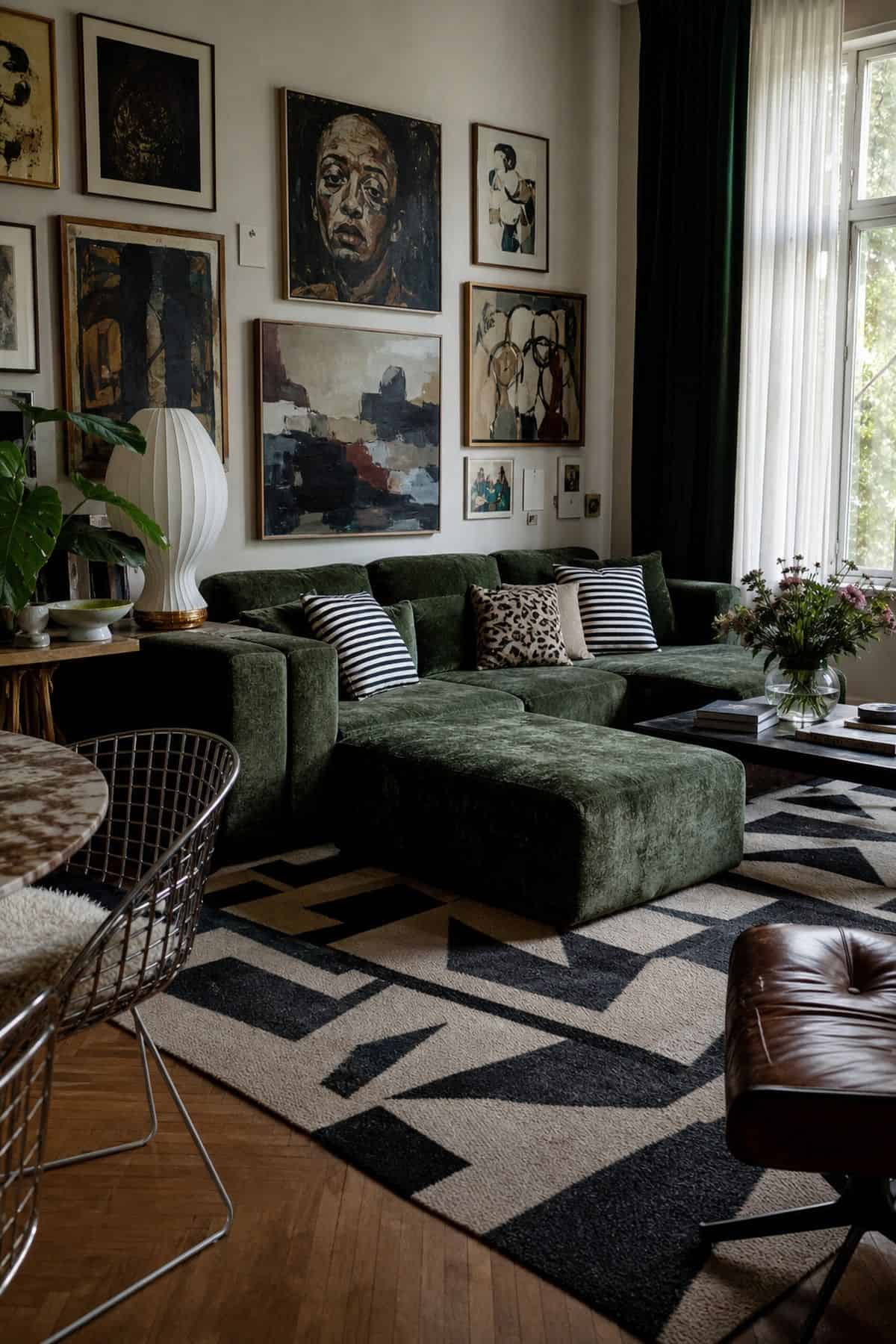

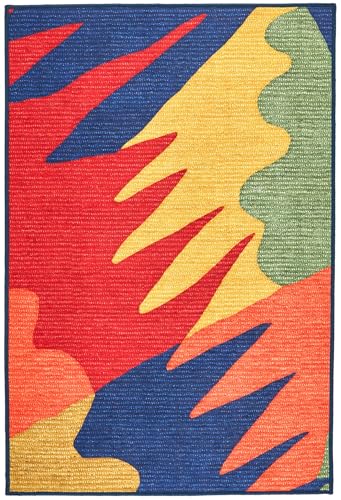
Bold geometric patterns, diamonds, grids, big repeating shapes, bring a punchy, slightly retro energy to a maximalist floor. A geometric rug is a good counterpoint when the rest of the room leans floral or organic, the hard repeating shapes give the pattern mix some structure to push against. It also reads more modern than a vintage Persian, so a graphic geometric is the maximalist rug for a room that wants boldness without the antique feel.
4. A Colorful Kilim
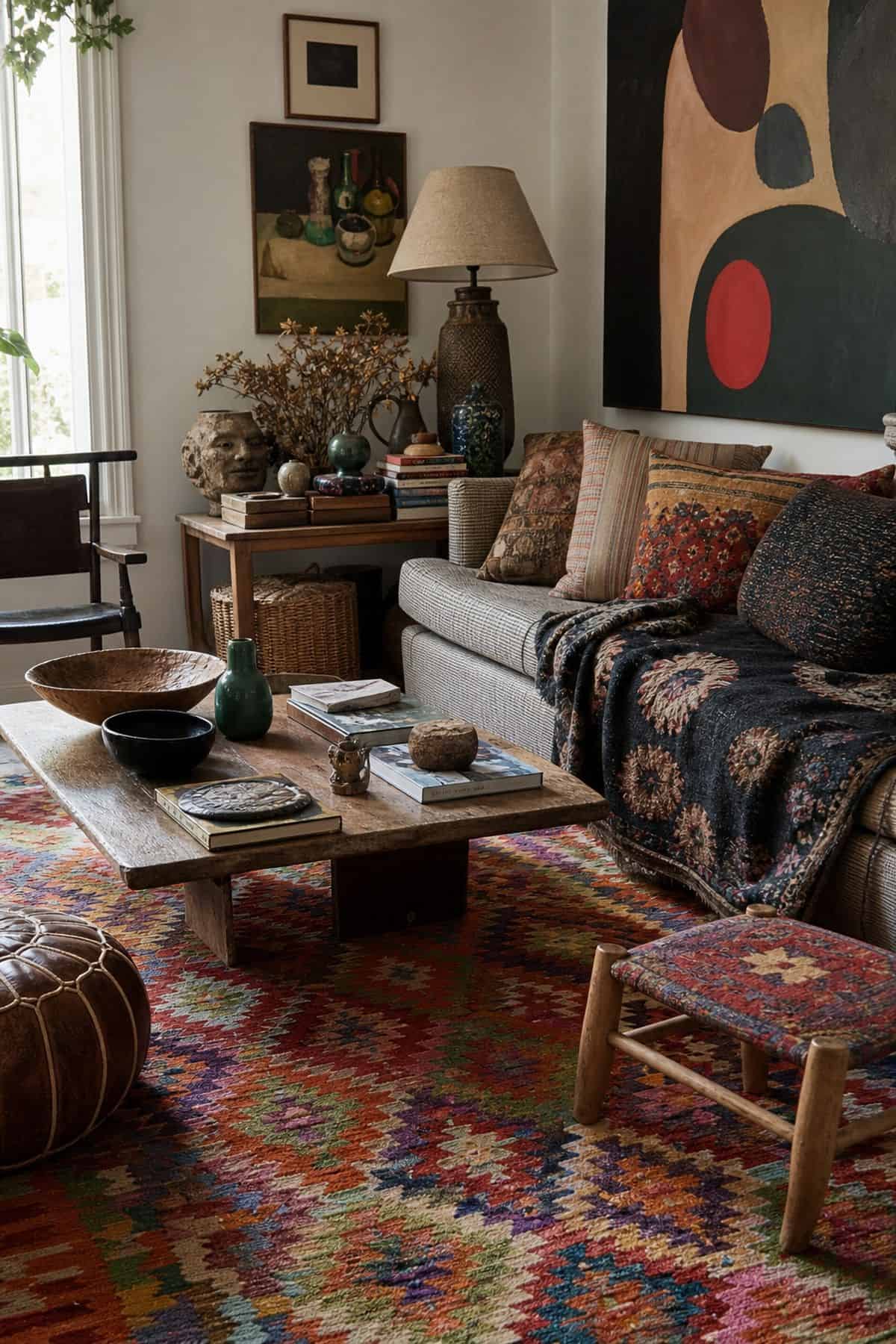
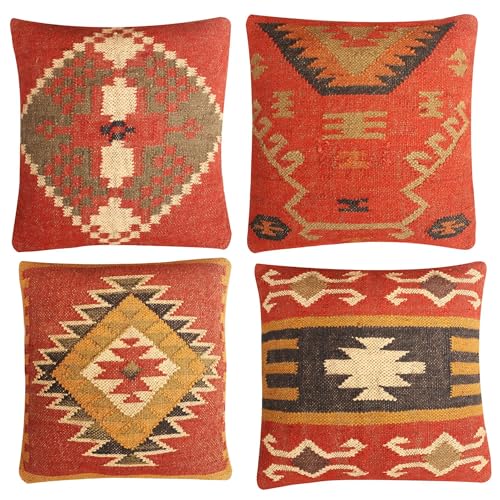

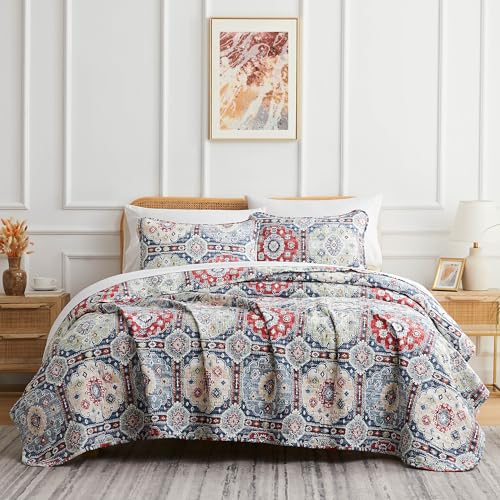
Flat-woven kilims bring saturated color and bold geometric pattern in a thinner, more layerable weight than a pile rug. Their flat profile makes them ideal for layering over a larger base rug without the stack feeling bulky, and the color is usually rich enough to anchor a scheme on its own. Kilims are also widely available secondhand at good prices, which makes a bold, characterful rug realistic even on a tight budget.
5. Layered Rugs
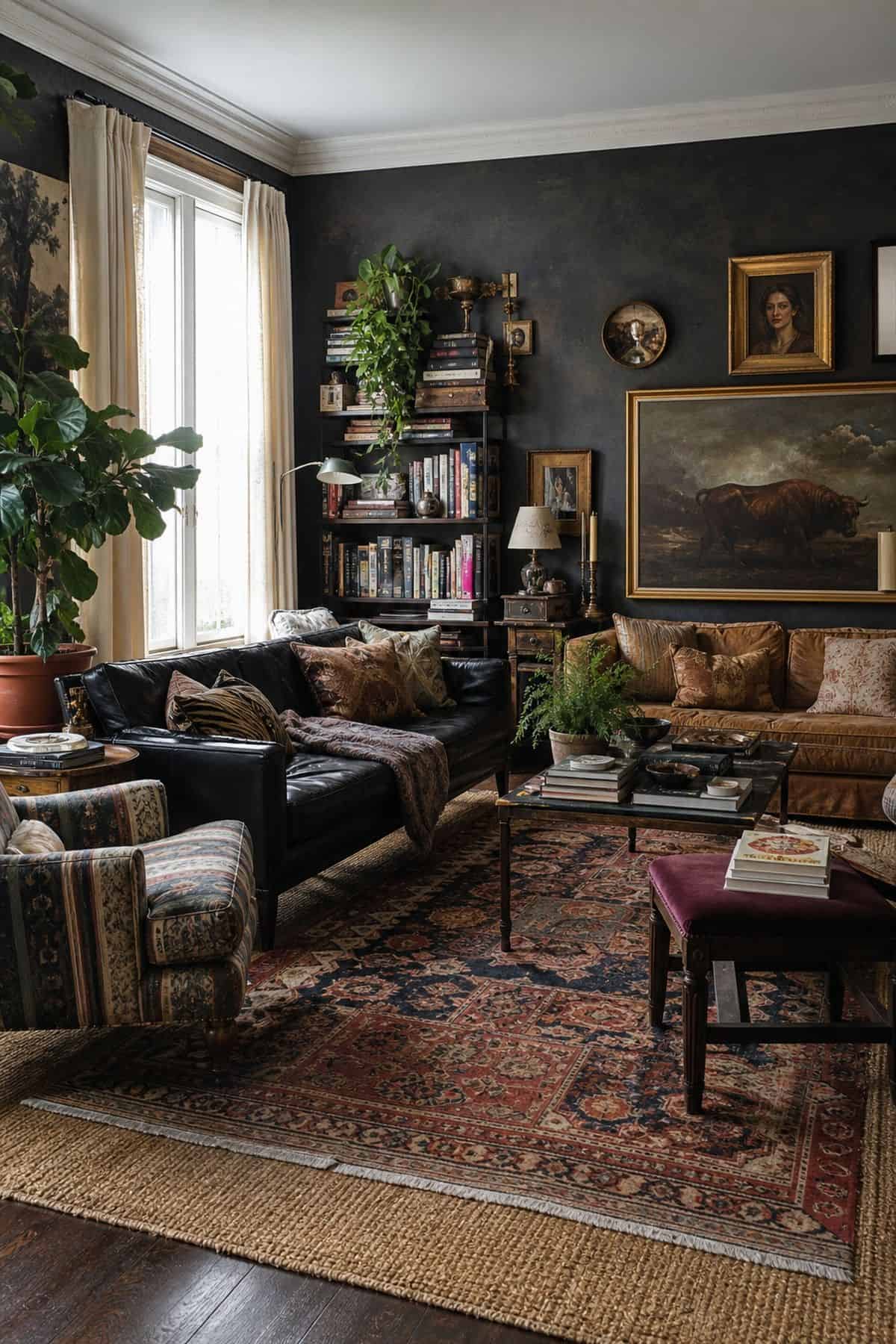


A smaller patterned rug layered on top of a larger one is one of the most recognizable maximalist moves there is. It adds depth, lets you combine two patterns or colors underfoot, and is a genuinely practical fix, a too-small bold rug suddenly works once it sits centered on a larger neutral base. Keep one shared color between the two so the layering reads deliberate, and let the furniture sit partly on both so the stack feels built in.
6. A Color-Block Rug
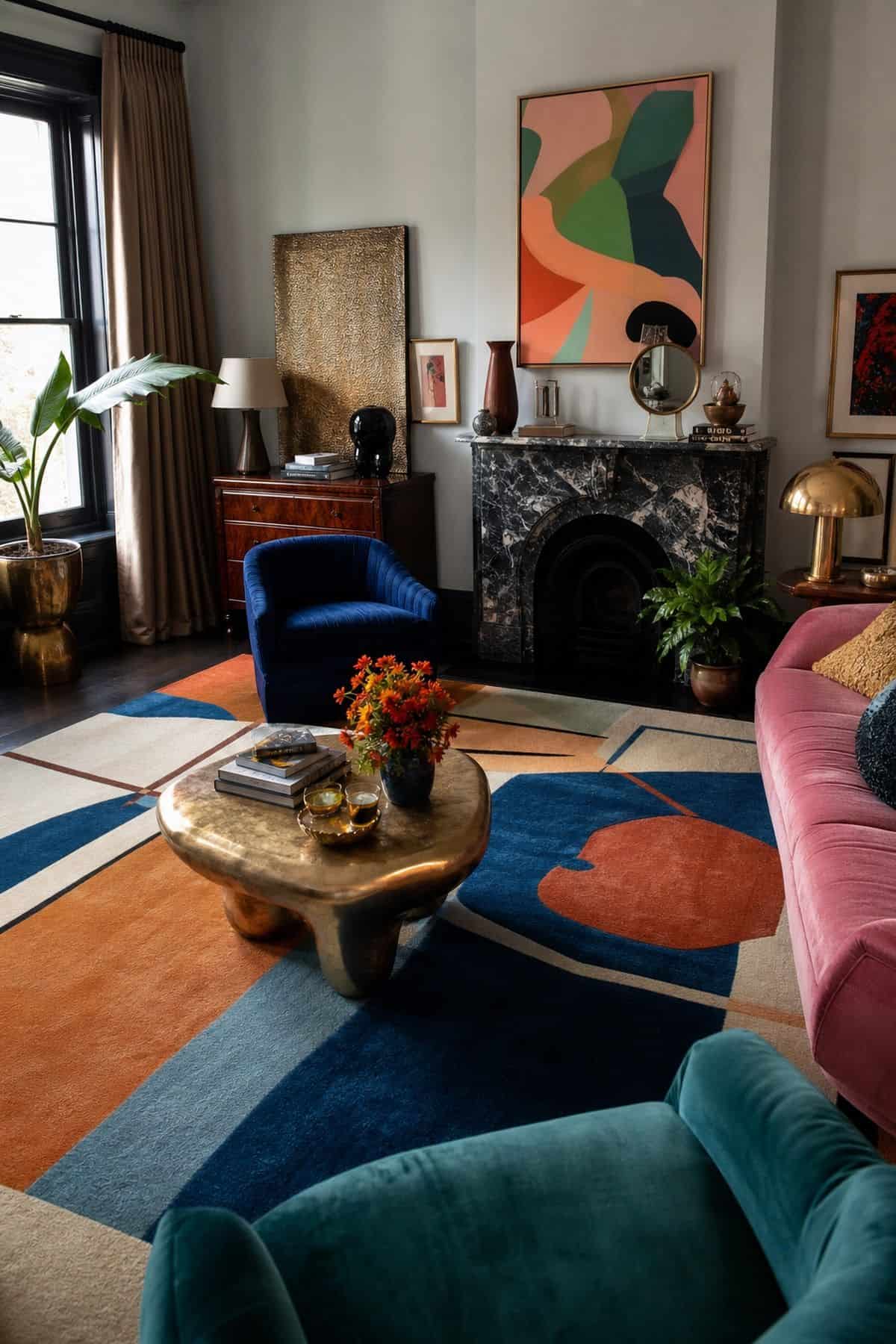
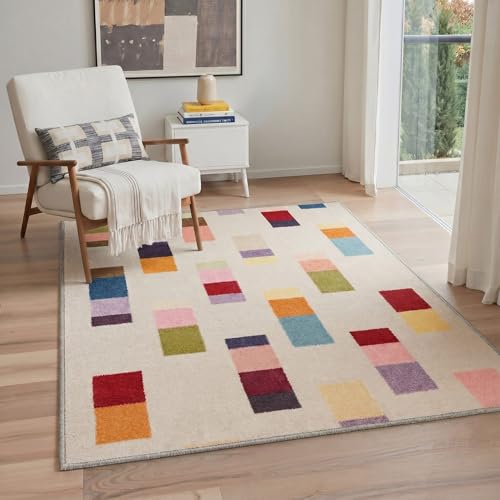

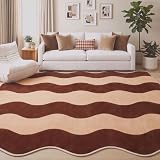
Big blocks of saturated color, no intricate pattern, just bold shapes, bring a modern, confident maximalism to the floor. A color-block rug works especially well when the room already has plenty of detailed pattern on the walls and textiles and needs a strong but simpler counterweight underfoot. It is the maximalist rug for someone who loves bold color but finds busy pattern overwhelming, all the impact, none of the visual noise.
7. A Runner With Personality
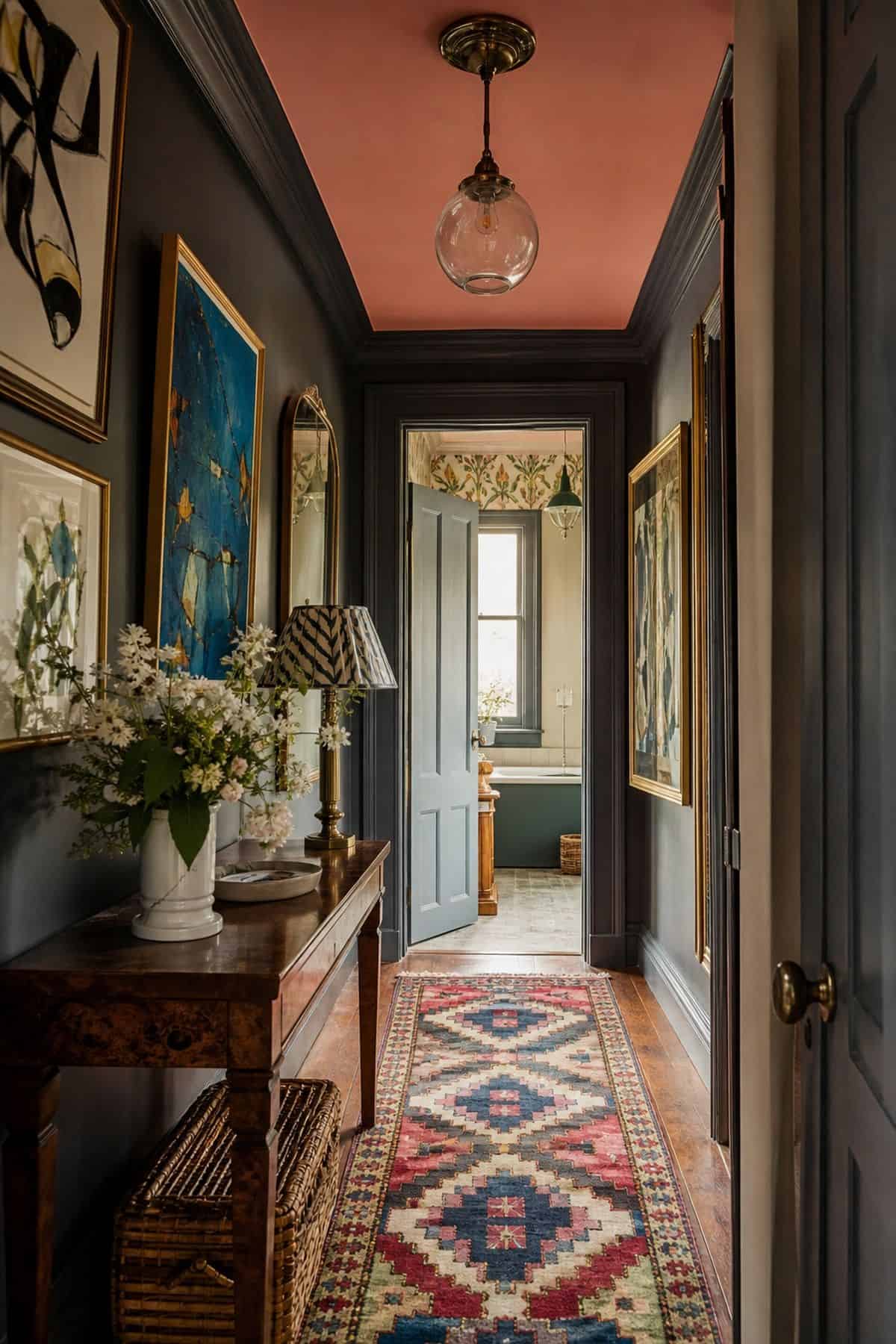



Hallways, kitchens, and the sides of a bed are easy places to add a bold rug without committing a whole room to it. A patterned runner brings maximalist color to a narrow space that usually gets ignored entirely, and it is a genuinely low-risk way to start, a runner costs a fraction of a room-sized rug. If a full bold rug feels like a leap, a runner is the test drive that proves you can live with the pattern.
8. A Round Patterned Rug
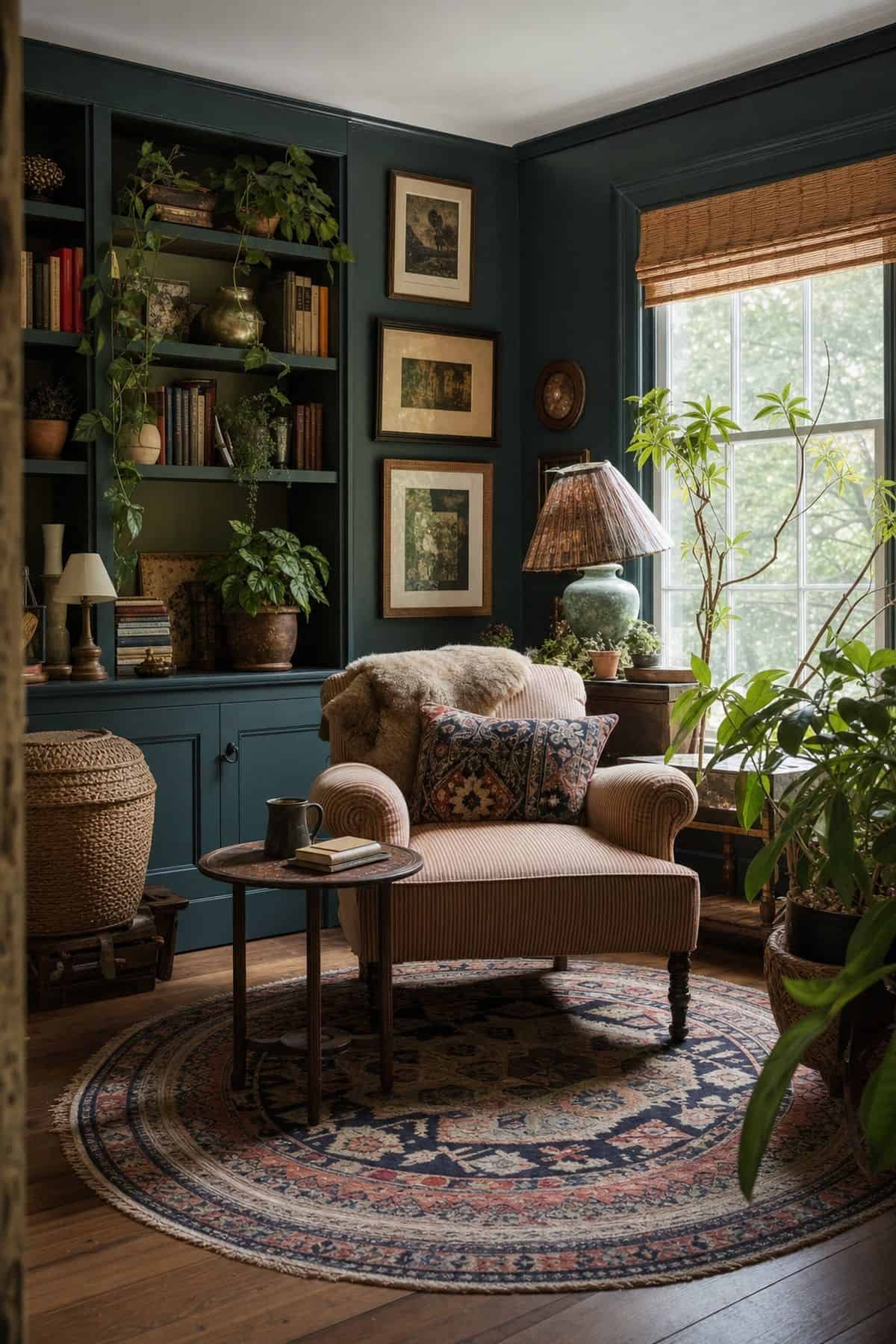
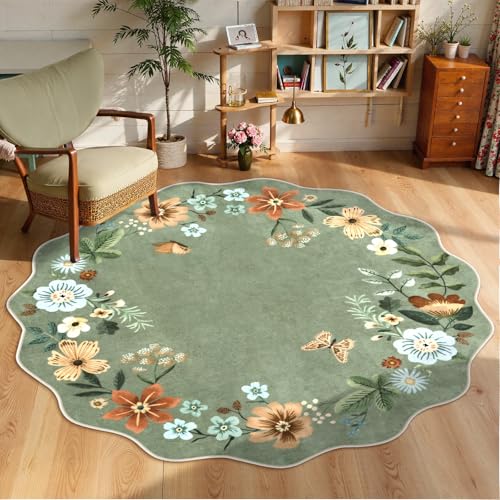
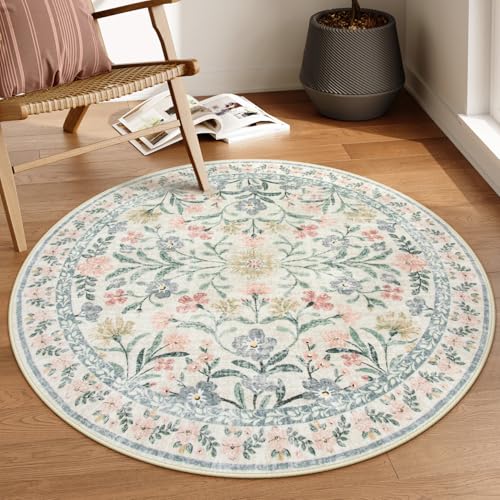
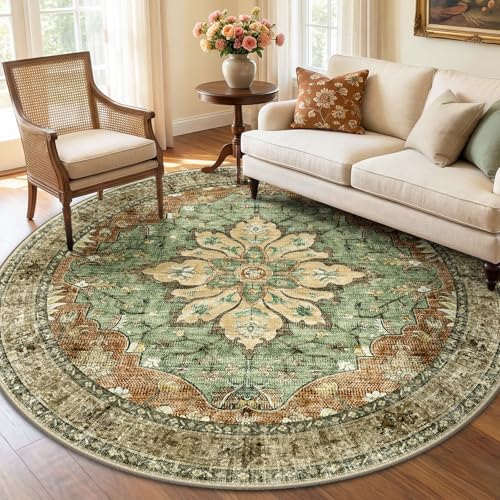
A round rug breaks up a room full of straight lines and rectangles, the sofa, the shelves, the windows, the frames. In a maximalist space, a bold round rug under a small table or in a reading corner adds shape variety on top of pattern variety, and that contrast is what keeps the eye moving around the room. It is also a smart fix for an awkward nook, where a rectangle would look forced but a circle settles in naturally.
9. A Moroccan-Style Rug
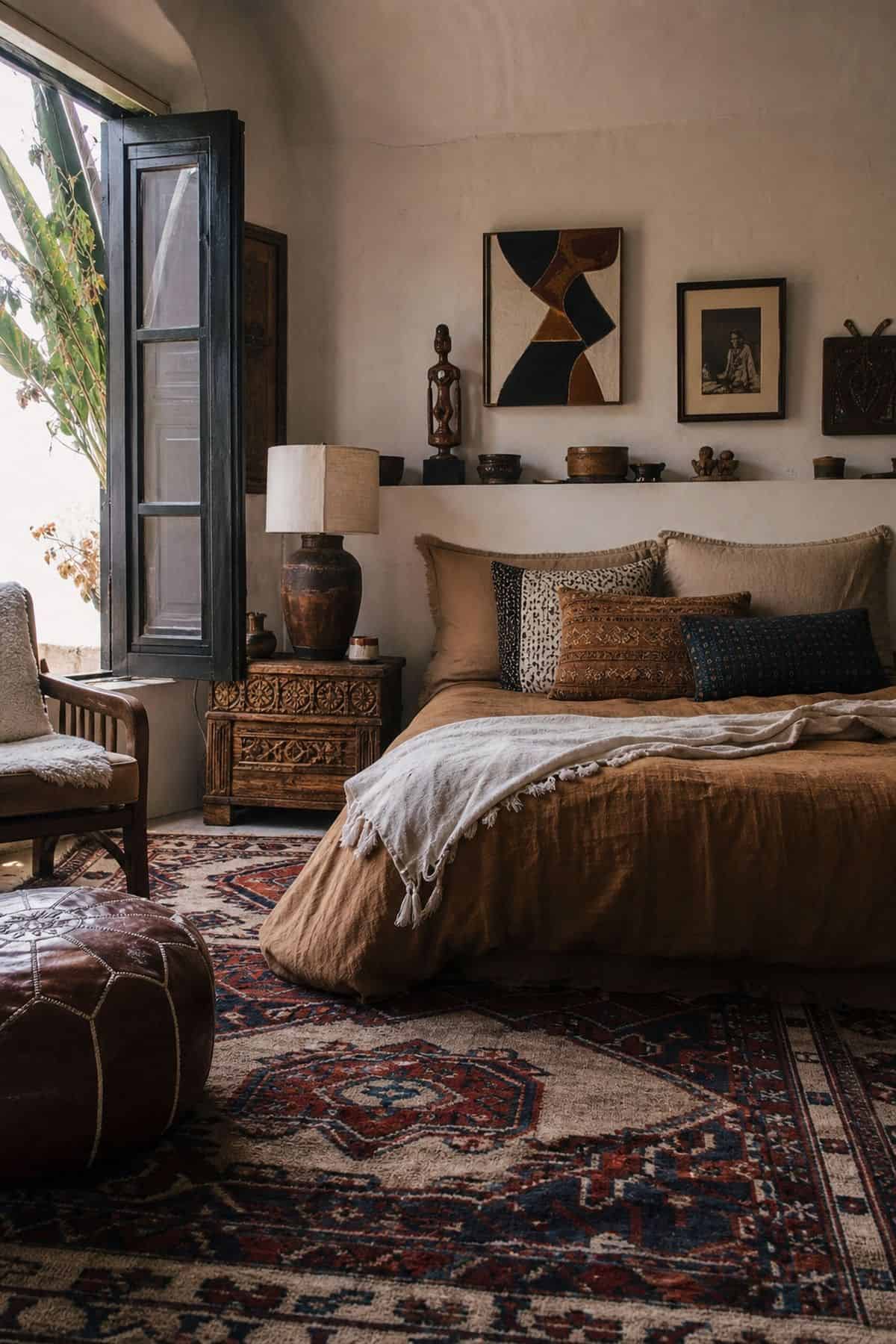

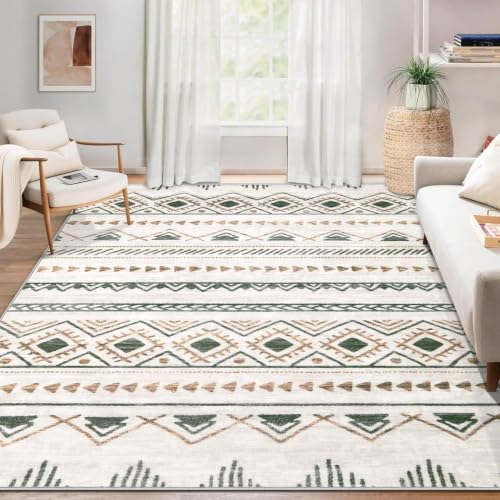

Beni-style and other Moroccan rugs bring texture and a looser, hand-made pattern that feels softer than a crisp geometric. The high-pile versions add real softness underfoot and a slightly bohemian layer that suits the warmer, more eclectic side of maximalism rather than the sleek modern version. They also work beautifully as a layering base, the deep pile gives a flat kilim or a smaller patterned rug something plush to sit on.
10. A Patchwork Rug
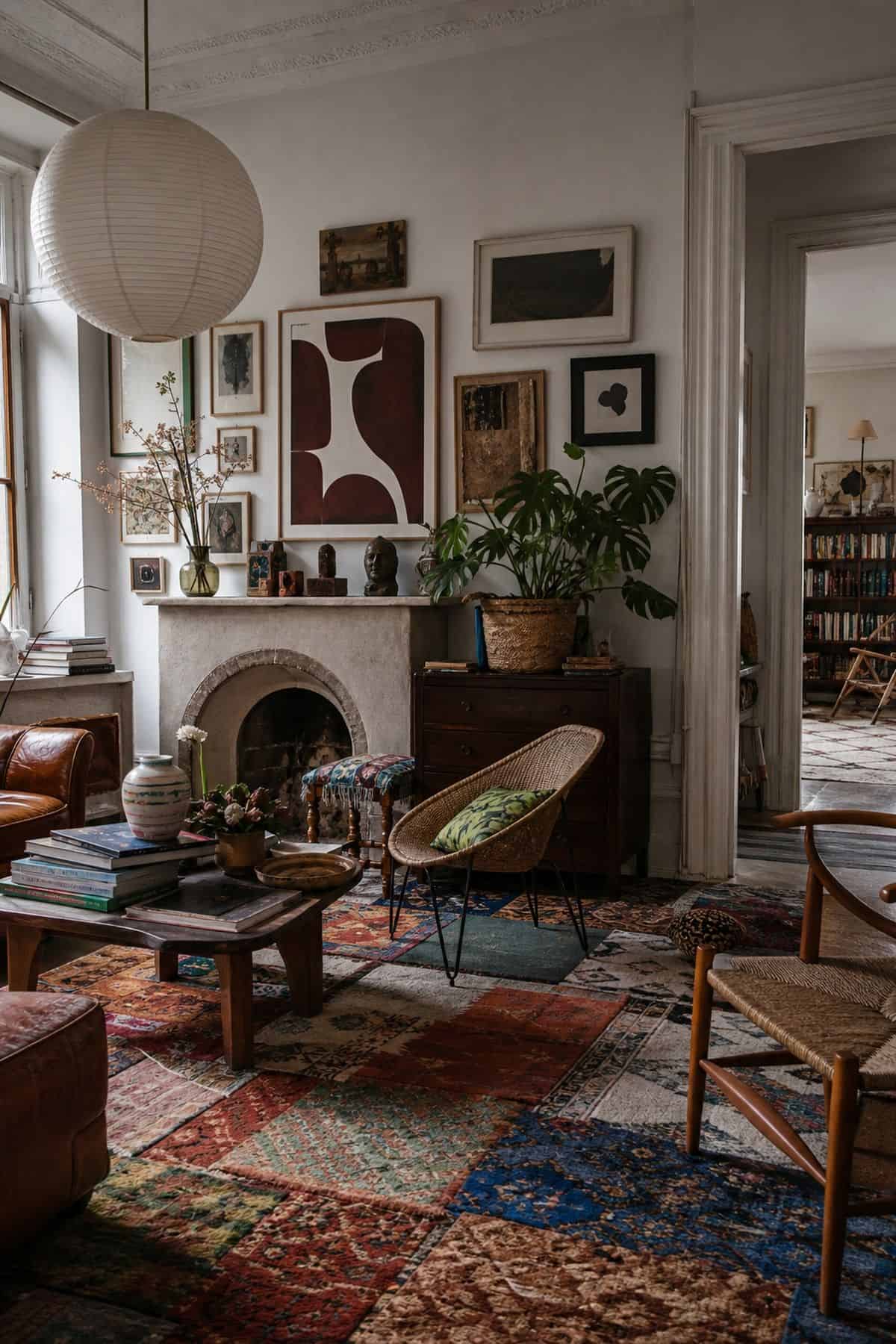


Patchwork rugs piece together different patterns and colors into one surface, which makes them maximalist by design rather than by styling. A patchwork rug delivers the collected, layered look in a single piece, so it does a lot of work on its own, and it pairs best with solid-colored furniture that steps back and lets the rug lead. It is the maximalist rug for someone who wants the gathered look without having to assemble it themselves.
11. A Jute Layering Base
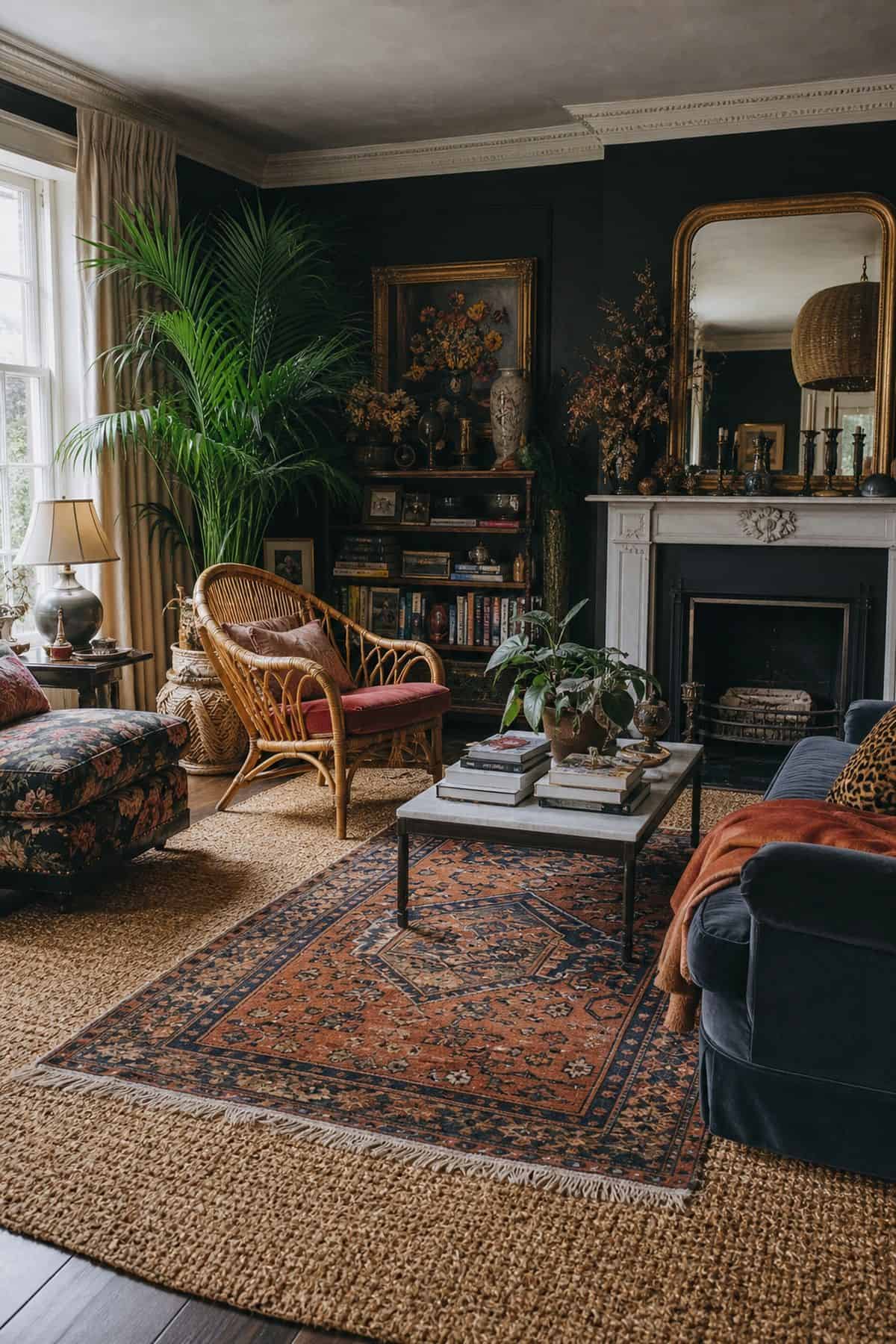
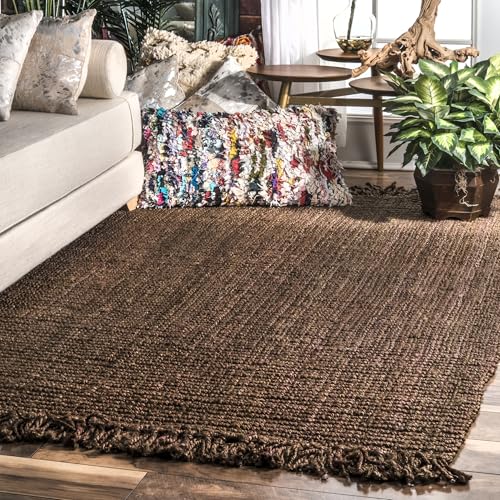

A large natural jute or sisal rug is the unglamorous workhorse that makes layering possible. It is cheap, hard-wearing, and neutral enough to sit under any bold rug stacked on top without competing with it. Its real job is extending the floor coverage so a smaller statement rug can sit centered and still fill the room, which means you can buy the bold rug in the size you can afford rather than the size the room needs.
12. A Washable Bold Rug
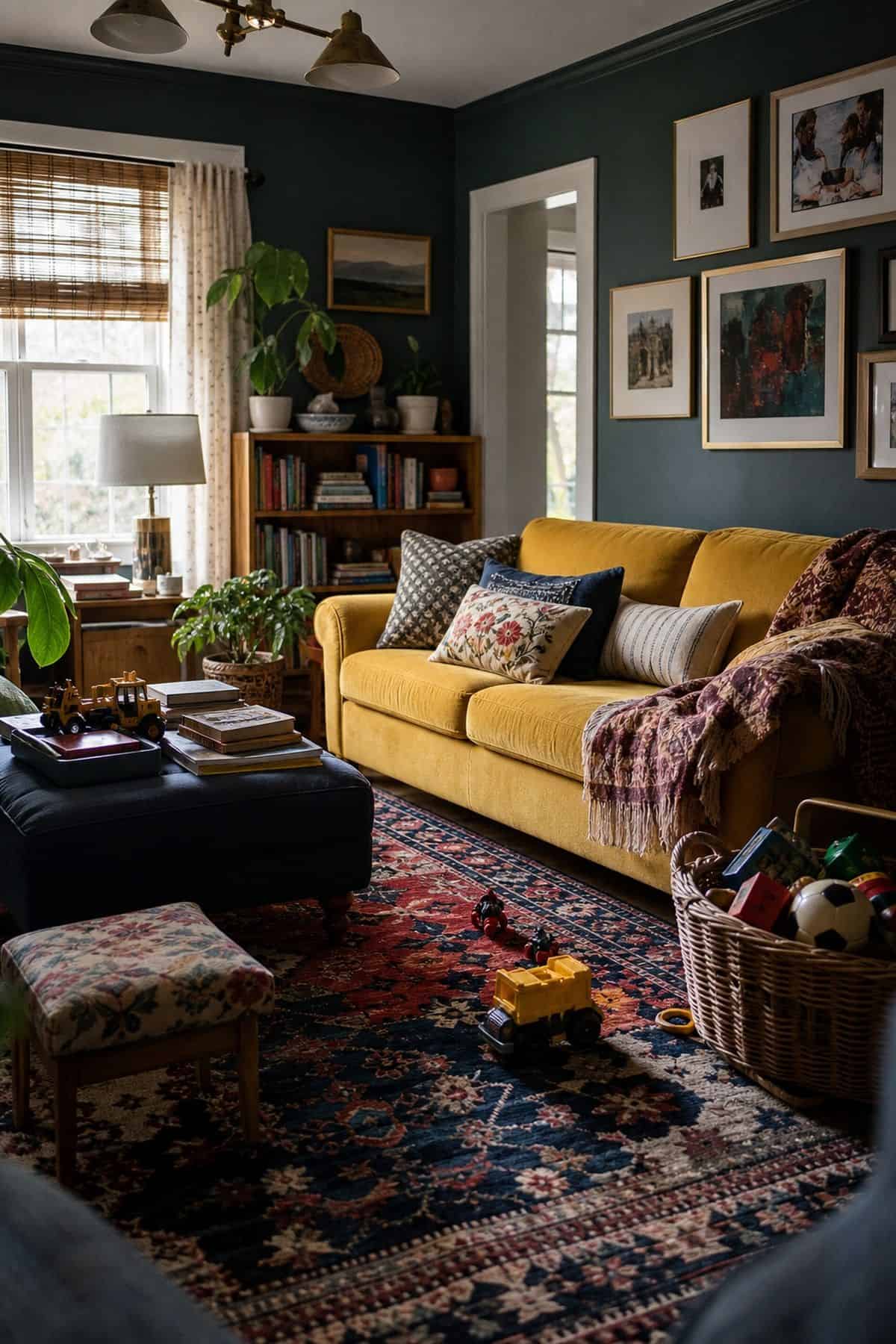

Washable rugs now come in genuinely bold patterns, not just muted neutrals, which makes maximalist floors realistic in high-traffic rooms, kitchens, entryways, and homes with kids or pets. The practical version means you do not have to choose between bold and livable, the rug goes in the machine when it needs to. That removes the main reason people keep their floors safe and neutral, so a washable bold rug is the answer for anyone who has been holding back.
13. A Rug That Echoes the Walls
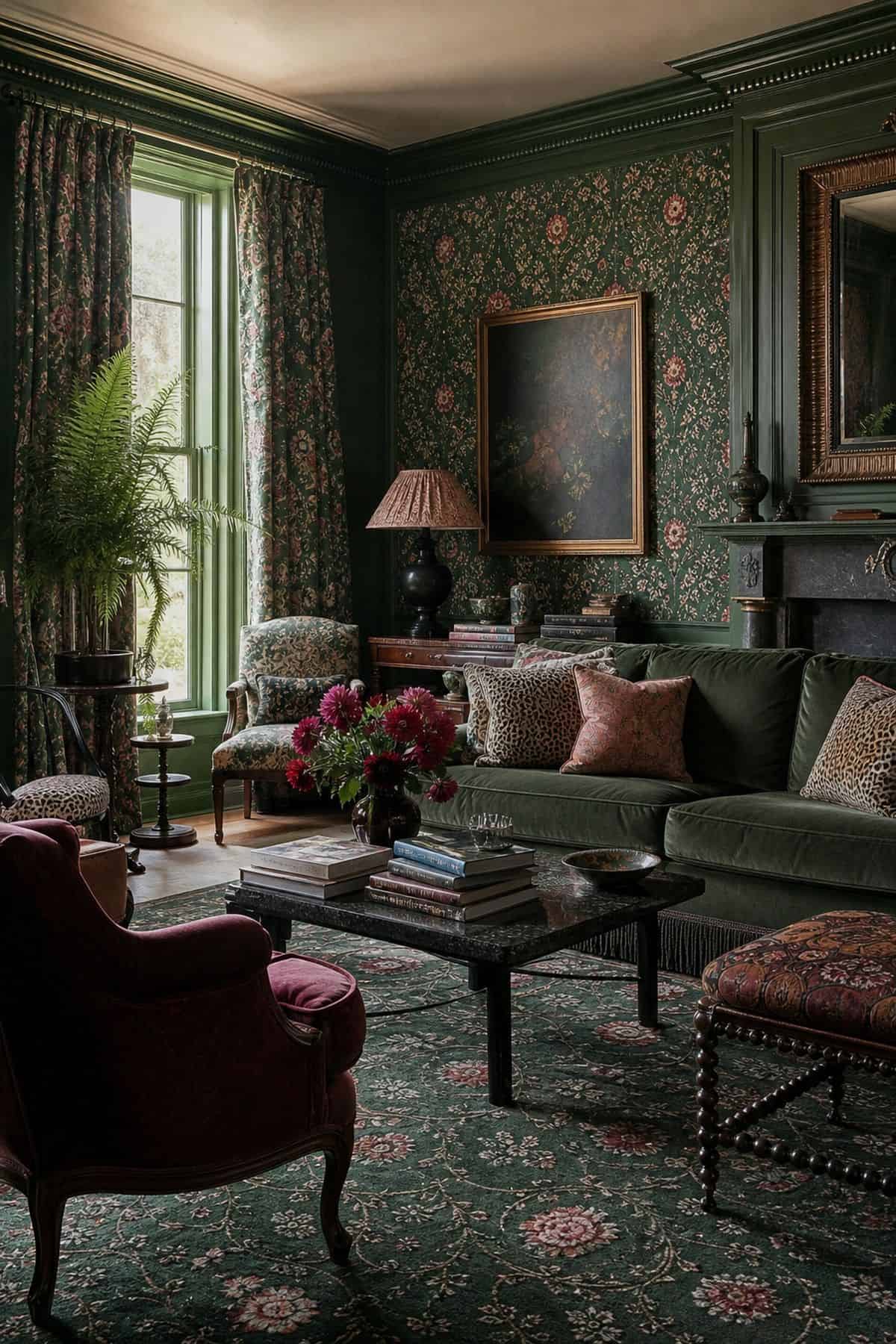

Choosing a rug that picks up the wall color or echoes the wallpaper pattern ties the room together from top to bottom. The repetition is what makes a bold maximalist room read intentional rather than scattered, the eye connects the floor to the walls and reads the whole thing as one scheme. The rug is the easiest place to echo a color already on the walls, and doing it deliberately is the difference between a room that feels designed and one that just feels full.
14. An Animal-Print Rug
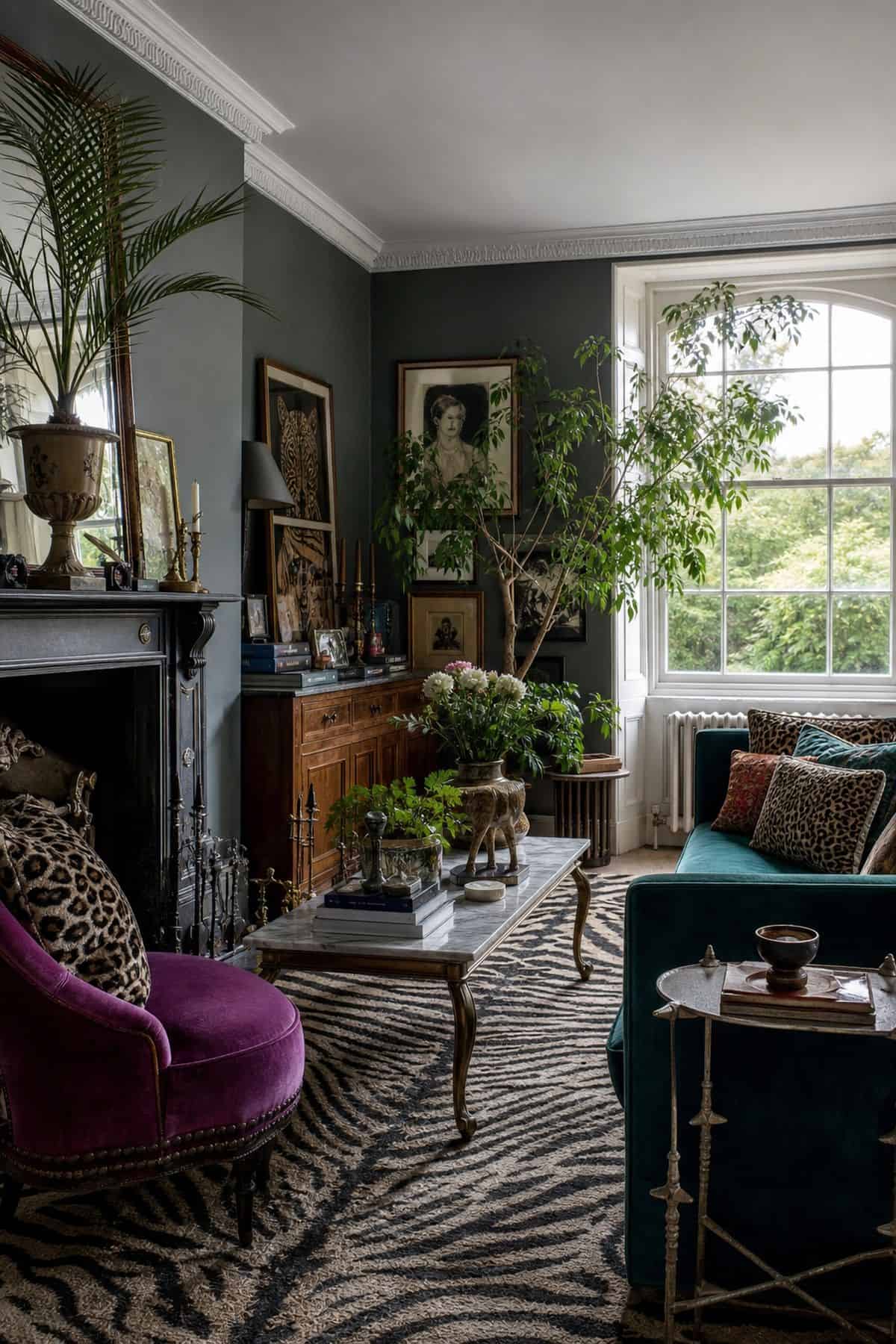

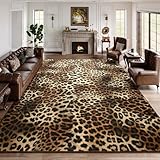

Leopard, zebra, and other animal prints act almost as neutrals in a maximalist room, they read as pattern but go with nearly everything you put near them. A bold animal-print rug or runner adds energy and pairs surprisingly easily with florals and geometrics, because the eye treats the print as texture rather than a competing motif. It is the secret-weapon maximalist rug, bold enough to count as a statement, easygoing enough to never clash.
15. A Saturated Solid Rug
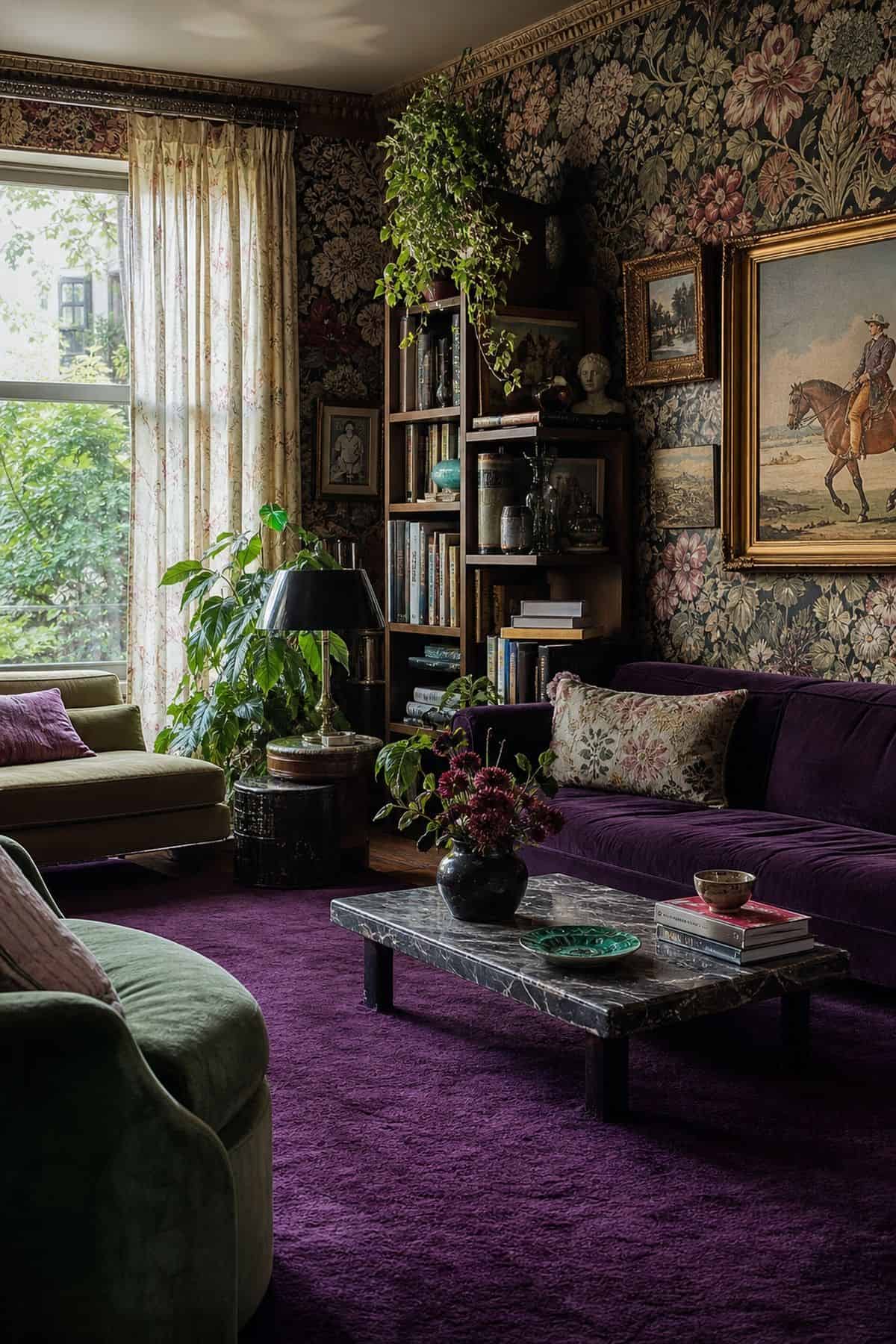
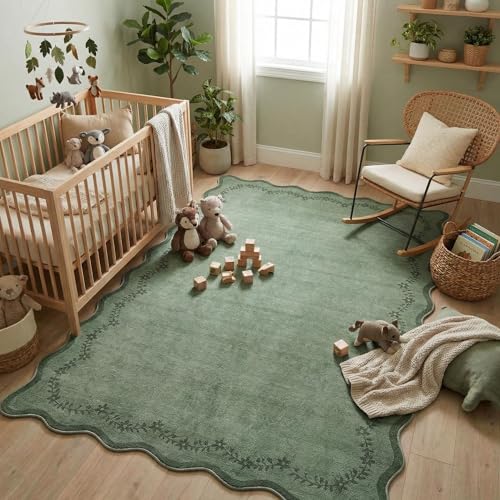


Not every maximalist rug needs pattern to count as maximalist. A rug in one deep saturated color, emerald, plum, burnt orange, adds a bold block of color while giving a heavily patterned room a large, calm place for the eye to rest. It is the maximalist rug for a room that already has plenty of pattern on the walls, the furniture, and the pillows, where one more busy surface would tip the space into chaos but a rich solid grounds it.
Want the rug to tie into the whole room?
The Aesthetic Apartment Makeover Guide breaks the whole home down room by room, so every space ties into one cohesive scheme. Worth every penny at $17, and the price goes up to $27 soon.
How to Layer Maximalist Rugs
Three habits keep layered rugs reading rich rather than messy. First, vary the scale. Put a larger, calmer rug on the bottom and a smaller, bolder one on top, so the two pieces have a clear relationship instead of competing. A big jute base under a smaller patterned rug is the reliable starting combination.
Second, keep the colors connected. The two rugs do not need to match, but they should share at least one color so the layering reads deliberate. Third, anchor the layout, let the furniture sit partly on the rugs so they feel built into the room rather than floating. A maximalist floor layered this way adds real depth. For more of the layered-room approach, our maximalist living room ideas show rugs working in context.
Frequently Asked Questions
What is a maximalist rug?
A maximalist rug is a bold pattern and color statement that works as a main design element rather than a quiet base. Vintage Persians, large florals, graphic geometrics, kilims, and saturated solids all qualify, as long as the rug steps forward and connects to the room’s palette.
Can you layer rugs in a maximalist room?
Yes, layering rugs is a core maximalist move. Put a larger, calmer rug like jute on the bottom and a smaller, bolder one on top, keep at least one shared color between them, and let the furniture sit partly on the rugs so the layout feels anchored.
What rug pattern is most maximalist?
Vintage Persian rugs are the maximalist classic for their deep color and intricate, aged pattern. Bold florals, graphic geometrics, colorful kilims, and patchwork rugs are all strongly maximalist too. The key is bold pattern or color presence that ties into the rest of the room.
How do I do maximalist rugs on a budget?
Buy vintage Persians and kilims secondhand, where bold rugs are often far cheaper than new ones. Use an affordable jute base for layering, choose a washable bold rug for high-traffic rooms, and start with a patterned runner before committing to a full-room rug.
How do I match a bold rug to bold walls?
Choose a rug that echoes at least one color from the walls or wallpaper, so the room reads connected top to bottom. If the walls are heavily patterned, a saturated solid or color-block rug can balance them, and if the walls are a solid deep color, a patterned rug picking up that color works well.
Key Takeaways
- A maximalist rug is a bold pattern or color statement that works as a main design element, not a quiet neutral base.
- The 15 ideas range from vintage Persians and bold florals to color-block, kilim, patchwork, and saturated solid rugs.
- A maximalist rug should echo at least one color from the walls, sofa, or art so the floor reads as part of the scheme.
- Layer rugs by varying scale, keeping a shared color, and anchoring the furniture partly on top for real depth.
- Size up, an undersized rug is a common mistake, and buy vintage secondhand to do bold rugs affordably.
Final Thoughts
A maximalist rug does more work than almost any other piece in the room, it grounds the layout, carries a major block of pattern, and ties the scheme together from the floor up. Choose a rug bold enough to step forward, make sure it echoes a color already in the room, size it up, and layer it if you want extra depth. Done right, the rug is what makes a maximalist room feel finished. For the rest of the space, the maximalist color palette guide and the maximalist home decor guide cover color and every-room styling in full.