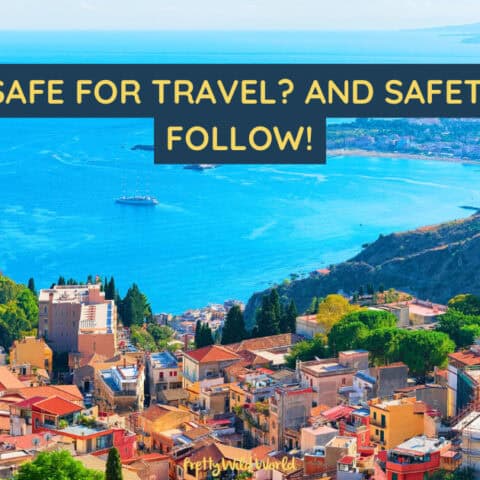
Find out about the ins and outs of travel insurance for Europe. Learn how to choose the right plan, understand coverage, and file a claim if needed.
Traveling is one of the most exciting experiences one can have in life. It opens us up to new cultures, people, and places that we may have never explored. However, whenever we leave our home country, there are always risks involved.
This is where travel insurance comes in. It’s a safety net for travelers that provides coverage against unexpected events while on a trip. If you’re planning a trip to Europe, it’s important to understand what travel insurance entails and why it’s necessary.
While Europe is generally considered safe for tourists, accidents and emergencies can happen anytime. With travel insurance in place, you can enjoy your trip with peace of mind knowing that you’re protected if something goes wrong.
Travel insurance for Europe covers many scenarios while traveling within European countries. From medical emergencies to lost luggage or trip cancellations due to unforeseen circumstances, different travel insurance plans cover different aspects of your travels based on their scope and your needs.
The key thing here is understanding the purpose of travel insurance and getting the right type of coverage as per your plans and activities during your trip. So before heading to Europe, ensure you have comprehensive travel insurance in place – it’s an essential investment for any traveler!
🛏️ Book your hotel ahead of time to get the best deals, click here to find the best hotels to stay!
🧳 One of the best way to explore a new destination stress-free is through guided tours! Check this out to find the best tours at affordable prices.
Do you need help planning your trips? Start here!
❗️Be insured before your trip and get a SafetyWing FREE insurance quote
📚 Read our post about why you should always have insurance
✈️ Find out how to find cheap flights using Skyscanner or find deals now
🛌🏻 Book your accommodation through Booking.com
🎭 Find awesome and hassle-free tours through GetYourGuide
🚘 Explore Europe on an epic road trip with Discover Cars
Importance of having travel insurance while traveling
When planning a trip to Europe, it’s easy to get caught up in the excitement of booking flights, researching hotels, and mapping out sightseeing itineraries. However, one aspect of travel planning often overlooked is travel insurance. Many travelers question whether they need travel insurance while on vacation, but the truth is that having travel insurance can make all the difference in an emergency.
One of the most important reasons to have travel insurance while traveling in Europe is for medical emergencies. While we all hope for a safe and healthy trip, accidents and illnesses can happen anytime.
If you were to fall ill or get injured while abroad, medical expenses could quickly pile up and leave you with a hefty bill. With the right travel insurance plan, you can rest assured that you’ll be covered for unexpected medical expenses.
Another reason why having travel insurance is important when traveling in Europe is that it provides coverage for trip cancellations or interruptions. If something unexpected happens at home before your trip and you must cancel your plans, travel insurance can help reimburse the costs of non-refundable tickets or reservations.
It also provides coverage if your trip gets interrupted due to unforeseen circumstances like severe weather or natural disasters. Travel insurance gives you peace of mind knowing that if something goes wrong on your trip – like lost luggage or stolen passports – you’ll have assistance available 24/7.
Traveling abroad can be stressful enough without added worries about unforeseen expenses or emergencies. Comprehensive travel insurance coverage ensures you have access to support around the clock from your insurer’s assistance team should anything go wrong during your European adventure.
All in all, there are many reasons why having travel insurance while traveling in Europe is important. From unexpected medical expenses to trip cancellations and interruptions to providing peace of mind while abroad – investing in a good policy ensures that travelers can enjoy their European getaway with confidence and security, knowing they’re protected from the unexpected.
Why get a travel insurance for Europe
When planning a trip to Europe, it’s important to consider getting travel insurance. Travel insurance for Europe is a type of coverage that provides financial protection against unexpected events that could disrupt your trip or result in costly expenses. It’s similar to other types of travel insurance but tailored specifically for European travel.
Most travel insurance providers offer comprehensive plans that cover a range of expenses and incidents, such as medical emergencies, trip cancellations, lost or stolen baggage, and more. These plans can be customized to fit the specific needs of your trip and can vary in cost depending on factors such as trip length, coverage limits, and deductibles.
Travel insurance for Europe typically covers medical expenses and emergencies. If you were to become ill or injured while traveling in Europe and needed medical attention or hospitalization, your policy would cover the costs.
This is especially important when traveling abroad because many health insurance policies only provide coverage in your home country. Another benefit of travel insurance for Europe is its coverage for trip cancellations and interruptions.
Suppose you must cancel or cut your trip short due to unforeseen circumstances such as illness, natural disasters, or political unrest. In that case, your policy will reimburse you for eligible non-refundable expenses like flights, hotels, or tours. Overall, travel insurance for Europe provides peace of mind knowing that you’re protected against unexpected events that could ruin your vacation.
It ensures you can handle expensive bills and stay in an unfamiliar country with assistance. With so many benefits at an affordable cost compared to the potential risks associated with traveling without adequate coverage- getting insured before departure should be a no-brainer!
The purpose and benefits of travel insurance
Traveling can be one of the most enjoyable and memorable experiences in life. However, it is important to consider that things sometimes go differently than planned while on vacation, and unforeseen events can lead to expensive and frustrating situations. This is where travel insurance comes in handy.
Travel insurance aims to protect travelers against financial losses or unexpected emergencies that may occur during their trip. One of the most significant benefits of travel insurance is that it provides peace of mind.
Knowing that you are covered in case something goes wrong can take a weight off your shoulders and allow you to fully enjoy your journey without worrying about what could happen. From medical emergencies to lost luggage or trip cancellations, having travel insurance means you won’t have to deal with unexpected expenses alone.
Another benefit of travel insurance is that it can save you money in the long run. While purchasing an insurance policy may seem unnecessary initially, considering the potential costs of medical treatment or flight cancellations without coverage puts things into perspective.
With travel insurance, you pay a manageable premium upfront to protect you from far more expensive bills later on if something goes wrong. Travel insurance provides additional assistance while traveling abroad beyond just financial protection.
Travel assistance services are often included with policies providing 24-hour access to customer service representatives who can help with various issues, such as lost passports or emergency medical transport. Sometimes, these services also offer translation assistance and referrals for local medical care if needed.
Overall, the purpose and benefits of travel insurance are clear: offering peace of mind while traveling by providing financial protection against unforeseen circumstances and additional support when needed abroad. Before embarking on any journey overseas, it’s essential to consider purchasing a comprehensive policy tailored specifically for your trip’s needs so that you can enjoy your travels knowing that if anything happens, you’re covered!
Hold up! Have you thought about the importance of travel insurance?
Remember this: anything can happen. Travel is fun, but your health is more important; thus, I always, always, always recommend getting insured during the duration of your trip. I have benefitted from having one multiple times, and it has been covered for thousands of euros!
The latest one is not necessarily “health” related – it was during the peak of the unspeakable terrible C that consumed the world. I was living in Vietnam when I received an email from SafetyWing (my travel insurance) that if I want they’ll fly be back home to Finland as the world goes through a global emergency alert. I flew back fully covered, and dealing with SafetyWing was a breeze despite the roar of people in contact with them trying to get back home.
I can’t highly recommend them enough. Otherwise, I rarely get sick; hence I don’t always need to head to a hospital, but knowing that I have travel insurance makes me feel safe at the very least.
Read my post about why you should get travel insurance for more information. Otherwise, you can get a free quote from SafetyWing – they’re the best, in my opinion.
Types of travel insurance plans available for Europe

Regarding travel insurance for Europe, a few different options are available depending on your specific travel needs. Here’s a breakdown of the travel insurance plans you can choose from:
Single trip insurance
When planning a trip to Europe, it’s essential to consider your travel insurance options. One of the most common types of coverage is single-trip insurance. As the name suggests, this policy covers a single trip and usually provides coverage for a specified duration, typically between 1 and 31 days.
Single-trip insurance policies offer comprehensive coverage against various unforeseen events during your travels, such as medical emergencies, cancellations or interruptions, lost or stolen luggage, and personal liability. The level of coverage can vary from policy to policy and provider to provider.
Still, you can expect single-trip travel insurance to provide peace of mind while exploring the captivating cities and towns across Europe. Many travelers opt for single-trip insurance because it offers flexibility regarding duration and destinations covered.
Whether you’re going on a weekend getaway to Paris or embarking on an extended backpacking adventure through several European countries, there’s likely a single-trip policy that will meet your needs. Additionally, purchasing individual policies for each trip is often more cost-effective than investing in an annual multi-trip plan if you only travel once or twice yearly.
When shopping around for travel insurance providers who offer single-trip plans for Europe, it is crucial to evaluate different factors such as cost, benefits included in each plan’s fine print, and add-ons that may be available for extra protection. By comparing different options available using comparison websites or talking directly with customer service reps from leading providers such as Allianz Global Assistance or World Nomads Travel Insurance, travelers can make more informed decisions regarding their travel plans and find the most suitable policy at a fair price point that fits their specific needs while not breaking the bank.
Multi-trip insurance
If you’re a frequent traveler to Europe, multi-trip travel insurance might be your best option. This policy covers multiple trips within a year, making it more convenient and cost-effective than buying separate single-trip policies. Here’s what you need to know about multi-trip insurance:
Firstly, the coverage period for multi-trip insurance usually ranges from 90 days to 365 days, depending on the provider. This means that once you purchase your policy, you have coverage for all your trips during the coverage period.
You don’t need to worry about buying a new policy whenever you travel. Some providers even offer unlimited trips within the coverage period.
Secondly, multi-trip insurance typically includes all the same coverages as single-trip policies – medical emergencies, trip cancellation/interruption, travel delay/missed connections, baggage loss or delay, etc. However, there may be limitations on specific coverages such as pre-existing medical conditions or adventure sports. It’s important to note that while multi-trip insurance can save you money in the long run if you’re a frequent traveler to Europe (or anywhere else), it may not be suitable for everyone.
Single-trip policies might still be more cost-effective if your trips are sporadic or less frequent than once every few months. It’s worth doing some calculations and comparing different options before deciding.
Long-term travel insurance
Long-term travel insurance covers travelers spending extended periods in Europe, typically longer than 30 days. This type of insurance is ideal for individuals or families planning to live, work, or study abroad in Europe. One of the benefits of long-term travel insurance is that it provides an affordable alternative to more expensive health insurance plans offered by universities or employers.
With long-term travel insurance, policyholders can enjoy comprehensive medical coverage at a fraction of the cost. Moreover, long-term travel insurance can offer trip cancellation benefits that cover non-refundable expenses, such as rent or tuition fees.
When selecting a long-term travel insurance plan, it’s important to consider the length and nature of one’s stay in Europe. For instance, if you’re planning to work abroad for six months but will also be traveling frequently to other countries during weekends and holidays, you may opt for a customizable plan that includes coverage for adventure sports or pre-existing medical conditions.
On the other hand, if you’re staying in one location and don’t foresee any significant risks associated with your trip, you may choose a basic plan with lower premiums. In addition to medical and trip cancellation coverage, long-term travel insurance plans can offer personal liability protection in case of accidental damage or injury caused by the policyholder.
This type of coverage can be especially important for those renting apartments or working with equipment that could potentially cause harm to others. Long-term travel insurance can provide peace of mind for travelers staying in Europe for an extended period while offering customizable and affordable options tailored to individual needs.
Customized travel insurance plans
Regarding travel insurance for Europe, one size does not fit all. That’s where customized travel insurance plans come in. These plans allow travelers to tailor their coverage to their needs and preferences, providing more personalized and comprehensive protection.
Customized travel insurance plans can be a great option for travelers with unique situations or requirements not covered by standard policies. For example, if you’re planning an adventure-packed trip that includes extreme sports like bungee jumping or skydiving, you may need additional coverage for these activities.
Or, if you have a pre-existing medical condition that requires ongoing treatment, you may want to include coverage for medical expenses related to your condition. Another advantage of customized travel insurance plans is that they allow you to choose the level of coverage you need for different categories, such as medical expenses, trip cancellation/interruption, baggage loss/delay, and personal liability.
This means you can prioritize the areas where you need the most protection and adjust your coverage limits accordingly. When choosing a customized travel insurance plan, it’s important to work with an experienced provider who can help guide you through the process.
They should help you assess your needs and recommend the best options based on your budget and preferences. Be sure to compare different policies carefully before making a final decision, and pay attention to any exclusions or limitations in the fine print.
Customized travel insurance plans offer flexibility and peace of mind for travelers heading to Europe. By tailoring your coverage to your specific needs and priorities, you can enjoy your trip without worrying about unexpected mishaps or expenses ruining your adventure.
Hold up! Have you thought about the importance of travel insurance?
Remember this: anything can happen. Travel is fun, but your health is more important; thus, I always, always, always recommend getting insured during the duration of your trip. I have benefitted from having one multiple times, and it has been covered for thousands of euros!
The latest one is not necessarily “health” related – it was during the peak of the unspeakable terrible C that consumed the world. I was living in Vietnam when I received an email from SafetyWing (my travel insurance) that if I want they’ll fly be back home to Finland as the world goes through a global emergency alert. I flew back fully covered, and dealing with SafetyWing was a breeze despite the roar of people in contact with them trying to get back home.
I can’t highly recommend them enough. Otherwise, I rarely get sick; hence I don’t always need to head to a hospital, but knowing that I have travel insurance makes me feel safe at the very least.
Read my post about why you should get travel insurance for more information. Otherwise, you can get a free quote from SafetyWing – they’re the best, in my opinion.
What travel insurance for Europe typically covers

Medical expenses and emergencies
When planning a trip to Europe, it’s important to consider the possibility of any medical emergencies that may occur during your stay. Medical expenses can be extremely costly in Europe and quickly increase if you need adequate travel insurance coverage. This is why ensuring that your travel insurance plan includes coverage for medical expenses and emergencies is essential.
Accidents can happen anytime, whether you’re traveling for leisure or business. In case of a medical emergency during your European vacation, your insurance will cover the cost of necessary medical treatments, including hospitalization, surgery, and medication.
You can also access emergency services such as ambulance transport or evacuation if needed. With proper coverage, you could avoid paying out of pocket for these expensive services.
When choosing a travel insurance plan that covers medical expenses and emergencies, it’s important to consider the extent of the coverage provided. Some policies may limit their coverage based on age or pre-existing conditions.
Be sure to carefully read the policy details to understand what is covered and what is not before purchasing it. In addition to medical expenses associated with accidents or emergencies during your trip, some plans also cover emergency dental care and repatriation in case of death while abroad.
Knowing that you are covered in case anything unexpected happens can give you peace of mind while traveling in Europe. So make sure to prioritize this aspect when selecting a travel insurance policy!
Trip cancellation and interruption
When planning a trip, it’s important to consider the possibility of having to cancel or interrupt your travel plans. Life is unpredictable, and sometimes things that are out of our control happen, such as medical emergencies, natural disasters, or unexpected work obligations. This is where trip cancellation and interruption insurance comes in handy.
Trip cancellation insurance covers pre-paid, non-refundable expenses if you have to cancel your trip for a covered reason. Covered reasons typically include unforeseen illness or injury, death of a family member or traveling companion, weather-related issues like hurricanes or blizzards, jury duty or military service obligations, and more.
Remember that not all cancellation reasons are covered by all policies. Trip interruption insurance covers expenses incurred when you have to cut your trip short for a covered reason.
Covered reasons often include illness or injury while on the trip, the death of a family member back home requiring you to return earlier than planned, natural disasters causing missed connections or delayed arrivals, and more. It’s important to note that most travel insurance companies require you to purchase trip cancellation and interruption insurance within a certain period after making your initial deposit on the trip (often within 14-21 days).
Also, make sure that the coverage amount is enough to cover any non-refundable deposits you’ve made for transportation, accommodations, and other activities on your itinerary. By purchasing this type of coverage, you can avoid losing thousands of dollars if something unexpected happens before or during your travels.
Travel delay and missed connections
Travel delays and missed connections are common occurrences, especially when traveling long distances. This is where travel insurance can come in handy. With the right policy, you can be compensated for any expenses incurred due to unforeseen delays or missed connections.
Travel delay coverage typically provides reimbursement for additional accommodation and transportation expenses that may arise due to a covered delay. So, suppose your flight is delayed due to weather conditions or mechanical issues, for example, and you must spend an extra night in a hotel or purchase a new ticket to your destination. You can file a claim with your travel insurance provider in that case.
On the other hand, missed connection coverage provides reimbursement for any additional transportation expenses that may arise if you miss your connecting flight or train due to a covered event. For instance, if your first flight is delayed and you miss your connecting flight. As a result, you would have to pay for another ticket out of pocket.
But with missed connection coverage under your travel insurance policy, those costs could be reimbursed. It’s important to note that each travel insurance provider has different terms and conditions regarding their travel delay and missed connection coverage.
Always read through the policy details carefully before purchasing any plan. Also, remember that there may be certain exclusions or limitations on this type of coverage – such as only covering delays caused by specific events like bad weather or strikes – so make sure you understand those as well.
Baggage loss or delay
One of the most common mishaps during travel is baggage loss or delay. It can be stressful to arrive at your destination without your luggage. That’s why having travel insurance that covers this scenario can give you peace of mind.
Most standard travel insurance plans for Europe typically include baggage loss or delay coverage. Baggage loss coverage reimburses you for the value of your lost luggage and personal belongings up to a certain limit, usually ranging from $500 to $3000, depending on your chosen plan.
If your luggage is delayed, you may also be eligible for compensation to cover immediate expenses, such as purchasing clothes and toiletries while waiting for your bags to arrive. To claim baggage loss or delay, you must provide proof of ownership and the value of lost or delayed items.
It’s a good idea to keep receipts or take photos of your belongings before traveling as evidence. You should also report any lost or delayed bags immediately upon arrival to the airline and obtain a written report from them.
It’s worth noting that some credit cards also offer baggage protection, but they may cover less than a dedicated travel insurance plan. Additionally, suppose you’ve purchased expensive items, such as cameras or laptops, before traveling. In that case, it’s essential to know if they’re covered by your credit card or travel insurance policy in case they get lost or stolen during transit.
Passport or travel document loss
Losing your passport or other travel documents is one of the most common problems during a European trip. In addition to the frustration and inconvenience of losing an essential document, you need a proper backup plan to avoid ending up stranded in a foreign country without being able to return home. Fortunately, many travel insurance plans for Europe offer passport or travel document loss coverage.
Suppose your passport or other important travel documents are lost or stolen during your trip. In that case, it’s crucial to report the incident immediately and obtain a new document as soon as possible. Most insurance providers require policyholders to submit proof of loss and file a police report within 24 hours of discovering the loss.
Remember that replacing lost passports can be costly, so choosing a plan with adequate coverage limits is important. In addition to covering the cost of replacing lost passports or visas, some travel insurance plans also provide emergency assistance services, such as arranging for expedited replacement of lost documents or providing translation services if needed.
Ensure you understand what kind of assistance is available through your policy and how to access it in an emergency. Having this peace of mind can make all the difference when traveling abroad.
Personal liability coverage
When considering travel insurance, we often focus on the medical and financial aspects. However, personal liability coverage is just as important when traveling abroad.
This type of insurance covers you in case you accidentally injure someone or damage their property while traveling. It can help protect you from being held responsible for costly legal fees and compensation claims.
When it comes to personal liability coverage, it’s essential to understand what it covers and what it doesn’t cover. Most policies will cover accidental bodily injury or property damage caused by the policyholder.
However, intentional acts are typically not covered. For example, if you purposefully vandalize a hotel room or physically assault another person, your policy won’t provide coverage.
It’s also important to note that personal liability coverage limits how much it will pay per incident and trip. These limits vary by policy, so check your specific plan details before purchasing.
Additionally, some policies may include exclusions for high-risk activities or sports. Read the fine print before assuming you’re covered in all scenarios.
Optional coverages, such as adventure sports or pre-existing medical conditions
Regarding travel insurance for Europe, optional coverages are available that can provide additional protection and peace of mind. Two common add-ons are coverage for adventure sports and pre-existing medical conditions. If you plan on engaging in adventurous activities like hiking, skiing, or bungee jumping during your European travels, it’s important to ensure you have the appropriate travel insurance coverage.
Many standard travel insurance plans exclude sports injury coverage or offer limited protection. However, some providers offer optional adventure sports coverage that can provide additional protection in case of an unexpected injury or accident while participating in these activities.
It’s also important to consider pre-existing medical conditions when purchasing travel insurance for Europe. If you have a pre-existing condition such as diabetes, asthma, or heart disease, you may need additional coverage to ensure you’re protected while traveling abroad.
Some insurers offer coverage specifically designed for individuals with pre-existing medical conditions. Alternatively, some companies may offer a waiver of pre-existing condition exclusion if you purchase their policy within a certain timeframe after booking your trip.
When considering optional coverages for your travel insurance policy, it’s important to carefully review the terms and conditions of each insurer’s offering. Some policies may have specific limitations or exclusions that could impact your ability to make a claim in certain situations.
Additionally, be prepared to pay an additional premium for optional coverages – while they can provide value-added protection, they can also increase the overall cost of your policy. Ultimately, selecting the right combination of coverages will depend on your individual needs and circumstances – but taking the time to consider optional coverages carefully is an important step towards securing comprehensive travel insurance protection while exploring Europe!
Hold up! Have you thought about the importance of travel insurance?
Remember this: anything can happen. Travel is fun, but your health is more important; thus, I always, always, always recommend getting insured during the duration of your trip. I have benefitted from having one multiple times, and it has been covered for thousands of euros!
The latest one is not necessarily “health” related – it was during the peak of the unspeakable terrible C that consumed the world. I was living in Vietnam when I received an email from SafetyWing (my travel insurance) that if I want they’ll fly be back home to Finland as the world goes through a global emergency alert. I flew back fully covered, and dealing with SafetyWing was a breeze despite the roar of people in contact with them trying to get back home.
I can’t highly recommend them enough. Otherwise, I rarely get sick; hence I don’t always need to head to a hospital, but knowing that I have travel insurance makes me feel safe at the very least.
Read my post about why you should get travel insurance for more information. Otherwise, you can get a free quote from SafetyWing – they’re the best, in my opinion.
How to choose the right travel insurance for Europe

When choosing the right travel insurance plan for your European adventure, there are a few important things to consider.
Assessing your specific travel needs
Before choosing a travel insurance policy, it’s important to assess your travel needs.
Several factors should be considered when deciding the type and amount of coverage needed. Here are some of the things to consider:
- Destination: The country or countries you plan to visit will impact the type of coverage you need. For example, traveling to a remote location with limited medical facilities may require a policy that includes medical evacuation coverage.
- Length of trip: How long will you be traveling? If it’s just a short trip, single-trip insurance may be sufficient. However, long-term travel insurance may be a better option if you’re planning an extended stay abroad.
- Type of trip: What activities do you plan? If your trip involves adventure sports or other high-risk activities, such as skiing or scuba diving, ensure your policy covers these activities.
- Medical history: If you have pre-existing medical conditions, choosing a policy that provides adequate coverage for any related medical expenses that may arise during your trip is important.
- Budget: Budget is always an important consideration when choosing travel insurance. Take some time to compare policies and providers to find one that fits within your budget while providing the necessary coverage for your needs.
Considering these factors can help ensure that you choose the right travel insurance policy for your specific needs and circumstances. Remember to read through all terms and conditions carefully before purchasing any policy so there are no surprises down the road!
Comparing different insurance providers and their offerings
When choosing the right travel insurance for Europe, comparing different insurance providers and their offerings is crucial. With so many options, navigating through the different coverage types, limits, and deductibles can be overwhelming. However, by researching and comparing, you can find a plan that meets your specific needs and budget.
One important factor to consider when comparing travel insurance providers is the type of coverage offered. Some plans may only cover medical emergencies, while others provide more comprehensive coverage, including trip cancellations or interruptions, lost baggage or documents, and personal liability.
It’s important to assess your specific needs before choosing a plan so that you can select one that provides adequate protection. Another important consideration when comparing travel insurance providers is the plan’s cost.
The premiums for travel insurance plans can vary widely depending on the type of coverage provided and other factors such as age and length of travel. Be sure to get quotes from several different providers so that you can compare pricing for similar levels of coverage.
Also, remember any deductibles or copays that may apply to the plan, as these costs can add up over time. When comparing travel insurance providers, it’s also helpful to read reviews from other travelers who have used their services.
Look for reviews that specifically mention claims experiences, as this will give you a good idea of how easy or difficult it may be to file a claim with a particular provider in case something goes wrong during your trip. By doing your research and comparisons ahead of time, you’ll be able to confidently choose a travel insurance provider, knowing that you have found the best option for your needs and budget.
Reading customer reviews and testimonials
When choosing the right travel insurance for Europe, reading customer reviews and testimonials is essential in the decision-making process. While insurance providers may boast about their offerings and benefits, hearing from customers who have used their services can give you a more realistic idea of what to expect.
One way to find customer reviews is by checking out the provider’s website or social media pages. Most companies feature feedback from satisfied customers on their homepage or in a dedicated review section.
However, remember that these reviews may be curated or edited for marketing purposes, so take them carefully. Another option is looking for independent online review platforms like Trustpilot or Yelp.
These websites allow users to leave detailed reviews and ratings on various service providers, including travel insurance companies. You can filter the results by location, product type, or rating to find relevant feedback from other travelers who have been in similar situations as you.
Reading positive and negative reviews can give you a balanced perspective on the insurer’s strengths and weaknesses. Feel free to contact fellow travelers or online communities for recommendations and advice on travel insurance providers.
Forums such as Reddit’s r/travel often have threads dedicated to discussing different types of travel insurance plans and experiences with specific companies. Asking for personal recommendations from people you trust helps narrow your options and decide which provider best suits your needs.
Reading customer reviews and testimonials is an important step in selecting the right travel insurance for Europe. By doing so, you’ll gain valuable insights into insurers’ reputations, customer service quality, claims handling process, and overall performance based on first-hand experiences of other travelers like yourself.
Evaluating coverage limits, deductibles, and exclusions
Evaluating coverage limits, deductibles, and exclusions is crucial in choosing the right travel insurance for Europe. When comparing different insurance providers, it’s important to understand what their policies cover and what they don’t.
This information can be found in the policy documents or by speaking with a representative from the insurance company. Coverage limits refer to the maximum amount of money an insurance company will pay for a specific type of claim.
For example, if your travel insurance policy has a medical expense coverage limit of $50,000 and you incur $60,000 in medical bills due to an accident or illness while traveling in Europe, you would be responsible for paying the remaining $10,000 out of-pocket. It’s important to choose coverage limits that are appropriate for your needs and budget.
Deductibles are another factor to consider when evaluating travel insurance coverage. A deductible is the amount of money you must pay out of pocket before your insurance policy begins to cover any expenses.
For example, suppose your travel insurance policy has a $500 deductible for medical expenses, and you incur $1,000 in medical bills while traveling in Europe. In that case, you must pay the first $500 before your insurance kicks in. Choosing a higher deductible can lower your monthly premium but may result in higher out-of-pocket costs later.
Exclusions are specific situations or events not covered by your travel insurance policy. It’s important to carefully read the list of exclusions before purchasing a policy to understand what scenarios might not be covered.
For example, many standard travel insurance policies only cover pre-existing medical conditions if they have been declared and approved beforehand by the insurer. Overall, understanding coverage limits, deductibles, and exclusions is key to evaluating European travel insurance – which can greatly affect how much protection travelers have during their trip to enjoy peace of mind knowing they are covered.
The importance of understanding policy terms and conditions
It is important to remember that not all travel insurance policies are created equal. You should carefully read and understand each policy’s unique terms and conditions before purchasing.
These terms outline what is covered when it is covered, and any limitations or exclusions that may apply. Coverage limits are among the most critical information to understand within a policy.
Coverage limits refer to the maximum amount of money an insurer will pay for a specific type of claim. For example, a policy with a limit of $50,000 for medical expenses means that if your medical bills exceed $50,000 while traveling in Europe, you would be responsible for paying the difference out of pocket.
Understanding these limits can help you decide which policy best suits your needs. In addition to coverage limits, it’s also essential to understand any exclusions or limitations within your policy.
Exclusions refer to specific situations or circumstances where your coverage may not apply. For instance, many policies exclude coverage for injuries sustained while participating in extreme sports or activities like bungee jumping or skydiving.
Meanwhile, limitations refer to situations where certain types of coverage may only be provided up to a particular amount or under specific conditions. Take note of any required documentation when filing a claim with your insurance provider.
Some providers require specific forms or documents filled out before they will process your claim fully. Ensure you have access to all necessary paperwork before leaving on your trip to quickly submit claims if needed.
By reviewing the terms and conditions of your travel insurance policy carefully, you can ensure that you’re protected in cases where something goes wrong while traveling in Europe. Don’t hesitate to ask questions about anything unclear – it’s always better to be safe than sorry!
Hold up! Have you thought about the importance of travel insurance?
Remember this: anything can happen. Travel is fun, but your health is more important; thus, I always, always, always recommend getting insured during the duration of your trip. I have benefitted from having one multiple times, and it has been covered for thousands of euros!
The latest one is not necessarily “health” related – it was during the peak of the unspeakable terrible C that consumed the world. I was living in Vietnam when I received an email from SafetyWing (my travel insurance) that if I want they’ll fly be back home to Finland as the world goes through a global emergency alert. I flew back fully covered, and dealing with SafetyWing was a breeze despite the roar of people in contact with them trying to get back home.
I can’t highly recommend them enough. Otherwise, I rarely get sick; hence I don’t always need to head to a hospital, but knowing that I have travel insurance makes me feel safe at the very least.
Read my post about why you should get travel insurance for more information. Otherwise, you can get a free quote from SafetyWing – they’re the best, in my opinion.
Schengen Visa and travel insurance requirements

If you plan to travel to Europe, you’ve heard of the Schengen area. This group of 26 countries has abolished border controls between each other, making travel within the area much easier. However, if you’re a non-EU citizen, you must obtain a Schengen Visa before entering any of these countries.
And as part of the visa application process, one of the requirements is having valid travel insurance for Europe. So what exactly does this mean?
Explaining the Schengen area and visa requirements
If you’re planning to travel to Europe, knowing about the Schengen area and visa requirements is important. The Schengen area comprises 26 European countries that have abolished internal borders, allowing free movement. This means that if you enter one Schengen country, you can travel to any other country without showing your passport again at the border.
Some of the countries in the Schengen area include France, Spain, Italy, Germany, and Portugal. You’ll need a valid visa or residence permit to enter the Schengen area as a non-European citizen.
The type of visa you need will depend on your nationality and the purpose of your visit. For example, if you’re traveling for tourism purposes and plan to stay for less than 90 days within six months, you’ll typically need a Schengen Visa.
On the other hand, if you’re traveling for work or study purposes or plan to stay longer than 90 days in six months, you’ll likely need a different type of visa. One important thing to note is that when applying for a Schengen Visa, you’ll usually be required to provide proof of travel insurance that meets certain minimum requirements.
This is because travel insurance can help cover unexpected medical expenses or emergencies while traveling in Europe. The minimum requirements for travel insurance coverage vary by country but generally include coverage for medical emergencies with a minimum coverage amount of €30,000 (about USD 33,500).
It’s always best to check with the consulate or embassy of the country where you plan to apply for your visa regarding their specific requirements. Understanding the Schengen area and visa requirements is crucial when planning your trip to Europe.
Ensure you have all necessary documentation before leaving home and consider purchasing travel insurance that meets minimum requirements as part of your preparation process. Doing so lets you enjoy your travels with greater peace of mind and avoid any unexpected issues or expenses.
Minimum travel insurance coverage required for Schengen Visa
When traveling to the Schengen area, having valid travel insurance that meets the visa requirements is essential. The Schengen Visa is a type of visa that allows travelers to enter and move freely within the 26 participating countries in Europe.
To obtain this visa, you must prove that you have adequate travel insurance for your stay. The minimum travel insurance coverage required for a Schengen Visa is €30,000, equivalent to US dollars.
If necessary, this coverage should include medical expenses, emergency hospital treatment, and repatriation. Additionally, it should cover any expenses related to your repatriation due to illness or death.
It’s important to note that travel insurance policies with lower coverage limits will not meet the requirements for a Schengen Visa. Therefore, before purchasing any travel insurance plan, ensure it meets these minimum requirements.
Provide proof of valid travel insurance to ensure you can enter the Schengen area. When applying for a Schengen Visa, purchasing travel insurance with a minimum coverage limit of €30,000, equivalent to US dollars, is crucial.
This will ensure that you meet the visa requirements and avoid any issues at border control. Be sure to carefully read your policy documents and understand what your plan covers before embarking on your European adventure!
Tips on how to find Schengen-compliant travel insurance
When planning a trip to Europe, one important thing to keep in mind is the Schengen Visa requirement. To obtain this visa, travelers must have a valid travel insurance policy meeting certain criteria.
Here are some tips on how to find Schengen-compliant travel insurance. First and foremost, make sure the insurance provider you choose offers policies specifically designed for Schengen Visa applicants.
Some companies may claim they offer travel insurance for Europe, but their policies may need to meet the minimum requirements for a Schengen Visa. Next, pay close attention to each policy’s coverage limits and benefits.
The minimum coverage required by the Schengen area is €30,000 for medical expenses and emergency repatriation. However, opting for higher coverage limits’s always a good idea.
Another important factor to consider is the duration of coverage. Ensure your policy covers your entire European stay without any gaps or lapses.
Some policies only provide coverage for a specific number of days or may require you to purchase additional coverage if your trip lasts longer than anticipated. Read reviews and testimonials from other travelers who have purchased Schengen-compliant travel insurance from the same provider you’re considering.
This can give you valuable insight into their experiences with claims processing and customer service. By following these tips and doing your research beforehand, you can ensure that you find a reliable and comprehensive travel insurance policy that meets all of the necessary requirements for your European adventure.
Hold up! Have you thought about the importance of travel insurance?
Remember this: anything can happen. Travel is fun, but your health is more important; thus, I always, always, always recommend getting insured during the duration of your trip. I have benefitted from having one multiple times, and it has been covered for thousands of euros!
The latest one is not necessarily “health” related – it was during the peak of the unspeakable terrible C that consumed the world. I was living in Vietnam when I received an email from SafetyWing (my travel insurance) that if I want they’ll fly be back home to Finland as the world goes through a global emergency alert. I flew back fully covered, and dealing with SafetyWing was a breeze despite the roar of people in contact with them trying to get back home.
I can’t highly recommend them enough. Otherwise, I rarely get sick; hence I don’t always need to head to a hospital, but knowing that I have travel insurance makes me feel safe at the very least.
Read my post about why you should get travel insurance for more information. Otherwise, you can get a free quote from SafetyWing – they’re the best, in my opinion.
Tips for using your travel insurance in Europe

When it comes to using your travel insurance in Europe, a few tips can help you make the most of your coverage.
Keeping important documents and contact information handy
When traveling to Europe, keeping important documents and contact information handy is essential. In case of an emergency or unexpected situation, you want to be able to access these documents quickly and easily. Here are some tips on what documents to have with you and how to keep them safe:
Firstly, make sure you have your passport with you at all times. It’s also a good idea to make a copy of your passport and carry it separately from the original document in case it gets lost or stolen.
Additionally, you should have a printed copy of your travel insurance policy and any relevant medical records, if applicable. To keep these important documents safe, consider getting a neck wallet or money belt that can be worn under your clothes.
This way, the items are hidden from view but still accessible when needed. You can also scan copies of these documents and save them in cloud storage to access them from anywhere with an internet connection.
Another important aspect is having contact information for emergency situations. Ensure you have the phone number of your travel insurance provider and any local emergency numbers in the area where you are traveling.
You should also provide someone back home with a detailed itinerary, including the names of cities or towns where you will stay overnight. Consider registering with your embassy before traveling abroad so they know where you are in case of an emergency.
This can also facilitate communication if something goes wrong during your trip. By keeping these essential documents and contact information handy while traveling in Europe, you can enjoy peace of mind knowing that you’re prepared for anything that may come up on your trip.
Understanding your policy and knowing what to do in case of an emergency
Understanding your policy and knowing what to do in case of an emergency is crucial when it comes to travel insurance. Before setting off on your European adventure, ensure you thoroughly read and understand the terms and conditions of your policy. This will help you know what is covered, excluded and under what circumstances you can file a claim.
Knowing how to use your policy in an emergency can save you from unnecessary hassles and expenses. One important aspect of understanding your travel insurance policy is knowing how to contact your provider in case of an emergency.
Ensure you have their contact information, including phone numbers for their customer service and emergency assistance teams. Keep this information with you, printed or saved on your phone or tablet.
In case of a medical or travel-related emergency during your trip, contact your provider as soon as possible. They can assist with finding a qualified medical facility or arrange transportation to the nearest one.
Depending on the severity of the situation, they can also offer other services, such as translation assistance or legal advice. Be prepared to provide them with your policy number and any relevant information about the situation so they can help you promptly and efficiently.
Understanding how to use your travel insurance policy in an emergency can make all the difference during a trip abroad. It’s important to thoroughly read and comprehend the terms and conditions of your policy before leaving home so that you are aware of what is covered and excluded.
Keeping important contact information handy can also prove invaluable in times of need. By being prepared for unforeseen circumstances during their travels, travelers can rest easy knowing they have protection against unexpected expenses or emergencies while exploring Europe!
Staying safe and healthy while traveling in Europe
Staying Safe and Healthy while Traveling in Europe While traveling to Europe can be an exciting and life-changing experience, keeping health and safety in mind is important.
Here are some tips to ensure your travels are safe and healthy: Firstly, research the places you plan to visit before you go.
This includes familiarizing yourself with local customs as well as any safety concerns that may exist. For example, pickpocketing can be a problem in certain areas of Europe, so always keeping your belongings close and aware of your surroundings is important.
Secondly, staying healthy is also crucial during travel. Bring any necessary medications or medical supplies with you on your trip.
It’s also a good idea to research local healthcare resources beforehand to know where to go in an emergency. Thirdly, staying hydrated and well-fed is essential for maintaining good health while traveling.
Try to eat balanced meals with plenty of fruits and vegetables, and drink plenty of water throughout the day. It’s also a good idea to carry snacks with you in case you get hungry while out exploring.
In addition, taking basic precautions can also go a long way toward staying safe while traveling abroad. Avoid walking alone late at night or in unfamiliar areas, and stick to well-lit streets whenever possible.
If using public transportation or ride-sharing services like Uber or Lyft, make sure that the vehicle matches the description provided on your app before getting inside. By following these tips for staying safe and healthy while traveling in Europe, you can enjoy all the wonderful experiences this continent has to offer without worrying about potential risks or health issues.
Hold up! Have you thought about the importance of travel insurance?
Remember this: anything can happen. Travel is fun, but your health is more important; thus, I always, always, always recommend getting insured during the duration of your trip. I have benefitted from having one multiple times, and it has been covered for thousands of euros!
The latest one is not necessarily “health” related – it was during the peak of the unspeakable terrible C that consumed the world. I was living in Vietnam when I received an email from SafetyWing (my travel insurance) that if I want they’ll fly be back home to Finland as the world goes through a global emergency alert. I flew back fully covered, and dealing with SafetyWing was a breeze despite the roar of people in contact with them trying to get back home.
I can’t highly recommend them enough. Otherwise, I rarely get sick; hence I don’t always need to head to a hospital, but knowing that I have travel insurance makes me feel safe at the very least.
Read my post about why you should get travel insurance for more information. Otherwise, you can get a free quote from SafetyWing – they’re the best, in my opinion.
Common misconceptions and myths about travel insurance

Common Misconceptions and Myths About Travel Insurance There are many misconceptions and myths surrounding travel insurance, which can cause some people to avoid purchasing it altogether. However, the truth is that travel insurance can provide peace of mind during your travels and offer financial protection in case of unexpected events.
In this section, we will debunk some common misconceptions about travel insurance.
Myth 1: “I don’t need travel insurance because I’m young and healthy.”
Many travelers believe they do not need travel insurance because they are young and healthy. However, accidents can happen anywhere, regardless of age or health status.
Even a minor injury or illness abroad can result in expensive medical bills or trip cancellations. Travel insurance can cover these unexpected expenses, allowing you to focus on enjoying your travels without worrying about potential financial burdens.
Myth 2: “My credit card already provides coverage, so I don’t need travel insurance.”
While some credit cards offer limited travel insurance coverage as a benefit to cardholders, it usually only covers a portion of the costs associated with certain issues such as trip cancellation or lost luggage.
It may also have strict limitations on where to use the benefits and the types of trips covered. Additionally, more than credit card coverage is needed to protect you in case of an emergency situation abroad fully.
Myth 3: “Travel insurance is expensive.”
Travel insurance costs vary depending on factors such as age, length of trip, destination(s), type of coverage selected, etc. Some premium policies with extensive coverages may appear costly upfront; however, more basic plans with essential coverages, such as medical expenses, might be quite affordable compared to what could be spent out-of-pocket if an event occurs while traveling without it.
Ultimately getting quotes from multiple providers ahead of traveling will help travelers make informed decisions based on their budget and specific needs. Understanding the truth behind travel insurance myths and misconceptions is important to ensure you get proper coverage.
Be sure to research your options thoroughly and consider purchasing a policy that provides adequate protection for your individual needs. Remember that the peace of mind of knowing that you have comprehensive coverage can make a world of difference during your travels abroad.
Hold up! Have you thought about the importance of travel insurance?
Remember this: anything can happen. Travel is fun, but your health is more important; thus, I always, always, always recommend getting insured during the duration of your trip. I have benefitted from having one multiple times, and it has been covered for thousands of euros!
The latest one is not necessarily “health” related – it was during the peak of the unspeakable terrible C that consumed the world. I was living in Vietnam when I received an email from SafetyWing (my travel insurance) that if I want they’ll fly be back home to Finland as the world goes through a global emergency alert. I flew back fully covered, and dealing with SafetyWing was a breeze despite the roar of people in contact with them trying to get back home.
I can’t highly recommend them enough. Otherwise, I rarely get sick; hence I don’t always need to head to a hospital, but knowing that I have travel insurance makes me feel safe at the very least.
Read my post about why you should get travel insurance for more information. Otherwise, you can get a free quote from SafetyWing – they’re the best, in my opinion.
How to file a travel insurance claim

Filing a travel insurance claim can be stressful and confusing, but it doesn’t have to be. Here’s what you need to know about filing a claim for your travel insurance in Europe.
The process of filing a claim and the information needed
So you’ve purchased travel insurance for your European adventure, but now you’re left wondering what to do if something goes wrong. Filing a travel insurance claim can be overwhelming, but understanding the process and having the necessary information can make it much easier. First things first, make sure you have all relevant documentation.
This includes your policy details, proof of purchase or booking (such as flight tickets or hotel receipts), and any receipts related to the incident you are claiming for (such as medical bills). Take note of the date and time of the incident, as well as any relevant contact information for individuals involved or witnesses.
Next, contact your travel insurance provider as soon as possible. Most providers have a specific claims hotline or email address that you can use to initiate the claims process.
Be prepared to provide all necessary documentation and answer any questions about what happened. It’s important to note that some claims may require additional evidence or documentation beyond what is initially provided.
For example, if claiming for a lost/stolen item, your provider may need a police report detailing the incident. If claiming for medical expenses, they may ask for further information from your doctor regarding the treatment received.
Overall, filing a travel insurance claim can seem daunting at first, but with proper preparation and communication with your provider, it should be a straightforward process. Remember to keep all relevant documentation handy throughout your trip so that if an incident does occur, you are ready to file quickly and efficiently.
Tips for a smooth claim process
Tips for a smooth claim process: Filing a travel insurance claim can be daunting, but it doesn’t have to be. Here are some tips to help ensure a smooth claim process.
First and foremost, be prepared. Before traveling, ensure you have all the necessary policy information readily available.
This includes your insurance company’s name, policy number, and any contact numbers or email addresses you may need when filing a claim. Remember to keep important documents such as receipts and medical reports safe if needed later.
Next, act quickly. If something goes wrong during your trip and you must file a claim, start the process before returning home.
Call your insurance provider as soon as possible and report the issue while still abroad if possible. The longer you wait, the more difficult it may be for your insurer to verify the facts of the incident.
When filing a claim, make sure that you provide accurate and detailed information about what happened. Be honest about all preceding events – even those that may not seem relevant – as this helps avoid misunderstandings later.
Also, remember to keep copies of any supporting documentation, such as police reports or hospital bills. Feel free to ask questions or seek assistance from your insurer’s customer service team.
They can guide you through the claims process step-by-step and answer any questions or concerns you may have along the way. By following these tips for a smooth claims process, travelers can minimize stress during a difficult time while ensuring they get reimbursed for their expenses according to their plan terms and conditions.
Dealing with potential claim denials and disputes
Dealing with potential claim denials and disputes can be a frustrating experience for travelers who have purchased travel insurance. Sometimes even if you have a valid claim, your insurance provider may deny it or dispute the coverage.
Here are some tips to help you handle these situations: Firstly, always read and understand your policy terms and conditions before filing a claim.
Take note of the coverage limits, exclusions, and deductibles. Check if your situation falls within the scope of coverage provided by your travel insurance plan.
If you are unsure about anything, contact your insurer to clarify any doubts. If you receive a claim denial from your insurer, don’t panic.
Many insurers have an internal appeals process for denied claims that you can go through to challenge their decision. The appeals process may involve submitting additional information or documents to support your claim or speaking directly with a customer service representative.
If you still need help resolving the issue through the appeals process, consider seeking external assistance from third-party organizations such as consumer advocacy groups or regulatory authorities overseeing your country’s insurance industry. It’s important to note that in some cases, disputes are inevitable despite all efforts made by both parties involved in the claims process.
If this happens, it’s advisable to consult with a legal professional who specializes in insurance law to help resolve any disputes and protect your rights as an insured traveler. Remember not to give up on getting what is rightfully yours – always fight for fair treatment!
Hold up! Have you thought about the importance of travel insurance?
Remember this: anything can happen. Travel is fun, but your health is more important; thus, I always, always, always recommend getting insured during the duration of your trip. I have benefitted from having one multiple times, and it has been covered for thousands of euros!
The latest one is not necessarily “health” related – it was during the peak of the unspeakable terrible C that consumed the world. I was living in Vietnam when I received an email from SafetyWing (my travel insurance) that if I want they’ll fly be back home to Finland as the world goes through a global emergency alert. I flew back fully covered, and dealing with SafetyWing was a breeze despite the roar of people in contact with them trying to get back home.
I can’t highly recommend them enough. Otherwise, I rarely get sick; hence I don’t always need to head to a hospital, but knowing that I have travel insurance makes me feel safe at the very least.
Read my post about why you should get travel insurance for more information. Otherwise, you can get a free quote from SafetyWing – they’re the best, in my opinion.
So, are you ready to get your travel insurance?

So, there you have it – our comprehensive guide to travel insurance for Europe. We’ve covered everything from why you need travel insurance to the types of plans available, what is typically covered, and how to choose the right insurance for your European adventure. It’s clear that having travel insurance is essential when traveling abroad, especially in Europe.
The potential risks and expenses associated with medical emergencies, trip cancellations, or lost baggage can be daunting without the proper protection. We hope that by reading this article, you feel more informed about why it’s important to get insured before embarking on your European journey.
We encourage all travelers planning a trip to Europe to do their research and take into account their individual needs when choosing a travel insurance plan. Remember to check if your plan meets the Schengen Visa requirements if applicable.
Remember that peace of mind during your travels is priceless; investing in travel insurance will provide just that. We want to stress the importance of being prepared for any unforeseen circumstances that may arise during your travels through Europe.
By securing appropriate travel insurance coverage before you go, you’ll be able to confidently explore, knowing you’re protected against any unexpected incidents or emergencies. Happy travels!
Summing up the importance of travel insurance for Europe
It’s hard to put a price on peace of mind, especially when traveling. That’s why travel insurance for Europe is an essential investment for anyone planning a trip across the pond. The last thing you want is an unexpected medical emergency or travel mishap to ruin your trip and leave you with hefty bills or lost belongings.
Travel insurance provides coverage and protection against these scenarios, allowing you to relax and enjoy your travels without worry. Not only is travel insurance important for the financial protection it provides, but it also offers invaluable assistance in an emergency.
Medical emergencies in foreign countries can be daunting, especially if you don’t speak the language or are unfamiliar with local healthcare systems. With travel insurance, you can get assistance navigating the healthcare system and even receive evacuation services if necessary.
Additionally, in case of a lost passport or other travel documents, most policies offer help with replacing them quickly. One of the best things about travel insurance for Europe is its flexibility – there are policies to fit every type of traveler and budget.
Whether you’re taking a short weekend getaway or an extended backpacking trip through multiple countries, there’s a policy that will suit your needs. And while many people may opt out of purchasing travel insurance due to concerns over cost, it’s important to remember that the cost of not having coverage can be much higher in case of an emergency or mishap during your travels.
All in all, purchasing travel insurance for Europe isn’t just about protecting yourself financially – it’s also about securing peace of mind so that you can fully enjoy all that this amazing continent has to offer. Don’t let unforeseen circumstances derail your European adventure – invest in proper coverage today and rest easy knowing you’re protected no matter what happens on the road!
Get insured and enjoy your European adventure with the peace of mind
Finally, I encourage all travelers to consider getting travel insurance for their European adventures. Whether you’re taking a leisurely trip through the charming countryside of France or backpacking through Eastern Europe, travel insurance can provide you with peace of mind and financial protection in case something goes awry during your journey.
With the right travel insurance policy, you can focus on enjoying your vacation without worrying about unexpected medical emergencies, lost luggage, or trip cancellations. You’ll be comfortable knowing you’re covered even in the event of unforeseen circumstances that can disrupt your plans.
So before you embark on your European adventure, take some time to research and compare different travel insurance providers and policies. Consider your unique needs and budget when selecting an option that works best for you.
By doing so, you can ensure you’re fully prepared for whatever comes your way while exploring this beautiful continent – from stunning beaches to quaint villages and bustling cities. Happy travels!
Are you on Pinterest? Pin this for later reading!