Travel Tips for Vegetarians in Europe for 2025

Discover the ultimate tips for vegetarians in Europe. We’ve covered you, from finding veg-friendly restaurants to mastering local markets.

Are you a vegetarian traveling to Europe? You’re not alone. Vegetarianism has been on the rise globally, and Europe is no exception.

However, finding vegetarian-friendly meals can be challenging depending on where you go and what you plan to do. But don’t worry – with some preparation and research, you can still enjoy a fantastic culinary experience while sticking to your dietary restrictions.

First things first: it’s essential to understand the local food culture of the country or city you’re visiting. Every region in Europe has its cuisine with unique flavors and ingredients that may differ significantly from what you’re used to at home.

For example, if you travel to Italy, expect to see plenty of pizza and pasta dishes on the menus. In contrast, Spain offers a lot of seafood options.

Understanding these differences can help you easily navigate restaurant menus and identify vegetarian or vegan options. It’s also important to note that different countries have varying degrees of acceptance for vegetarians and vegans, so it’s helpful to research beforehand which countries are more accommodating than others.

Some European countries, such as Germany or the Netherlands, have high numbers of vegetarians compared with Eastern European countries like Romania or Hungary, where meat-heavy dishes dominate restaurant menus. Doing your homework before traveling lets you know what food choices will be available when eating out in each country on your itinerary.

🛏️ Book your hotel ahead of time to get the best deals, click here to find the best hotels to stay!

🧳 One of the best way to explore a new destination stress-free is through guided tours! Check this out to find the best tours at affordable prices.

Do you need help planning your trips? Start here!

❗️Be insured before your trip and get a SafetyWing FREE insurance quote
📚 Read our post about why you should always have insurance
✈️ Find out how to find cheap flights using Skyscanner or find deals now
🛌🏻 Book your accommodation through Booking.com
🎭 Find awesome and hassle-free tours through GetYourGuide
🚘 Explore Europe on an epic road trip with Discover Cars

Empty beach with straw umbrellas, suggesting a tranquil winter European getaway.

Table of Contents

Brief overview of vegetarianism in Europe

Europe has a rich history of vegetarianism, with some countries embracing the lifestyle for centuries. For example, India’s influence on British cuisine has made vegetarianism more accepted in the UK than in other European countries. Vegetarianism is also popular in Mediterranean countries such as Greece and Italy, where fresh produce is abundant.

In contrast, countries like France and Germany have slowly adopted vegetarianism, with meat being an integral part of their traditional cuisine. However, there has been a noticeable shift towards vegetarianism across Europe in recent years, with more people choosing to follow a plant-based diet for ethical or health reasons.

Many restaurants and cafes are now offering vegetarian options on their menus to cater to this growing demand. In fact, according to a survey by the European Vegetarian Union (EVU), 10% of Europeans are now either vegan or vegetarian.

It’s important for vegetarians traveling to Europe to understand the local food cultures they will encounter. This involves researching traditional dishes and familiarizing oneself with local ingredients and cooking methods.

For example, while pasta dishes may seem an obvious choice for vegetarians traveling in Italy, many traditional sauces contain meat or fish broth. A little research can go a long way to avoid unwelcome surprises at mealtime!

Importance of being prepared and doing research to enjoy vegetarian meals

When traveling as a vegetarian, it’s essential to be prepared and do your research. Being a vegetarian can be challenging, especially when you’re in a new place with unfamiliar food options. But with some preparation and research before your trip, you can ensure you’ll enjoy plenty of delicious vegetarian meals while exploring Europe.

Firstly, start by researching the local cuisine of the country or countries you will visit. Identify typical dishes and familiarize yourself with the ingredients used in them.

This will enable you to identify vegetarian-friendly dishes or ask if they can be prepared as such when dining out. Some traditional European dishes, such as Italian Caprese salad or Greek feta cheese pie (spanakopita), are naturally vegetarian-friendly.

However, others might require some modifications to make them suitable for vegetarians. By researching beforehand and being aware of typical ingredients used in different cuisines, you can better navigate menus and confidently order food that meets your dietary requirements.

Secondly, consider researching local restaurants and cafes where you can find vegetarian-friendly options before arriving at your destination. Use online resources like travel blogs or forums where other vegetarians share recommendations for places to eat out in different cities across Europe.

Utilizing smartphone apps like HappyCow or TripAdvisor allows you to easily locate nearby vegetarian options wherever you are in Europe. Being informed about what’s available will give you peace of mind during meal times so that instead of worrying about finding something suitable on the menu, you have to decide which dish sounds most delicious!

Understanding local food cultures as vegetarians in Europe

One of the keys to enjoying vegetarian meals in Europe is understanding the local food culture. Every country has unique cuisine and traditions, and it’s important to familiarize oneself with them before traveling. This will help you find vegetarian-friendly dishes and enhance your overall culinary experience.

For example, if you’re traveling to Italy, you’ll quickly discover that pasta is a staple food in their diet. However, many traditional pasta dishes come with meat or seafood.

To enjoy vegetarian options, look for dishes like pasta alla norma (pasta with eggplant and tomato sauce), spaghetti con aglio e olio (spaghetti with garlic and olive oil), or spaghetti alle vongole veraci (spaghetti with clams). Another option is ordering pizza marinara, typically made only with tomato sauce, garlic, and oregano.

In Spain, tapas are a popular tradition involving small plates of food shared between friends. Although many traditional tapas contain meat or fish, plenty of vegetarian-friendly options are also available.

Look for dishes like patatas bravas (fried potatoes served with spicy tomato sauce), pimientos de padron (roasted peppers seasoned with sea salt), tortilla de patatas (potato omelet), or gazpacho (cold soup made from tomatoes and vegetables). By understanding the local food culture in each country you visit, you can ensure that every meal is a delicious adventure!

Familiarize oneself with local cuisine and traditional dishes

When traveling to Europe as a vegetarian, it’s essential to understand the local food culture. Each country has its unique traditional dishes, and some may be meat-heavy. However, most European cuisines have plenty of options for vegetarians.

For example, pasta dishes are an excellent option for vegetarians in Italy. You can try spaghetti with tomato sauce or garlic and olive oil (also known as aglio e olio).

In France, ratatouille is a popular dish with eggplant, zucchini, bell peppers, onions, and tomatoes. It’s a hearty vegetable stew that’s perfect for colder days.

If you’re visiting Spain, you must try the famous paella dish. Traditionally made with seafood or chicken, it can also be prepared with vegetables like artichokes and green beans.

You can try traditional potato-based dishes like pierogi or kartoffelpuffer (potato pancakes) in Germany and other Eastern European countries like Poland and the Czech Republic. Additionally, many German bakeries offer vegetarian-friendly bread options baked fresh daily.

It’s important to note that even if a dish sounds vegetarian-friendly on the menu or in its name – like Greek salad – it could contain non-vegetarian ingredients like anchovies in the dressing. Always double-check with your server about what is in each dish before ordering to avoid surprises when your meal arrives!

Finding vegetarian-friendly restaurants and cafes

When traveling to Europe as a vegetarian, finding restaurants and cafes catering to your dietary needs can be challenging. However, you can find plenty of vegetarian-friendly options with proper research and planning.

Here are some tips for finding the best vegetarian restaurants and cafes in Europe.

Doing research before traveling

Research before traveling is an important step for any vegetarian or vegan traveler. With the rise of plant-based diets and environmentally-conscious living, more resources than ever are available to help you plan your next trip. It’s crucial to gather information about the local food culture in each country you visit and options for vegetarian-friendly restaurants and cafes.

One useful online resource for finding vegetarian and vegan restaurants is HappyCow, which has a comprehensive global directory of veg-friendly eateries. TripAdvisor also provides reviews from real travelers who can give insight into what to expect from a restaurant’s vegetarian offerings.

Additionally, travel blogs and forums can be great sources of information on where to find the best veggie meals in different cities across Europe. These resources provide recommendations on where to eat and give travelers an idea of the average meal cost at different establishments.

It’s important to consider the power of local knowledge when searching for the best vegetarian options in Europe. Ask locals for recommendations – they might know hidden gems not listed on websites or guidebooks.

This approach will also help you immerse yourself in the local culture, interact with locals, and discover new cuisines that suit your dietary preferences. While language barriers may pose challenges when seeking recommendations from locals who don’t speak English, it’s still worth trying to communicate using basic phrases or apps like Google Translate or Duolingo to translate basic sentences into other languages.

Asking locals for recommendations

One of the best ways to discover delicious vegetarian meals in Europe is by asking locals for recommendations. While it’s always good to research before arriving in a new city or country, sometimes the best vegetarian options are hidden gems that only a local would know about. Whether you’re talking to your Airbnb host, hotel receptionist, or a friendly local on the street, don’t be afraid to ask for advice on where to eat.

When asking locals for recommendations, being specific about what you’re looking for is important. If you simply ask for “vegetarian food,” you may get sent to a restaurant with one or two lackluster veggie options.

Instead, ask if any restaurants in the area are known for their vegetarian cuisine or have many vegetarian options on the menu. You should also specify what kind of cuisine you’re interested in – for example, Italian restaurants often have great pasta dishes that can easily be made vegetarian.

Another tip when asking locals for recommendations is to seek out people who share your dietary preferences. For example, if you’re staying at an eco-friendly hostel with many like-minded travelers, chances are good that someone will have already scoped out all the best vegan cafes and restaurants in town.

You can also look online for local vegetarian and vegan groups or meetup events – attending one of these gatherings can help you discover great food and introduce you to new friends! Ultimately, don’t hesitate to ask around and see what kind of unique dining experiences locals can recommend – it could lead you down an unexpected path toward some truly unforgettable meals.

Utilizing smartphone apps to locate nearby vegetarian options

Your smartphone can be a valuable tool when finding vegetarian-friendly restaurants and cafes while traveling in Europe. There are many apps available that can help you locate nearby vegetarian and vegan options, as well as provide reviews and ratings from other users. One of the most popular apps is HappyCow, which has an extensive database of vegetarian and vegan restaurants worldwide.

You can search for options based on location, cuisine type, or specific dietary needs, making it easy to find something that fits your preferences. Another great app for finding vegetarian-friendly options is TripAdvisor.

While it’s primarily known for hotel and attraction reviews, TripAdvisor also has a feature that allows users to search for restaurants based on dietary restrictions. You can filter your results by price range, cuisine type, and more, making it easy to find a restaurant that fits your budget and tastes.

Additionally, the app provides user reviews and ratings to understand what others think of the restaurant before deciding. In addition to these two apps specifically designed for finding vegetarian-friendly options, many general travel apps can help locate food choices while on the go.

For example, Yelp is another popular option that allows users to search for restaurants based on filters such as price range or location. Additionally, Google Maps has a feature that lets you search for nearby businesses based on keywords like “vegetarian” or “vegan.” By utilizing these different apps during your travels in Europe, you’ll be able to easily find delicious vegetarian meals no matter where you go!

Are you planning your travels? Here’re my top travel resources!

I’m a serial planner both in life and in travel – I have bucket lists, things to do, see, and everything. So, I always love when my life is sorted easily using tools and resources that would make my general planning a little smoother and easier. Therefore, in my many years of traveling the world, I’ve seen myself returning to these travel resources repeatedly. And here I am, sharing my tips to make your life easy and breezy so you can stress less, travel heaps, and focus on the fun part of travel!

  • Booking.com – I book all my hotels through this website and don’t honestly use anything else. They always have the best prices, in my opinion.
  • Airbnb – If I’m traveling long-term to one destination, I book my flats through Airbnb.
  • Skyscanner – The best place to find cheap flights on flexible dates. I use this a lot to score cheap flights within Europe!
  • SafetyWing – Always travel insured! Never leave your home country without one. It is worth the extra money, I promise you!
  • GetYourGuide – Hands-down, the best place to find cool and unique tours if you don’t feel like winging it, and go straight to a local expert. I use this a lot in new destinations to get acquainted with the area!
  • My Pretty Wild World Travel Diary (coming soon) – A book you can write down your travel plans, create itineraries, track down your budget, and dot down memories along the way! A handy book you can keep and read later to revisit memory lane.
  • Pretty Wild World Travel Planning Printables (coming soon) – Are you a nut like me when it comes to planning? Yes? Good. My travel planning resource in one zip file is an easy-to-use printable planner that comes with tips that helps you plan your travels during the planning stage, a pre-flight checklist, an itinerary planner, and so on.

Navigating grocery stores and local markets

Navigating grocery stores and local markets can be overwhelming as a vegetarian in Europe, but with some research and know-how, you can find plenty of delicious options.

European grocery stores

When traveling to Europe as a vegetarian, it’s important to know what types of grocery stores you can expect. European grocery stores vary widely from country to country and even city to city within the same country, so it’s important to research before you go.

Generally speaking, there are two main types of grocery stores in Europe: supermarkets and local markets. Supermarkets in Europe are similar to those in many other parts of the world.

They offer a wide range of products, including fresh produce, dairy products, packaged foods, and household items. However, the layout and organization of European supermarkets can be quite different from what you’re used to at home.

For example, many European supermarkets have smaller aisles and fewer product choices than American or Canadian supermarkets. Some may also have separate sections for organic or vegetarian products – be sure to look out for these if you want the best selection of vegetarian options!

Additionally, some countries may have fewer big chain supermarkets than others; instead, they might have more small independent stores which offer an entirely different shopping experience. Local markets are another excellent option for vegetarians in Europe.

These markets typically offer a wide variety of fresh produce, including fruits and vegetables that may not be available in your home country. You can often find locally grown organic produce at local markets too!

Some local markets also sell artisanal cheeses or bread that add to any vegetarian meal. Remember that while local markets can be great places for vegetarians to shop, they’re usually only open on certain days — so plan accordingly!

Vegetarian and vegan product offerings

If you’re a vegetarian traveling through Europe, finding suitable food options could be challenging. However, with increasing awareness and acceptance of vegetarianism in recent years, many European grocery stores have started stocking a wide range of vegetarian and vegan products.

Most European supermarkets offer a decent selection of plant-based milk alternatives such as soy, almond, coconut, or oat milk. So if you want to enjoy your morning cereal or cup of coffee without dairy, plenty of options are available.

In addition, vegetable-based spreads like hummus or salsa can be found quite easily and make great additions to sandwiches or as dips for snacks on the go. If you’re looking for something quick and easy to prepare at your accommodation, most grocery stores also stock meat substitutes like tofu or seitan, which can be used in stir-fries or pasta dishes.

Remember that fresh produce is just as important when maintaining a balanced diet while traveling. European supermarkets usually offer an abundance of seasonal fruits and vegetables, which could inspire new recipes!

Tips for searching for vegetarian-friendly ingredients and products

When traveling as a vegetarian in Europe, finding suitable ingredients and products for cooking may seem daunting. However, with some helpful tips, you can find vegetarian-friendly ingredients and products to meet your dietary needs.

Firstly, it is important to research the local grocery stores before arriving at your destination. This will help you understand the available options and list items you need for meals.

Some common grocery stores in Europe include Carrefour, Tesco, Lidl, and Aldi. These stores usually have vegetarian products like soy milk, tofu, meat alternatives, and fresh produce.

Most European countries also have health food stores that offer an even wider selection of vegetarian options, such as plant-based protein powders or snacks. In some cases, ingredient labels may be in a foreign language that you must familiarize yourself with.

Therefore it’s important to get acquainted with how certain ingredient names translate into English, such as “poulet,” which means chicken in French, or “huevos,” which means eggs in Spanish. Additionally, if there are any items that you cannot find at the store or market, such as nutritional yeast or tempeh starter cultures, you may consider looking at online retailers who specialize in vegan foods. Online ordering is especially useful if you stay somewhere for an extended period since they usually deliver directly to your doorstep!

Local markets as an excellent source of fresh produce

Local markets can be a vegetarian paradise in Europe, offering abundant fresh and seasonal produce. Apart from being an excellent source of fresh fruits and vegetables, local markets also offer a great opportunity to interact with the locals and learn about their food culture.

You can find local markets in different European regions, such as farmers’ markets, flea markets, artisanal markets, and many more. These markets are not only ideal for vegetarians but also for anyone who appreciates fresh food.

You can find everything from exotic fruits and vegetables to freshly baked bread, artisanal cheeses, olives, nuts, dried fruits, herbs, spices, homemade jams, and preserves. Some of the most famous local markets in Europe include La Boqueria in Barcelona – which is known for its colorful stalls selling fresh seafood alongside fruits and vegetables – or the Mercato Centrale in Florence, where you’ll find delicious Italian delicacies like truffles or freshly made pasta dishes.

Mastering the art of communication

One of the most important aspects of enjoying vegetarian meals in Europe is mastering the art of communication. This means effectively communicating your dietary needs and restrictions to locals, servers, and chefs.

Importance of learning basic vegetarian phrases in different languages

One of the most important things to remember when traveling as a vegetarian in Europe is the Importance of learning basic vegetarian phrases in different languages. While English is widely spoken across Europe, especially in tourist hotspots, it can be incredibly helpful to know how to communicate your dietary requirements in the local language. Not only will this make it easier for you to navigate menus and make informed choices about what you eat, but it can also help you to connect with locals and gain a deeper understanding of the culture.

When learning vegetarian phrases, it’s important to start with some basics that will be universally understood. For example, “I am a vegetarian” translates roughly as “Je suis végétarien(ne)” in French or “Ich bin Vegetarier(in)” in German.

Similarly, phrases like “no meat” or “no fish” can be incredibly helpful when communicating with servers or ordering food at markets and street vendors. It’s also useful to learn phrases related to common allergens and ingredients that may not be vegetarian-friendly, such as dairy products or gelatin.

Of course, only some have time to become fluent in multiple languages before embarking on a trip around Europe, which is why several resources are available for travelers who need extra help communicating their dietary requirements. Phrasebooks and smartphone apps are great options for those who want an easily-accessible reference guide while on the go.

Additionally, many language schools offer short courses focused specifically on food-related vocabulary and conversation skills for travelers. With a bit of preparation and effort put into learning some key phrases before your trip, you can make more informed choices about what you eat while traveling Europe as a vegetarian!

Utilizing phrasebooks, smartphone apps, or language classes to master key phrases

When traveling to a foreign country, it’s essential to have some understanding of the local language. This is especially true for vegetarians, as you’ll need to communicate your dietary needs to restaurant staff or grocery store employees. Luckily, there are many resources available that can help you master key phrases in different languages.

One way to prepare for your trip is by using a phrasebook. These pocket-sized books typically contain common phrases and vocabulary organized by topic.

They can be purchased online or at most bookstores and are available in various languages. Phrasebooks are handy because they allow you to quickly look up specific words or phrases as needed.

They’re also easy to carry around with you, so you can practice on the go or refer to them during restaurant meals. Another useful tool is smartphone apps that offer translations and language learning resources.

There are several apps available for both iOS and Android devices that can help you learn key phrases in different languages before your trip. Some popular options include Duolingo, Babbel, and Rosetta Stone, which all offer interactive lessons in various languages.

Additionally, translation apps like Google Translate can help you communicate with locals by translating spoken or typed words between languages in real time. With these tools at your fingertips, mastering key phrases will be easier!

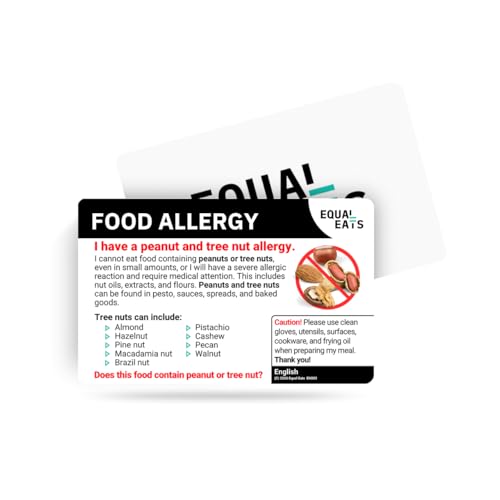
Carrying a vegetarian/vegan travel card to help communicate dietary needs

If you’re a vegetarian or vegan traveling to Europe, it’s always wise to come prepared with your dietary needs. One great way to communicate your dietary restrictions is by carrying a vegetarian/vegan travel card.

These cards are small and easy to carry around, and they can save a lot of trouble when explaining your dietary restrictions in a language that might not be your native tongue. Vegetarian and vegan travel cards are available online for free or a small fee.

Some popular websites where you can download these cards include HappyCow, VeggieTravel, and The Vegan Society. These cards come in many different languages and contain information about what foods vegetarians and vegans can eat and what types of dishes should be avoided.

They also have space for you to write down any additional information about your dietary needs or allergies. Carry this card with you during your travels so that if there is any confusion at restaurants or markets, you can simply show them the card instead of struggling to explain yourself in another language.

While these vegetarian/vegan travel cards are helpful, they may not always be enough. Try to learn some basic phrases in the local language regarding your dietary needs to communicate more effectively.

Additionally, make sure to research local cuisine before arriving so that you know what types of dishes will typically contain meat or animal products. This knowledge will help ensure that even if there is some confusion due to language barriers – which there inevitably will be – it will be good for the experience of dining out while on vacation in Europe as a vegetarian or vegan!

Hold up! Have you thought about the importance of travel insurance?

Remember this: anything can happen. Travel is fun, but your health is more important; thus, I always, always, always recommend getting insured during the duration of your trip. I have benefitted from having one multiple times, and it has been covered for thousands of euros!

The latest one is not necessarily “health” related – it was during the peak of the unspeakable terrible C that consumed the world. I was living in Vietnam when I received an email from SafetyWing (my travel insurance) that if I want they’ll fly be back home to Finland as the world goes through a global emergency alert. I flew back fully covered, and dealing with SafetyWing was a breeze despite the roar of people in contact with them trying to get back home.

I can’t highly recommend them enough. Otherwise, I rarely get sick; hence I don’t always need to head to a hospital, but knowing that I have travel insurance makes me feel safe at the very least.

Read my post about why you should get travel insurance for more information. Otherwise, you can get a free quote from SafetyWing – they’re the best, in my opinion.

Snacks and emergency meals

Importance of packing snacks for traveling

When traveling as a vegetarian, it’s always important to prepare and pack snacks. Whether you’re on a long flight or stuck in an area without many vegetarian options, having snacks on hand can make all the difference. Not only does it save you from going hungry, but it also ensures you have access to nutritious options instead of being forced into buying something unhealthy.

For plane travel, packing non-perishable snacks is essential. Options like nuts, protein bars, and dried fruit are great choices because they don’t require refrigeration and can easily fit into your carry-on bag.

If you have access to a fridge or cooler during your travels, other healthy snack options include hummus with vegetables, fresh fruit, hard-boiled eggs (if you eat them), and cheese sticks. When exploring new cities and towns in Europe, packing snacks can be beneficial when sightseeing or taking day trips where vegetarian food is unavailable.

Granola bars or small bags of trail mix are perfect for on-the-go snacking while exploring new destinations. Remember to pack reusable water bottles that can be refilled throughout your journey – hydration is key!

Suggestions for healthy vegetarian snacks

When you’re traveling, finding healthy vegetarian snacks on the go can take a lot of work. But with some planning and preparation, you can ensure you always have something nutritious and delicious to munch on.

One great option is to pack your own snacks. Some good choices include fresh fruit (think apples, bananas, and grapes), raw veggies like carrot sticks or cucumber slices, or nuts and seeds (almonds, pistachios, pumpkin seeds).

You can also make your own trail mix by combining nuts and dried fruit – just be mindful of portion sizes since these types of snacks can be calorie-dense. Another idea is to seek out local health food stores or markets.

In many European countries, shops specialize in organic produce and other healthful foods. Here you may find snack options that are healthier than what’s available at convenience stores or vending machines.

Look for energy bars made with whole food ingredients or small packets of hummus with crackers for dipping. If there’s a fridge available, grab some pre-cut veggies with dip or a container of yogurt for a protein boost.

Preparing simple meals with basic ingredients

When traveling as a vegetarian in Europe, you may not have access to a vegetarian-friendly restaurant or cafe. In these cases, it’s important to be prepared and know how to prepare simple meals with basic ingredients.

This can help ensure you don’t go hungry and continue to follow your vegetarian diet. One easy meal option is to make a sandwich or wrap.

Most grocery stores in Europe offer a wide variety of bread options, including whole grain, sourdough, and baguettes. For nutrients and flavor, you can add vegetables such as lettuce, tomato, cucumber, and avocado.

Adding protein without meat can use hummus or cheese as a spread or filling. If you are vegan or lactose intolerant, look for vegan cheese options or make nut-based cheese spreads beforehand.

Another simple meal option is pasta with vegetables. Pasta is widely available in Europe, and most grocery stores will also carry tomato sauce with herbs and spices already mixed in.

You can cook the pasta according to the package instructions and sauté some vegetables such as zucchini, bell peppers, onions, garlic, or mushrooms on the side with some olive oil until they’re soft but not too mushy – this way, they still have their texture! Mix them with the tomato sauce for an easy yet satisfying, healthy meal!

Accommodation considerations

Choosing accommodations with kitchen facilities for meal preparation

Choosing the right accommodation can be a game changer when traveling as a vegetarian. Opting for a place with kitchen facilities can save money and give you full control over your meals.

This way, you don’t have to rely solely on restaurants or cafes that may not offer enough vegetarian options. Instead, you can cook delicious and healthy meals using fresh local ingredients.

Airbnb is an excellent option for finding accommodations with kitchens in Europe. You can search for apartments, houses, or even boats equipped with everything you need to make your meals.

Many hosts provide basic cooking supplies such as pots, pans, utensils, and spices. Plus, with Airbnb’s online platform and messaging system, communication is easy, so you can ask hosts any questions about the kitchen or cooking facilities before booking the place.

Another option is to book a hostel offering communal kitchens for guests. This way, not only do you get access to kitchen facilities, but you also have the opportunity to meet other travelers from all around the world who share your dietary preferences.

Hostels generally offer basic cooking tools such as stovetops, ovens, microwaves, and fridge space where you can store groceries during your stay. It’s important to note that some hostels may not allow cooking or food storage in rooms, so check their policies before packing away any perishable goods!

Staying at eco-friendly/vegetarian-friendly hotels and hostels

When traveling as a vegetarian, staying at eco-friendly or vegetarian-friendly hotels and hostels is essential. Not only will you have access to a kitchen where you can prepare your own meals, but these types of accommodations often have a better understanding of dietary restrictions and the Importance of catering to various dietary needs. Here are some tips for finding eco-friendly/vegetarian-friendly places to stay in Europe:

Firstly, do some research before booking your accommodation. Look up reviews online or ask vegetarian travel groups on social media for recommendations.

You can also use apps like HappyCow or TripAdvisor to find hotels catering to vegetarians. It’s important to read the reviews and check if they cater to vegetarians (and not just offer one dish on their menu).

Secondly, consider staying at an eco-friendly hostel instead of a hotel. Hostels often have communal kitchens where you can cook meals using fresh produce from local markets.

Not only is this an affordable option, but it’s also a great way to meet like-minded travelers who share similar values regarding sustainability and environmentalism. Many hostels offer group activities such as yoga classes or cooking workshops that also revolve around healthy eating habits and sustainable living practices.

Embracing local vegetarian and vegan communities

Attending local vegetarian and vegan events

Attending local vegetarian and vegan events is a great way to meet like-minded people and discover new foods. Many European cities host regular vegetarian and vegan events, such as food festivals, markets, and cooking classes.

These events provide an opportunity to try new dishes and learn more about plant-based lifestyles from experts in the field. One popular event that takes place in many European cities is VeggieWorld.

This international trade fair for vegan lifestyles attracts exhibitors worldwide, showcasing products ranging from food to clothing to cosmetics. It’s a great place to explore new tastes, get inspired by healthy living ideas, and meet other vegans or vegetarians.

Another great way to connect with other vegetarians or vegans is through Meetup groups. With thousands of local groups all over Europe dedicated to plant-based living, it’s easy to find one that suits your interests.

Many of these groups organize social events such as potlucks, picnics, and dine-outs at vegetarian-friendly restaurants. Joining these groups can be an excellent way to make friends with similar interests while exploring new dining experiences in your city or town.

Attending such events can also help you discover hidden gems of vegetarian cuisine in Europe that have yet to be widely known but have a loyal following among locals who value fresh produce and culinary traditions. So don’t hesitate – check online listings for upcoming events or join a Meetup group today!

Joining online forums and social media groups for meetups and recommendations

The internet has become an incredible tool for finding like-minded people and fellow vegetarians. In Europe, dozens of Facebook groups, forums, and websites are dedicated to vegetarianism.

These online communities can be a great resource for finding meetups, potlucks, and other events surrounding plant-based eating. One such group is the Vegetarian Europe Facebook group, which has over 8,000 members from across the continent.

Members share recipes, discuss local restaurants or cafes catering to vegetarians or vegans, and organize meetups where they get together to share meals or attend food festivals. They also offer advice about traveling as a vegan or vegetarian in different European countries.

Another excellent and informative resource is the HappyCow forum which has a fantastic community of knowledgeable people who are always willing to offer practical advice on where to find good food in different cities. It’s not just Facebook groups and discussion forums that can be helpful when it comes to finding vegetarian-friendly places to eat in Europe – sites like Meetup.com allow users to search for gatherings of all kinds relating to food.

This can include potluck dinners hosted by local vegans or even informal picnics organized by individuals looking for new friends who share their dietary preferences! Joining any of these groups is not only a great way to connect with other like-minded individuals, but it can also help you discover some hidden gems when it comes to tasty restaurants serving delicious plant-based meals!

Cooking classes and workshops for vegetarian cuisine

Cooking classes and workshops can be an excellent way for vegetarians to learn about the local cuisine and prepare their own meals while traveling in Europe. These classes can offer insights into traditional vegetarian dishes from different regions and help travelers develop skills to recreate them at home. Many cooking classes are also hands-on, providing a great opportunity to learn new techniques, meet locals, and bond with fellow travelers.

Several options are available when looking for cooking classes or workshops focusing on vegetarian cuisine. One of the best ways to find these classes is by researching online before traveling.

Websites like TripAdvisor, Airbnb Experiences, and Vayable offer various options for cooking classes in different parts of Europe. Reading reviews from previous participants can also help you select the right class that matches your skill level and interests.

Many cooking schools also offer specialized courses focused on vegetarian or vegan cuisine. Students can learn to prepare dishes from classic Italian pasta dishes made with fresh vegetables or Spain’s famous gazpacho soup made exclusively with plant-based ingredients.

These courses usually include educational tours through local markets, where students can learn how to source the freshest ingredients for their recipes. Aside from learning new recipes, attending a cooking class overseas is an excellent way to immerse yourself in a new culture.

For example, taking a vegan cheese-making workshop in France allows you to discover unique techniques and connect more deeply with locals who share your passion for plant-based food. Whether a beginner or a seasoned cook, attending cooking classes when traveling abroad is an exciting way to explore local ingredients while gaining valuable culinary knowledge that may inspire healthy habits when returning home!

What are my favorite travel must-haves?

As a frequent traveler, I’ve learned a lot throughout my years of travel, and there are five items that I always carry with me regardless of where I go and how long the trip is. Here are my five travel must-haves!

  • Warm packable jacket – I always carry a light jacket, even when heading to warm countries. There hasn’t been a time I never used it, especially in airports and planes.
  • Transparent toiletry bag – I often bring a carry-on if I’m only traveling within Europe for a few days. Life is so much easier to go through security checks with a transparent toiletry bag.
  • Kindle Paperwhite – I love a good read and always take my Kindle everywhere. It keeps me entertained during long flights and waiting times.
  • Powerbank – I don’t know how I could travel without one! Having a power bank saved me a ton since I carry a lot of electronic devices with me.
  • Travel Adapter – I never leave my luggage without a travel adapter! I carry one with me all the time. It is just one of that travel-must haves that doesn’t hurt to have in your bag at all times.

Making the most of European vegetarian dishes

Finding hidden gems of vegetarian cuisine in Europe

Finding hidden gems of vegetarian cuisine in Europe is an adventure worth embarking on. Many delicious vegetarian and vegan dishes may not be as well-known as others, but they are worth seeking out.

One such hidden gem is the Spanish dish, escalivada. This dish is a typical Catalan specialty of roasted vegetables like eggplant, peppers, and onions drizzled with olive oil and served with bread.

Escalivada is incredibly flavorful and perfect for those who enjoy a smoky taste. Another hidden gem you can find in Europe’s culinary scene is the Russian beetroot soup called borscht.

This soup is made from beets, carrots, potatoes, and cabbage and is often served with sour cream. It’s a popular dish in Eastern Europe and Russia but is also available at some European restaurants.

Another lesser-known European vegetarian dish is the Turkish stuffed grape leaves known as dolma. These tasty bites are typically filled with seasoned rice or bulgur wheat mixed with herbs like parsley, dill, or mint.

They might also contain vegetables like tomatoes or eggplants, depending on the region where they’re made. Dolma can be enjoyed both hot or cold, depending on your preference, and it’s a great option for vegetarians on the go since it’s usually sold at street vendors all over Turkey.

Overall, exploring vegetarian cuisine in Europe means discovering exciting new tastes you may have yet to come across otherwise. Be bold and ask locals for recommendations or try something unusual; it might become your new favorite dish!

Enjoying local and seasonal ingredients

When traveling to Europe, one of the best ways to embrace local culture is through food. Vegetarians can enjoy this by trying out local vegetarian dishes incorporating seasonal and fresh ingredients. In many European countries, farmers’ markets offer various fruits, vegetables, and other vegetarian products that are in season.

These markets have a different atmosphere altogether compared to supermarkets as they provide an opportunity to interact with the locals and understand their food culture better. For instance, in Italy, one can find fresh produce like tomatoes, bell peppers, and eggplants, among others, in the summer months at local markets, while during winter, root vegetables like carrots and radishes dominate the stands.

Similarly, in France, where cheese is a big part of their cuisine, one can find cheese made from different types of milk like goat or sheep, depending on which region you’re visiting. It’s possible to find mushrooms in Germany and Austria during the fall months. Foraging is a popular activity during this time as well.

All these ingredients are used extensively by vegetarian chefs across Europe who create mouth-watering dishes highlighting the flavor profile of these seasonal ingredients. Apart from farmers’ markets, restaurants also use seasonal ingredients when creating their menus for the day or season, so it’s always worth checking out the “dish of the day” options at local cafes or bistros.

Even street vendors often use seasonal produce when making their dishes, so if you’re ever looking for something quick but tasty, check out what seasonal foods they may be using! By embracing local and seasonal ingredients as vegetarians in Europe, we can experience new flavors and support small-scale agriculture and regional food economies while promoting sustainability.

Embracing the European dining experience

Regarding vegetarian dining in Europe, it’s about finding the right food and experiencing the local culture and atmosphere.

Embracing the European dining experience means more than just sitting down for a meal; it’s about savoring every bite, enjoying good company and conversation, and immersing yourself in the unique ambiance of each restaurant. One of the things that set European dining apart is its slower pace.

Unlike in other cultures, where meals are often rushed, Europeans tend to take their time and savor each course. So if you’re new to vegetarianism or are new to indulging in long meals, be prepared for a leisurely dining experience.

Take your time with each dish and enjoy it slowly; this will help you appreciate all of its flavors and aromas fully. And remember to engage with those around you; chatting with locals or fellow travelers can add to your overall dining experience.

Another aspect of embracing the European dining experience is trying new vegetarian dishes unique to each country or region. While it’s easy to fall back on familiar dishes like pizza or pasta, exploring local cuisine can be an exciting adventure for your taste buds!

Some must-tries include Spanish gazpacho soup made with fresh tomatoes and peppers, Belgian waffles served with fresh fruit and whipped cream, or French ratatouille with flavorful Mediterranean herbs. Be open-minded when trying new dishes – who knows what delicious creations may surprise you!

So, traveling as vegetarians in Europe isn’t!

As a vegetarian traveling in Europe, finding suitable food options at times can be challenging, but with a little bit of preparation and research, you can still enjoy a fantastic culinary experience. You will surely have an excellent trip by understanding local food cultures, finding vegetarian-friendly restaurants, navigating grocery stores and local markets, mastering the art of communication, packing snacks for emergencies, and embracing local vegetarian communities. Remember that while it may seem daunting at first glance as a vegetarian to travel to Europe – a continent known for its meat-based cuisine – this is an incredible opportunity to discover some hidden gems of vegetarian cuisine.

Many European countries have unique takes on plant-based eating that are worth trying. Moreover, the increase in popularity of plant-based diets globally means more and more people are becoming aware of the Importance of providing options for vegetarians and vegans.

This trend is also evident in many restaurants across Europe. Traveling as a vegetarian in Europe requires extra effort and research beforehand, but it is undoubtedly possible with these tips.

Be bold and try new things regarding food – take advantage of the opportunities presented by different cuisines and local produce available across the continent. Remember that connecting with like-minded individuals within the local community can make all the difference in enjoying your travels as a vegetarian!

Are you on Pinterest? Pin this for later reading!

Get ready for your next European trip with these vegetarian travel tips! Discover the best restaurants, unique dishes, and sightseeing spots that cater to a plant-based lifestyle. Start planning today and experience all Europe has to offer!