
Europe in January 2026 is the cheapest, quietest month of the year. Flights run 30-50% under summer, cities stay calm after the holidays, and aurora viewing sits at a decade-high under the solar cycle 25 peak. The Pyrenees and French Alps had record early-January snowfall. Cyprus (12-18°C) and the Canaries (21-24°C) keep the south wearable. Pack warm and book early.
A sled track outside Rovaniemi at -22°C, headlights catching what locals call snow ghosts. Pine branches loaded white. The dogs are silent, ears forward. Above the tree line the sky opens — a green ribbon, then a curtain, then a full sheet of light bending over the horizon. The aurora forecast app on the iPhone reads KP 6. The cabin door is still 40 minutes away. This is January in Finnish Lapland.
January in Europe carries the specific weight of being the coldest European winter since 2010. Record early-January snowfall hit the Pyrenees and French Alps. The solar cycle 25 peak makes aurora viewing better than it has been in over a decade. And tucked into the calendar are two soft-power 2026 hooks — Oulu launches its European Capital of Culture programme January 16-18, and Mozart Week in Salzburg runs January 22 through February 1.
It’s also the cheapest month of the year. Flights from North America to Europe routinely 30-50% under July. Hotels in Vienna, Prague, Budapest, Lisbon 35-50% under summer. The cities are empty of tour groups; the museum lines are gone. The trade-off is the weather. Pack thermal layers like you mean it.
Saving for the Lapland aurora trip without raiding emergency funds?
The Ultimate Budget Planner gives you monthly savings targets and real winter-trip cost categories — cabin, flights, sled-tour add-ons, thermal layers — so the trip is funded before you book.
Recommended Europe January Travel Gear


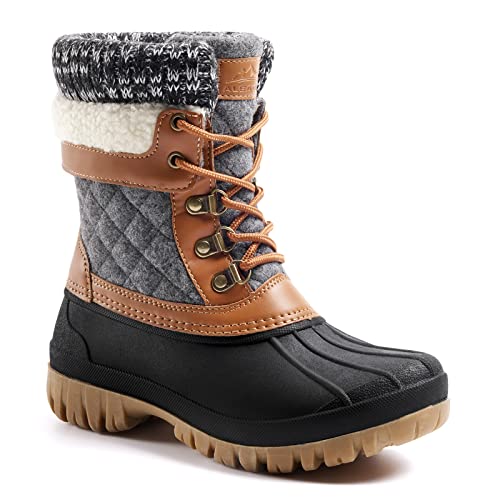


Recommended blogs to read
- Europe in December
- Europe in February
- Winter Destinations in Europe
- Best Time to Visit Europe
- Places to Visit in Iceland
Is January a Good Time to Visit Europe?
January is the cheapest, quietest month of the year for European travel. It’s also the coldest — and 2026 specifically is the coldest European January since 2010. The combination is the appeal. Travellers who do not mind the cold get the continent without crowds at a fraction of the summer price.
Flights from North America to Europe in mid-January 2026 run 30-50% under July fares. Hotels in city centres run 35-50% under their summer rates in most cities. The Louvre on a January Tuesday has a 10-minute queue; the same Tuesday in July queues run 90 minutes. Restaurants in Paris and Rome have walk-in availability in January that doesn’t exist in July.
The cold itself is the gate. Northern European capitals run cold (Berlin -1 to 4°C, Vienna -2 to 3°C). Eastern Europe goes colder (Krakow -5 to 1°C, Warsaw -4 to 1°C). Mediterranean Europe stays mild (Rome 4-12°C, Athens 7-13°C, Lisbon 8-15°C). Cyprus and the Canaries are the warm-winter Europe.
Where Is It Warm in Europe in January?
Canary Islands
Tenerife 21-24°C; Gran Canaria 20-23°C; Lanzarote 19-22°C; Fuerteventura 19-22°C. Sea temperature 19-20°C — too cold for swimming for most but workable for surfers in wetsuits. South Tenerife (Costa Adeje, Los Cristianos) gets the most reliable sun. The Canaries are essentially the only European destination where you can sunbathe in January.
Cyprus
Limassol and Paphos 12-18°C with reliable sun. Cyprus’s EU Council Presidency in H1 2026 brings extra cultural programming through the month. Sea temperature 17°C — too cool for swimming. Hiking the Akamas Peninsula at its best. Mountain villages (Platres, Omodos) in the Troodos range often have snow above 1,500m — a Cypriot ski day is genuinely possible in January.
Madeira
Funchal 16-19°C with the lushest levada-walk season after winter rain. Calheta on the south coast slightly warmer. The flower season has begun by mid-January. Hotels around 30-40% under their May-June rates. Pack for layers — coastal mild, but the laurel forest interior can be 5-8°C at altitude.
Malta and Sicily
Valletta 13-16°C with crisp sun. Sicily’s coastal cities (Palermo, Catania, Siracusa) 9-15°C. The interior much colder. Both work for a city-and-history January trip without needing a full puffer.
Where Should You Go for the Northern Lights in January?
Solar cycle 25 peaks through March 2026, making this the strongest aurora window since 2014. Auroras visible nightly (clear-sky conditions allowing) anywhere above the Arctic Circle, and frequently visible as far south as the Shetlands, the Hebrides and northern Scotland.
Rovaniemi and Finnish Lapland
Rovaniemi (Santa Claus Village on the Arctic Circle) is the easiest Lapland entry — direct flights from London, Helsinki, Frankfurt. Five-night cabin packages around €620 plus £140 round-trip flights from London. Three of five nights with aurora is the typical January return. Husky sledding, reindeer farms, ice fishing, Snow Hotel optional.
Tromsø, Norway
Tromsø sits in the aurora oval — 200 sunless days per year, polar night December-January. Boat tours into the fjords by torchlight; the Polaria Aquarium for puffin and king crab; Sami cultural experiences in Karasjok. Hotels in Tromsø itself rather than out in the dark countryside — buses run aurora chases nightly.
Iceland
Reykjavík with its longer nights (sunrise 11:20, sunset 15:40 in mid-January) makes aurora viewing convenient. Drive out from the city to escape light pollution. The Golden Circle (Þingvellir, Geysir, Gullfoss) under snow is the photographic Iceland. Note: August 12, 2026 eclipse drives summer prices up; January is the calmer, cheaper Iceland window.
Northern Scotland
The Shetlands, Hebrides and Caithness on the north Scottish mainland all sit far enough north for auroras during peak solar activity. Far cheaper than Nordic options. The downside is much higher cloud probability. Aurora alerts via the Aurora Watch UK app.
Which Cities Work for a January Break?
Vienna
The Vienna Ball Season runs January 18 to March 3 — over 450 balls, from the Vienna Opera Ball down to local engineers’ balls. Coffeehouse culture peaks. Café Central, Sacher and Landtmann run winter menus. New Year’s Concert at the Musikverein January 1 is the world-broadcast moment. Average January temperature -2 to 4°C; pack a wool coat over thermal layers.
Prague
Snow on the Charles Bridge, Old Town Square with the post-Christmas-market lights still up through mid-January. The cheapest month in the cheapest major European city. Average -3 to 3°C; gloves and a hat are needed for any morning walk. Tourist sites empty until Easter.
Madrid
Three Kings parade (Cabalgata de Reyes) January 5-6 — the major Spanish Christmas celebration falls in January, not December. Parade routes through Madrid, Barcelona, Sevilla and most cities. January 6 (Día de los Reyes) is the day Spanish children receive gifts. Madrid 2-12°C in January; bright sun most days; the museums (Prado, Reina Sofía, Thyssen) empty.
Oulu, Finland
Oulu launches as European Capital of Culture 2026 with a major opening weekend January 16-18. Sami music, ice sculpture festival, public art installations. Oulu sits 200 km south of Rovaniemi, still inside aurora-viewing latitude. Average January temperature -10 to -3°C — actually cold. The Capital of Culture programme runs the full year, but the launch weekend is the headline moment.
Where Has the Best Snow in January?
The early January 2026 snowfall in the Pyrenees and French Alps was record-breaking. Conditions across most major Alpine resorts run 15-25% above the 10-year average for January. Lift passes are at their seasonal peak (school holiday week from mid-January in most of continental Europe). Lapland snow guarantee remains near-100% as always.
French Alps
Val Thorens at 2,300m has the most reliable January conditions in Europe. Chamonix-Mont-Blanc for the Mont Blanc views. Les Trois Vallées (Méribel, Courchevel, Val Thorens linked) is the world’s largest ski area. Skip French school holiday week February 7-22, 2026 if cost-sensitive.
Swiss Alps
Zermatt (car-free, Matterhorn views, glacier skiing). St. Moritz (high-altitude, sunny, expensive). Verbier (off-piste reputation). Lift passes €70-95 per day.
Dolomites, Italy
Cortina d’Ampezzo, Selva di Val Gardena and Madonna di Campiglio. Dolomiti Superski pass covers 12 resorts and 1,200 km. Lunch terraces at altitude with views of the Tofane and Sella massifs. Pricing 20-30% under French and Swiss equivalents.
Finnish and Swedish Lapland
Cross-country skiing rather than alpine. Snow guaranteed (-10 to -25°C through January). The Ice Hotel in Jukkasjärvi rebuilt annually from January through April. Combine with husky sledding, reindeer farms and aurora chasing.
Want the exact January packing list (thermal base, glove liner, boot rating)?
The Europe Travel Checklist has the coldest-month packing capsule used personally for Rovaniemi at -22°C plus the city-break adaptation for Vienna and Prague.
What Big Events Happen in January?
Vienna New Year’s Concert, January 1
The Vienna Philharmonic at the Musikverein, broadcast to 90+ countries. Tickets via lottery the prior year — essentially impossible without years on the waiting list. Watchable in cafés and squares across Vienna; the Schönbrunn outdoor screen is the public-viewing pick.
Three Kings Day, January 6
Cabalgata de Reyes the night of January 5 — major parades in every Spanish city. Madrid’s runs through Atocha to Plaza Mayor. Barcelona’s by the port. Sevilla’s the most theatrical. January 6 is the day Spanish children receive gifts (not Christmas Day). Roscón de Reyes (the king cake with a hidden fava bean) eaten at every breakfast.
Oulu Capital of Culture Launch, January 16-18
European Capital of Culture launch weekend — major opening concerts, ice-sculpture festival, public art installations across the city. Programming runs all ; the launch is the headline event. Direct flights from Helsinki and limited service from Frankfurt and London.
Mozart Week Salzburg, January 22-February 1
Mozart’s 270th birthday year. Rolando Villazón directs “The Magic Flute” with Camerata Salzburg. Mozarteum chamber concerts run mornings. The closing-weekend Grosses Festspielhaus concert features the Vienna Philharmonic.
How Cheap Is January Compared to Summer?
January is the cheapest month for European travel. Flights from North America 30-50% under July fares. Hotels in major European cities 35-50% under summer rates. Restaurant prix-fixe menus widely available (Paris has “Cuisinier Mode d’Emploi” specials, London has Restaurant Week mid-January).
Pricing checked May 2026: Direct flight London-Lisbon round trip January 14-18 at £75; same flight July 14-18 at £210. Central Prague 4-star hotel January night £85; same hotel July night £180. Iceland car rental January week €260; July week €580.
The exceptions: European school holiday week (varies by country, generally mid-January to mid-February) pushes ski-resort rates up. Vienna Opera Ball week (around February 12) spikes Vienna rates by 60-80%. Rovaniemi and Lapland in January run a premium because of aurora demand; expect 30-50% above mainland Finland rates.
Frequently Asked Questions
Where is the warmest place in Europe in January?
Tenerife at 21-24°C — the only European destination where January sunbathing is realistic. Full Canaries chain 19-24°C. Madeira 16-19°C. Cyprus 12-18°C. Malta 13-16°C. Mainland Mediterranean cities (Rome, Athens, Lisbon) sit 7-15°C — wearable but not warm.
Can you see Northern Lights in Europe in January?
Yes, and 2026 is the strongest aurora window in over a decade — solar cycle 25 peaks through March 2026. Lapland (Finland), Tromsø (Norway), Iceland and Lofoten see auroras most clear-sky nights. Northern Scotland (Shetlands, Hebrides) gets occasional sightings during peak solar activity.
Is January cheap to visit Europe?
Yes — the cheapest month of the year. Flights from North America 30-50% under July, hotels in major cities 35-50% under summer. Restaurant prix-fixe menus widely available. The exceptions are ski resorts (peak rates) and Lapland (aurora demand premium).
Is everything open in Europe in January?
Yes — January is a normal operating month after the immediate post-New-Year week. Museums, restaurants and hotels run normal schedules. Some seasonal sites (small Greek island restaurants, Italian beach resorts) close in January and reopen for Easter. Major cities are fully operational.
Where has snow in Europe in January?
Lapland (Finland, Sweden, Norway) — snow guaranteed. Alps above 1,500m — record snow in early January 2026, conditions running 15-25% above 10-year averages. Pyrenees — record early-January snow. Carpathians (Poland, Slovakia). Northern Scotland Highlands. Cyprus Troodos Mountains (sometimes).
What events happen in Europe in January?
Vienna New Year’s Concert Jan 1; Three Kings Cabalgata de Reyes Jan 5-6 across Spain; Oulu European Capital of Culture launch Jan 16-18; Mozart Week Salzburg Jan 22-Feb 1; Vienna Ball Season Jan 18-Mar 3; Trenčín European Capital of Culture programming starts Jan 1 (year-long).
Key Takeaways
- January 2026 is the coldest European winter since 2010 — record Pyrenees and French Alps snowfall in early January.
- Solar cycle 25 peaks through March — strongest aurora window in over a decade for Lapland, Tromsø, Iceland and Lofoten.
- Cheapest month: flights from North America 30-50% under July, hotels 35-50% under summer in most cities.
- 2026 calendar hooks: Vienna New Year’s Concert Jan 1, Three Kings Jan 5-6 Spain, Oulu Capital of Culture launch Jan 16-18, Mozart Week Salzburg Jan 22-Feb 1.
Final Thoughts
January 2026 rewards the traveller who packs warm and books early. The aurora is the best it’s been in a decade, the lift lines are short, the city museum lines vanished, and Mozart’s 270th birthday is in Salzburg on January 27. Pick a Europe — Lapland for the lights, the Alps for the snow, Vienna for the balls, Cyprus for the warmth — and the January version costs less than the same trip in July.