Here is a comprehensive travel guide on Denmark holiday highlights to consider when planning a trip to the said country.
Tourists can visit Denmark during any time of the year and depending on the kind of attraction and events they want to chase. There are all sorts of reasons to frequent the country, and every month comes with unique offerings.
One can go on a mesmerizing stroll on the long sandy beaches or have a rejuvenating hike on the pristine woodlands during summer. Or chase skating memories or thrilling adventures during the winter months. There is just a wide array of activities and sights to choose from.
But to have a festive feel of the country, it’s best to visit during the holidays. It is during these times when different towns and cities conduct various occasions. Most holiday activities are centered on the Christian calendar.
Don’t miss witnessing these holiday moments.
Denmark Holiday Highlights
Christmas during the long Danish Winter
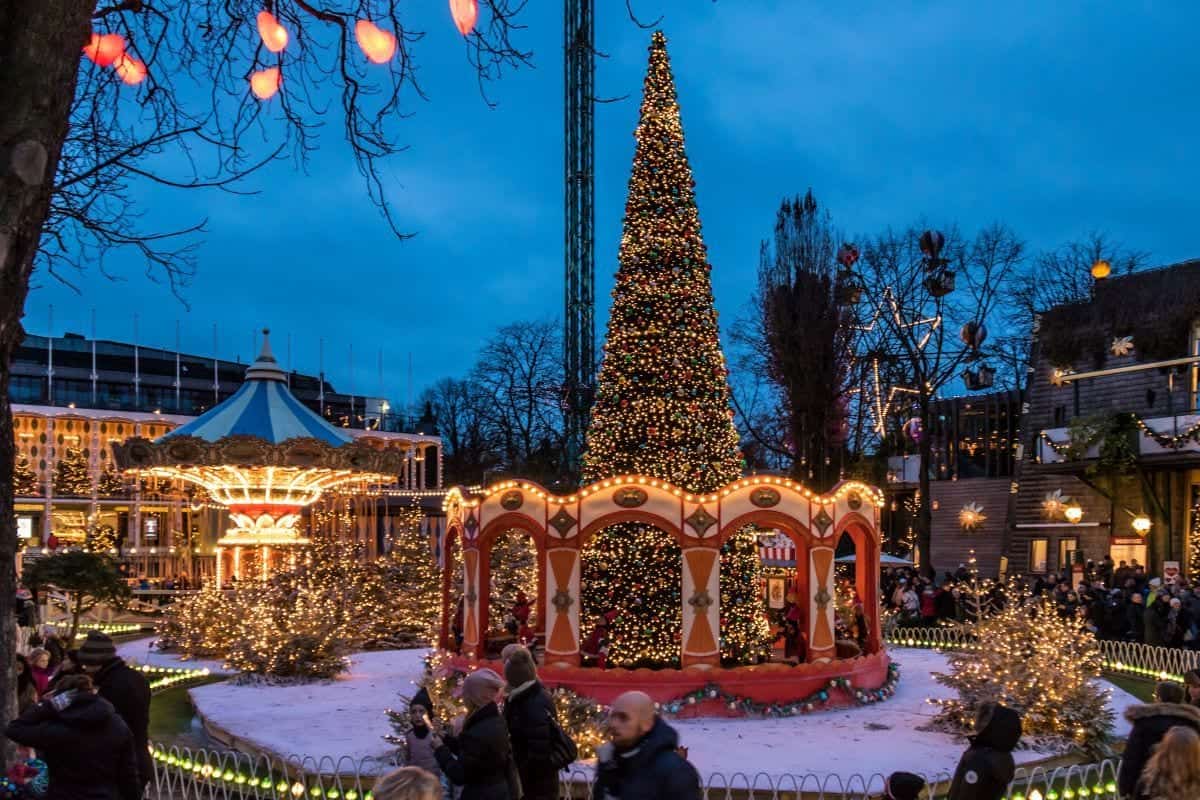
December‘s mid-weeks spell the darkest period of Denmark’s long winter as the sun only shines lightly for seven hours a day.
To bring light and joy to the darkness, the inhabitants of the Scandinavian region have been holding various winter celebrations. One of them is Christmas, which they have been celebrating before the introduction of Christianity in 958 AD.
During Christmas, colorful Christmas lights fill the streets and homes of Denmark, and many local bakeries come alive as they serve authentic Danish delicacies such as ginger cookies.
Many stalls also serve special Christmas beers, including the iconic glogg – a popular wine in Denmark made from dried fruit mixed with brandy.
December 24 is the highlight of Denmark’s Christmas celebration, and the country comes to a halt. This is because families gather at their homes to have sumptuous dinner with their families. Even the buses cease operations.
Usage of gas and electrical utilities also surge during the period as the locals turn on their ovens to roast geese, ducks, and pork. These are the main delicacies on family tables during Christmas. These come with servings of pickled red cabbage and caramelized red cabbage.
After dinner, the family then sings traditional Christmas carols while joining hands and dancing around the Christmas tree. Most Christmas trees used in Danish homes are usually Norwegian spruces with freshly lit candles and homemade decorations. Some devout Christians, especially Catholics, also attend midnight masses at a local church.
Many Danes also bring gifts to relatives on the 25th and 26th of December.
Easter and Spring Festivals

Easter in Denmark is a moving holiday because of the weather and climatic conditions. But it typically happens in March when the chilly atmosphere eases.
It also falls late in April when the Danish spring starts. One of the venues for Easter is Tivoli Amusement Park, located in downtown Copenhagen. Easter week has been the traditional kick-off period of the park since 1843.
During Easter, families of all backgrounds gather for a big lunch that can last a whole day or a whole afternoon.
Many locals, especially youngsters, participate in traditional activities such as rolling eggs downhill, going on egg hunts, and painting hard-boiled eggs in Easter colors. These are must-try activities for tourists as well.
The Danish people celebrate the Pentecost and Whitsunday, including the Great Prayer Day as part of the country’s spring holiday calendar.
Many shops close during these days, and employees are required to go for a day-off so they can spend time with families. Locals then take these as an opportunity to go exploring the countryside and enjoy their summerhouses.
May-June Holidays
Denmark commemorates the International Workers Day on May 1 as part of the global celebration to honor the labor workforce. Although most businesses open, people in the trade union movement can file for a day off work. The period, however, is a partial holiday in Denmark.
On June 5, the country partially celebrates Constitution Day. Some businesses close during the part of the day, but most shops remain open. Unlike in many Western countries, Denmark does not stage parades or other festivities to commemorate the day.
Danish missions and embassies all over the world, however, invite the locals Danish community and their local counterparts for social activities showcasing Danish principles such as human rights, democracy, and equality.
Midsummer Festival of Saint Hans

Saint Hans is more popularly known as John the Baptist and is a popular figure in Denmark, being a predominantly Christian country. The celebration of Saint Hans highlights the peak of Danish summer on the evening of June 23.
There are, however, some pagan features associated with the occasion as the locals have been celebrating it even before Christianity took roots.
During the occasion, families gather in their homes to enjoy sumptuous meals and drinks. Some then proceed to a community bonfire to share stories and enjoy each other’s company.
Most prefer to hold bonfire gatherings by Denmark’s many lakes or along the sandy beaches.
As part of an ancient tradition, an effigy of a witch is positioned on top of the bonfire, and as it burns, the participants sing Midsommevisen.
It was written in 1885 by Danish poet Holger Drachman. The witch’s effigy symbolizes all the problems or issues that the country wants to prevent. Singing the song reflects Denmark’s hope for lasting peace and progress.
New Year’s Eve in Denmark
One of the highlights of New Year‘s Eve in Denmark is the Queen’s New Year’s Speech, which is televised by 18:00. As much as possible, don’t miss it!
Everybody then tunes to listen to what the monarch has to say about the year that just passed and what lies ahead for the country. Since 1942, the New Year’s Eve Speech has been a national rallying point, signifying the time when one of King Christian X gave hope and encouragement to the Danes while under German rule.
A whole array of parties then commences when the speech ends. New Year’s Eve saw Danes dressing in their finest suits or casual wears while visiting neighbors and relatives for festive sessions. Many also proceed to nightclubs or to different bars and restaurants to enjoy the rest of the night.
Fastevlan
There are several other festivals in Denmark which are observed at the community level. These are events worth attending to get to know more about the country’s lifestyle.
Among these is Fastevlan, which involves children attempting to smash the so-called cat barrel, an open hanging cask. Modern-day cat barrels contain candies. The girl or boy who breaks the barrel open is given the title “Kat King” or “Kat Queen” of the Festival.
Saint Monten’s Day
Another less observed holiday is Saint Morten’s Day commemorated by some Danes on November 10. Saint Morten is of French descent and is known for hiding among a flock of geese to avoid being appointed as a bishop. In observance of the saint’s holiday, the Danes butches and feast on either geese or duck.
Other Danish Holiday Celebrations
Some traditions in the United States are slowly making their way to Denmark. Some of these are Thanksgiving, Halloween, and Valentine’s Day. In some towns and cities, these celebrations come with fusions of unique Danish culture and practices.
Those are just some of the Denmark holiday highlights to note when planning an itinerary to the country. Depending on which time of the year you go, expect a festive mood at some level when participating in these activities.