
Here is a list of the best Icelandic food every traveler should not miss.
Iceland is surrounded by thriving seas, so it’s no wonder that fish and seafood are a major component of Icelandic cuisine.
Traditional Icelandic food mostly revolves around lamb, potatoes, fish, bread, and dairy and expect a fusion of these key ingredients in their servings.
Icelandic cuisine dates back to the 9th century when the Norse Vikings from northern Scandinavia settled here. Thus, there is a similarity with the cuisines of countries like Norway, Denmark, and Sweden. But of course, Icelandic food has its special and unique features and flavors, especially with its fusion of ingredients.
Many cuisines from all over the world are also represented in Reykjavik and other major towns and cities. Most restaurants focus on seafood servings with emphasis on quality instead of the traditional means of cooking. Don’t miss trying this list of Icelandic food.
Top 10 BEST Traditional Icelandic Food You Must Not Miss
Kjotsupa
View this post on Instagram
Kjotsupa is a traditional lamb meat soup consisting of tougher lamb bits mixed with different Icelandic vegetables and herbs. It is best served during the colder months because of its soothing and rejuvenating effect. It is also a recommended meal for those chasing healthy options.
Svio

Svio refers to the Sheep’s head cooked the traditional way, although it has become unpopular in recent years. The majority of the Icelanders do not serve or eat Svio on a daily basis, but it still deserves a mention especially for tourists who would like to try unique servings.
Some locals acclaim the cheeks of the smoked Sheep’s head are the best meat servings to feast on.
Plokkfiskur

Plokkfiskur is a type of fish stew and is one of the traditional foods in Iceland. The main ingredient is haddock or cod fillet mixed with mashed and scrambled potatoes or a whole potato. For tourists, the dish may seem most appealing because of its Western look.
The locals, however, have been using the type of cooking for preserving leftovers. It remains a popular dish in both households and restaurants. So expect to find this dish in major towns and cities.
Hardifiskur
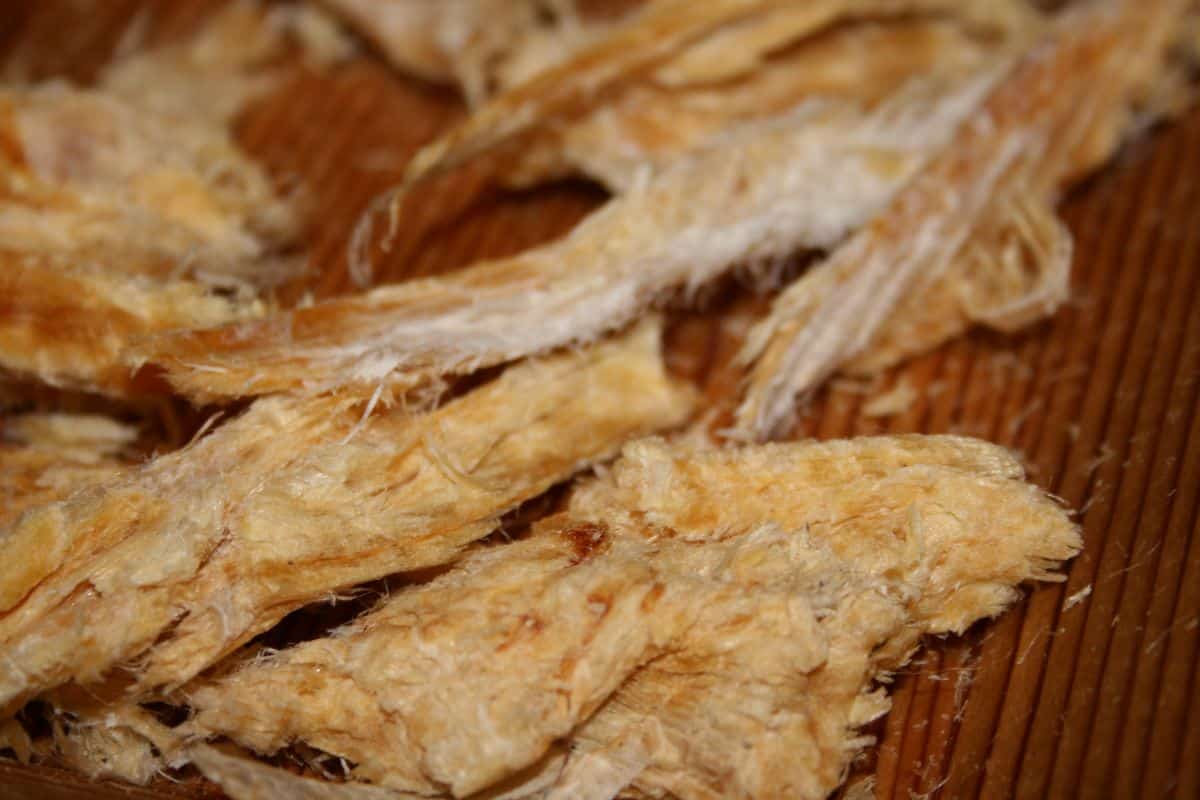
Considered a delicacy in Iceland, Hardifiskur is a can’t-miss traditional dish similar to the fish flakes in Japan. Almost every major restaurant or popular eateries serve Harofiskur.
Many visitors who try the beef jerky will also find this dish unusually tasty. It is a common snack that they will find in different street corners. To better enjoy the taste, serve it with some Icelandic butter. Make sure to eat it fast because the smell spreads quickly.
Hakarl
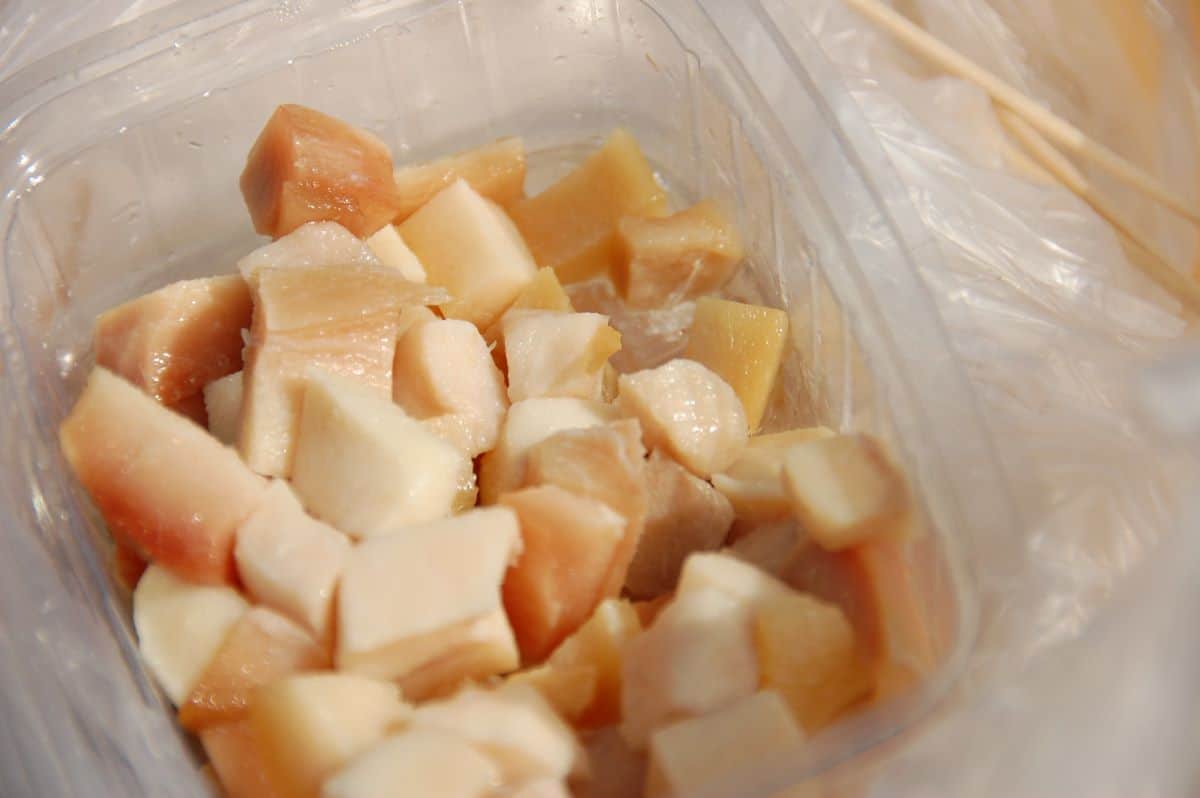
Hakarl is another traditional dish in Iceland consisting of fermented shark, primarily, sleeper sharks such as the Greenland shark. In the past, the Icelanders would bury the shark meat underground in the sand for 3 months. It is then excavated and hung to dry for another three to four months.
The modern style of fermenting it, however, is putting five to six kilos of shark meat into a box for six to nine months before being hung up for up to four months.
Many Icelanders feast on Hakarl all year round, but some tourists mentioned that it’s one of the worst foods they have ever tasted.
Some claim that the meat has an ammonia taste, while others find the hunting of sharks unacceptable, especially with their rapidly declining population. The dire reputation of shark fins, particularly in China, deter many visitors from trying it.
Icelandic Fish
As mentioned earlier, seafood and fish make up the majority of Icelandic cuisines because the country lies at the heart of a vast ocean. Fishing has been a major livelihood of the locals since time immemorial.
The surrounding seas host an estimated 340 species of saltwater fish such as Cod, Capelin, Haddok, Catfish, Greenland shark, Mackerel, Pollock, Monsh, kfiDealfish, and Lycodes.
The rivers and lakes of Iceland also yield at least three recorded species of salmon. Because of such abundance, expect the freshest seafood served in the restaurants throughout Iceland.
Hrutspungar
Another Icelandic food that tourists may find weird just like the Sheep’s head is the Hrutspungar. It literally translates to, “Sour Ram’s Testicles.” Testicles? Yes. You’ll find exactly just that served on a plate with traditional sauce and common side dishes.
It’s a must-try for those with cravings for unconventional dishes. But don’t worry. The bursting flavors will blow visitors away. And there are variations to choose from.
Pylsur

Pylsur refers to hot dogs, which are popular delicacies throughout Iceland. An Icelandic Pylsur, however, can cost 7 USD, making it relatively more expensive. In contrast, one can buy a similar kind of hot dog in Sweden for 50 cents.
Brennivin

Brennivin is Iceland’s national liquor and is more popularly known as svartidauoi or the black death in English.
The primary ingredients are potato mash and fermented grain, which are then flavored with caraway. Brennivin shows flavor similarities with Akvavit in the Scandinavian region. In English, the term literally means “burning wine.”
Skyr
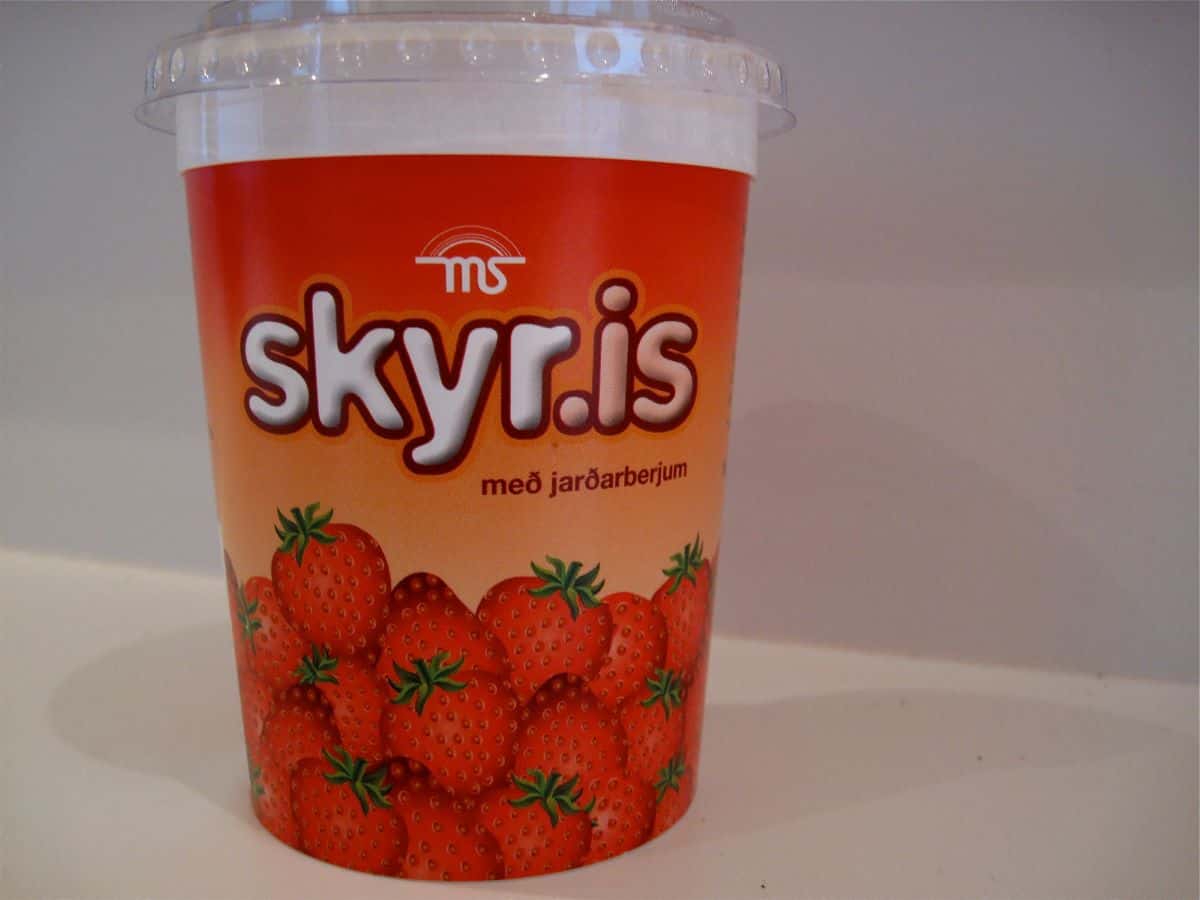
Skyr is the traditional yogurt serving in Iceland and is also one of the most popular foods in the country. Many local businesses produce Skyr, thus, it has become one of the major exports of Iceland.
What’s the good thing about it? Skyr is relatively cheaper, making it an ideal takeaway for budget travelers. There are variations of the yogurt, each containing unique herbs and fruits that are only found in Iceland.
Rugbrauo
Also known as the Dark Rye Bread from a Hot Spring, Rubrauo is one of the traditional foods of Iceland. It is popularly served with side dishes and fish cuisines. As hinted earlier, this bread is cooked from a hot spring, creating unique flavors.
Whale Meat

Whale Meat is one of the controversial foods served in Iceland, especially with global headlines citing the ecological impacts of the whaling industry. In fact, some tourists even feel disappointed when they see whales served or sold on the streets.
But whaling has been a local livelihood since time immemorial. To protect the species and preserve their population, the Icelandic Doctorate of Fisheries implemented regulating measures.
So those are some of the must-try Icelandic delicacies and cuisines. Not only will visitors taste unique flavors but also have a deeper awareness and understanding of the country’s rich cultural and historical heritage.
Do you want to travel around Scandinavia? Start here!
Can’t decide where to go? Check out these posts!
- Top 15 STUNNING Places to Visit in Scandinavia
- Top 15 BEST Places to Visit in Northern Europe
- Top 17 UNIQUE Places to Visit in the Nordics
- Northern Lights Holiday: Top 10 Destinations to Spot Aurora Borealis
- Where to See the Midnight Sun: Top 8 Places Where the Sun Never Sets
Top countries in Scandinavia
- Top 18 BEST Places to Visit in Finland
- Top 15 BEST Places to Visit in Sweden
- Top 15 BEST Places to Visit in Norway
- Top 10 BEST Places to Visit in Denmark
- Top 10 BEST Places to Visit in Iceland
Useful guides to get you started
- Tips and Tricks on How to Save Money on Accommodation
- Top 5 Tips on How to Save Money for Travel
- 15 Cheap Hostel Meals You Can Make in an Instant