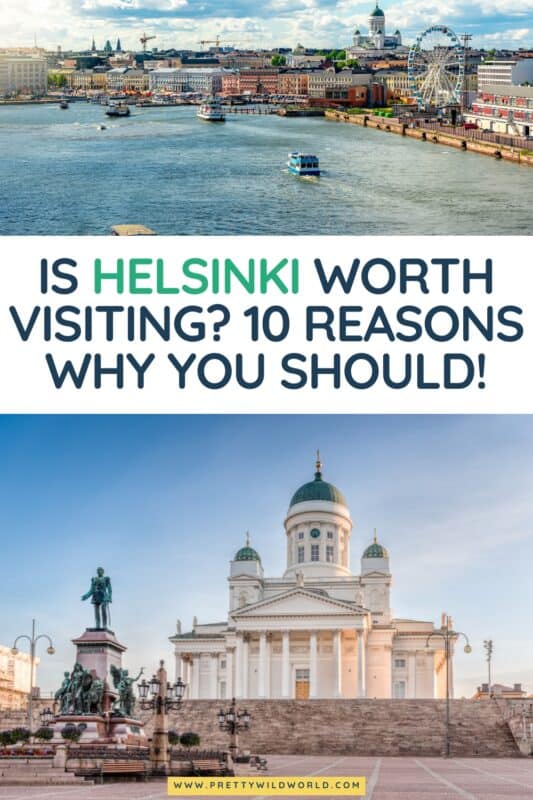
Quick Answer: Yes, with caveats. Helsinki is worth visiting if you value Nordic design, sauna culture, clean urban living, the cruise-to-Tallinn or Stockholm combination, the gateway to Lapland, or the world’s happiest country experience. Helsinki is less compelling if you prioritize warm-weather urbanism, lower pricing, or the dense old-city atmosphere of Prague, Vienna, or Rome. The realistic answer: yes for first-time Nordic visitors, design enthusiasts, sauna-curious travelers, and combination Baltic-capital travelers. The trip-shape works best at 2-3 nights as part of a wider Finland or Baltic combination rather than a single-city week-long visit.
Helsinki occupies an unusual position among European capital cities. Population 674,000 places it among the smaller European capitals; the architectural and design tradition runs deep but lacks the medieval old-city density of Prague or Vienna; the pricing runs at the upper-Nordic tier; the cultural offering runs distinctive but unfamiliar to most international visitors. The question of whether Helsinki is worth visiting depends substantially on what kind of trip you’re after.
The 12 reasons below cover the realistic case for visiting Helsinki in 2026, alongside the honest trade-offs each reason involves. The intended audience is travelers comparing Helsinki to other European capitals or weighing a Helsinki stop within a broader Nordic or Baltic trip. The realistic answer for most travelers: Helsinki works strongest as 2-3 nights within a wider Finland trip or as a stop on a Baltic-capital combination (Helsinki plus Tallinn, or Helsinki plus Stockholm), rather than as a standalone single-city week-long visit.
Helsinki gives you a different city shape than Prague, Vienna, Rome, or Paris. Less old-town density, more modernist architecture, cleaner infrastructure, substantially higher pricing, cooler weather, and smaller but well-edited museum offerings. The right traveler values these trade-offs; the wrong traveler will find southern European alternatives more compelling.
Planning the Finland trip and need a sequenced route?
The Ultimate Europe Trip Planner builds the itinerary in one editable plan.
Recommended Finland Trip Essentials
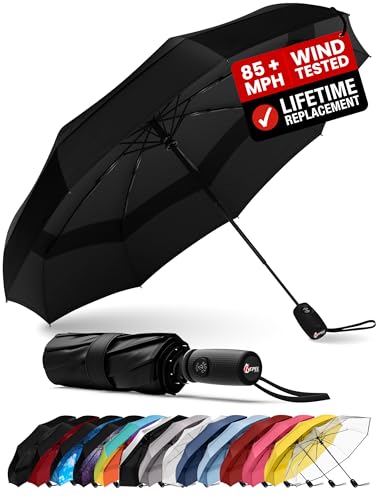
Six items worth packing for the Finland trip across cultural, city, and outdoor stops.





Recommended blogs to read:
- Best time to visit Finland
- 7-day Finland itinerary
- 10-day Finland itinerary
- Winter in Finland
- Summer in Finland
12 Items
The shortlist below covers the realistic candidates with practical context for each.
1. The Design and Architecture Tradition
Helsinki is the global Nordic design capital. The city anchors the Marimekko textile tradition, the Iittala glass tradition, the Aalto architectural and furniture tradition (including the iconic Aalto Vase), the Artek design studio, the Arabia ceramics tradition, and the broader Punavuori design district with showrooms, independent boutiques, and the Design Museum. Travelers prioritizing modernist architecture, mid-century-Nordic design, or contemporary product design will find Helsinki deeply rewarding. The Hotel Kämp heritage and the St George modern-design hotels both anchor the upper-segment design-hotel segment. The design-aware traveler runs Helsinki as one of Europe’s strongest single-city design destinations alongside Copenhagen and Stockholm.
Read also: Autumn in Finland · Spring in Finland
2. The Sauna Cultural Experience
Helsinki delivers the most-accessible international entry to genuine Finnish sauna culture. The city’s roughly 20 public saunas span the architectural-flagship Löyly, the historic 1928 Yrjönkatu swimming hall, the free volunteer-run Sompasauna, the harbor-front Allas Sea Pool, and the broader Kotiharju and Kulttuurisauna traditional venues. UNESCO added Finnish sauna culture to the Intangible Cultural Heritage list in 2020. Helsinki’s sauna scene runs more visitor-friendly than the more-traditional Lapland sauna culture and gives travelers the genuine cultural experience without needing the Lapland trip extension. For sauna-curious travelers, Helsinki runs as the realistic first-trip Finland city.
Read also: Things to do in Helsinki · Things to do in Rovaniemi
3. The Cruise Hub for Tallinn and Stockholm
Helsinki is the realistic Baltic-capital combination hub. Two daily ferry departures to Tallinn (Tallink Megastar 2 hours, Eckero Line, Viking XPRS) and one to Stockholm (Tallink Silja 17-hour overnight, Viking Cinderella) depart from the same Helsinki port complex. The Tallinn day-trip combination runs as one of Europe’s strongest single-day cross-border excursions. The Stockholm overnight-ferry adds the Sweden destination at substantially lower per-night cost than separate Stockholm city-trip. Helsinki runs as the Baltic-capital pivot city; travelers can build a 5-7 day Baltic combination from a single Helsinki anchor.
Read also: Things to do in Tampere · Where to stay in Helsinki
4. The Lapland Gateway
Helsinki is the realistic entry city for almost any Lapland trip. Direct Finnair flights run hourly to Rovaniemi (1h15) and twice-daily to Kittilä near Levi. The Santa Claus Express overnight sleeper train runs Helsinki-Rovaniemi nightly (10pm departure, 8am arrival). The combination Helsinki-plus-Lapland trip handles the country’s two-pillar visit (modern Helsinki city plus Lapland aurora and Santa) without requiring a complicated multi-airport routing. For first-time aurora travelers, Helsinki-plus-Lapland runs as the canonical 7-10 day Finland trip shape with strong onward-transit infrastructure. The Helsinki-to-Rovaniemi sleeper-train option (Santa Claus Express) gives travelers an alternative to flying that doubles as a Finnish-rail experience in its own right.
Read also: Where to stay near Helsinki Airport · Best cities in Finland
5. The Suomenlinna Sea Fortress
Suomenlinna runs as Helsinki’s UNESCO World Heritage Site and the city’s strongest single-day excursion attraction. The 18th-century sea-fortress complex spans six interconnected islands 15 minutes by ferry from the Helsinki Market Square. The site combines preserved Swedish-and-Russian-Empire-era fortifications with active residential community (around 800 residents live on the islands), multiple museums, the Suomenlinna Brewery Restaurant, and the broader walking-trail network around the fortifications. The ferry pricing runs €2.95 each-way using the standard HSL public transit. Half-day to full-day visits both work; the site runs especially strong on warm summer afternoons.
Read also: Best museums in Finland · Best cafes in Helsinki
6. The World’s Happiest Country Context
Finland has held the #1 position on the World Happiness Report every year from 2018 through 2025. Helsinki delivers the urban version of the underlying Finnish wellness and quality-of-life standards: clean tap water, low pollution, low crime, strong public infrastructure, public sauna access, the Helsinki Central Library Oodi as a model civic institution, and the broader cultural baseline of social trust and life-satisfaction. Travelers interested in urban-quality-of-life as a tourist experience find Helsinki delivers the lived version of the international Finland-happiness press coverage rather than just the abstract ranking.
Read also: Best bars in Helsinki · Best restaurants in Helsinki
7. Realistic Pricing Trade-Offs
Helsinki runs as the most-expensive Nordic capital after Oslo and substantially above southern European city pricing. A 4-night Helsinki trip at mid-range pricing runs €1,000-€1,400 per person versus €600-€900 for Prague or Lisbon. Restaurant mains run €25-€45, pints run €8-€10, museums run €15-€22. Travelers prioritizing low cost will find Prague, Budapest, Krakow, or Lisbon substantially better value. Helsinki on a budget runs achievable through hostel accommodation, supermarket food, and the Helsinki Card strategy but doesn’t reach the genuine-cheap-trip level of southern or central European alternatives. The Alko alcohol monopoly and the broader 24% VAT structure produce visible pricing premiums on alcohol, restaurant meals, and most consumer goods.
Read also: Best beaches in Finland · Lakes in Finland
8. The Limited Old-City Density Trade-Off
Helsinki lacks the dense medieval old-city atmosphere of Prague, Vienna, Rome, or even Tallinn. The city’s central architecture clusters around early 20th-century Jugendstil (Helsinki Central Station, the Kallio neighborhood), the Empire-era neoclassical (Senate Square, the Cathedral, the University area), and modernist post-1945 structures. The realistic Helsinki visit gives travelers neoclassical-and-modernist architecture rather than medieval old-town wandering. Travelers prioritizing dense historic old-city atmosphere will find the 25-minute Tallinn ferry crossing delivers a stronger old-city experience than central Helsinki itself. Travelers wanting Helsinki plus a dense-old-city experience should pair Helsinki with the Tallinn ferry day-trip; the combined 2-city visit handles both atmospheres in a single Helsinki anchor.
Read also: Islands in Finland · National parks in Finland
9. The Cool-Weather Reality
Helsinki sits at 60°N latitude with cool-temperate climate running cooler than most European tourist capitals. Summer peak (July) averages 17-22°C; winter low (January-February) averages -3 to -8°C with occasional cold snaps to -20°C. Daylight runs 19 hours at midsummer and 6 hours at midwinter. Travelers prioritizing warm-weather outdoor city eating, terrace cafe culture, or beach access will find Helsinki delivers a substantially shorter strong-weather window than Mediterranean or Western European alternatives. The shoulder seasons (May, September) run as the strongest weather-to-pricing windows for warm-weather-preferring travelers. Layered clothing, waterproof footwear, and indoor-activity planning compensate for the cool-weather reality during the autumn and spring shoulder seasons.
Read also: Best hikes in Finland · Castles in Finland
10. The Helsinki Food Scene Reality
Helsinki’s restaurant scene has improved substantially since 2010 with multiple Michelin-starred restaurants (Olo, Grön, Demo, Ora, Palace) and a stronger casual-dining culture. However, the city’s food scene runs less internationally-prominent than Copenhagen (Noma, Geranium tradition) or Stockholm (Frantzén, broader Nordic-cuisine cluster). The traditional Finnish food canon (karjalanpiirakka, lohikeitto, poronkäristys, mustamakkara) delivers a distinctive regional eating experience but runs more limited than the broader European capital food landscapes. The realistic Helsinki food strategy: 1-2 standout dinners at the Michelin-tier restaurants plus traditional-Finnish casual meals at heritage venues like Sea Horse or Lappi Restaurant.
Read also: UNESCO sites in Finland · Nuuksio National Park
11. The Compact City Walkability
Helsinki’s central tourist district runs compact enough that walking handles most major sights within a 2km radius of the central rail station. Senate Square, Esplanadi, the design district, the Old Market Hall, the Market Square, and the major museums all sit within 20-minute walks of each other. The walkability runs substantially stronger than London, Paris, or Berlin where the major sights spread across larger areas. The trade-off: the compact scale means a 2-day Helsinki visit handles most of the central tourist circuit completely, which makes longer-than-3-day stays less compelling unless using Helsinki as a base for day-trips to Porvoo, Tallinn, or Suomenlinna.
Read also: Helsinki Airport · How to get around Finland
12. Who Helsinki Is and Isn’t For
Helsinki is worth visiting for: first-time Nordic-Europe travelers wanting the Helsinki-and-Lapland canonical Finland visit; design and architecture enthusiasts wanting the Marimekko-Iittala-Aalto tradition; sauna-curious travelers wanting genuine Finnish sauna culture; Baltic-capital combination travelers anchoring a Helsinki-Tallinn-Stockholm trip; and travelers prioritizing safe, clean, functional urban environments over warm-weather Mediterranean energy. Helsinki is less compelling for: travelers prioritizing warm-weather outdoor urbanism; travelers wanting dense medieval old-city atmosphere; budget-only travelers focused on lowest-cost European destinations; and travelers wanting the spontaneous-energy southern European city experience.
Read also: Finland road trip routes · Helsinki-Tallinn ferry
Building the realistic Finland multi-city route?
The Ultimate Europe Trip Planner maps rail and flight timing in one document.
Frequently Asked Questions
Is Helsinki worth visiting?
Yes for first-time Nordic visitors, design enthusiasts, sauna-curious travelers, and Baltic-capital combination travelers. Less compelling for warm-weather-urbanism prioritizers or budget-only travelers. Works strongest as 2-3 nights within a wider Finland or Baltic trip rather than a standalone visit.
How many days do you need in Helsinki?
2-3 nights covers the core central-Helsinki tourist circuit plus Suomenlinna. 4 nights handles the Tallinn day-trip extension. 5+ nights starts duplicating effort unless using Helsinki as a base for multiple regional day-trips.
Is Helsinki better than Stockholm or Copenhagen?
Different rather than better or worse. Helsinki delivers stronger sauna culture and the Russia-influenced architectural tradition. Stockholm delivers stronger old-city density (Gamla Stan) and broader museum offerings. Copenhagen delivers stronger food scene and more visible cycling culture. All three work as Nordic capital visits.
What is Helsinki famous for?
Saunas, Nordic design (Marimekko, Iittala, Aalto), the World Happiness Report ranking, the Suomenlinna sea-fortress UNESCO site, the gateway role to Lapland and Santa Claus Village, and the cruise-hub connection to Tallinn and Stockholm. The city anchors the Finnish cultural-export tradition.
Is Helsinki expensive?
Yes, the most-expensive Nordic capital after Oslo. A 4-night mid-range trip runs €1,000-€1,400 per person versus €600-€900 for Prague or Lisbon. The Helsinki Card and supermarket-food strategy bring the budget tier down to €120-€180 per day.
Key Takeaways
- Helsinki is worth visiting as 2-3 nights within a wider Finland trip or as a Baltic-capital combination anchor.
- Best fit: design enthusiasts, sauna-curious travelers, first-time Nordic visitors, Baltic-capital combination travelers.
- Less fit: warm-weather urbanism prioritizers, budget-only travelers, dense old-town atmosphere enthusiasts.
- Cruise hub: 2 daily Tallinn ferries, 1 daily Stockholm overnight ferry from same port complex.
- Lapland gateway: hourly Finnair flights to Rovaniemi (1h15) plus Santa Claus Express sleeper train.
Final Thoughts
Helsinki is genuinely worth visiting for the right traveler. The Nordic design tradition, the sauna cultural experience, the cruise-hub access to Tallinn and Stockholm, and the Lapland gateway role make Helsinki a substantial visit destination for first-time Nordic travelers, design enthusiasts, and Baltic-capital combination travelers. The trade-offs (higher pricing, cooler weather, limited old-city density) mean Helsinki works less well for travelers prioritizing warm-weather Mediterranean urbanism or budget-only travel. The realistic best trip shape: 2-3 nights within a wider Finland or Baltic combination rather than a standalone single-city week-long visit. For broader trip planning context, the Helsinki to Stockholm ferry guide covers the next layer of decisions around Helsinki visit timing and combinations.