
Quick Answer: Finnish breakfast staples include karjalanpiirakka (Karelian pies with rice porridge filling), ruisleipä (dark sourdough rye bread), kaurapuuro (oatmeal porridge), viili (a Nordic cultured-milk dish), Finnish cheese (Aura, Oltermanni), juustoleipä (squeaky bread cheese), salty licorice salmiakki, smoked salmon and gravlax, lingonberry jam, mustikkapiirakka (blueberry pie), kahvi (filter coffee, 12kg per capita per year), and yogurt with seasonal forest berries. Most Finnish hotels serve a buffet covering all of these plus continental items. Breakfast hours run 6:30-10am.
Finnish hotel breakfasts run more generous than continental European norms and tend to combine traditional Finnish items with broader Nordic and continental options. The buffet format is standard at most Helsinki, Tampere, and Lapland resort hotels with 30-50 individual items spread across hot, cold, and pastry sections.
The 12 dishes below cover the canonical Finnish breakfast spread you’ll encounter at any reasonable hotel buffet, supermarket deli, or traditional Finnish cafe. Each entry includes the cultural context and where the item appears in the wider breakfast tradition. The Karelian pie sits at the center of the savory section; the rye bread anchors the bread basket; cheese, smoked salmon, and lingonberry jam form the most-distinctive Finnish elements.
The €18-€28 hotel breakfast buffet at most independent Helsinki properties (chain hotels like Scandic, Sokos, and Radisson include breakfast in the room rate) covers the full canonical spread without effort. The supermarket-bought equivalent (rye bread, cheese, karjalanpiirakka, yogurt, coffee) costs €8-€12 from K-Citymarket and delivers the same canonical breakfast for travelers staying in an Airbnb or hostel.
Planning the Finland trip and need a sequenced route?
The Ultimate Europe Trip Planner builds the itinerary in one editable plan.
Recommended Finland Trip Essentials
Six items worth packing for the Finland trip across cultural, city, and outdoor stops.
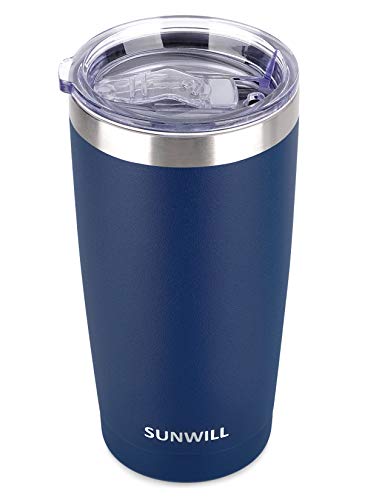
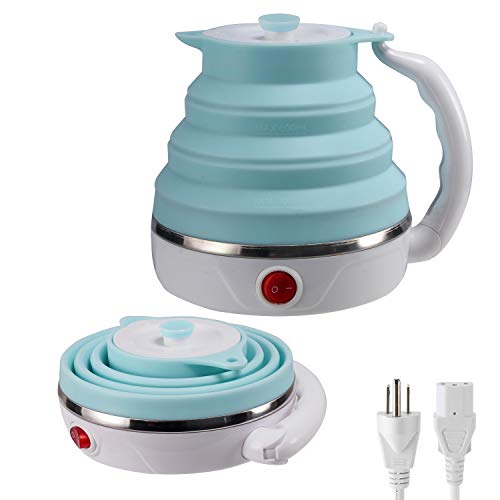




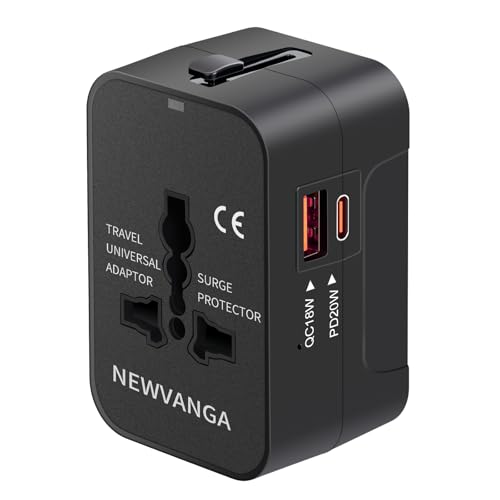
Recommended blogs to read:
- Best time to visit Finland
- 7-day Finland itinerary
- 10-day Finland itinerary
- Winter in Finland
- Summer in Finland
12 Items
The shortlist below covers the realistic candidates with practical context for each.
1. Karjalanpiirakka with Munavoi
The Karelian pie is the canonical Finnish breakfast item and appears at every hotel buffet plus every Finnish supermarket bakery section. The thin rye crust holds a rice porridge filling (traditional), mashed potato filling, or carrot filling. The standard service runs with munavoi (egg butter, hard-boiled eggs mashed with butter) spread on top. The pies have EU Traditional Specialty Guaranteed status protecting the recipe and origin. A typical hotel buffet serves 3-4 different filling variants. Eat warm rather than cold for the best texture. Pack of 6 from a supermarket costs €3-€5.
Read also: Autumn in Finland · Spring in Finland
2. Ruisleipä, the Dark Rye Bread
Dark Finnish sourdough rye runs as the backbone of the Finnish breakfast bread basket and appears at every hotel breakfast across the country. Several regional varieties exist: dense reikäleipä (hole-in-the-middle round loaf), thin hapankorppu (crispbread), and soft saaristolaisleipä (archipelago sweet rye). The bread runs denser, more sour, and darker than most European rye breads. Travelers should expect a substantially heartier loaf than the rye breads served in Germany, Sweden, or the Netherlands. A loaf costs €2-€4 at K-Citymarket; supermarket bakeries bake fresh through the morning. The bread runs as a staple across all Finnish income levels.
Read also: Things to do in Helsinki · Things to do in Rovaniemi
3. Kaurapuuro, the Oatmeal Porridge
Kaurapuuro is the warm oatmeal porridge that defines Finnish winter breakfast eating. The standard version cooks oats with milk and water to a creamy consistency and serves topped with brown sugar, butter, cinnamon, or seasonal berries. The dish runs less sweet than American oatmeal and is treated as a savory-leaning breakfast dish rather than a dessert. Most Finnish hotels serve kaurapuuro through winter (October-March) at the buffet. Standard Finnish supermarket oats (Elovena, Myllyn Paras) cook in 5-8 minutes and produce a soft, traditional texture. A bowl at a Finnish cafe runs €6-€10.
Read also: Things to do in Tampere · Where to stay in Helsinki
4. Viili, the Nordic Cultured Milk
Viili is the distinctive Finnish cultured milk dish similar to yogurt but with a much thicker, stretchy texture. The fermentation runs at room temperature using specific mesophilic bacterial strains that produce the characteristic ropy consistency. Viili tastes mildly sour with a clean dairy finish and pairs traditionally with brown sugar, cinnamon, or lingonberries. The dish runs as a Finnish breakfast staple but is harder to find outside Finland because the bacterial culture requires specific conditions. Most Finnish supermarkets sell viili in small tubs for €1-€2. Hotel buffets typically include viili alongside standard yogurt options.
Read also: Where to stay near Helsinki Airport · Best cities in Finland
5. Aura, Oltermanni, and Finnish Cheese
Finnish cheese culture runs deep but lower-key than Swedish or French traditions. The flagship varieties include Aura (a sharp blue cheese, the Finnish equivalent of Roquefort or Stilton), Oltermanni (a mild, soft, sliceable cow’s milk cheese that anchors the everyday Finnish cheese sandwich), and Lappi (a Lapland-region cheese with a mild flavor). The Finnish reindeer-cheese specialty leipäjuusto (literally bread cheese) is the squeaky-cheese variety served warmed with cloudberry jam. Most hotel breakfasts include 3-5 cheese varieties on the cold buffet. Standard supermarket cheese pricing runs €15-€30 per kilo. The cheese counter at K-Citymarket runs roughly 60-80 different cheese varieties on any given day.
Read also: Best museums in Finland · Best cafes in Helsinki
6. Juustoleipä, the Squeaky Bread Cheese
Juustoleipä is the Lapland-region specialty cheese with a distinctive squeaky texture when bitten. The cheese originates from reindeer milk traditionally but is now most commonly made from cow’s milk. The flat, round disks are baked or grilled before serving, which gives the surface a slightly caramelized appearance. The traditional service runs warmed with a generous spoon of cloudberry jam (lakkahillo) on top. The cheese has IGP regional-origin protected status. Most Lapland hotels serve juustoleipä at the breakfast buffet. Helsinki supermarkets carry the cheese year-round; a 200g disk costs €5-€8.
Read also: Best bars in Helsinki · Best restaurants in Helsinki
7. Salmiakki, the Salty Licorice
Salmiakki is the Finnish (and broader Nordic) salty licorice candy that pairs with Finnish breakfast culture more often than international visitors expect. Adult Finns eat salmiakki at any time of day including breakfast, and the candy appears on hotel breakfast buffet pastry tables alongside chocolate items. The intense ammonium-chloride flavor divides visitors strongly: most international travelers actively dislike the first taste but the candy is genuinely loved across Finland and the broader Nordic region. The savory-salty character pairs well with strong filter coffee. Standard supermarket packs cost €2-€5. The Fazer brand dominates the Finnish licorice market with multiple intensity grades.
Read also: Best beaches in Finland · Lakes in Finland
8. Smoked Salmon and Graavilohi
Smoked salmon and graavilohi (the Finnish gravlax) run as the centerpiece protein item at most upper-segment Finnish hotel breakfast buffets. Graavilohi is salmon cured with salt, sugar, and dill rather than smoked, which produces a softer texture and a fresher flavor. Hot-smoked salmon (savustettu lohi) runs as the alternative preparation. Both pair with rye bread, mustard sauce, and dill at the buffet. Helsinki supermarkets sell graavilohi for €18-€28 per kilo. The salmon is typically Norwegian or Faroese farmed stock; pure Finnish wild salmon is rarer and substantially more expensive. Most Helsinki hotels serve the salmon section as a self-serve carving station with multiple curing styles.
Read also: Islands in Finland · National parks in Finland
9. Lingonberry Jam (Puolukkahillo)
Lingonberry jam is the classic Finnish breakfast condiment and appears at every hotel buffet jam selection. The slightly tart, slightly sweet jam pairs with almost every Finnish breakfast item including porridge, pancakes, cheese, smoked salmon, and toast. The berries are picked wild across Finnish forests every autumn and the foraging tradition runs deep in Finnish family culture. The Everyman’s Right (jokamiehenoikeus) allows free public foraging of lingonberries across most Finnish forests. Standard supermarket jam jars cost €4-€7. Most Finnish jams run less sweet than American-style jam to preserve the berry character.
Read also: Best hikes in Finland · Castles in Finland
10. Mustikkapiirakka, the Blueberry Pie
Mustikkapiirakka is the traditional Finnish blueberry pastry that appears at breakfast buffets and bakery counters across the country. The pastry uses Finnish wild blueberries (mustikka, the European bilberry) which are smaller, more flavorful, and more intensely-colored than the cultivated American blueberry. The traditional pie format uses a simple yeast or shortcrust pastry base topped with whole berries and a light sugar dusting. The blueberry harvest runs July-August across Finnish forests, with the Everyman’s Right allowing free foraging. Standard bakery serving costs €3-€5. The pastry pairs naturally with strong filter coffee.
Read also: UNESCO sites in Finland · Nuuksio National Park
11. Kahvi, the Strong Filter Coffee
Filter coffee is the breakfast drink at every Finnish hotel, every Finnish home, and almost every Finnish workplace. Finland leads the world in per-capita coffee consumption at roughly 12kg per person per year, three times the US figure. The standard brew runs strong, hot, and light-roasted rather than espresso-dark. The kahvi tarjoilu (coffee service) tradition pairs coffee with sweet bread (pulla) at home gatherings, and the workplace coffee break (kahvitauko) runs as a legally-protected daily ritual. Finnish workers are entitled to two paid coffee breaks per workday under most collective labor agreements.
Read also: Helsinki Airport · How to get around Finland
12. Yogurt with Forest Berries
Plain Finnish yogurt topped with frozen Finnish forest berries (lingonberries, blueberries, cloudberries, raspberries) runs as the standard Finnish breakfast alternative to viili. The berries appear frozen at supermarkets year-round since most are wild-harvested from Finnish forests during the brief summer foraging season. The Finnish forest-berry tradition runs deep; roughly 30% of Finns forage berries personally each year under the Everyman’s Right. Hotel buffets typically include 3-5 berry varieties in the cold section. Standard supermarket frozen-berry mixes cost €4-€7 per kilo and run as the cheapest way for travelers to taste the wild forest-berry harvest.
Read also: Finland road trip routes · Helsinki-Tallinn ferry
Building the realistic Finland multi-city route?
The Ultimate Europe Trip Planner maps rail and flight timing in one document.
Frequently Asked Questions
What do Finns eat for breakfast?
Karjalanpiirakka with egg butter, dark rye bread with cheese, yogurt with forest berries, oatmeal porridge (kaurapuuro), viili cultured milk, and strong filter coffee. Most Finnish hotels serve a buffet covering all of these plus continental items.
Is Finnish breakfast included in hotels?
Usually yes at chain hotels (Scandic, Sokos, Radisson). Independent boutique properties typically charge €18-€28 per person for the breakfast buffet. The buffet format is standard across most Helsinki, Tampere, and Lapland hotels.
What is karjalanpiirakka?
Karjalanpiirakka are Karelian pies: thin rye-dough crust shaped into an oval boat filled with creamy rice porridge, mashed potato, or carrot. The pies have EU Traditional Specialty Guaranteed status and appear at every Finnish breakfast.
Do Finns drink coffee at breakfast?
Yes, and lots of it. Finland leads world per-capita coffee consumption at 12kg per person per year. The standard brew is strong, hot, light-roasted filter coffee rather than espresso. Most Finns drink 4-6 cups daily.
Can vegetarians eat Finnish breakfast?
Yes easily. The canonical breakfast spread includes karjalanpiirakka with vegetarian fillings, rye bread with cheese, yogurt with berries, oatmeal, and pastries. Vegan options exist but require more advance planning (oat milk is widely available, vegan karjalanpiirakka variants exist at major supermarkets).
Key Takeaways
- Karjalanpiirakka with munavoi is the canonical Finnish breakfast pastry (EU TSG status).
- Ruisleipä (dark dense sourdough rye) anchors the bread basket; 14kg per capita annual consumption.
- Kaurapuuro (oatmeal porridge) and viili (cultured milk) define the warm and cold Finnish breakfast staples.
- Strong filter kahvi is the breakfast drink; Finland leads world per-capita coffee consumption at 12kg per person.
- Hotel breakfast buffets run €18-€28 per person; the supermarket-equivalent shopping at K-Citymarket runs €8-€12.
Final Thoughts
Finnish breakfast runs more generous than continental European norms with the buffet format dominant across hotels and the traditional canon spanning karjalanpiirakka, rye bread, oatmeal, cheese, smoked salmon, lingonberry jam, and strong filter coffee. The supermarket-deli alternative costs roughly half the hotel buffet price and gives the same canonical Finnish experience for €8-€12. For the broader food context, the Helsinki to Stockholm ferry guide covers the wider Finnish food canon.