Here is a comprehensive and practical travel guide for those planning to visit Iceland in February.
Snow blankets most of Iceland’s towns and landscapes in February. But it’s an ideal time to view the iconic Northern Lights because the days have more darkness than light. Moreover, much of the country remains accessible despite the quasi-arctic climate.
Adventurous folks can still drive the entire Ring Road throughout the month. It’s possible, though, for them to base on one location and view some of the country’s most impressive natural wonders from there.
Keep in mind, however, that the month presents a lot of dangers. Expect unpredictable weather patterns, hazardous road conditions, and darkness without sufficient road lighting.
The good thing about February is its relative quietness compared to the high season. February has been among the country’s least crowded months during the past few years. Now, don’t miss trying the following activities in Iceland in February.
Planning to visit on some other months? Here’re our guides for each time of the year:
Best Things to Do in Iceland in February
Chasing the Northern Lights in Iceland in February

Tourists arriving in Iceland during the winter months, such as February, have a high chance of seeing the famous Northern Lights. Because of its dark skies and diminished cloud cover, February is one of the best times to relish the Northern Lights.
Good solar activity and clear skies are the two primary factors that lead to a perfect Northern Lights hunt. Consider driving to the remote towns or escape into the wilderness to get a better view of the rare phenomenon.
Make sure to check out the cloud cover forecast and aurora forecast when planning to hunt the Northern Lights by yourself. If you’re planning to get stunning shots of the lights, prepare the right equipment, and learn the important factors in properly shooting the Aurora Borealis.
WHERE TO STAY? Best hotels in Iceland
[irp]
Explore Ice Caves in Iceland in February
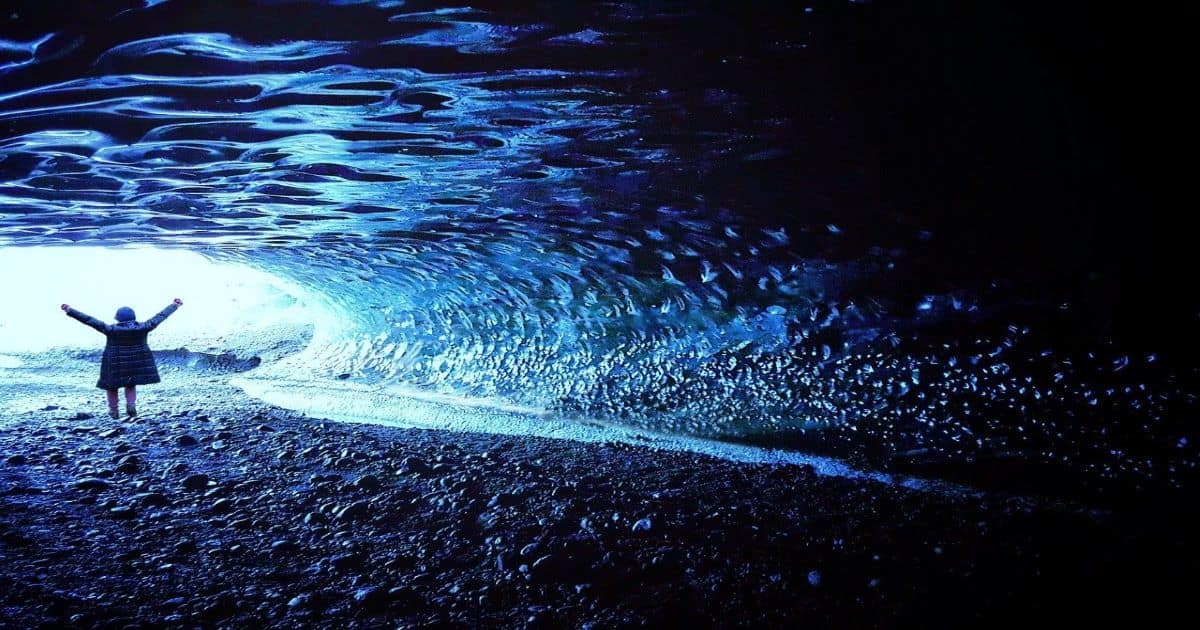
What’s it like strolling inside naturally-formed tunnels underneath Vatnajokull glacier, Europe’s largest icecap? That’s something tourists will know when they visit the hidden ice caves in Iceland, a rare winter-exclusive activity.
Touring ice caves can only happen a few times during the year because of inaccessibility, the sparsity of glaciers, and specific factors required for their formation.
Visitors can access these caves in March and between October or early November yearly. Consider checking the websites of local tour operators for updated information about ice cave tours in Iceland.
Rainfall is another condition that limits the ice cave’s accessibility as they become structurally unattractive after flooding.
Only tourists who are part of a guided tour can visit an ice cave or two. So make sure to register and book in advance and never wander on your own.
WHERE TO STAY? Best hotels in Iceland
[irp]
Watch Whales in their Natural Habitats in Iceland in February

Visitors can participate in whale watching from Reykjavik during any season of the year. More than 20 kinds of cetaceans visit the surrounding waters of Iceland. Many of these gentle giants settle on Icelandic waters during the entire winter season.
Known for their acrobatic antics and social nature, white-beaked dolphins are the most abundant species. They can be found feeding or playing in the deep waters of Faxafloi Bay.
Another year-round resident of Iceland’s waters is the harbor porpoises, which are more elusive than the white-beaked dolphins. Spectators can also catch sight of Beaked whales, Pilot whales, and Orcas throughout February.
WHERE TO STAY? Best hotels in Iceland
[irp]
Try Lava Caving in Iceland in February
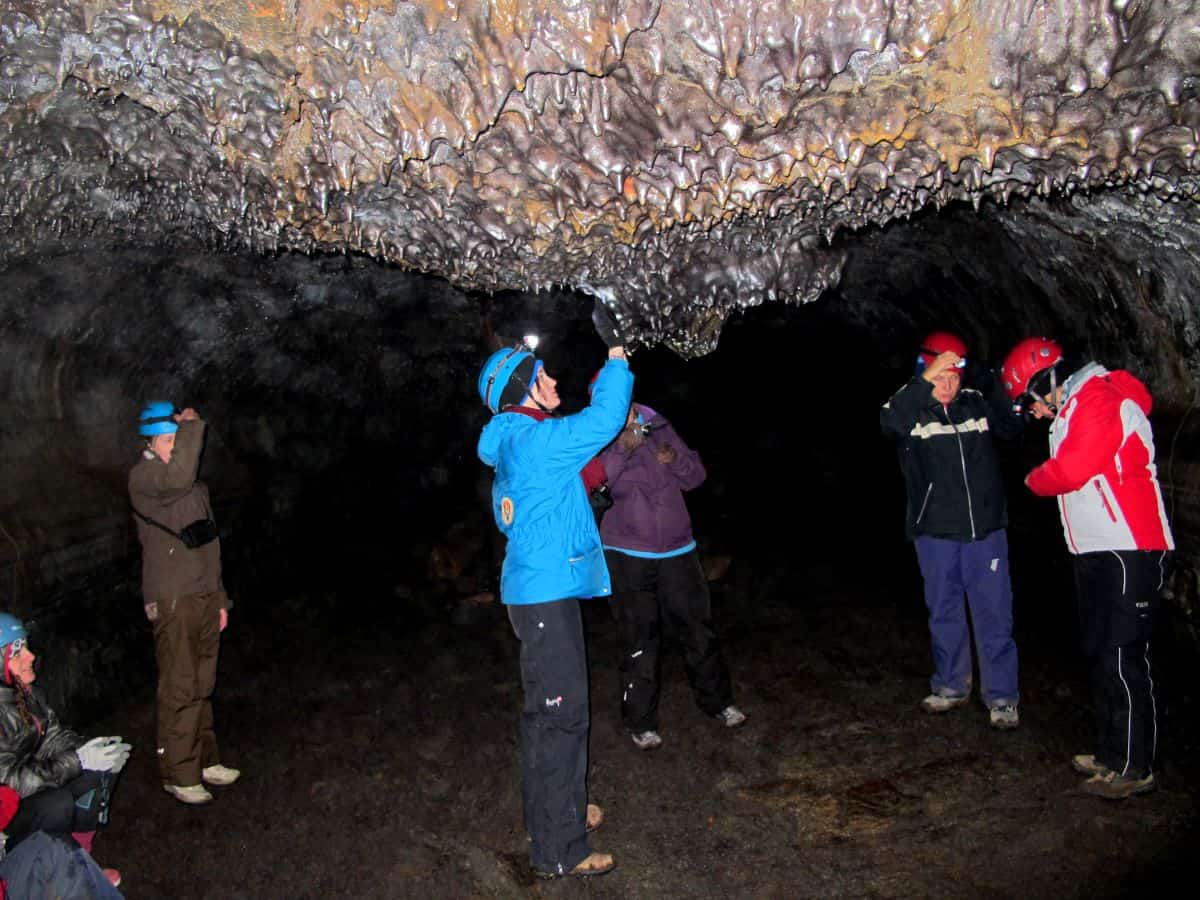
February is one of the best months for joining a lava caving activity because it offers ideal conditions. However, it requires an extra dose of an adventurous spirit as it is more daunting compared to the summer months.
The month provides extra appeal because, inside the tunnels, visitors will find beautiful formations of ice.
Water slowly trickles through it because lava rock is very porous. The water seeping through the cave’s ceilings often freezes in the extremely cold temperature, gradually forming stunning icicles.
Equally, mesmerizing ice shapes also form when the water that seeps through the ceiling freezes before falling into the ground. All these formations with their glittering features make up for dramatic shots.
WHERE TO STAY? Best hotels in Iceland
[irp]
Snorkel in Iceland in February

Many folks may only associate snorkeling in Iceland with daredevils, but almost anyone can actually do it given the availability of modern dry suit equipment.
The most popular spot for snorkeling in Silfra which lies between two massive tectonic plates. It is also dubbed as one of the top ten dive sites in the world.
Open all year round, Silfra lies in Pingvelliar National Park. It boasts of crystal-clear waters with visibility that goes beyond more than one hundred meters. What a way to experience fascinating geology and magical blue light emanating from the scene.
Nothing is more adventurous for many than snorkeling and swimming on a site surrounded by ice and snow. Qualified thrill-seekers can also try diving in Silfra.
[irp]
Hiking the Glaciers in Iceland in February

Almost every major corner in Iceland offers opportunities for glacier hiking throughout the year. But during February, visitors will come across extra features such as electric blue ice carpeting the midwinter’s glaciers.
Both nestled in South Iceland, Solheimajokull and Svinafellsjokull are the two main glaciers that are open for hiking. Have a deep understanding of Iceland’s geology and the glacier’s fascinating features when trekking on one of them or both.
WHERE TO STAY? Best hotels in Iceland
[irp]
Riding a Horse in Iceland in February
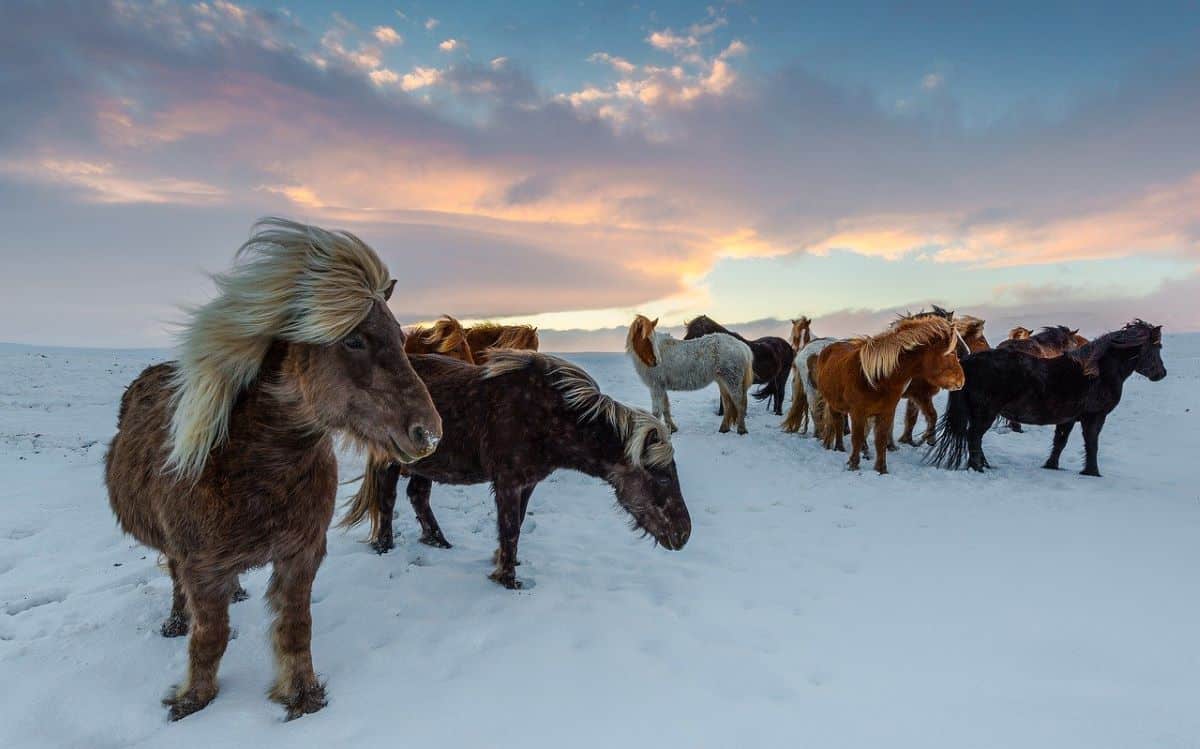
The Icelandic horse has emerged into a resilient and strong animal that can navigate through the landscapes even during February’s harshest days. This comes as a result of its more than one thousand years of evolutionary isolation.
Visitors can see them playing in the snow, socializing, or running around except when there are impending blizzards. There are horsing riding tours visitors can avail during any season of the year.
Horseback riding on Iceland’s winter landscapes is one way for visitors to have an understanding of the harsh realities of living as an Icelandic warrior. It will also give you a glimpse of how the ancient Icelanders have been surviving despite the harsh weather conditions.
The cold weather not only shaped the horses’ resistance but also their intelligence and curiosity. It’s no wonder some tourists love spending time with them during either morning or afternoon.
So those are just some of the best things to do in Iceland in February. Consider adding some or all of them in your itinerary for a fun-filled and meaningful travel experience.
Not only will you enjoy the sights but have a deeper understanding of Iceland’s rich geological and natural heritage.
[irp]
Do you want to travel around Scandinavia? Start here!
Can’t decide where to go? Check out these posts!
- Top 15 STUNNING Places to Visit in Scandinavia
- Top 15 BEST Places to Visit in Northern Europe
- Top 17 UNIQUE Places to Visit in the Nordics
- Northern Lights Holiday: Top 10 Destinations to Spot Aurora Borealis
- Where to See the Midnight Sun: Top 8 Places Where the Sun Never Sets
Top countries in Scandinavia
- Top 18 BEST Places to Visit in Finland
- Top 15 BEST Places to Visit in Sweden
- Top 15 BEST Places to Visit in Norway
- Top 10 BEST Places to Visit in Denmark
- Top 10 BEST Places to Visit in Iceland
Useful guides to get you started
- Tips and Tricks on How to Save Money on Accommodation
- Top 5 Tips on How to Save Money for Travel
- 15 Cheap Hostel Meals You Can Make in an Instant