Are you ready for a winter wonderland experience like no other? Look no further than Iceland in January! While many may shy away from traveling to this Nordic island in the depths of winter, you’re about to discover why this time of year is the perfect time to visit.
Not only will you be greeted with breathtaking landscapes of snow-capped mountains and frozen waterfalls, but you’ll also have the chance to witness the dazzling aurora borealis dancing across the sky.
And don’t forget about the ice caves, hot springs, and natural spas that await. With fewer tourists and plenty of winter activities, you’ll have an unforgettable trip to Iceland that you’ll be raving about for years.
So grab your warmest coat, pack your bags, and prepare for an adventure. Let’s go!
Where to stay in Iceland? Check out this link to find the best hotel deals!
Do you want an easy way to see the best of Iceland? Book a tour! Check out this link to see the best tours on the island.
Do you need help planning your trips? Start here!
❗️Be insured before your trip and get a SafetyWing FREE insurance quote
📚 Read our post about why you should always have insurance
✈️ Find out how to find cheap flights using Skyscanner or find deals now
🛌🏻 Book your accommodation through Booking.com
🎭 Find awesome and hassle-free tours through GetYourGuide
🚘 Explore Europe on an epic road trip with Discover Cars
Iceland in January: Things to Know Before Visiting, Top Things to do, and Guide
Weather in Iceland in January
The temperatures in Iceland during January can range from a relatively mild +4 to -1 degrees Celsius (39-33F) in Reykjavik. It can get much colder in other parts of the country, often dropping below freezing (as low as -10C). However, despite the chilly conditions, you’ll find that Iceland’s winter season offers a unique and rare beauty, unlike anything you’ve ever seen.
In Iceland in January, the wind is wild and free, sometimes whipping up into a raging storm that can make travel difficult while lending a sense of excitement, danger, and beauty to the whole experience. Venture out and experience the depth and richness of Iceland’s winter wonderland at its very best. With layers of warm clothes and plenty of hot chocolate, you’re in for an unforgettable adventure!
Where to stay in Iceland? Check out this link to find the best hotel deals!
Do you want an easy way to see the best of Iceland? Book a tour! Check out this link to see the best tours on the island.
Driving in Iceland in January

Driving in Iceland in January is an experience that will leave you breathless. The scenery of snow-capped mountains, glaciers, and waterfalls will take your breath away. Wide, empty stretches of road can be relaxing to drive on, but you should still watch the forecast. Icelandic drivers need to be cautious and well-prepared for frequent snowstorms.
You’ll want to rent a car prepared for Iceland’s icy roads if you plan on driving there in the winter. Reserve a four-wheel drive vehicle in advance since you may need it to overcome highway snow drifts. Don’t be alarmed if you drive on a frozen lake; that’s part of the adventure!
Ingvellir National Park is located at the point where the North American and Eurasian tectonic plates meet and is a must-see for anyone driving the renowned “Golden Circle” route in Iceland. Between them, you can go snorkeling or scuba diving if you don’t mind the cold!
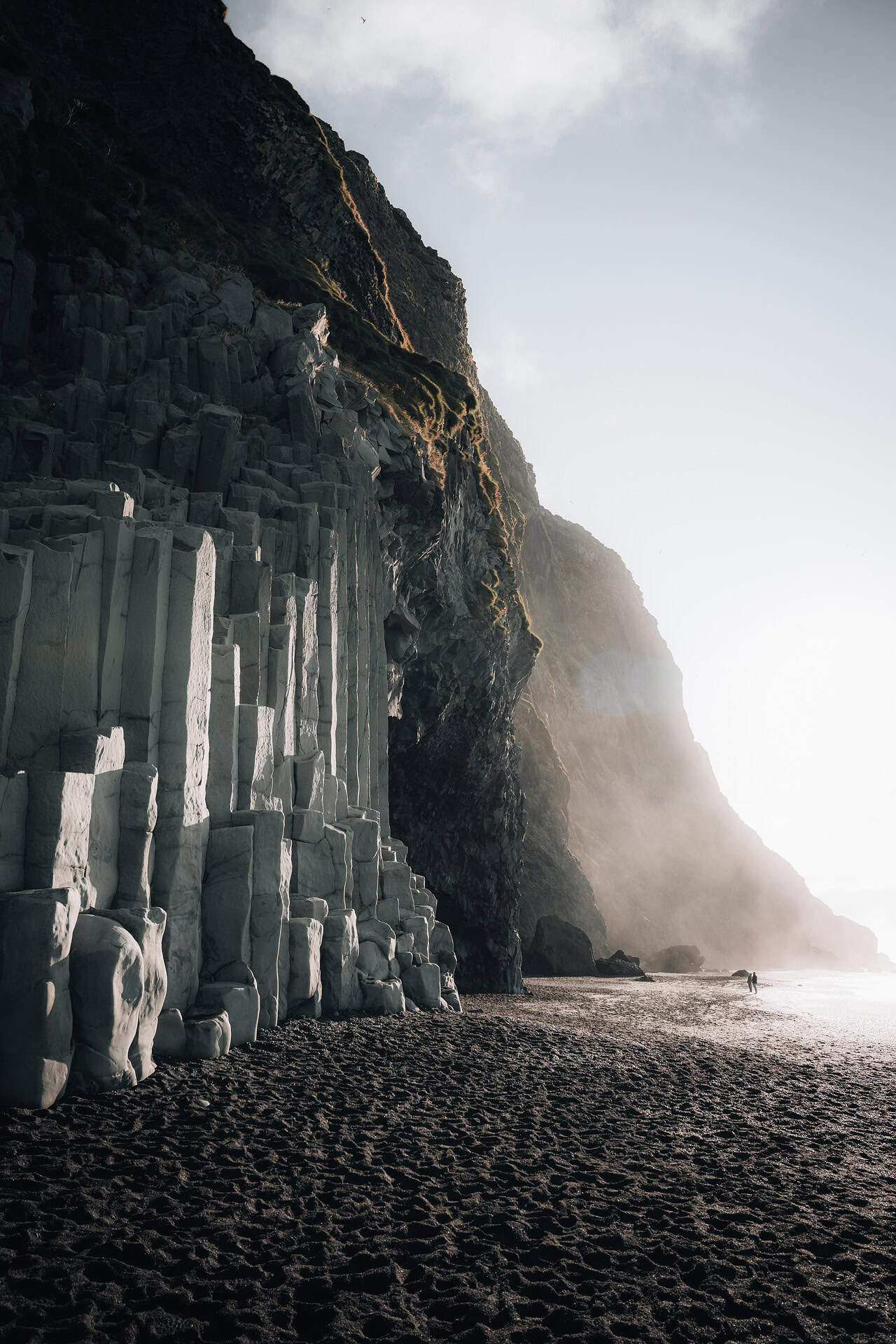
A trip to the black sand beaches of Reynisfjara is certainly out of the norm. The stark contrast between the dark sand and the soaring basalt columns is breathtaking. The snowy mountains in the distance only enhance the scene’s natural splendor.
January’s short days mean you must factor it into your driving schedule. The sun will set around 5 p.m., but that’s okay since you can see the Northern Lights after dark. The aurora borealis dancing above you as you drive along a deserted road is an experience you will never forget.
Drive around this snowy wonderland that is Iceland. Give yourself to the charm of the countryside and let yourself be swept away. The extra work of driving in Iceland in January is well worth the experience.
Where to stay in Iceland? Check out this link to find the best hotel deals!
Do you want an easy way to see the best of Iceland? Book a tour! Check out this link to see the best tours on the island.
Are you planning your travels? Here’re my top travel resources!
I’m a serial planner both in life and in travel – I have bucket lists, things to do, see, and everything. So, I always love when my life is sorted easily using tools and resources that would make my general planning a little smoother and easier. Therefore, in my many years of traveling the world, I’ve seen myself returning to these travel resources repeatedly. And here I am, sharing my tips to make your life easy and breezy so you can stress less, travel heaps, and focus on the fun part of travel!
- Booking.com – I book all my hotels through this website and don’t honestly use anything else. They always have the best prices, in my opinion.
- Airbnb – If I’m traveling long-term to one destination, I book my flats through Airbnb.
- Skyscanner – The best place to find cheap flights on flexible dates. I use this a lot to score cheap flights within Europe!
- SafetyWing – Always travel insured! Never leave your home country without one. It is worth the extra money, I promise you!
- GetYourGuide – Hands-down, the best place to find cool and unique tours if you don’t feel like winging it, and go straight to a local expert. I use this a lot in new destinations to get acquainted with the area!
- My Pretty Wild World Travel Diary (coming soon) – A book you can write down your travel plans, create itineraries, track down your budget, and dot down memories along the way! A handy book you can keep and read later to revisit memory lane.
- Pretty Wild World Travel Planning Printables (coming soon) – Are you a nut like me when it comes to planning? Yes? Good. My travel planning resource in one zip file is an easy-to-use printable planner that comes with tips that helps you plan your travels during the planning stage, a pre-flight checklist, an itinerary planner, and so on.
Things to know before traveling to Iceland in January
- January is a fantastic time to visit Iceland – the sunlight is getting longer, and there aren’t many tourists, yet there are still plenty of things to do!
- Northern light sightseeing – the chances of you seeing the northern lights are quite high if you visit in January due to the lack of sunlight around this time.
- There are festivals to attend – Iceland in January isn’t that boring at all, but there are still festivals you can partake in to make your visit more memorable. For example, you can check out Dark Music Days Festival!
- Witness Thorrablot – it is a cultural event where Iceland celebrates the man of the house and honors their ancestors. There would be lots of eating Icelandic delicacies.
- Taste Iceland’s delicacies – due to the Thorrablot festival, where Icelandic people honor their ancestors by feasting over Icelandic delicacies that have been eaten in the country for centuries, you might find supermarkets selling local delicacies all over the country! The perfect time for you to try it out.
Where to stay in Iceland? Check out this link to find the best hotel deals!
Do you want an easy way to see the best of Iceland? Book a tour! Check out this link to see the best tours on the island.
Top Things to Do in Iceland in January
Hunting for the Northern Lights
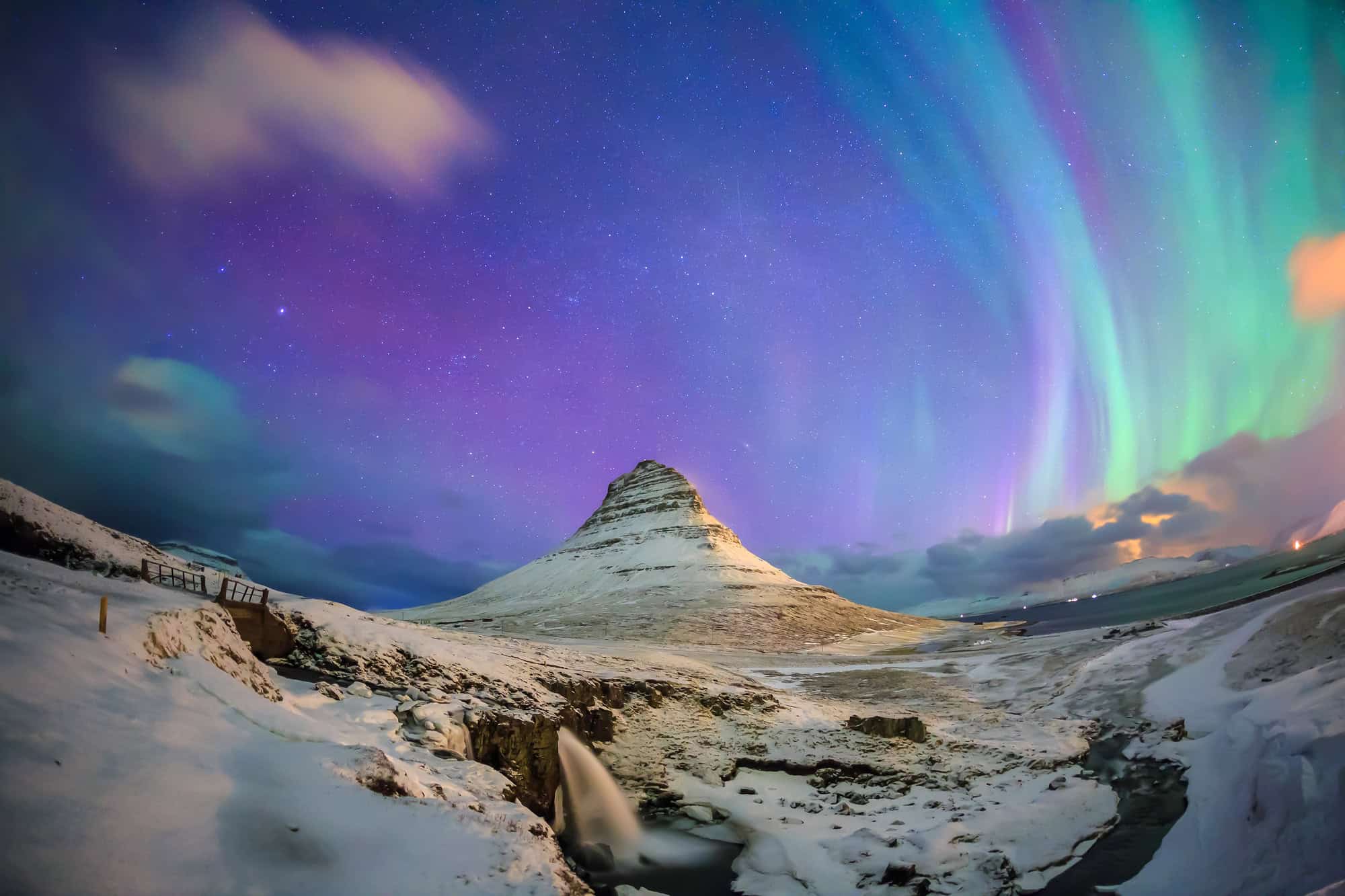
One of the best things to do in Iceland in January is to seek out the Northern Lights, and with good reason. The dark winter evenings and proximity to the Arctic Circle make this country an excellent viewing area for the northern lights.
You’re in awe of the breathtaking scenery as you search for the lights. The snowy fjords and mountains look like they belong in a fairy tale, and the glacial lakes surrounding them sparkle in the moonlight.
But you can’t take your eyes off the sky, where a great display is about to begin. Interactions between the Earth’s magnetic field and solar energy particles produce the Northern Lights, the Aurora Borealis. Light ribbons in varying green, pink, and purple hues may sway in the sky.
Book this tour (it’s likely to sell out): Iceland: Northern Lights Bus Tour from Reykjavik
Hold up! Have you thought about the importance of travel insurance?
Remember this: anything can happen. Travel is fun, but your health is more important; thus, I always, always, always recommend getting insured during the duration of your trip. I have benefitted from having one multiple times, and it has been covered for thousands of euros!
The latest one is not necessarily “health” related – it was during the peak of the unspeakable terrible C that consumed the world. I was living in Vietnam when I received an email from SafetyWing (my travel insurance) that if I want they’ll fly be back home to Finland as the world goes through a global emergency alert. I flew back fully covered, and dealing with SafetyWing was a breeze despite the roar of people in contact with them trying to get back home.
I can’t highly recommend them enough. Otherwise, I rarely get sick; hence I don’t always need to head to a hospital, but knowing that I have travel insurance makes me feel safe at the very least.
Read my post about why you should get travel insurance for more information. Otherwise, you can get a free quote from SafetyWing – they’re the best, in my opinion.
Take a road trip around the Golden Circle

There’s no better way to kick off your year than by exploring Iceland’s magnificent Golden Circle! This 300-kilometer route is a feast for the senses and an ideal itinerary for your winter escapade. Whether it’s your first time visiting Iceland or looking to experience its natural beauty again, the Golden Circle should undoubtedly be at the top of your list.
Your first stop will be Thingvellir National Park, where you will witness the jaw-dropping beauty of two tectonic plates meet. Take a deep breath and embrace the tranquility of this awe-inspiring area as you explore the site of Iceland’s first parliament.
Next, head to the Geysir geothermal area to experience the thrill of hot springs and geyser eruptions. Don’t forget to snap a photo of the famous Strokkur geyser erupting into the sky!
Finally, visit Gullfoss Waterfall, a breathtaking two-tier waterfall that will leave you spellbound. The cascading water creates an ethereal mist that is simply magical to behold. As you take in the breathtaking scenery, you’ll feel like you’ve entered a winter wonderland.
But why stop there? Head to the nearby Blue Lagoon, a geothermal spa known for its healing waters. You’ll feel all your worries melt away as you soak in the warm, mineral-rich waters of Blue Lagoon.
At the Golden Circle, you’ll witness Iceland’s geological and historical significance while taking in some of the most stunning scenery on Earth.
Book this full-day tour (likely to see out): Reykjavik: Golden Circle Full-Day Tour with Kerid Crater
Visit the Ice Caves and Glaciers

Imagine trekking through a frigid winter wonderland, where crystal-clear glacial ice walls tower over you, and flickering shards of sunlight dance across the cave ceiling. This is the magical world of exploring ice caves and glaciers in Iceland.
January is one of the best times to experience this unique adventure. Iceland is home to some of the world’s most spectacular ice formations, created by millennia of ice and snow accumulation. These frozen marvels constantly change and evolve, making each trip a truly once-in-a-lifetime experience.
As you venture deep into the glacier’s heart, you’ll be awestruck by the sheer size and beauty of the ice formations. Massive tunnels and chambers carved out by rushing rivers of meltwater criss-cross beneath the surface, create a labyrinthine wonderland of shimmering icy textures and colors.
You’ll discover an incredible world of blue-hued ice formations, stalactites and stalagmites, and even ice sculptures that defy imagination. The cave walls are illuminated in fascinating blue, turquoise, and green hues.
But exploring the ice caves is not just about sightseeing – it’s also thrilling. You’ll don crampons on your feet, take an ice axe in hand and begin your trek across the icy landscape.
Book this tour (likely to sell out): South Iceland: Vatnajökull Glacier Blue Ice Cave Tour
Check out the icy waterfalls and glacier lagoons
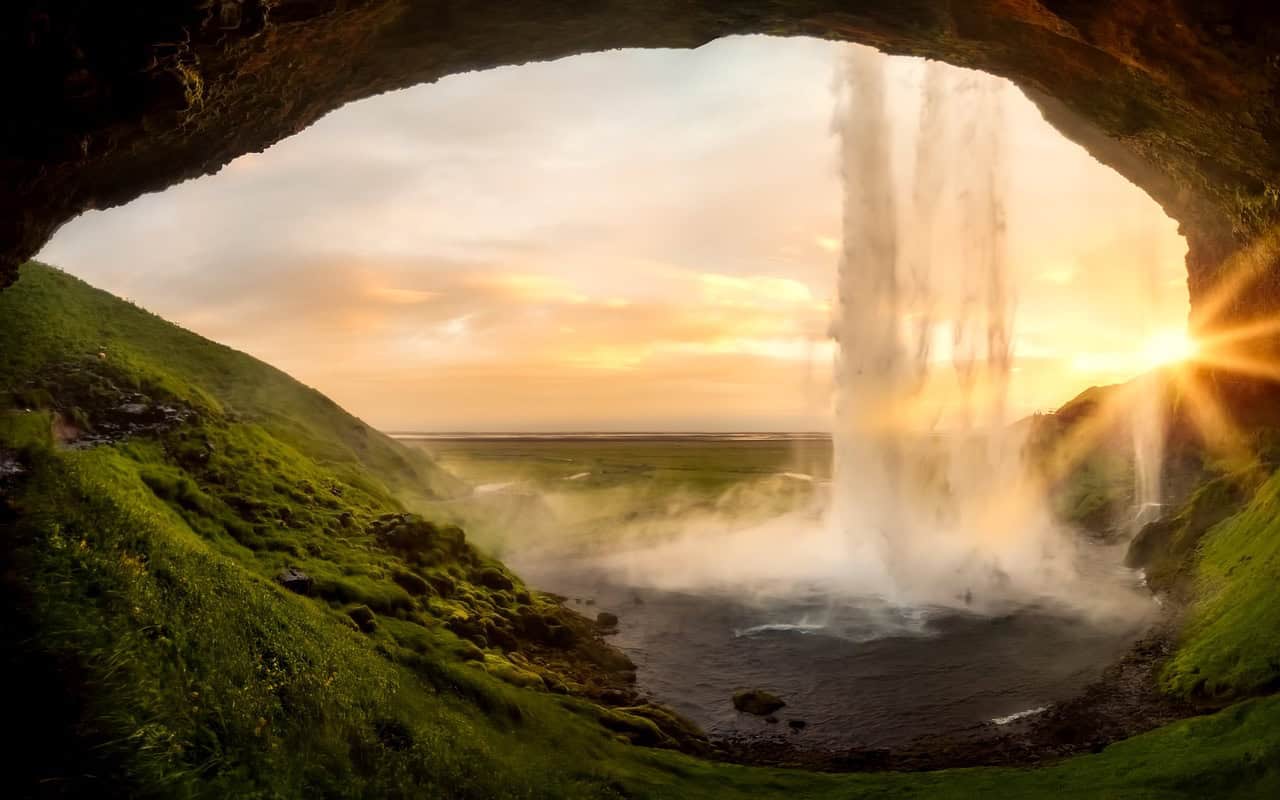
In the frosty month of January, Iceland transforms into a winter wonderland of icy waterfalls and glacier lagoons, making it one of the top travel destinations for thrill-seekers and nature enthusiasts.
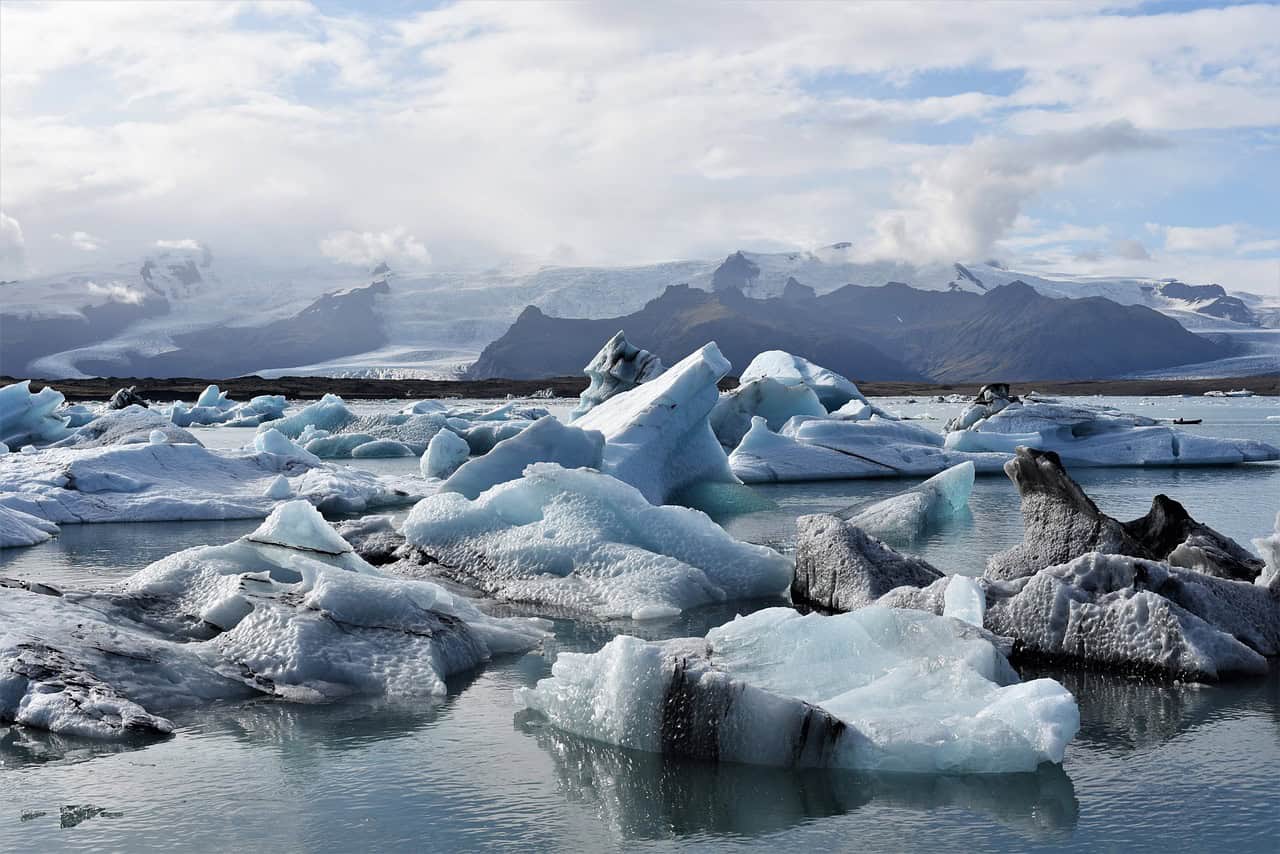
The beauty of Iceland’s frozen landscapes extends beyond just the visuals. Did you know that some of the glaciers in the country are thousands of years old, dating back to the Ice Age? Or those icebergs from the Vatnajökull Glacier float in the nearby Jökulsárlón Glacier Lagoon, making it the deepest lake in Iceland?
Your trip to Iceland in January will not be complete without experiencing these stunning frozen formations. Grab your camera and bundle up for an adventure that will leave you breathless.
Book this tour from Reykjavik: South of Iceland Full-Day Trip
Experience riding an Icelandic horse
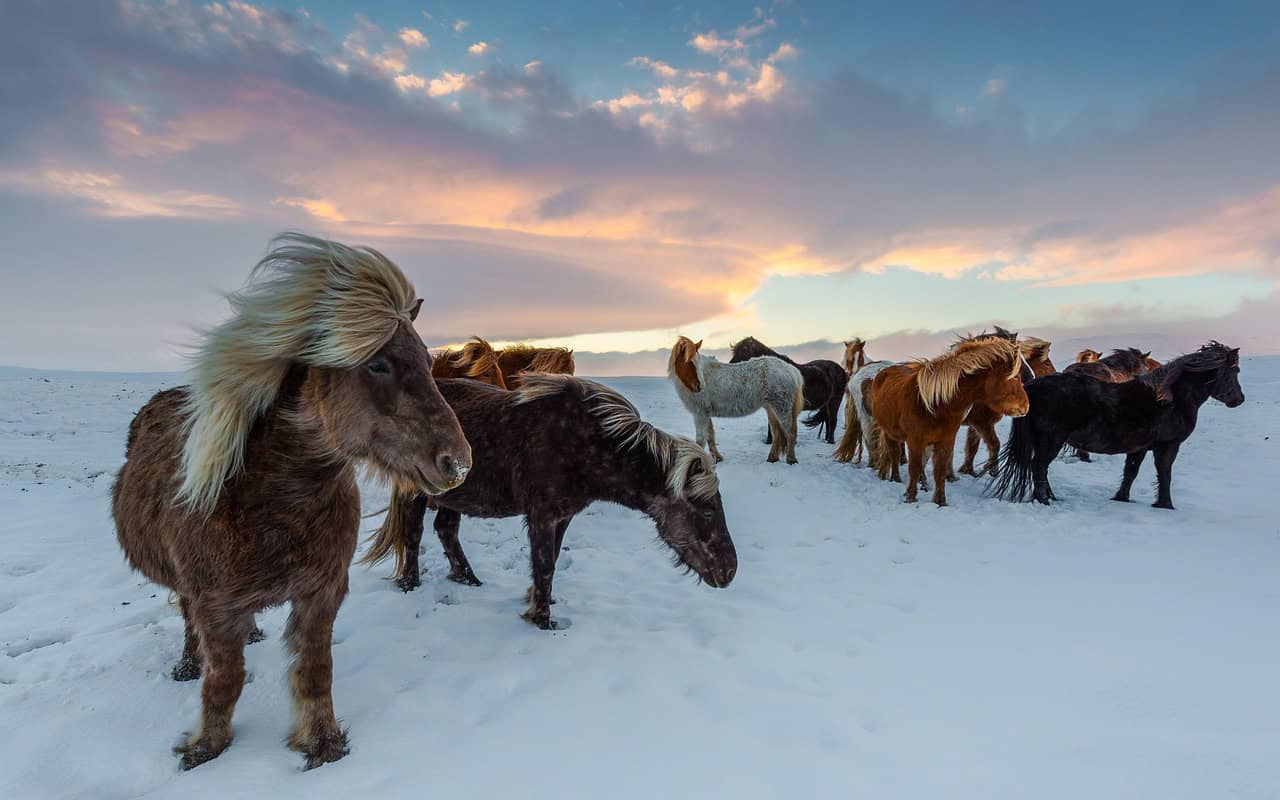
In search of a once-in-a-lifetime adventure on your January trip to Iceland? Try your hand at horseback riding on an Icelandic steed. Neither their history nor their attributes are shared by any other horse species, making these magnificent beings truly one-of-a-kind.
The distinctive gait of Icelandic horses, known as the “tölt,” makes for a relaxing and enjoyable ride. Their little stature and robust construction make them well-suited to Iceland’s unforgiving landscape. They can survive even the coldest January days thanks to their thick fur and excellent thermoregulation.
In Iceland, you can ride Icelandic horses whether you have experience or are just starting. Explore the beautiful countryside with a guide and see sights like mountains, glaciers, and waterfalls. You can also choose a shorter ride to experience the tölt gait.
Riding Icelandic horses is both culturally significant and a thrilling and unique experience. Horses have played an important role in Icelandic culture and history, and people have a strong emotional attachment to them.
Book this tour: Reykjavik: Red Lava Horse Riding Tour
What to pack when you visit Iceland in January
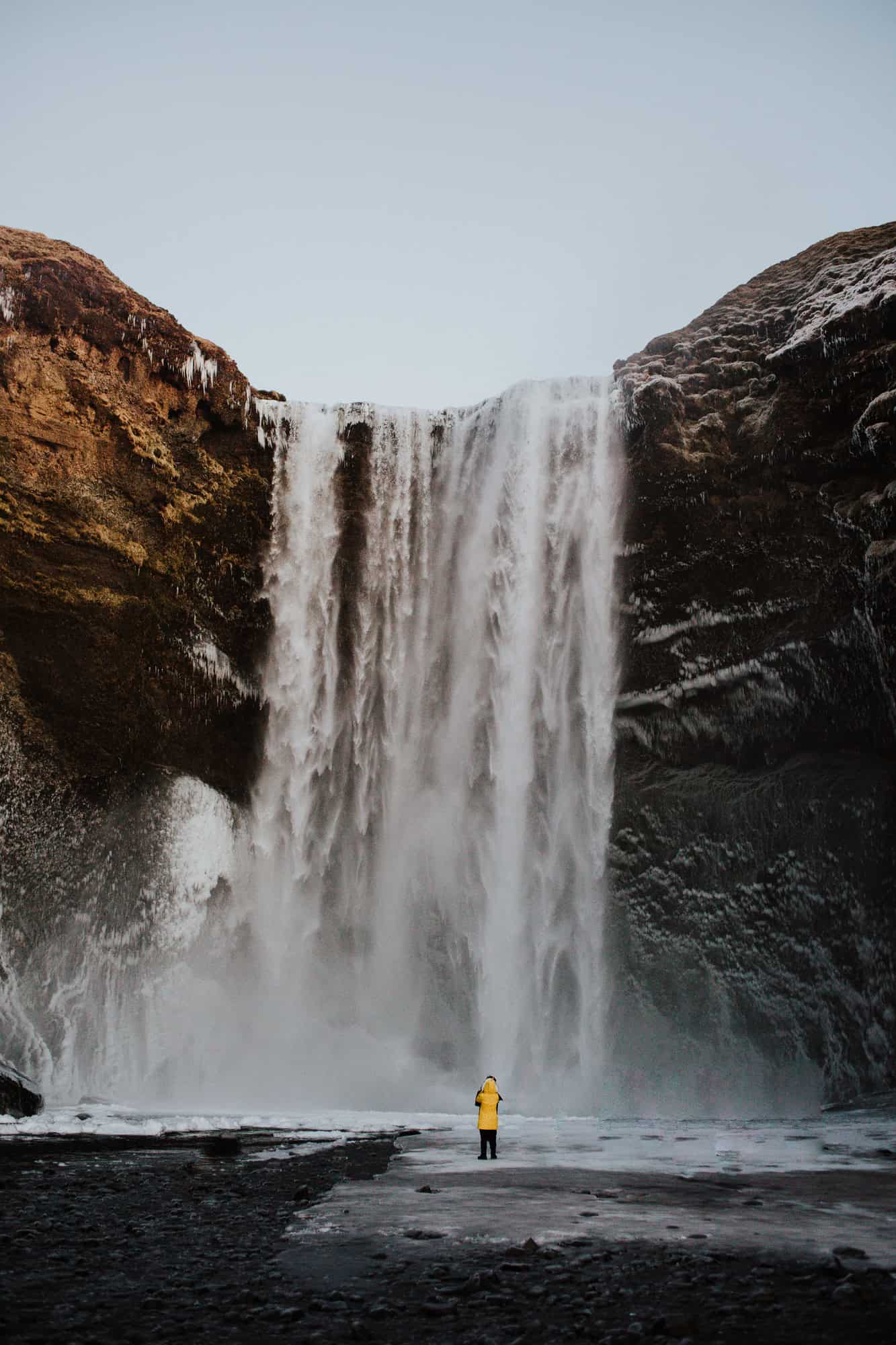
Important winter essentials:
- Warm, weatherproof jacket shell
- Warm goose feather or thermal lined inside jacket
- Alternatively, a very good thermal lined winter jacket with a weatherproof shell
- Fleece/wool jumpers
- Thermal longjohns
- Warm winter pants or warm hiking pants (if you’re going hiking)
- Thick jeans
- Fleece thermal neck warmer
- Fleece or wool-lined weatherproof gloves
- Thick and warm beanie
- Thermal socks
- Wool socks
- Waterproof winter shoes or leather winter boots
- Winter hiking boots
- Really good sunglasses
Important toiletries:
- Sunscreen
- Really good moisturizer
- Hand moisturizer
- SPF lipbalm
Bring anything you believe will keep you warm in January’s cold Icelandic weather. Better be prepared than not, and bringing extra layers doesn’t hurt. Remember: You can always remove clothing when you start to feel warm but can’t add more if you don’t have extra warm clothes when the weather gets colder.
The weather in January in Iceland is cold, so be prepared with the right gear! You can read my full winter packing tips here.
Where to stay in Iceland? Check out this link to find the best hotel deals!
Do you want an easy way to see the best of Iceland? Book a tour! Check out this link to see the best tours on the island.
What are my favorite travel must-haves?
As a frequent traveler, I’ve learned a lot throughout my years of travel, and there are five items that I always carry with me regardless of where I go and how long the trip is. Here are my five travel must-haves!
- Warm packable jacket – I always carry a light jacket, even when heading to warm countries. There hasn’t been a time I never used it, especially in airports and planes.
- Transparent toiletry bag – I often bring a carry-on if I’m only traveling within Europe for a few days. Life is so much easier to go through security checks with a transparent toiletry bag.
- Kindle Paperwhite – I love a good read and always take my Kindle everywhere. It keeps me entertained during long flights and waiting times.
- Powerbank – I don’t know how I could travel without one! Having a power bank saved me a ton since I carry a lot of electronic devices with me.
- Travel Adapter – I never leave my luggage without a travel adapter! I carry one with me all the time. It is just one of that travel-must haves that doesn’t hurt to have in your bag at all times.
FAQs about visiting Iceland in January
Can you see the Northern Lights in Iceland in January?
You might have heard that Iceland is one of the best places to catch the Northern Lights, but can you see them in January, you ask? Well, my dear friend, the answer is a resounding yes!
January is a great month to see the Aurora Borealis in splendor. Winter’s long nights, clear skies, and the relative absence of light pollution allow prime viewing conditions for the celestial spectacle. And I can tell you firsthand that there is nothing like watching the sky turn a rainbow of colors as the sun sets, as if the heavens are putting on a special performance for you.
Still, there’s more to come! If you’re lucky, a spectacular display of the stuff known as “Diamond Dust” may also be in store. In these conditions, the tiniest ice crystals in the air reflect the light like brilliant stars. It’s an unforgettable experience that will stick with you long after you’ve left Iceland.
It’s worth remembering that the Northern Lights, like the rest of Mother Nature, are subject to change. Even with the best planning and preparation, there’s no guarantee that you’ll see them.
How cold is it in Iceland in January?
During January, temperatures in Iceland typically hover between -1°C (30°F) and 4°C (39°F). Remember, too, that Icelandic weather is notoriously fickle, so one day, you might be basking in the sun, and the next, you might be hunkering down against a blizzard. The streets of Reykjavik are known for their frigid winds, which make it feel like you’re walking in a freezer.
You shouldn’t let Iceland’s chilly weather stop you from going there. The icy landscapes and snow-capped mountains make for a breathtaking winter wonderland.
Is there snow in Iceland in January
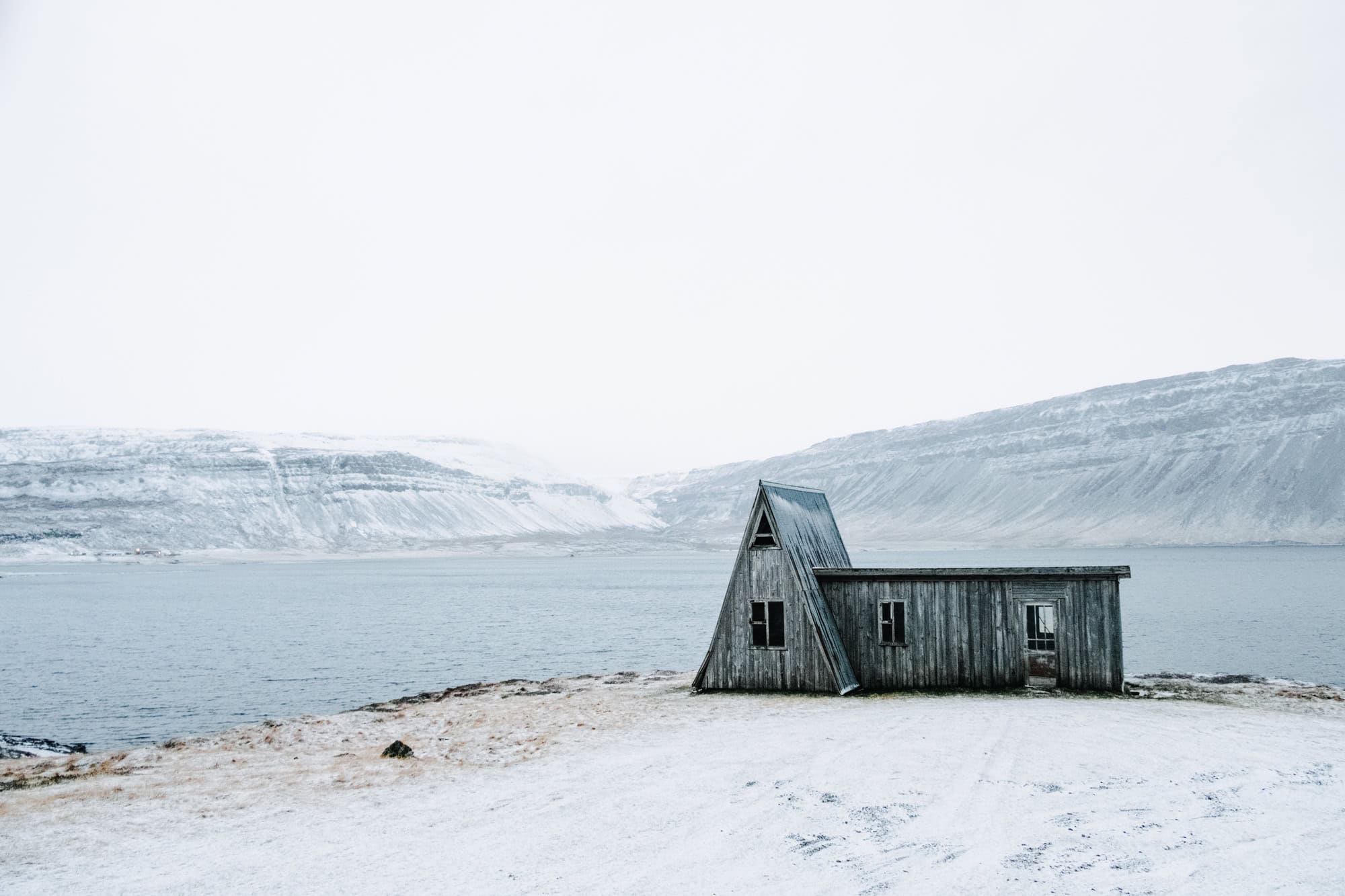
You may be wondering whether Iceland is blanketed in snow in January. The answer is a resounding yes! Iceland is at its wintry best this month, with snow covering the land in every direction.
How dark is it in Iceland in January?
To answer your question. There are about 4-7 hours of daylight each day, so it’s dark for most of the day, but it’s also beautiful, mystical, and unforgettable. Don’t let the lack of daylight put you off – embrace the darkness and see what wonders it has in store for you.
Is the Blue Lagoon Open in January?
The Blue Lagoon is indeed open all year round. Regardless of the season, you can always dip in its therapeutic warm waters. And not only is it open, but it’s a fantastic time to visit. The winter months offer a unique and truly enchanting experience as the steam from the geothermal water rises into the cold winter air, creating a surreal and magical atmosphere.
In addition to soaking in the soothing waters, you’ll also have access to the Blue Lagoon’s other amenities. Indulge in a relaxing massage, savor a delicious meal at the restaurant, or bask in the stunning views of the surrounding lava fields.
Can you see whales in Iceland in January?
Absolutely! Iceland is one of the best places to spot whales, no matter what time of year you visit. Despite the chilly January weather, you’ll be able to see a variety of whale species swimming around the Icelandic coastline.
Is January a good time to visit Iceland?
Even though it’s cold in Iceland in the winter, if you’re prepared and up for an adventure, you won’t regret it.
In January, the Aurora Borealis, one of the world’s most spectacular natural occurrences, may be seen in Iceland. The long, dark winter evenings and lack of pollution make the Northern Lights nearly guaranteed sky show.
Iceland has fewer tourists in January, allowing you to enjoy the natural scenery without competing with other visitors. Without the high-season crowds, you may enjoy activities like visiting the famous Golden Circle, soaking in one of the many hot springs, and snowmobiling across a glacier.
Remember that January in Iceland may be chilly, so bring plenty of warm clothes and dress in layers.
Do you need a 4×4 in Iceland in January?
While a standard car will get you where you need to go, a 4×4 will give you the extra grip and stability you’ll need on the slick and uneven roads typical of this time of year. As a bonus, you’ll be able to go where ordinary cars can’t go.
Is It Worth Going to Iceland in January?
Iceland in January is worth considering if you’re looking for your next escapade. It might be cold, but the experience is priceless. So, is it worth going to Iceland in January? Absolutely!
January is one of the best months to visit Iceland. Why, you might ask? Well, for a start, the Northern Lights are at their very best. You can chase the Northern Lights till your heart’s content with a Northern Lights tour, experiencing the Icelandic wilderness in its purest form while gazing at the mesmerizing Aurora Borealis lighting up the sky.
If you’re feeling daring, you can explore the ice caves, one of the unique features only found in Iceland, where the glaciers have formed beautiful and surreal sculptures that will bring your photos to life. It is an unforgettable experience you can only witness in Iceland in January.
The Blue Lagoon, one of the world’s most breathtaking geothermal spas, is another must-visit attraction. With fewer crowds in January, you can soak in the warm, therapeutic waters surrounded by the rugged Icelandic landscape, making it the perfect place to relax.
Despite having fewer daylight hours in January, you can still make the most of it by exploring glaciers, hiking in the National Parks, and admiring Iceland’s magnificent scenery in a tranquil and peaceful setting.
Is it safe to drive in Iceland in January?
The truth is, it depends on where you plan on driving.
If you’re taking the Golden Circle route, which includes Thingvellir National Park, Geysir, and Gullfoss waterfall, you should generally be okay as these roads are usually plowed and kept clear. However, driving can get sketchy quickly if there’s a big snowstorm.
On the other hand, if you plan on taking the south coast route, which includes gorgeous black sand beaches and stunning glacier lagoons, you need to be extra cautious. The weather can be unpredictable, and there’s always a chance that the roads might be closed due to glacier melts or heavy snowfall.
While driving in Iceland in January can be incredibly rewarding, you must be prepared for the unexpected. Ensure you have a reliable 4×4 vehicle, winter tires, and plenty of warm clothing. It’s also good to check the weather forecast and road conditions before you set off.
How many hours of daylight are there in Iceland in January?
As the month begins, you’ll see around 4 to 5 hours of daylight, but as you approach the end, that time jumps to around 6 hours! That might not seem like much, but those extra daylight hours will feel like a gift from the gods. Just imagine the sun rising at around 11 am and setting at around 5 pm.
Where to stay in Iceland? Check out this link to find the best hotel deals!
Do you want an easy way to see the best of Iceland? Book a tour! Check out this link to see the best tours on the island.
Planning a trip to Iceland? Check out our other posts!
- Best time to visit Iceland
- Points of interest: Must-see museums in Reykjavik, Restaurants to check out, Cafes to take a break, Top attractions to visit, Places to visit, Top museums in Iceland
- Plan your visit: Day trips from Reykjavik, Beaches in Iceland, Top things to do, Things to know before your visit, Best hikes to do, National Parks
- Cultural insights: Facts about Iceland, Tipping in Iceland, Traditional Icelandic foods to try, Drinks in Iceland
- Useful insights: Supermarkets in Iceland, Camping sites
- Iceland by month: January, February, March, April, May, June, July, August, September, October, November, December
Where to stay in Iceland
Tours to do in Iceland
Are you on Pinterest? Pin this for later!