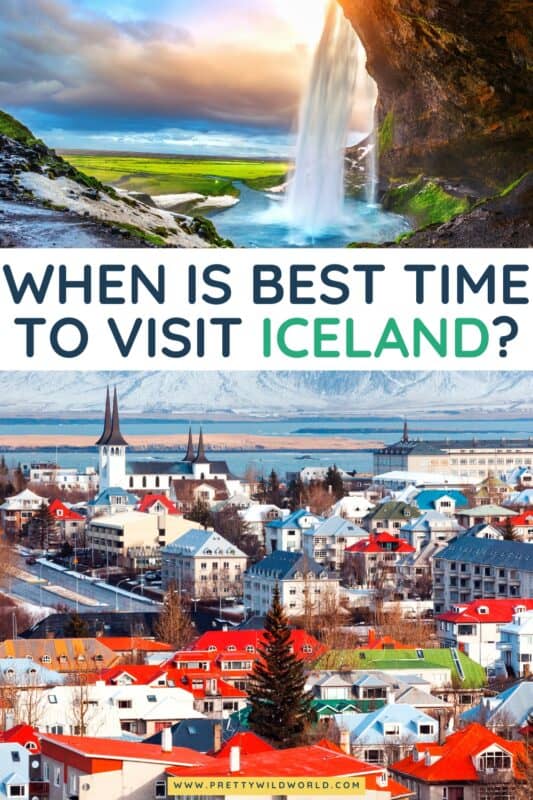
When is best time to visit Iceland? Discover the ideal time to explore Iceland’s stunning landscapes, witness the Northern Lights, and experience vibrant festivals in this detailed guide.
When it comes to planning a trip to Iceland, timing is everything. With its breathtaking landscapes, cascading waterfalls, and stunning ice caves, this Nordic island nation offers a unique experience year-round. However, the best time to visit Iceland depends on your preferences and what you hope to see and do during your trip.
If you’re seeking a winter wonderland adventure with the chance of seeing the mesmerizing Northern Lights dancing across the night sky, visiting Iceland from November to March may be your ideal choice. Despite the colder temperatures and shorter daylight hours, this is when the country truly transforms into a magical snowy paradise.
The famous ice caves glitter with ethereal beauty, making them perfect for exploration and photography. On the other hand, if warmer weather and longer days appeal to you more, visiting during Iceland’s summer months of July and August is what you’re looking for.
Summer in Iceland brings milder temperatures ranging from 10°C to 15°C (50°F to 59°F), allowing for comfortable outdoor activities such as hiking or exploring glaciers. Moreover, during these months, daylight hours peak with nearly 24 hours of continuous sunlight around midsummer’s day – an experience that truly defies normalcy.
For those who prefer milder weather without battling an extreme cold or experiencing midnight sunlit nights but still want favorable conditions for outdoor exploration, consider visiting in spring or autumn. The months of May and September offer a balance between pleasant temperatures ranging from 5°C to 10°C (41°F to 50°F) and relatively fewer crowds compared to the peak summer season.
In springtime (April-June), nature awakens from its long winter slumber; vibrant wildflowers bloom across green meadows while waterfalls gush with melted snow from higher altitudes. Autumn (September-October) presents an enchanting tapestry of golden hues as foliage transforms before winter’s arrival.
Moreover, spring and autumn offer decent chances to see the elusive Northern Lights, as solar activity tends to be more active during equinox periods. Iceland is a destination that can be enjoyed throughout the year, each season offering a unique allure.
Whether you’re captivated by the mesmerizing dance of the aurora borealis or eager to explore the rugged beauty of its landscapes, meticulously choosing the best time to visit will greatly enhance your experience in this captivating part of the world. So, consider your interests and preferences carefully when planning your trip to Iceland – whether it’s embracing winter’s icy embrace or reveling in summer’s endless days, there is something for everyone on this enchanting island.
Follow me on Instagram, where you’ll see more personal tips about living in Finland from a local resident chef and content creator 🍃🍃🍃
📚 Do you want to learn the Finnish language for FREE? Check out Spark Your Finnish course!
🇫🇮 How about diving into Finland’s culture? Here’s another FREE culture class to learn how to connect with Finns
❗️ Be insured before your trip to Finland and get a SafetyWing FREE insurance quote
📚 Read our post about why you should always have insurance
✈️ Find out how to find cheap flights to Finland using Skyscanner or find deals now

Iceland’s Climate
Iceland’s climate is a fascinating mix of extremes and ever-changing weather patterns. As an island in the North Atlantic, it experiences a cool, temperate oceanic climate, but the influence of the Gulf Stream keeps temperatures milder than one might expect for its latitude. This unique combination makes Iceland a captivating destination for travelers throughout the year.
From November to March, winter in Iceland is famously known for its long nights, snow-covered landscapes, and icy beauty. While it may be chilly during this time, visiting Iceland in winter offers some incredible opportunities.
If you’re keen on witnessing the mesmerizing phenomenon of the Aurora Borealis or Northern Lights dancing across the night sky, this is undoubtedly the best time to maximize your chances. The longer nights provide ample darkness for these celestial lights to shine their brightest.
In contrast, visiting Iceland in summer brings about a completely different experience. Iceland transforms into a vibrant wonderland from July to August, with green meadows and colorful wildflowers blanketing the countryside.
With extended daylight hours due to being situated near the Arctic Circle, you’ll have more time to explore and make lasting memories. It’s also the best time for those who wish to embark on glacier tours or hike through Iceland’s stunning national parks.
If you have more flexibility with your travel plans and are considering visiting Iceland for a longer period, exploring during the shoulder seasons can also be incredibly rewarding. November or April through June, when fewer tourists flock to this part of the country, will give you ample space and tranquility while still offering plenty of sights to see and activities to enjoy.
No matter what time of year you decide to visit Iceland, it’s essential to remember that weather conditions can change rapidly due to its location and proximity to powerful North Atlantic winds. Therefore, always be prepared by dressing in layers and carrying appropriate gear, such as waterproof jackets and sturdy footwear, regardless of which months you plan to explore this remarkable island.
Exploring Iceland’s Four Seasons
Iceland, known for its breathtaking landscapes and natural wonders, experiences four seasons throughout the year. Each season offers a unique experience for visitors, making Iceland an ideal destination regardless of the time you choose to visit.
Winter: November to March
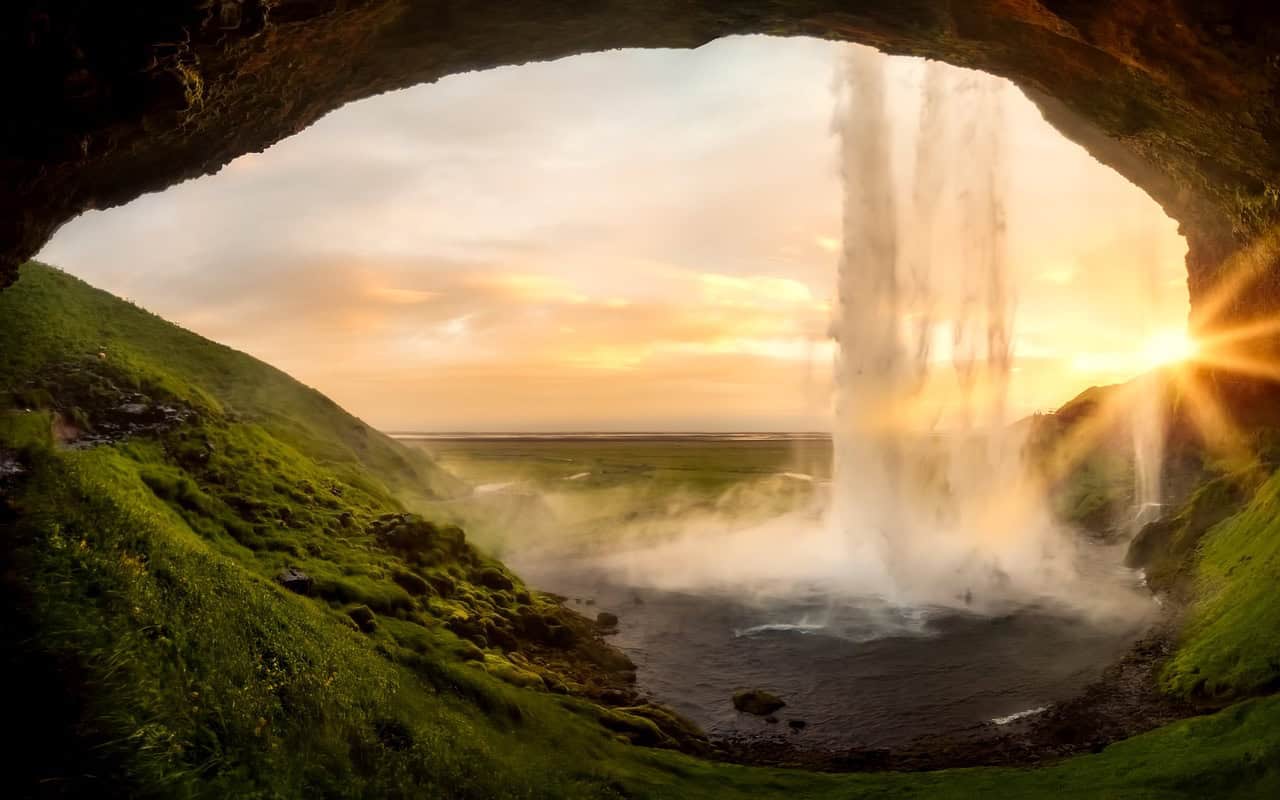
Winter in Iceland, which spans from November to March, offers unique appeal and experiences for travelers. While some may shy away from the colder temperatures and shorter days, those who embrace the magic of Iceland in winter are in for a treat.
One of the main attractions during this time is the chance to witness the captivating phenomenon of the Northern Lights. The dark and clear winter nights provide optimal conditions for this celestial spectacle.
Imagine standing under a starlit sky as vibrant green, purple, and blue lights dance and swirl above you; it’s a breathtaking sight that will leave you in awe. Aside from the Northern Lights, there are plenty of other reasons to visit Iceland during winter.
Reykjavik, Iceland’s vibrant capital city, becomes a charming winter wonderland with snow-covered streets and cozy cafes serving steaming cups of hot chocolate. You can wander through festive Christmas markets or enjoy live music performances at local venues.
The city also hosts various cultural events during this time, providing a rich tapestry of Icelandic traditions. For those seeking adventure beyond the city limits, winter is an ideal time to embark on tours that take you deep into Iceland’s natural wonders.
The famous Golden Circle route showcases stunning landscapes like cascading waterfalls like Gullfoss and geothermal wonders like Geysir. Exploring these sites against snow-covered mountains adds more wonder to your journey.
Whether you’re captivated by the allure of seeing the Northern Lights or simply want to experience Iceland in all its wintry splendor, visiting during the winter months offers a unique perspective on this extraordinary country. From Reykjavik’s festive atmosphere to exploring natural wonders like the Golden Circle, there is no shortage of memorable experiences awaiting you during this season in Iceland.
Spring: April to June
Spring in Iceland, from April to June, is an enchanting time to visit this breathtaking country. As the winter months gradually fade away, Iceland awakens with the arrival of spring. With longer daylight hours and milder weather conditions, embarking on a memorable Icelandic adventure becomes an opportune moment.
Iceland is also transitioning into its vibrant summer season in May and June. The landscape starts to come alive with colorful flowers blooming across the countryside, creating a picturesque sight that will leave you in awe.
The beauty of spring in Iceland lies in its natural wonders and its ability to offer a unique blend of both winter and summer experiences. One of the main reasons travelers decide to visit Iceland during spring is to witness the awe-inspiring spectacle of the Northern Lights.
Although summer is often considered the best time to see these dancing lights, late April and early May still provide opportunities for catching glimpses of this mesmerizing phenomenon. With longer periods of darkness compared to midsummer days, combined with potential solar activity, you might be lucky enough to witness nature’s light show illuminating the night sky.
In addition to chasing the Northern Lights, spring in Iceland offers plenty more activities for adventurers. Hiking enthusiasts will find solace on trails that lead them through stunning landscapes adorned with waterfalls cascading down mountainsides and glaciers glistening under the spring sun.
Exploring North Iceland during this time can be particularly rewarding as it boasts numerous hiking trails that reveal breathtaking views and hidden gems. As May and September transition towards peak season in Iceland, it’s worth considering how your preferences align with crowd levels when planning your trip.
If you prefer quieter moments amidst nature or have limited time, visiting during these shoulder seasons can offer a more peaceful experience while immersing yourself in all that Iceland has to offer. While summer may be the best time to experience Iceland’s full glory and see the Northern Lights, spring brings a unique charm.
With longer daylight hours, milder weather, and a mix of winter and summer activities available, April to June is an ideal period for those seeking a balance between natural wonders and avoiding peak-season crowds. Whether you embark on exhilarating hikes or witness the mystical Northern Lights, spring will undoubtedly leave you with unforgettable memories of Iceland’s enchanting beauty.
Summer: July to August
Summer: July to August. During summer, Iceland experiences its peak tourist season. The months of July and August are particularly vibrant and bustling with activity.
It’s no wonder many people flock to this beautiful country during these summer months. One of the main reasons why summer is the best time to visit Iceland is the favorable weather conditions.
The temperatures are relatively mild, ranging from 10 to 20 degrees Celsius (50 to 68 degrees Fahrenheit), making it comfortable for outdoor activities. The long daylight hours provide ample time for exploration and adventure, as the sun barely sets, giving rise to the phenomenon known as the midnight sun.
Imagine hiking or exploring stunning landscapes at any hour of the day! Moreover, summer is also the perfect time to witness some of Iceland’s most iconic natural wonders.
For those seeking a glimpse of the majestic northern lights or aurora borealis, there might be better seasons than this, as they are more visible during winter when darkness prevails for longer periods. However, there is still a chance of seeing the northern lights in late August when nights get darker again.
Exploring Iceland in September can also be a great option to experience a mix of summer and autumn vibes. While it may not necessarily be considered part of peak tourist season anymore, September still offers pleasant weather conditions and fewer crowds compared to July and August.
If you plan to go to Iceland during its warmest months, with long days filled with adventures under the midnight sun, visiting in summer – specifically July and August – would be your best bet. From hiking through breathtaking landscapes to soaking in hot springs or exploring charming towns, there’s no shortage of things to see and do during this lively season in Iceland.
Autumn: September to October
Autumn in Iceland, spanning from September to October, offers a unique blend of vibrant colors, pleasant weather, and the chance to witness the transition from summer to winter. It’s a time when the landscape transforms into a breathtaking mosaic of reds, yellows, and oranges as the leaves change color. The temperature drops slightly during this season, ranging from 5°C to 10°C (41°F to 50°F), creating a crisp and refreshing atmosphere.
One of the highlights of visiting Iceland in autumn is experiencing its natural wonders without the large crowds that flock during peak summer months. This allows for a more intimate exploration of popular attractions such as the Golden Circle.
You can marvel at geothermal areas like Geysir and witness Strokkur erupting with great force. Explore Thingvellir National Park, where you can walk through the rift valley between two tectonic plates.
Another advantage of visiting Iceland in autumn is that it presents an ideal opportunity for glacier hiking. With temperatures cooling down but not yet reaching freezing levels, navigating these icy giants safely with professional guides becomes easier.
Imagine trekking across the Sólheimajökull or Vatnajökull glaciers as you immerse yourself in their awe-inspiring beauty. Additionally, autumn is an excellent time for those interested in seeing one of nature’s most mesmerizing displays: the Northern Lights (Aurora Borealis).
As darkness settles earlier during these months, your chances of witnessing this ethereal phenomenon increase significantly compared to summer, when nights are short and bright. Venture away from light pollution and watch weather forecasts for clear skies – you might be rewarded with a celestial dance across Iceland’s night sky.
So, if you plan to visit Iceland between September and October, pack warm layers and sturdy hiking boots for your glacier explorations, and remember your camera. Embrace the autumnal charm of Iceland as you capture stunning landscapes, witness natural wonders, and potentially catch a glimpse of the enchanting Northern Lights.
Are you planning your travels? Here’re my top travel resources!
I’m a serial planner both in life and in travel – I have bucket lists, things to do, see, and everything. So, I always love when my life is sorted easily using tools and resources that would make my general planning a little smoother and easier. Therefore, in my many years of traveling the world, I’ve seen myself returning to these travel resources repeatedly. And here I am, sharing my tips to make your life easy and breezy so you can stress less, travel heaps, and focus on the fun part of travel!
- Booking.com – I book all my hotels through this website and don’t honestly use anything else. They always have the best prices, in my opinion.
- Airbnb – If I’m traveling long-term to one destination, I book my flats through Airbnb.
- Skyscanner – The best place to find cheap flights on flexible dates. I use this a lot to score cheap flights within Europe!
- SafetyWing – Always travel insured! Never leave your home country without one. It is worth the extra money, I promise you!
- GetYourGuide – Hands-down, the best place to find cool and unique tours if you don’t feel like winging it, and go straight to a local expert. I use this a lot in new destinations to get acquainted with the area!
- My Pretty Wild World Travel Diary (coming soon) – A book you can write down your travel plans, create itineraries, track down your budget, and dot down memories along the way! A handy book you can keep and read later to revisit memory lane.
- Pretty Wild World Travel Planning Printables (coming soon) – Are you a nut like me when it comes to planning? Yes? Good. My travel planning resource in one zip file is an easy-to-use printable planner that comes with tips that helps you plan your travels during the planning stage, a pre-flight checklist, an itinerary planner, and so on.
Event-based Timing
If you’re looking to plan your trip to Iceland based on specific events and festivals, you’re in for a treat! This unique country hosts a variety of exciting and vibrant celebrations throughout the year that showcase its rich culture and heritage.
Popular events and festivals in Iceland
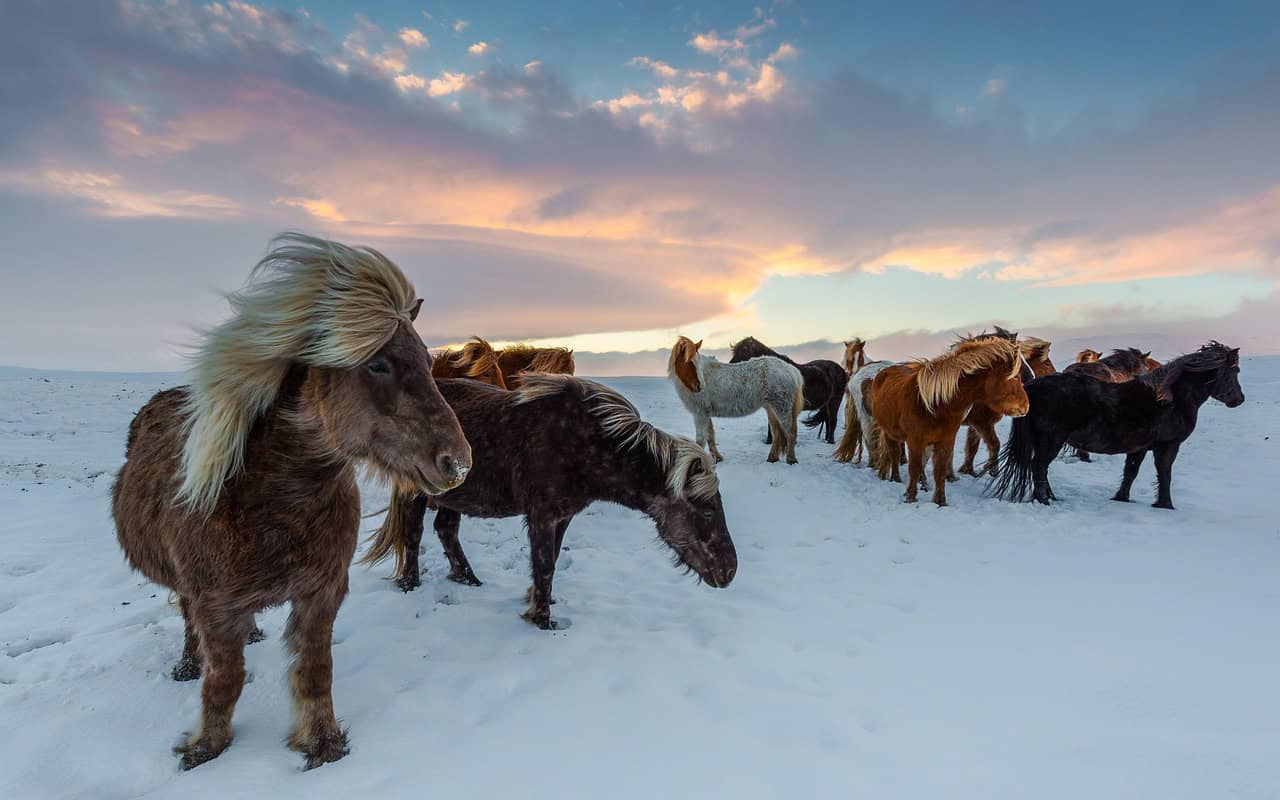
One of the reasons Iceland is such a vibrant destination is because of its lively events and festivals that take place throughout the year. Whether you’re a music enthusiast, a culture lover, or simply enjoy celebrating with locals, there’s something for everyone in Iceland. Let’s delve into some popular events and festivals that make Iceland an even more enticing place.
If you’re visiting Iceland in the winter, you’ll have the chance to experience one of its most renowned music festivals: Iceland Airwaves. This annual event showcases local and international artists across various venues in Reykjavik.
With its eclectic lineup and vibrant atmosphere, it’s no wonder that music lovers flock to this festival each year. Not only does it provide great entertainment, but it also creates a magical ambiance in the city during these cooler months.
Summer is also an incredible time to visit Iceland if you want to immerse yourself in its rich cultural scene. The Reykjavik Arts Festival takes place from late May to early June and offers a diverse program featuring visual arts, theater performances, dance shows, and much more.
It’s a fantastic opportunity to explore the artistic side of Iceland while enjoying longer daylight hours. Another highlight when deciding when to visit Iceland is the Secret Solstice Festival held in June.
This outdoor music festival showcases international acts against breathtaking natural backdrops like glaciers and volcanoes. With an emphasis on sustainability and unique concert experiences like performances inside ice caves or geothermal pools, this festival offers unforgettable moments to inspire you.
No matter what time of year you decide to go to Iceland, exciting events always add charm to your trip. Whether it’s dancing away at music festivals or immersing yourself in cultural celebrations, be sure to check out the calendar of events ahead of your visit so you can experience all the unforgettable experiences!
The best time to visit based on interest in specific events
If you love to immerse yourself in a destination’s vibrant cultural events and festivals, then Iceland has a lot to offer. The best time to visit this enchanting country depends on your interest in specific events.
Let’s dive into some of the most popular events and when they occur so you can plan your trip accordingly. One event that attracts visitors worldwide is the Reykjavik Arts Festival, which usually takes place in late May through early June.
This festival showcases various artistic disciplines, including music, dance, theater, and visual arts. It’s a fantastic opportunity to experience Iceland’s thriving arts scene while enjoying performances by both local and international artists.
For music enthusiasts, take advantage of the Secret Solstice Festival held in June during the summer months. This unique festival takes advantage of Iceland’s midnight sun by hosting concerts and parties all night.
Imagine dancing under sunlight at 2 a.m., surrounded by breathtaking landscapes—an experience like no other! Another event that draws nature enthusiasts is the Great Fish Day (Matur og Drykkur), celebrated in Dalvík—a small fishing village in the island’s northern part—typically held in early August.
During this festival, locals and visitors gather to enjoy fresh seafood caught locally while participating in fish filleting competitions and live music performances. These are just a few examples of the many exciting events happening throughout the year in Iceland.
By aligning your visit with specific events that pique your interest, you can make your trip more memorable and enjoyable. Whether planning a trip to see live performances at art festivals or indulging in delicious seafood delicacies during Fish Day, knowing when these events occur will help you decide on the best time to visit Iceland based on your preferences.
Budget Considerations for Visiting Iceland
When planning a trip to Iceland, it’s essential to consider your budget and how it aligns with the costs associated with visiting the country. The overall cost of visiting Iceland depends on various factors such as accommodation, transportation, food, and activities. By understanding the budget considerations for visiting Iceland, you can make informed decisions and ensure your trip is enjoyable and affordable.

Comparison of travel costs in peak and off-peak seasons
When planning a trip to Iceland, one crucial factor to consider is the comparison of travel costs between the peak and off-peak seasons. The timing of your visit can significantly impact your budget, so it’s important to weigh the pros and cons of each season. During the peak season, which typically falls in the summer months from June to August, Iceland experiences a surge in tourist activity.
As a result, prices for accommodations, flights, and activities tend to be higher than at other times of the year. This is because many travelers flock to Iceland during this time to experience its unique natural wonders and take advantage of favorable weather conditions for outdoor activities like hiking or exploring the famous Golden Circle.
On the other hand, visiting Iceland in the off-peak seasons can offer more budget-friendly options without compromising on experiences. For example, traveling in late spring or early autumn (April-May or September-October) allows you to enjoy milder temperatures while avoiding the peak crowds.
During these times, you may find more affordable deals on accommodations and flights as demand tends to be lower. Moreover, winter offers charm for those willing to brave the colder temperatures.
Traveling between November and March can provide an opportunity for a more budget-friendly trip, as prices generally drop during this time due to decreased demand. However, it is worth noting that certain winter activities, such as visiting ice caves or driving along icy roads, may require additional cost considerations.
When choosing the best time that suits your budget for visiting Iceland, you should weigh factors such as weather preferences, preferred activities, and financial constraints. By carefully considering these aspects and comparing costs between peak and off-peak seasons, you can plan an Icelandic adventure that aligns with your budgetary needs while allowing you ample opportunities to savor all this breathtaking country offers.
Tips for experiencing Iceland on a budget
When it comes to experiencing Iceland on a budget, some tips and tricks can help you make the most of your trip without breaking the bank. Firstly, consider visiting Iceland in September. This time of year is considered shoulder season, meaning fewer tourists and lower prices than the peak summer months.
Not only will you have a chance to see the vibrant landscapes before winter sets in, but you’ll also have better bargaining power regarding accommodations and activities. Another cost-effective way to explore Iceland is to take advantage of the country’s free natural attractions.
With its stunning waterfalls, geothermal pools, and volcanic landscapes, Iceland offers plenty of outdoor adventures without spending a dime. For example, visit the majestic Gullfoss waterfall or dip in one of the many hot springs scattered across the country.
Consider eating like a local to save money on meals during your trip. Reykjavik has a thriving street food scene where you can find delicious and affordable options such as Icelandic hot dogs (known as pylsur) or fish and chips from local vendors.
Additionally, take advantage of supermarkets and grocery stores to stock up on snacks or prepare your own meals if you have access to cooking facilities. Choose accommodations wisely.
While luxury hotels may be tempting, plenty of budget-friendly alternatives are available in Iceland, such as guesthouses or hostels that provide comfortable accommodations at a fraction of the cost. Additionally, if you’re traveling with a group or family, consider renting a vacation home or apartment, which often offers more space and amenities for less than what multiple hotel rooms would cost.
Following these tips for experiencing Iceland on a budget, you can enjoy all this captivating country offers without emptying your wallet. Whether you visit during off-peak season like September when prices are lower or take advantage of free attractions and affordable dining options throughout your trip, there are plenty of ways to make your Icelandic adventure memorable and cost-effective.
Hold up! Have you thought about the importance of travel insurance?
Remember this: anything can happen. Travel is fun, but your health is more important; thus, I always, always, always recommend getting insured during the duration of your trip. I have benefitted from having one multiple times, and it has been covered for thousands of euros!
The latest one is not necessarily “health” related – it was during the peak of the unspeakable terrible C that consumed the world. I was living in Vietnam when I received an email from SafetyWing (my travel insurance) that if I want they’ll fly be back home to Finland as the world goes through a global emergency alert. I flew back fully covered, and dealing with SafetyWing was a breeze despite the roar of people in contact with them trying to get back home.
I can’t highly recommend them enough. Otherwise, I rarely get sick; hence I don’t always need to head to a hospital, but knowing that I have travel insurance makes me feel safe at the very least.
Read my post about why you should get travel insurance for more information. Otherwise, you can get a free quote from SafetyWing – they’re the best, in my opinion.
Ideal Time for Specific Activities
When planning your trip to Iceland, it’s important to consider the ideal time for specific activities. Weather conditions, daylight hours, and seasonal events can greatly impact your experience.

Best time to see the Northern Lights
One of Iceland’s most mesmerizing natural phenomena is the dancing Northern Lights, also known as the Aurora Borealis. The best time to see this enchanting light show is during the winter months, from November to March.
The long nights and relatively high chances of clear skies during this time make it an ideal season for experiencing this magical spectacle. In the winter months, daylight hours in Iceland are shorter, which means darker nights and a higher chance of catching the Northern Lights.
Areas away from city lights offer better visibility, so consider venturing into rural parts of the country for an optimal viewing experience. Thankfully, numerous tour operators offer guided excursions to chase these celestial wonders.
While winter may be cold in Iceland, being surrounded by snow-covered landscapes under a starry sky adds an extra touch of magic to your journey. Imagine standing amidst nature’s serene beauty as vibrant ribbons of green and purple shimmer across the night sky.
It truly is a sight you won’t soon forget. If you prefer milder weather conditions but want to witness the Northern Lights, consider visiting Iceland in May or September.
These transitional months offer moderate temperatures without compromising your chances of seeing this ethereal phenomenon. Additionally, if you’re lucky enough to glimpse them during summer when daylight hours are longer, you’ll have a unique experience as twilight blends with dancing lights.
Whether you choose to visit Iceland in the heart of winter or during its transition into spring or autumn, witnessing the Northern Lights is an awe-inspiring adventure that will leave you with memories to treasure forever. So pack some warm clothing, find a cozy spot away from city lights, and prepare yourself for nature’s dazzling display in one of the most picturesque corners of our planet!
Best time for whale watching
Whale watching is a popular activity in Iceland, and the best time to embark on this adventure is during the summer months. From May to September, the waters around Iceland become home to numerous species of whales, making it an ideal time for visitors to catch a glimpse of these magnificent creatures. The warmer weather during summer allows for smoother sailing conditions, making the experience even more enjoyable.
During the summer months, whale-watching tours in Iceland are in full swing. Whether you embark on a boat tour from Reykjavik or venture further north to Husavik, you will surely have a memorable encounter with these gentle giants of the sea.
The common sightings include humpback whales, minke whales, and even the elusive blue whale if you’re lucky! The boats used for whale-watching tours are equipped with expert guides who provide valuable information about these majestic creatures and their natural habitat.
While summer is also considered the peak tourist season in Iceland due to its pleasant weather and long daylight hours, it is worth noting that whale-watching tours do not get overcrowded. This means you can still enjoy a peaceful and intimate experience while observing these magnificent creatures up close.
It’s advisable to book your tour in advance as they can fill up quickly, especially during popular travel months like July and August. If you’re interested in witnessing the beauty of whales up close and personal, visiting Iceland during the summer months is highly recommended.
From May to September, when the weather is at its best and marine life thrives around Icelandic waters, you have an excellent chance of encountering various whale species on your excursion. So grab your camera and hop aboard for an unforgettable adventure amidst these gentle giants of the sea!
Best time for hiking and exploring the natural beauty
When it comes to hiking and exploring the natural beauty of Iceland, the best time to go is during the summer months, particularly from June to August. This is when you can truly experience the breathtaking landscapes and vibrant colors that make Iceland a paradise for outdoor enthusiasts. With long daylight hours, you’ll have ample time to venture into the wilderness and immerse yourself in its wonders.
Visiting Iceland in summer means you’ll have access to many hiking trails that lead you through some of the country’s most awe-inspiring locations. The Golden Circle, for example, is a popular route that takes you to iconic sites such as Thingvellir National Park, Geysir geothermal area, and Gullfoss waterfall.
The weather during this time is relatively mild, with average temperatures ranging from 10°C (50°F) to 15°C (59°F), making it ideal for comfortable hiking. Another advantage of exploring Iceland in the summer is the chance to encounter various wildlife species.
Watch for puffins nesting on remote cliffs or seals basking on rocky shores as you traverse scenic valleys and coastal cliffs. The vibrant flora also blooms during this time, covering vast meadows with colorful wildflowers that create picturesque backdrops for your adventures.
However, visiting Iceland in September can be a great choice if you prefer cooler temperatures and more solitude on your hikes. While it marks the transition into autumn and brings slightly shorter days compared to midsummer, September still offers pleasant weather conditions with temperatures ranging between 5°C (41°F) and 10°C (50°F).
You’ll also avoid the peak season crowds while enjoying stunning landscapes painted with autumnal hues. Whether you opt for the long summer days or a quieter September visit, both periods offer unique charms when it comes to hiking and exploring Iceland’s natural beauty.
Consider your preferences regarding weather conditions and crowd levels to help you decide which time of year aligns best with your desires. Whichever season you choose, be prepared for unforgettable experiences and the chance to immerse yourself in the breathtaking landscapes that make Iceland a true haven for outdoor enthusiasts.
Best times for city tours, exploring museums, and enjoying local cuisines
When it comes to city tours, exploring museums, and enjoying local cuisines in Iceland, the best times to visit are during the summer months of June, July, and August. Summer in Iceland brings about a vibrant and bustling atmosphere in the cities, with longer daylight hours and many activities to indulge in. Reykjavik, Iceland’s capital city, truly comes alive with its charming streets filled with colorful houses and trendy cafes.
During this time of year, visitors can wander around downtown Reykjavik and discover its eclectic mix of art galleries, boutique shops, and museums. The Reykjavik Art Festival is a highlight for art enthusiasts as it takes place during this period.
This festival showcases various contemporary art exhibitions throughout the city, providing a unique opportunity to immerse oneself in Icelandic culture. Summer is also the best time for food lovers to savor Icelandic cuisine.
Restaurants offer menus featuring local delicacies such as fresh seafood like Atlantic salmon or langoustine from Eyjafjordur. Additionally, food festivals like Taste of Reykjavik offer an array of culinary delights where visitors can try traditional dishes like Icelandic lamb or skyr-based desserts.
If you prefer milder weather and fewer crowds but still want to enjoy city tours and cultural experiences without sacrificing too much daylight, September is also an excellent time to visit Iceland. The weather remains relatively mild this month, while attractions are less crowded than peak season.
You can explore Reykjavik’s stunning architecture or visit museums such as the National Museum of Iceland or the Saga Museum, which delve into the country’s fascinating history. Summertime from June to August is ideal for city tours in Iceland as it offers longer days packed with cultural events like art festivals and opportunities to explore museums that showcase Icelandic heritage.
If you’re seeking a quieter experience with pleasant weather conditions but still want ample daylight for exploration, September is also a great time to visit. So, whether you are strolling through Reykjavik’s vibrant streets, delving into the local art scene, or indulging in Icelandic culinary delights, there are plenty of options to make the most of your visit.
What are my favorite travel must-haves?
As a frequent traveler, I’ve learned a lot throughout my years of travel, and there are five items that I always carry with me regardless of where I go and how long the trip is. Here are my five travel must-haves!
- Warm packable jacket – I always carry a light jacket, even when heading to warm countries. There hasn’t been a time I never used it, especially in airports and planes.
- Transparent toiletry bag – I often bring a carry-on if I’m only traveling within Europe for a few days. Life is so much easier to go through security checks with a transparent toiletry bag.
- Kindle Paperwhite – I love a good read and always take my Kindle everywhere. It keeps me entertained during long flights and waiting times.
- Powerbank – I don’t know how I could travel without one! Having a power bank saved me a ton since I carry a lot of electronic devices with me.
- Travel Adapter – I never leave my luggage without a travel adapter! I carry one with me all the time. It is just one of that travel-must haves that doesn’t hurt to have in your bag at all times.
So, when is the best time to visit Iceland?
Iceland is a captivating destination that offers something for everyone, regardless of the time of year. Whether you seek the Northern Lights’ mesmerizing spectacle or the vibrant energy of summer festivals like the Reykjavik Art Festival, this enchanting country has it all.
Visiting Iceland in winter unveils a whole new world of wonder. The ethereal beauty of snow-covered landscapes and frozen waterfalls is truly breathtaking.
It’s also an excellent time to go glacier hiking and explore the unique ice caves that form during these months. Although weather conditions can be unpredictable, proper planning and preparation will ensure a safe and unforgettable experience.
For those more flexible with their travel dates, spring and autumn offer a harmonious blend of natural splendor and cultural festivities. Late September marks the best time to see the winter lights in Reykjavik, illuminating the city with dazzling displays.
Additionally, exploring famous attractions like the Golden Circle during these shoulder seasons allows for smaller crowds and more intimate encounters with nature’s wonders. Summer is also an incredible time to visit Iceland if you crave longer days filled with endless adventure.
The pleasant weather beckons outdoor enthusiasts to partake in hiking, kayaking, or simply basking in the midnight sun. With vibrant wildlife and opportunities for whale watching along Iceland’s coastlines, there will never be a dull moment.
So whether you’re planning a trip to see nature’s spectacles or immerse yourself in cultural events, Iceland offers an array of experiences throughout all seasons. Each part of the country reveals unique charms at different times of the year, making it difficult to pinpoint one definitive “best” time to go.
Ultimately, your ideal time to visit Iceland depends on your interests and preferences. No matter when you decide to embark on your Icelandic adventure, rest assured that this extraordinary land will leave an indelible mark on your soul and create memories that will last a lifetime.
So pack your bags, embrace the spirit of adventure, and prepare for an unforgettable journey through the land of fire and ice. Iceland awaits you with open arms.
Planning a trip to Iceland? Check out our other posts!
- Best time to visit Iceland
- Points of interest: Must-see museums in Reykjavik, Restaurants to check out, Cafes to take a break, Top attractions to visit, Places to visit, Top museums in Iceland
- Plan your visit: Day trips from Reykjavik, Beaches in Iceland, Top things to do, Things to know before your visit, Best hikes to do, National Parks
- Cultural insights: Facts about Iceland, Tipping in Iceland, Traditional Icelandic foods to try, Drinks in Iceland
- Useful insights: Supermarkets in Iceland, Camping sites
- Iceland by month: January, February, March, April, May, June, July, August, September, October, November, December
Are you on Pinterest? Pin this for later reading!
