What are the essential things every traveler should know when planning a trip to Iceland? Read on. Planning a trip to Iceland can be a little bit tricky, especially because of easily changing weather conditions. It’s not a big deal, though, especially since there’s a lot of places to visit in Iceland all year round.
Besides, a slight difference in weather does not necessarily cause a major spoil. But of course, that always depends on which kind of attractions tourists want to see.
In this article, we’ll show you how to properly organize a trip to Iceland in a strategic and practical way. In that way, you don’t have to panic and create mindless decisions that can impede a meaningful experience.
We also included some essential information to consider in planning to ensure a smooth and efficient itinerary. Here we go.
Planning a Trip to Iceland: Top 13 Essential Things to Know
Where is Iceland located?

Iceland is one of the world’s northernmost countries and is often touted as the “land of ice and fire.” Due to its vast geothermal heat sources and the presence of massive glaciers, Iceland is known for having strong temperature differences.
It is cut away from the rest of Europe and is only next to Britain in terms of landmass. More than 60% of the country’s population resides in Reykjavik as most of the country is not suitable for settlements.
When is the Best Time to Visit?
People may be surprised to know that Iceland is never hot while it is almost prohibitive to visit during some months of the year. The most recommended period to visit is from July and August because these have milder daytime temperatures at around 14-15 degrees.
December to March is the most difficult time to visit because of the harsh weather conditions. During summer, it is said that the night never comes while daytime hours are very few during winter. But it is also during this period when people can see the surreal Northern Lights.
What to Prepare to Reach Iceland?
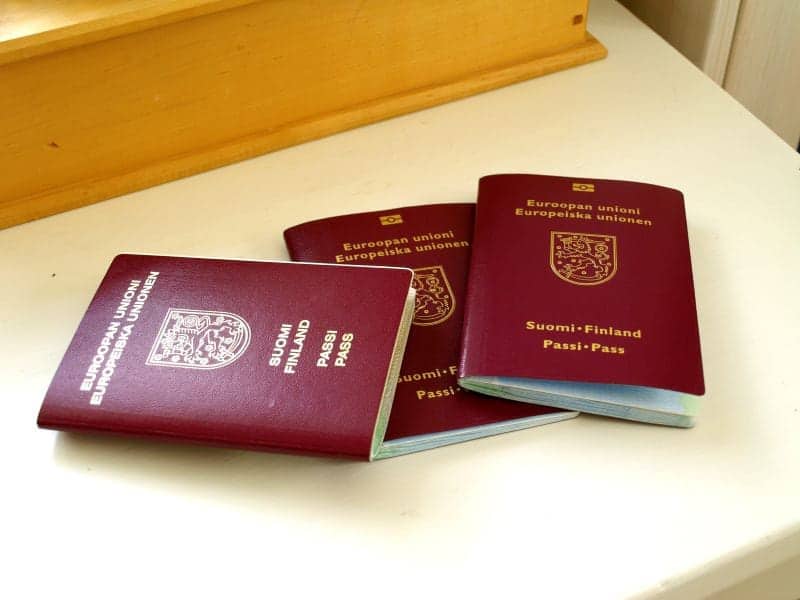
- VISA (depending on the country)
- Passport or ID card
- Driving license
- Mandatory credit card for a rental car
- European health card for insurance purposes (especially applicable for mountain climbers)
- A list of foods, medicines, and prohibited drugs to which you are allergic
What is Iceland’s Currency?
Iceland’s currency is known as ISK. Visitors can make use of their credit cards to avoid the hassles of carrying money throughout the trip. That’s acceptable throughout the country. But always spare some cash just in case there will be technical problems.
What to Wear while in Iceland?

The basic rule is to wear the most comfortable clothing that suits a country’s topography, weather, temperature, and cultural protocols.
Since Iceland is a cold country, it’s best to bring a thick jacket, muffler, hats, including comfortable shoes and socks. One can also bring gloves for added warmth. Your clothing should also be suitable for outdoor activities like hiking or walking.
Taking a Rental Car in Iceland
Renting a car is an ideal option since Iceland is perfect for a road trip almost throughout the year. But take note. It’s not necessary for visitors who are traveling to more common areas such as the Golden Circle.
But for tourists who intend to explore remote destinations, especially in northern Iceland, it’s recommended to rent an SUV. We can never know what happens both to the car and the passengers.
So it’s a good idea to avail of full coverage insurance, especially when visiting Iceland during the winter months. Those who want to rent a car should at least be 21 years old. They should also bring a valid driver’s license.
Touring Iceland by Bus
Visitors can avail of the many bus tours from Reykjavik to the most popular destinations in Iceland, including the Golden Circle, geysers, waterfalls, and the iconic Blue Lagoon.
This type of tour is ideal for those who are not into extremities or who just want a smooth and convenient trip. But expect higher costs.
Touring Iceland by Van
Touring Iceland by van is one of the best options, especially since passengers can stop almost anywhere. The country’s “law of survival” makes that possible. Visitors can spend the night anywhere and feast on edible fruits or vegetables in the area.
But make sure that you have to ask permission from the landowner. The local authorities encourage this type of travel because there are numerous caravans supporting it.
Where to Sleep in Iceland?
Iceland has one of the most expensive rates for both food and accommodation. The cheapest option is around 150 Euros per night, and this usually comes with no breakfast. Budget-conscious travelers can choose to stay on farm accommodations with fewer rooms but at way, cheaper rates compared to hotels. Others can spend the night camping in designated areas.
Getting to Iceland
To find the best flights at the best price, check out comparison sites such as Skyscanner. But that always depends on where visitors are flying.
Network Coverage and Internet in Iceland
Many of the remote parts of Iceland don’t have network coverage or any form of internet connection. That means visiting these areas will disconnect you from the rest of the world. For better coverage, buy an Icelandic card at the airport and use it to connect online.
The most reliable companies in Iceland are Siminn and Nova. But again, keep in mind that both cannot work in many other parts of the country. Take that as an opportunity to escape the digital world and fully connect with yourself and the natural environment.
Itinerary in Iceland
The so-called Ring Road is the only road that runs across the entire island. The only thing visitors should consider is the attractions they want to see and the time they can spend on each.
While they can plan their itinerary, they can always seek recommendations from local tour operators and even from the government authorities.
Travel Cost in Iceland
Compared to other countries in Europe, Iceland can cost a huge chunk of one’s money. While accommodations and transportation cost a lot already, food rates are also more expensive.
A typical meal can cost $40 per person! Thankfully, there are supermarkets where visitors can buy cheaper food options, such as Vidir and Bonus. Because of a law covering imports, the cost of alcohol and other beverages is also high.
So those are just some of the most important considerations when planning a trip to Iceland. Make sure to take them into account when setting an itinerary. In that way, you’ll not only enjoy the sights and have a meaningful experience but also save on budget.
Do you want to travel around Scandinavia? Start here!
Can’t decide where to go? Check out these posts!
- Top 15 STUNNING Places to Visit in Scandinavia
- Top 15 BEST Places to Visit in Northern Europe
- Top 17 UNIQUE Places to Visit in the Nordics
- Northern Lights Holiday: Top 10 Destinations to Spot Aurora Borealis
- Where to See the Midnight Sun: Top 8 Places Where the Sun Never Sets
Top countries in Scandinavia
- Top 18 BEST Places to Visit in Finland
- Top 15 BEST Places to Visit in Sweden
- Top 15 BEST Places to Visit in Norway
- Top 10 BEST Places to Visit in Denmark
- Top 10 BEST Places to Visit in Iceland
Useful guides to get you started
- Tips and Tricks on How to Save Money on Accommodation
- Top 5 Tips on How to Save Money for Travel
- 15 Cheap Hostel Meals You Can Make in an Instant