
When is the best time to visit Denmark? Discover the optimal time to explore captivating Denmark with detailed insights on weather, activities, and planning your visit. Uncover the Danish charm!
Planning a trip to Denmark? When is the best time to visit this charming Scandinavian country?
Well, you’ve come to the right place! In this article, we will explore the ideal time to go to Denmark and share some insider tips on making the most of your visit.
Denmark experiences four distinct seasons, each offering its unique charm. Let’s start with spring, which typically runs from March to May.
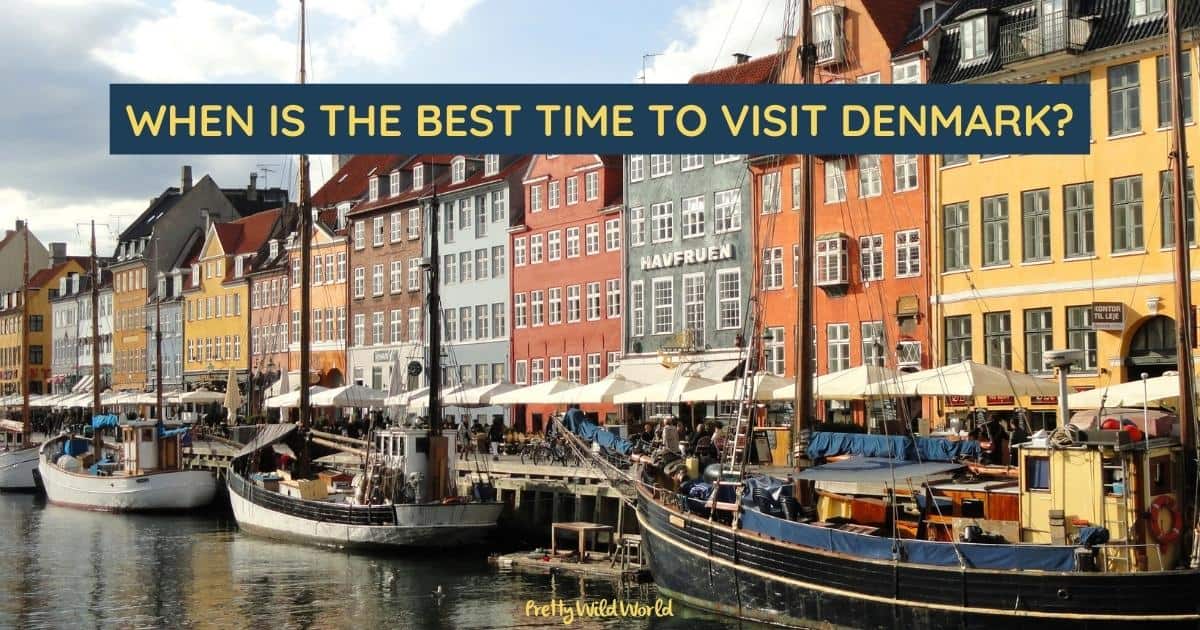
This is a delightful time of year when nature comes alive with vibrant blooms and lush greenery. As the days grow longer and temperatures rise, spring is perfect for exploring Denmark’s picturesque countryside or taking leisurely strolls along Copenhagen’s Nyhavn Canal.
Remember your camera – spring usually brings bright sunlight that beautifully illuminates all your travel memories. If you prefer warmer weather and a bustling atmosphere, the summer months from June to August are an excellent choice for your Danish adventure.
With long days and plenty of sunshine, this is when Denmark truly shines (quite literally!). The pleasant temperatures make it ideal for outdoor activities like cycling along the coastline or picnicking in one of Copenhagen’s many parks.
Take advantage of Tivoli Gardens – an iconic amusement park that captures the essence of Danish summer fun during summertime. As autumn sets in from September through November, Denmark transforms.
The crisp air and vibrant hues make it an enchanting time for nature enthusiasts. Witnessing the changing colors of leaves while strolling through one of Denmark’s many parks or forests can be quite magical.
If you are in Copenhagen during late September, check out Kulturnatten (Culture Night), where museums, art galleries, and cultural institutions open their doors late into the night for public enjoyment. If you’re seeking a winter wonderland experience in Denmark, December through February is your go-to period.
While winters can be chilly in Scandinavia, this time of year offers many delights. Denmark’s cities, especially Copenhagen, are adorned with twinkling lights and festive decorations.
The holiday season brings a cozy atmosphere, and the Danish concept of hygge (a feeling of coziness and contentment) is at its peak. Exploring Christmas markets or enjoying warm beverages in charming cafes becomes irresistible during these months.
All in all, Denmark is a destination that can be enjoyed throughout the year. Each season has a unique appeal, so it ultimately depends on your preferences and the activities you’re most interested in.
Whether captivated by the allure of blooming spring landscapes or drawn to the cozy charm of Christmas markets in winter, Denmark has something for everyone. So plan your visit to Denmark based on what appeals to you most – whether it’s fewer crowds and ideal weather or immersing yourself in Danish holiday traditions.
Remember to consider factors like costs, peak travel seasons, and specific events that may coincide with your trip. With proper planning and an open mind, you’ll undoubtedly have a memorable experience exploring this captivating corner of Scandinavia!
Follow me on Instagram, where you’ll see more personal tips about living in Finland from a local resident chef and content creator 🍃🍃🍃
📚 Do you want to learn the Finnish language for FREE? Check out Spark Your Finnish course!
🇫🇮 How about diving into Finland’s culture? Here’s another FREE culture class to learn how to connect with Finns
❗️ Be insured before your trip to Finland and get a SafetyWing FREE insurance quote
📚 Read our post about why you should always have insurance
✈️ Find out how to find cheap flights to Finland using Skyscanner or find deals now
Weather and Climate in Denmark
Denmark, located in the Scandinavian region of Europe, experiences a temperate maritime climate. The weather in Denmark is greatly influenced by its proximity to the ocean and the Gulf Stream, which keeps the country relatively mild throughout the year.
However, it’s important to note that Denmark does have distinct seasons and varying weather conditions. Spring in Denmark (March to May) is a delightful time to visit the country.
The days start getting longer, temperatures rise, and nature awakens from winter slumber. You can witness the beautiful cherry blossoms and colorful tulips across the countryside during this time.
Chilly winds can persist during March but gradually give way to milder weather as spring progresses. This season is perfect for exploring Denmark’s charming cities, such as Copenhagen, where you can enjoy events like Kulturnatten (Culture Night) and visit historical landmarks like Tivoli Gardens.
Summer (June to August) is undoubtedly one of the best times to visit Denmark. With temperatures averaging around 68°F to 78°F (20°C to 25°C), this season offers pleasant weather for outdoor activities and sightseeing.
Danish beaches come alive with locals and tourists enjoying sunbathing or taking refreshing dips in the sea. Summer festivals and events take place throughout the country, such as the Roskilde Festival – Scandinavia’s largest music festival – where you can experience live performances from renowned artists.
Autumn in Denmark (September to November) brings cooler temperatures but remains an appealing time for visiting this Scandinavian gem. September is another great month with mild weather that allows you to explore without feeling overwhelmed by crowds.
As October sets in, temperatures drop further, but it’s still a fantastic time for cultural experiences and outdoor adventures amidst stunning fall foliage. Due to Denmark’s maritime climate influence, Winter (December to February) may be cold but rarely severe.
Average winter temperatures range between 30°F (-1°C) and 41°F (5°C). Despite the chilly weather, this season has its own unique charm.
The Danish concept of “hygge” becomes more prevalent during winter, with cozy candlelit cafes and warm gløgg (mulled wine) being savored. Visiting the capital city of Copenhagen during the winter months allows you to witness iconic sights adorned with twinkling Christmas lights alongside the early bulbs signaling the arrival of spring.
Denmark offers a range of experiences throughout the year. The best time to go will depend on your preferences and the activities you wish to partake in.
Whether you visit during spring when nature blooms, summer for beachside relaxation, autumn for cultural immersion, or winter for an enchanting holiday atmosphere – Denmark has something to offer year-round. Remember to check travel advice and plan accordingly to make your trip memorable.
Best Time to Visit Denmark According to Seasons
Considering the different seasons can greatly impact your experience when planning your trip to Denmark. Each season holds its own charm and unique attractions, so let’s dive into the best time to visit Denmark according to the seasons.

Spring in Denmark (March-May)
Spring in Denmark, which spans the months of March to May, is a captivating time to visit this charming Scandinavian country. The climate during this period is still transitioning from the cold winter to warmer temperatures, making it an ideal time to explore Denmark’s picturesque landscapes and vibrant cities. In terms of weather, spring in Denmark can be unpredictable.
Average temperatures hover around 5-15 degrees Celsius (41-59 degrees Fahrenheit), but checking a climate guide before packing your bags is always a good idea. While occasional chilly days may still be, snowfall is rare during this time of year.
Instead, you can expect milder weather and blossoming nature all around. Traveling to Denmark in spring means you’ll get the chance to witness the gradual awakening of the flora and fauna that blanket the country.
Parks and gardens burst into vibrant colors as flowers bloom and trees regain lush green foliage. It’s truly a sight to behold!
For those who enjoy outdoor activities, spring offers pleasant conditions for exploring Denmark’s stunning natural landscapes or taking leisurely walks along its scenic trails. One notable event that takes place during spring in Denmark is the Copenhagen Jazz Festival.
This internationally acclaimed festival attracts jazz enthusiasts worldwide and showcases talented musicians across various venues in the city. If you’re a fan of jazz music or simply want to immerse yourself in Copenhagen’s lively atmosphere, visiting during this time would be an excellent choice.
Overall, spring sets a delightful tone for your visit to Denmark with its blossoming nature and cultural festivities. The weather may still have its cool moments, but rest assured that you’ll find plenty of warmth from the locals’ hospitality and your explorations throughout this enchanting country.
Summer in Denmark (June-August)
Summer in Denmark (June-August) Summer in Denmark, from June to August, is undoubtedly one of the best times to visit this Nordic gem. The weather during these months is relatively warm and pleasant, making it perfect for exploring Denmark’s rich cultural heritage and breathtaking landscapes.
With temperatures hovering around 20-25 degrees Celsius (68-77 degrees Fahrenheit), you can shed your jackets and enjoy the warmth of the Danish summer. It’s no wonder that summer is considered the peak tourist season, as visitors flock to Denmark in search of its vibrant atmosphere and picturesque scenery.
The long days are at their longest during this time, allowing you ample daylight hours to pack your itinerary with exciting activities. One of the highlights of a Danish summer is almost always sunny and clear skies.
Locals and tourists are basking in the sunshine at popular coastal spots like Skagen or Bornholm, where you can unwind on pristine sandy beaches or take a refreshing dip in the crystal-clear waters. For those seeking adventure, there are plenty of opportunities for water sports, such as kayaking or windsurfing along Denmark’s stunning coastline.
During summer, Copenhagen has many events and festivals catering to all interests. From music festivals like Roskilde Festival, which attracts visitors from all over Europe with its impressive lineup of international artists, to cultural events like Copenhagen Cooking – a celebration of Danish gastronomy – there’s something for everyone.
Exploring Copenhagen’s vibrant streets and charming neighborhoods becomes even more delightful when accompanied by warm weather and an array of outdoor dining options. In addition to its lively atmosphere, summer brings out some unique natural phenomena in Denmark.
While not as famous as their Scandinavian neighbors’ displays, lucky travelers might glimpse the enchanting northern lights during clear nights in northern parts like Aalborg or Hjørring. Although sightings are relatively rare compared to countries further north, Denmark’s location at the tail-end of the Gulf Stream offers a much better chance of witnessing this ethereal spectacle.
Summer is undeniably one of the best times to visit Denmark. With its mild and pleasant weather, longer daylight hours, and many events and activities to enjoy, it’s no wonder this season attracts visitors all year round.
Whether you want to explore Copenhagen’s cosmopolitan charm or immerse yourself in Denmark’s natural beauty, summer provides an ideal backdrop for an unforgettable Danish experience. So pack your sunglasses and sunblock and get ready to indulge in everything Denmark offers during the warmest months of the year!
Autumn in Denmark (September-November)
Autumn in Denmark, which spans from September to November, can be a wonderful time to visit this captivating Scandinavian country. As the summer crowds disperse, you’ll find a more serene and laid-back atmosphere, making it an ideal time for those seeking a peaceful getaway. During September, the weather in Denmark starts to transition from the warmer summer months to cooler temperatures.
The days gradually become shorter, and there is often a drop in temperature towards the end of the month. However, it’s still possible to experience crisp, sunny days offering pleasant outdoor exploration opportunities.
This is especially true during early September, when the tail-end of the Gulf Stream brings milder conditions. By October and November, autumn fully takes hold of Denmark.
The temperatures usually hover between 5°C (41°F) and 15°C (59°F), making it important to pack layers to stay comfortable throughout your explorations. While rain showers can occur, they are typically less frequent or heavy than during springtime.
One of the highlights of visiting Denmark in autumn is witnessing nature’s transformation as vibrant hues of reds, yellows, and oranges paint the landscape. Parks such as King’s Garden (Kongens Have) in Copenhagen are particularly stunning during this time of year.
Additionally, if you’re an avid cyclist or enjoy outdoor activities, autumn provides ideal conditions for leisurely bike rides through picturesque countryside routes. Overall, autumn offers a unique charm, distinguishing it from other seasons in Denmark.
The pleasant weather conditions combined with fewer tourists allow a more intimate experience with Danish culture and natural beauty. Whether you want to explore historical sites like Kronborg Castle or immerse yourself in Copenhagen’s cultural scene by attending events like the Copenhagen Jazz Festival, which runs until late October or early November – there is something for everyone during this time of year.
So, if you’re planning a trip to Denmark between September and November – pack your cozy sweaters, embrace the changing colors of the Danish landscape, and get ready to experience the country in a new light. Autumn in Denmark will surely leave you unforgettable memories of its charm and beauty.
Winter in Denmark (December-February)
Winter in Denmark (December-February), Winter in Denmark, spanning from December to February, can be a magical time to visit the country.
While it may not be the most popular choice for tourists, there are several reasons why this season holds its own charm for those willing to brave the colder temperatures. One of the main advantages of visiting Denmark during winter is that you’ll get to experience the enchanting holiday season.
The cities transform into winter wonderlands with festive decorations adorning every corner. The streets are illuminated by twinkling lights, and Christmas markets open their doors, offering many delicious treats and handcrafted gifts.
It’s an ideal time to immerse yourself in Danish culture and traditions. Additionally, the winter months offer a respite from the crowds that typically flock to Denmark during peak tourist seasons.
With fewer tourists, you’ll have more space and freedom to explore popular attractions at your own pace. Copenhagen, Denmark’s capital city, becomes quieter this time of year, allowing you to truly appreciate its beauty without feeling rushed or overwhelmed.
While it can get chilly outside during wintertime in Denmark, it’s worth noting that the weather remains relatively mild compared to other countries at similar latitudes. Thanks to the tail-end of the Gulf Stream current that passes by its western coastlines, Denmark experiences milder winters than expected.
However, it’s always wise to come prepared with warm layers of clothing and waterproof gear, as occasional snowfall is not uncommon. Although winter may not be considered peak travel season in Denmark due to colder temperatures and shorter daylight hours compared to summer months like July and August when days are at their longest, it still offers unique opportunities for those looking for a different experience.
Visiting during this time allows you to witness Danish holiday traditions firsthand while enjoying reduced crowds and mild weather conditions. Don’t let chilly temperatures deter you – embrace winter’s charm and embark on an unforgettable adventure in Denmark.
Are you planning your travels? Here’re my top travel resources!
I’m a serial planner both in life and in travel – I have bucket lists, things to do, see, and everything. So, I always love when my life is sorted easily using tools and resources that would make my general planning a little smoother and easier. Therefore, in my many years of traveling the world, I’ve seen myself returning to these travel resources repeatedly. And here I am, sharing my tips to make your life easy and breezy so you can stress less, travel heaps, and focus on the fun part of travel!
- Booking.com – I book all my hotels through this website and don’t honestly use anything else. They always have the best prices, in my opinion.
- Airbnb – If I’m traveling long-term to one destination, I book my flats through Airbnb.
- Skyscanner – The best place to find cheap flights on flexible dates. I use this a lot to score cheap flights within Europe!
- SafetyWing – Always travel insured! Never leave your home country without one. It is worth the extra money, I promise you!
- GetYourGuide – Hands-down, the best place to find cool and unique tours if you don’t feel like winging it, and go straight to a local expert. I use this a lot in new destinations to get acquainted with the area!
- My Pretty Wild World Travel Diary (coming soon) – A book you can write down your travel plans, create itineraries, track down your budget, and dot down memories along the way! A handy book you can keep and read later to revisit memory lane.
- Pretty Wild World Travel Planning Printables (coming soon) – Are you a nut like me when it comes to planning? Yes? Good. My travel planning resource in one zip file is an easy-to-use printable planner that comes with tips that helps you plan your travels during the planning stage, a pre-flight checklist, an itinerary planner, and so on.
Best Times to Visit Denmark for Various Activities
When planning your visit to Denmark, considering the best times for different activities can enhance your overall experience.

Best time for sightseeing in Denmark
When sightseeing in Denmark, the best time to visit depends on your preferences and what you want to see. If you’re keen on exploring historical sites and immersing yourself in the rich culture of this Scandinavian country, summer is almost always sunny and clear, making it an ideal time for sightseeing. The warmest month in Denmark is usually July, with temperatures that hover around 20-25 degrees Celsius (68-77 degrees Fahrenheit).
During this time, you can enjoy long days of sunlight and explore popular attractions without worrying about chilly weather. Visiting Denmark during spring or autumn can be lovely if you prefer milder weather and fewer crowds.
In spring (March-May), the weather starts to warm up, and the landscape becomes vibrant with blossoming flowers. It’s a perfect time to visit Copenhagen’s Tivoli Gardens or stroll along Nyhavn’s colorful canal.
September is another great month for sightseeing in Denmark. The summer crowds have dwindled, but the weather is still good, with temperatures ranging from 15-20 degrees Celsius (59-68 degrees Fahrenheit).
It’s an ideal time to explore attractions like Kronborg Castle or take a scenic road trip along Denmark’s picturesque coastal routes. Another option is visiting in winter when there may be a drop in temperature, but the bright sunlight and cloudless skies can make it an enchanting time to visit Copenhagen.
The city comes alive with Christmas markets and twinkling lights during this festive season. Exploring historic landmarks like Amalienborg Palace or wandering through cozy café-lined streets becomes magical amidst a cool winter ambiance.
Whether you prefer warmer temperatures or don’t mind cooler weather, there are plenty of options for sightseeing in Denmark throughout the year. Summer offers longer daylight hours and pleasant temperatures, while spring brings blooming nature.
Autumn provides milder weather and fewer crowds, while winter boasts Christmas markets and a charming winter atmosphere. Consider your preferences for climate and ambiance to choose the best time to embark on your Danish sightseeing adventure.
Best time for outdoor activities in Denmark
Regarding outdoor activities, Denmark offers a wide range of options throughout the year. However, the best time for outdoor adventures in Denmark is summer, particularly in July and August.
During this time, the weather is at its warmest and most pleasant, with temperatures ranging from 68°F to 78°F (20°C to 25°C). The long daylight hours also provide ample time to explore and enjoy various outdoor activities.
Cycling is a popular outdoor activity in Denmark. The country is known for its well-developed cycling infrastructure, making it a haven for biking enthusiasts.
From picturesque coastal rides to exploring charming countryside landscapes, there are endless possibilities for cyclists of all levels. The weather is ideal for cycling in the summer, as you can enjoy pleasant temperatures and longer daylight hours.
If hiking is more your style, autumn in Denmark can be a great time to hit the trails. As the leaves start changing colors and nature prepares for winter slumber, there’s a certain charm in venturing into Denmark’s forests and national parks.
The temperatures usually hover around 50°F (10°C), making it comfortable for extended hikes without getting too hot or cold. It’s also a quieter time to explore nature as tourist crowds thin out compared to peak summer months.
Water-based activities are also popular during Denmark’s warmer seasons. Whether you’re into sailing, kayaking, or simply dipping in pristine waters, summer offers ideal conditions for enjoying Denmark’s coastlines and lakes.
With over 7,000 kilometers of coastline dotted with charming beaches and picturesque islands, plenty of opportunities exist to soak up the sun or engage in water sports. , “The best time for outdoor activities in Denmark largely depends on your preferences.” Visiting during July and August is perfect if you prefer warmer temperatures, bustling beach towns, and a vibrant coastal atmosphere.
If you enjoy cooler temperatures while immersing yourself in nature’s autumn hues, consider planning your fall trip. Denmark’s outdoor offerings will leave you spoilt for choice regardless of the season.
The best time to enjoy the Danish food culture
When it comes to experiencing Danish food culture at its finest, there are several factors to consider when determining the best time to visit Denmark. The cuisine in Denmark is heavily influenced by its coastal location, with a focus on fresh seafood and locally sourced ingredients.
To truly immerse yourself in the vibrant culinary scene, it is important to plan your visit accordingly. For seafood enthusiasts, the autumn months of September through November offer an excellent opportunity to indulge in Denmark’s coastal delicacies.
During this time, the waters surrounding Denmark teem with abundant fish and shellfish. As the summer crowds dwindle, you can enjoy freshly caught fish and plump oysters without competing for reservations at popular restaurants.
The cooler temperatures lend themselves well to cozying up with a warm plate of hearty seafood stew or perfectly grilled fish. If you have a sweet tooth or are interested in exploring Danish pastries and desserts, visiting during the holiday season is highly recommended.
From late November until Christmas, bakeries across Denmark start churning out traditional treats such as æbleskiver (delicious pancake puffs), pebernødder (spiced cookies), and julekage (Christmas cake). The air becomes filled with warm aromas of cinnamon and cardamom as locals prepare for festive gatherings.
The enchanting Christmas markets open up in various cities like Copenhagen, offering an array of mouthwatering treats that will ignite your taste buds. For those who prefer warmer weather while sampling Danish cuisine outdoors, summer is undoubtedly the best time to visit Denmark.
From June through August, daylight hours are at their longest, and temperatures hover around a comfortable 68°F (20°C). This period marks a high season for tourism as visitors flock to explore the country’s picturesque landscapes and vibrant cities.
During this time, street food festivals pop up across Denmark where you can savor delicious open-faced sandwiches known as smørrebrød alongside refreshing beverages like Danish craft beers or aquavit. The best time to enjoy Danish food culture depends on your preferences and the type of culinary experience you seek.
Whether indulging in fresh seafood during autumn, savoring traditional holiday treats in winter, or embracing the lively atmosphere of summer street food festivals, Denmark has something to offer throughout the year. So plan your visit accordingly and embark on a gastronomic journey through this charming Scandinavian country.
The best time to visit Danish beaches
When exploring Danish beaches, the best time to visit depends on your preferences and what you seek in a beach experience. If you’re looking for warm water and sunny skies, the summer months of June to August are your best bet.
The temperatures can reach up to 78°F (25°C) during this time, making it perfect for swimming and sunbathing. Danish beaches come alive during these months, with tourists and locals flocking to enjoy the sandy shores.
However, if you prefer a more serene beach experience where you can have some quiet time and avoid crowds, visiting outside during the peak summer season is ideal. In early October, for example, when summer transitions into autumn, you can still find pleasant weather, allowing leisurely walks along the shoreline.
The temperature drops slightly during this time but remains comfortable for outdoor activities. Denmark’s beaches also attract visitors all year round due to their natural beauty and serenity.
Even during the winter months of January and February, when temperatures are colder, there is something magical about strolling on a deserted beach with crisp air filling your lungs. Although swimming may not be feasible during this season due to cooler water temperatures, it offers a unique opportunity to witness Denmark’s coastal scenery in its rawest form.
It’s worth mentioning that Danish beaches offer different experiences based on their location within the country. The western coast boasts wide sandy stretches perfect for long walks or flying kites in the wind.
On the other hand, if you prefer rocky landscapes, dramatic cliffs, and smaller sandy coves tucked away amidst lush greenery, head towards Denmark’s eastern islands, such as Bornholm. Whether you want to soak up sun rays in full bloom or take peaceful strolls along deserted shores surrounded by rugged beauty, there is no shortage of options when visiting Danish beaches.
Summer provides warmer temperatures and bustling beach scenes, while autumn and winter offer a quieter ambiance with fewer crowds. Whatever time you visit, check the weather forecast and link to the latest travel advice to make the most of your beach experience in Denmark.
Best time for shopping in Denmark
When it comes to shopping in Denmark, there are various factors to consider that can greatly enhance your experience. The best time for shopping in Denmark largely depends on what you’re looking for and what kind of shopping experience you prefer. If you’re looking for great deals and discounts, the popular time to visit Denmark for shopping is during the end-of-season sales, typically in November and December.
Many stores offer substantial discounts on clothing, accessories, home goods, and more during this time. In addition to the end-of-season sales, another exciting event for shoppers in Denmark is Kulturnatten or Culture Night.
This annual event usually takes place in October and offers a unique opportunity to explore stores open late into the evening. It’s a fantastic way to discover local boutiques, independent shops, and specialty stores while immersing yourself in Denmark’s vibrant cultural scene.
Autumn is generally considered a good time for shopping in Denmark, as many shops start stocking up on new collections after summer sales. Remember that some smaller shops may have reduced hours outside of the high tourist season.
However, major department stores and shopping centers usually maintain regular opening hours year-round. If you’re interested in Danish design and craftsmanship, you can find many options throughout the year.
From renowned brands like Georg Jensen or Royal Copenhagen to local artisans selling unique handmade items at markets or boutique shops – Denmark offers plenty of opportunities to find something special. Regarding shopping in Denmark, timing depends on your preferences – whether hunting for bargains during end-of-season sales or enjoying late-night shopping during cultural events like Kulturnatten.
Autumn can be an excellent time as new collections arrive after summer sales, but do keep an eye on reduced hours outside of the high tourist season for smaller shops. Regardless of when you visit this beautiful country known for its Danish design heritage, you’re bound to find something delightful to take home.
Hold up! Have you thought about the importance of travel insurance?
Remember this: anything can happen. Travel is fun, but your health is more important; thus, I always, always, always recommend getting insured during the duration of your trip. I have benefitted from having one multiple times, and it has been covered for thousands of euros!
The latest one is not necessarily “health” related – it was during the peak of the unspeakable terrible C that consumed the world. I was living in Vietnam when I received an email from SafetyWing (my travel insurance) that if I want they’ll fly be back home to Finland as the world goes through a global emergency alert. I flew back fully covered, and dealing with SafetyWing was a breeze despite the roar of people in contact with them trying to get back home.
I can’t highly recommend them enough. Otherwise, I rarely get sick; hence I don’t always need to head to a hospital, but knowing that I have travel insurance makes me feel safe at the very least.
Read my post about why you should get travel insurance for more information. Otherwise, you can get a free quote from SafetyWing – they’re the best, in my opinion.
How to Plan Your Visit to Denmark
When planning your visit to Denmark, you should consider a few factors to make the most of your trip. The first thing to consider is the climate and weather conditions when traveling.

Factors to consider when planning your trip
When planning a trip to Denmark, there are several factors to consider that can greatly enhance your experience. One of the first things to remember is the weather and climate during your desired time of visit. Denmark has a temperate maritime climate with mild winters and cool summers.
The weather can be quite unpredictable, but generally speaking, the summer months from June to August are the warmest, with temperatures hovering around 20-25 degrees Celsius (68-77 degrees Fahrenheit). If you prefer warmer temperatures and want to enjoy outdoor activities without worrying about chilly winds or rain showers, then summer is definitely the best time of year for you.
Another important factor to consider when planning your trip is the tourist season in Denmark. Copenhagen attracts visitors all year round, but if you prefer to explore without large crowds and ideal weather conditions, it’s best to avoid the peak tourist season.
The summer months from June to August are considered high season due to school vacations and favorable weather. During this time, popular attractions such as Tivoli Gardens tend to be crowded with tourists worldwide.
If you don’t mind a bit of the hustle and bustle and want to experience Denmark at its liveliest, this is a great time for you. On the other hand, if you’re looking for a more peaceful experience with fewer tourists, consider visiting during shoulder seasons like spring or autumn.
September is another beautiful month in Denmark when days are at their longest (due to the Scandinavian location), and temperatures sit comfortably around 15-20 degrees Celsius (59-68 degrees Fahrenheit). You’ll be able to witness nature’s beauty as autumn colors start painting the landscapes alongside early spring bulbs popping up after winter.
Additionally, cost considerations play an important role when planning your trip. While summer may offer ideal weather conditions for outdoor activities and sightseeing tours in Denmark, it also comes with higher prices for accommodation, flights, and other tourist activities.
If you’re traveling on a budget and want to make the most of your money, consider visiting during the shoulder seasons when prices are usually lower and more affordable. Choosing the best time to visit Denmark depends on your preferences and priorities.
Whether you want to embrace the warm summer sun, witness autumn’s colorful charm, or explore with fewer crowds in spring or autumn, Denmark has something to offer year-round. Consider these factors when planning your trip to ensure a memorable experience in this beautiful Scandinavian country.
Cost considerations depending on the time of visit
Cost considerations depending on the time of visit: When considering the best time to visit Denmark, it’s essential to consider your trip’s cost implications.
The expenses can vary depending on the time of year you choose to visit this beautiful country. Let’s explore how different seasons affect your budget and help you plan accordingly.
October to March is when Denmark experiences its coldest temperatures, with average highs hovering around 41°F (5°C) and lows dropping down to 32°F (0°C). This period can be an attractive option for budget-conscious travelers despite the chilly weather.
Many hotels and airlines offer discounted rates during these off-peak months, making it a perfect opportunity to explore Denmark without breaking the bank. Additionally, tourist attractions are less crowded, allowing you to fully immerse yourself in Danish culture without battling hordes of tourists.
On the other hand, if mild weather is more appealing and cost isn’t a primary concern, visiting Denmark during summer from June to August might be ideal. With average highs reaching around 68°F (20°C) and even soaring up to 78°F (25°C) on some days, this season is particularly enticing.
Remember that summer in Denmark is considered the peak tourist season; prices for accommodations and flights tend to rise accordingly. However, with longer daylight hours and pleasant temperatures, it’s an excellent time for outdoor activities such as exploring Denmark’s stunning beaches or leisurely strolls through its charming cities.
Another factor influencing costs is timing your trip during Danish holidays or popular vacation months for locals. For example, autumn brings vibrant colors as nature transforms under a blanket of reds and golds.
September offers mild temperatures around 59°F (15°C), making it ideal for sightseeing or outdoor adventures before winter. Moreover, Christmas markets across Denmark during December create a cozy atmosphere that attracts visitors all year round.
However, remember that the holiday season can be pricier due to increased demand for accommodations and flights. Additionally, Danes consider January and February vacation months, when many travel abroad to escape the cold Danish winter.
This can also impact prices, so it’s worth considering if you’re flexible with your travel dates. When planning your visit to Denmark, you should consider seasonal factors and associated costs.
If budget is a significant consideration, traveling during the off-peak months of October to March can offer more affordable options. However, if you’re willing to spend more and enjoy milder weather, summer is an attractive choice despite the higher prices.
Additionally, considering local holidays and vacation months can help you determine when prices may spike or certain attractions may be more crowded. By carefully assessing these factors alongside your personal preferences, you can plan a memorable trip to Denmark that suits your wallet and desires.
What are my favorite travel must-haves?
As a frequent traveler, I’ve learned a lot throughout my years of travel, and there are five items that I always carry with me regardless of where I go and how long the trip is. Here are my five travel must-haves!
- Warm packable jacket – I always carry a light jacket, even when heading to warm countries. There hasn’t been a time I never used it, especially in airports and planes.
- Transparent toiletry bag – I often bring a carry-on if I’m only traveling within Europe for a few days. Life is so much easier to go through security checks with a transparent toiletry bag.
- Kindle Paperwhite – I love a good read and always take my Kindle everywhere. It keeps me entertained during long flights and waiting times.
- Powerbank – I don’t know how I could travel without one! Having a power bank saved me a ton since I carry a lot of electronic devices with me.
- Travel Adapter – I never leave my luggage without a travel adapter! I carry one with me all the time. It is just one of that travel-must haves that doesn’t hurt to have in your bag at all times.
So, when is the best time to visit Denmark?
Denmark is a country that offers something for everyone, no matter the time of year.
Whether you love outdoor activities, are a history buff, or are a food enthusiast, there is always something to experience in this beautiful Scandinavian nation. Visiting Denmark can be enjoyable anytime with its mild climate and reduced hours outside of high season.
One of the perks of visiting Denmark is its least extreme climate compared to other countries in the region. The weather is generally good throughout the year, with bright sunlight and cloudless skies, especially during summer.
Even in winter, thanks to the tail-end of the Gulf Stream keeping frost at bay, temperatures rarely drop to extreme levels. Spring brings a sense of renewal as temperatures rise and nature awakens from winter slumber.
It’s an excellent time to visit cities like Copenhagen when attractions open their doors for longer hours. Alongside the early bulbs blooming and birds chirping joyfully, you’ll find vibrant parks filled with people enjoying picnics and soaking up the sun.
Summer is undoubtedly the peak tourist season in Denmark when visitors flock to Danish beaches and coastal towns. The long days provide ample opportunities for outdoor activities such as swimming, sailing, or simply strolling along picturesque promenades.
Additionally, summer festivals and events showcase Denmark’s rich cultural heritage. Autumn brings cooler temperatures and stunning colors as forests transform into breathtaking landscapes painted in hues of red and gold.
It’s an ideal time for exploring Danish castles or taking leisurely bike rides through charming countryside villages while savoring seasonal delicacies like freshly harvested apples. Winter has charm with shorter days but enchanting experiences, such as witnessing the mesmerizing Northern Lights dance across dark skies if you venture further north in Denmark.
Christmas markets add warmth amidst the crisp air, while hygge (the Danish concept of coziness) finds its true meaning during this time. Whether you travel with Audley or plan your own itinerary, Denmark has something to offer all year round.
Each season brings unique delights, from the vibrant summer days to the cozy winter nights. So pack your bags and embark on an adventure to this captivating country – no matter where you go, you’ll find Denmark ready to welcome you with open arms and unforgettable experiences.
Planning to visit Denmark? Check these posts out!
- Denmark Points of Interests: Places to visit, Things to do in, Castles to visit, Beaches to chill at, Cities to visit, National Parks to visit, UNESCO Sites, Hiking trails, Camping spots, Museums to visit, Vacation ideas, Denmark Holiday Guide,
- When is the best time to visit Denmark? Here’s our guide to help you plan your trip!
- Denmark by Season: Spring, Summer, Autumn, and Winter
- Copenhagen by Months: January, February, March, April, May, June, July, August, September, October, November, December
- Denmark Culture Guides: Danish drinks to try, Danish foods to try, Facts about Denmark, Tipping in Denmark, Essential things to know, Supermarkets to do your groceries,
- Copenhagen Travel Guides: Copenhagen, Day trips from Copenhagen, Cafes to check out, Museums to visit, Restaurants to try, Bars and pubs
- Places to visit in Denmark: Jammerbugten, Billund, Faroe Islands, Aalborg, Roskilde, Aarhus, Odense, Skagen, Bornholm
Are you on Pinterest? Pin this for later reading!